
The range of apricot varieties is so vast that inexperienced gardeners can become overwhelmed by the sheer variety. Yet, choosing the right variety directly impacts yield. The best apricot varieties, with their characteristics, location, and temperature preferences, are discussed below.
Early ripening varieties
They are very sensitive to the slightest temperature fluctuations, and almost all varieties are frost-tolerant. They are suitable for regions with short summers. The fruits ripen in June.
| Name | Ripening period | Productivity | Frost resistance |
|---|---|---|---|
| Honey | Mid-July – early August | Up to 20 kg | Up to -40°C |
| Melitopol | June 20th | High | Heat-loving |
| Tsar's | End of July | Average | Up to -30°C |
| Lel | August | High | Up to -30°C |
| Lescore | August | Up to 60 kg | Good |
| Alyosha | Late July – early August | Good | Good |
| Early June | Mid-June | Depends on age | Resistant to cytosporosis |
Honey
The result of the work of Chelyabinsk scientists, this apricot is grown by gardeners not only in the Moscow region but also in the Ural region. The tree is medium-sized, reaching up to 5 meters. It is resistant to frosts down to -40°C and recurrent frosts. Fruiting begins in the fifth year, but to ensure fruit set, pollinators—the "Kichiginsky" apricot variety—are always planted nearby.
The fruits are small, weighing a maximum of 15 g. The skin is pale yellow, with red spots on the upper part. The aromatic flesh is sweet and honey-like. Ripening is influenced by climate conditions, so the ripening period varies by region—from mid-July to early August. For this reason, some gardeners consider it an early variety, while others consider it mid-season. Yields are low—up to 20 kg—but consistent.
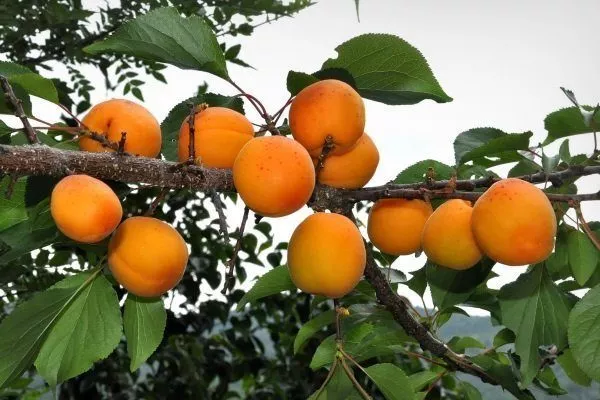
Ripe fruits are transportable, overripe specimens are processed on site.
Melitopol
A southern variety, it grows only in warm regions. This is an old, well-established apricot, which has several varieties:
- Melitopol early;
- Melitopol radiant;
- Melitopol late.
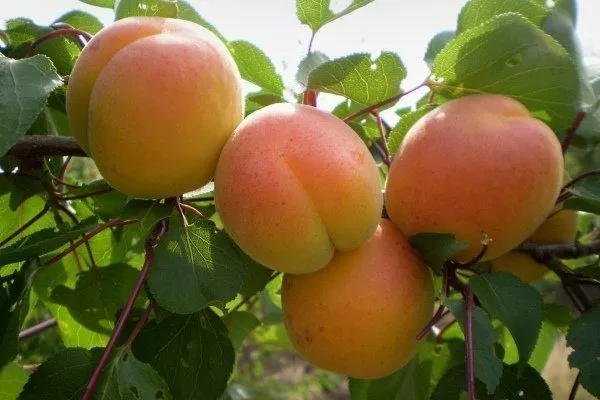
But the earliest of these was the early variety. The harvest is around June 20th. The tree is medium-sized—no more than 6 meters tall—with an unusual inverted pyramidal crown. The fruit will only be available for tasting after 5-6 years. They are large, weighing up to 60 grams. No additional pollination is required for their formation—the variety is self-pollinating. The yield is high.
The skin is covered with a fine fuzz, with a raspberry blush over most of it. The flesh is sweet with wine notes. The fruits are eaten unprocessed. They are often found on store shelves due to their good shelf life and transportability.
Tsar's
A variety native to the Central Region. The tree is slow-growing, medium-sized, reaching up to 4 meters in height. The crown is sparse and upright. The shoots are red and smooth. The first fruits are harvested in the third year. Flowering begins before the leaves appear; the flowers are small, about 3 cm in diameter, and white and pink.
This is a self-fertile variety. Ripens in late July. The fruits are small (up to 20 g) and bright orange, turning pinkish-red in the sun. The flesh is orange, juicy, tender, and sweet and sour. The yield is average. Fruiting occurs annually; in more moderate climates, the tree requires a rest period, so some years may experience crop failure.
The plant can withstand temperatures as low as -30°C, and even -40°C when covered, but the flowers are very sensitive to late frosts. Therefore, it is recommended to cover the crown with a polyethylene dome for protection.
Lel
This variety is recommended for cultivation in the Central region. If protected during the winter, it grows and bears fruit well in the Urals, Far East, and Siberia. The tree does not exceed 3 meters in height, with a neat, not spreading crown. The flowers can withstand short-term spring frosts down to -3°C. In autumn, the apricot leaves turn red, with shades ranging from crimson to burgundy.
The seedlings begin bearing fruit three years after planting. The plant is self-fertile, but to be on the safe side, it's best to plant nearby:
- Alyosha;
- Aquarius;
- Iceberg.
Another advantage is its high frost resistance down to -30°C. When covered, it tolerates even lower temperatures. It is resistant to heat and prolonged drought.
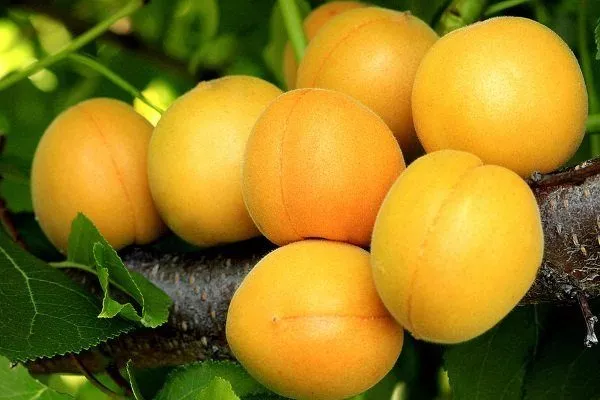
The fruits are small (no more than 20 g). The skin is orange or yellow, smooth. A faint blush appears on the sunny side. The flesh is juicy, tender, literally melts in the mouth, sweet with a slight tartness.
Lescore
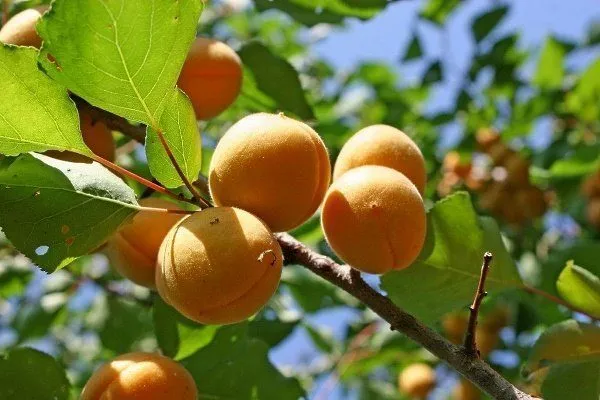
The variety's native land is the Czech Republic, but it's little known among gardeners in the former Soviet Union. The tree is tall, reaching over 6 meters. The first apricots can be enjoyed six years after planting. The fruits are large (60 g), with specimens weighing up to 93 g. The skin is medium-thick and deep orange, with a blush on the sunny side.
The pulp has a pleasant flavor and rich aroma. The yield is high—up to 60 kg per tree. The fruits are transportable and suitable for commercial purposes. The variety has good winter hardiness and tolerates prolonged drought, but is susceptible to moniliosis.
Alyosha
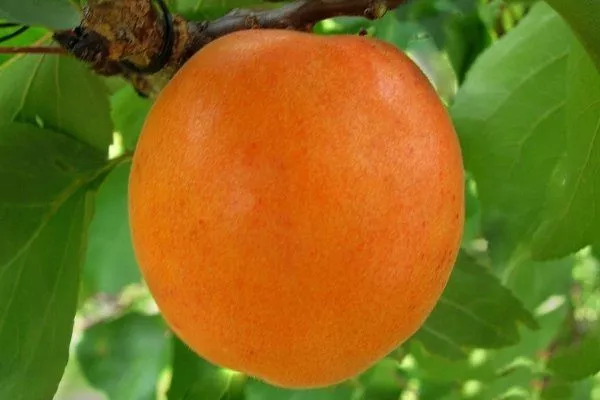
A fast-growing apricot variety, reaching a height of 4 m. Its rounded crown is also 4 m in diameter. Fruiting begins in the third year. Flowers appear early. They are large, up to 4 cm in diameter, with pink veins visible on the white petals. This cultivar has good winter hardiness and drought tolerance. It does not require additional pollination, but it acts as a pollinator for other varieties.
The yield is good. The fruits are small (weighing no more than 20 g), round, and bright yellow. The flesh is orange, sweet and sour. They are harvested in late July – early August. They are easy to transport. The variety is undemanding in terms of soil and care, but has average resistance to the main diseases of stone fruit crops.
Early June
A self-sterile variety that requires pollinators. Apricots are planted nearby:
- Red-cheeked;
- Early Chisinau.
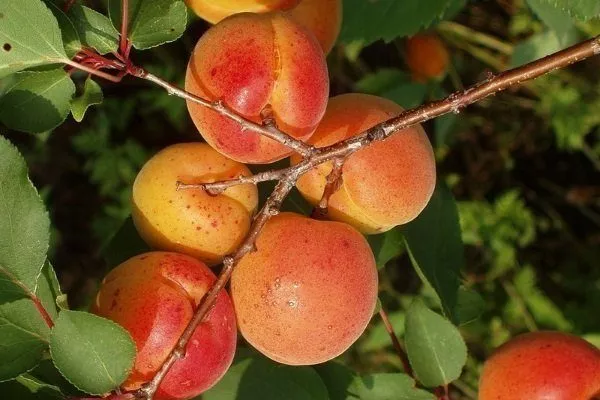
The harvest begins in mid-June. The fruits are medium-sized (up to 44 g), round, and bright orange with a diffuse blush. The orange flesh has a sweet, slightly tart flavor. The first fruits appear in the third or fourth year. The variety is undemanding to soil conditions and resistant to cytosporosis. Yield depends on the age of the tree—the older the tree, the higher the yield.
Mid-season varieties
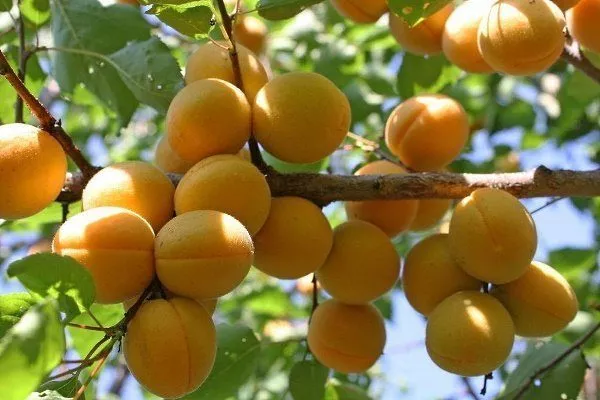
They are highly resistant to low temperatures and tolerate low moisture levels well. Ripening period: second half of July to early August.
| Name | Ripening period | Productivity | Frost resistance |
|---|---|---|---|
| Saratov ruby | Mid-July | Average | Up to -36°C |
| Shalah or "Yerevan" apricot | Late June – July | Up to 200 kg | Average |
| Royal | August | Up to 50 kg | Up to -20°C |
| Pineapple | August | High | High |
| Triumph of the North | Beginning of August | Up to 60 kg | Up to -35°C |
| Russian | August | Up to 75 kg | Up to -30°C |
Saratov ruby
A frost-hardy variety grown in the Lower Volga region. The tree is tall—up to 5 m—and grows quickly with a spherical crown. In spring, the branches are covered with medium-sized, snow-white flowers. To encourage fruit formation, plant the following nearby:
- A sweet tooth;
- Golubev's dessert.
For more northern regions the following are suitable:
- Triumph of the North;
- Zhiguli souvenir.
The fruits are medium-sized, weighing no more than 42 g. The apricots are covered with a bright carmine blush. The flesh is orange, firm, medium juicy, and sweet and sour. The stone is small and easily separated from the flesh.
You don't have to buy cuttings; you can grow an apricot tree from a seed. Read on to find out how. here.
The "Saratovsky Rubin" apricot ripens in mid-July. Yields are average but consistent. The buds can withstand temperatures as low as -36°C, and the perennial wood can withstand temperatures as low as -42°C. The fruit is moisture-resistant, does not crack in high humidity, and has excellent shelf life. It maintains its attractive appearance and flavor during long-distance transportation. The variety is resistant to fungal diseases such as moniliosis and clasterosporium.
Shalah or "Yerevan" apricot
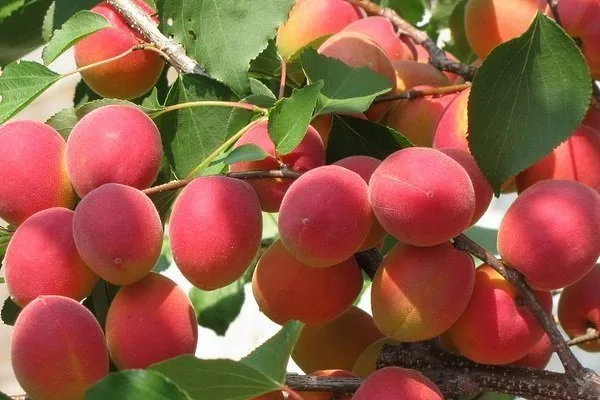
A variety with large fruits (90 g). The tree is tall, reaching up to 6 m, and is characterized by rapid growth. It begins bearing fruit in the fourth year. Its flowering depends on climate conditions. The warmer the growing region, the earlier the flowers bloom—late June, or July in temperate climates.
The tree produces high yields of up to 200 kg. The tree bears fruit annually. Under favorable climate conditions and with proper care, yields can reach 350 kg. The fruits are delicate pink with a yellow tint or creamy with a raspberry blush. The surface is matte. The flesh is sweet with a slight tartness and a pineapple aroma. When overripe, coarse fibers appear.
The variety is resistant to diseases and pests. Its frost resistance is average; it freezes in northern regions. The fruits are easy to transport and store well in cool conditions.
Royal
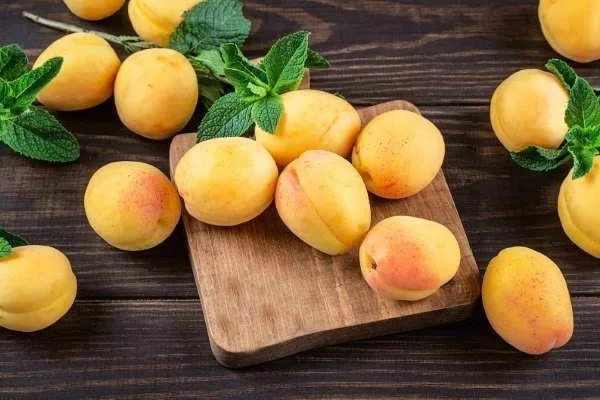
This variety has average winter hardiness, but can also be grown in southern Siberia. The tree is vigorous, with a rounded, broad crown. It begins bearing fruit after four years, producing fruit annually. A 10-year-old tree yields up to 45-50 kg of large, yellow-orange fruit with a blush on one side.
The flesh is yellow, juicy, and sweet and sour. The fruits are not transportable. The tree can withstand prolonged drought and frosts down to -20°C. Its main drawback is its lack of immunity to diseases and pests, so regular treatment is essential.
Pineapple
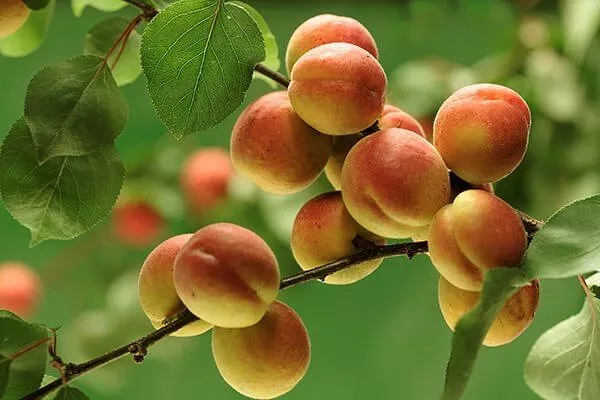
Native to Crimea, the tree reaches a height of 4 meters with a rounded crown. The shoots grow quickly, so pruning is performed annually. This self-fertile variety does not require additional pollination, but gardeners recommend planting other varieties of apricots, plums, peaches, and blackthorn near it, as this increases the yield by one-third.
It has excellent winter hardiness and drought tolerance. Even if the tree suffers from freezing temperatures, it will quickly recover in the spring. The first fruits can be enjoyed after 3-4 years. They are large, weighing up to 40 g. Ripe fruits have a pale yellow hue. The flesh is slightly fibrous with a pineapple aroma and a noticeable tartness.
Triumph of the North
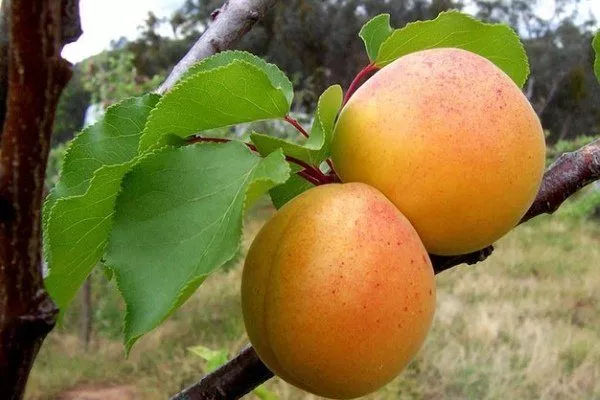
Triumph of the North This tree is highly frost-resistant. Its wood can withstand temperatures as low as -35°C, and its flower buds can withstand temperatures as low as -28°C. The tree has a spreading crown and reaches a height of 4 meters. The fruits are large (up to 60 g), yellow-orange, and lightly fuzzed, with rough skin. On the sunny side, they are tanned red, while on the shaded side, they have a greenish tint. The flesh has an almond flavor.
The harvest ripens in early August, or after August 20th in cool summers. The fruit is resistant to shedding. The first apricots are harvested after four years. The maximum yield is 60 kg from a 10-12-year-old tree, but fruiting is intermittent. The variety is resistant to clasterosporium and pests, but is susceptible to moniliosis.
This is a self-sterile variety; to encourage fruit formation, it is planted next to "Luchshiy Michurinsky," "Amur," and other varieties that bloom at the same time—after May 20th. If the fruits ripen in rainy weather, they crack.
Russian
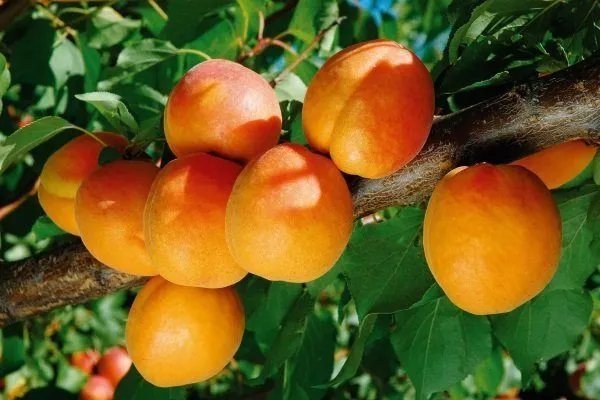
This variety was developed in the Caucasus, but it has also thrived in the central part of Russia. The tree reaches 4 meters in height. It begins bearing fruit in the fifth year, with the yield increasing each year. A mature tree yields up to 75 kg of fruit. They are large, weighing 50-65 grams, and yellow-orange in color.
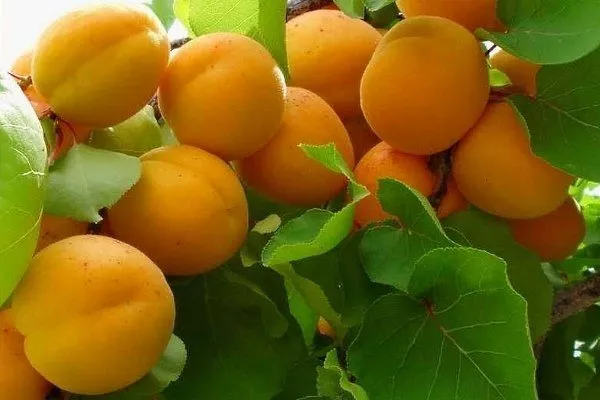
The flesh is soft, aromatic, and very sweet. The fruits are eaten fresh; they are not cooked, as this would cause them to lose their flavor. The variety's advantages include high winter hardiness—the tree can withstand temperatures down to -30°C—and immunity to diseases and pests, as well as self-fertility.
Late-ripening varieties
Apricot varieties are distinguished by their increased frost resistance and the ability to store fruit for long periods under certain conditions. Ripening period is late August to mid-September.
| Name | Ripening period | Productivity | Frost resistance |
|---|---|---|---|
| Spark | August | High | Up to -36°C |
| Edelweiss | August | High | High |
| Canned goods | August | Average | Average |
| Pervais | August | Up to 50 kg | Up to -40°C |
Spark
This variety is recommended for cultivation in the North Caucasus region. It is a medium-sized tree with a sparse, upright crown. It begins bearing fruit four years after planting.
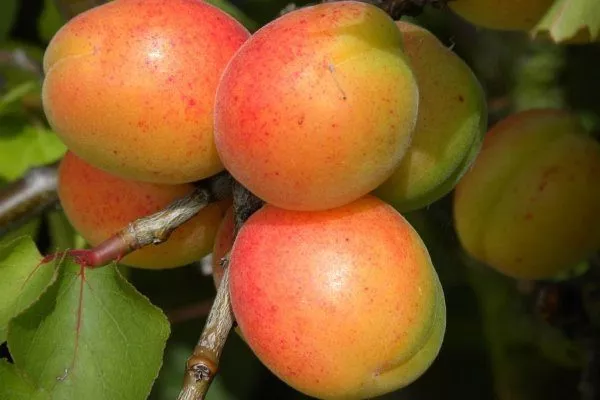
The fruits are large, weighing 50 g, asymmetrical, and have a bright pink blush. The flesh is firm and crisp. Ripens in August. The fruits can be stored in the refrigerator for over a month, provided they are undamaged. They can withstand temperatures down to -36°C.
Edelweiss
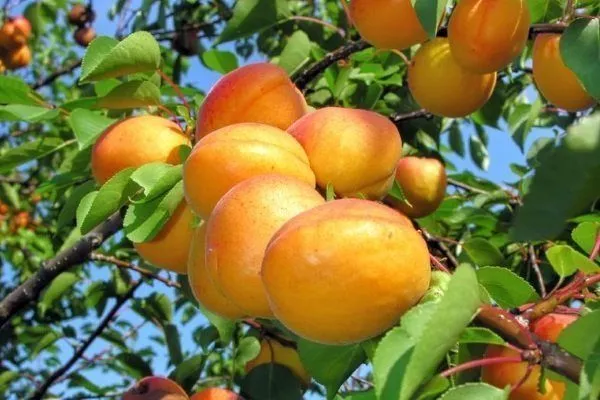
The tree is medium-sized and rounded. Fruiting begins after four years and is consistent and annual. The variety is highly frost- and drought-resistant. The yield is high.
Another advantage is that it doesn't require pollinators. The fruits are medium-sized and light yellow. The flesh is juicy, sweet and sour. The fruits store well. This variety requires regular pruning and crown shaping.
Canned goods
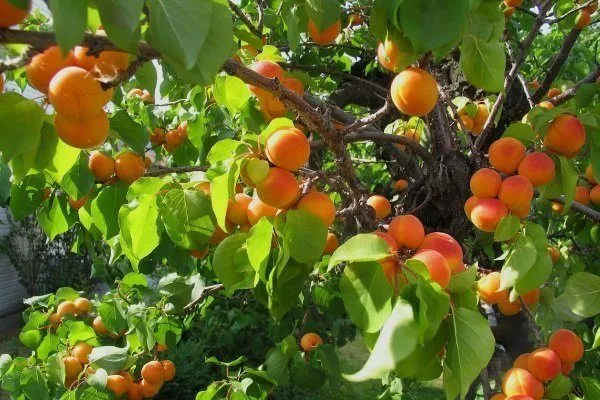
This variety is quite demanding in terms of growing conditions, which greatly impacts yield. The tree is vigorous with a wide crown. The first fruits are harvested after 3-4 years. They are large, up to 65 g, bright yellow, covered with a washed-out blush. The flesh is juicy with a sweet and sour taste. However, the warmer the region, the more sugar it contains. If the fruit lacks moisture, it becomes astringent.
Overripe fruits may fall off. Winter hardiness is average; flower buds freeze in severe frosts, but quickly recover in the spring, although yield declines. Can be susceptible to holey spot and requires crown shaping.
Pervais
An Armenian variety distinguished by its tree height, which does not exceed 2 meters. The shoots require regular pruning to maintain an attractive crown. The yield is 50 kg per tree.
The fruits are very large, yellow with a red blush. The flesh is dense and fibrous, making them suitable for drying. The variety tolerates temperatures down to -40°C and is disease-resistant.
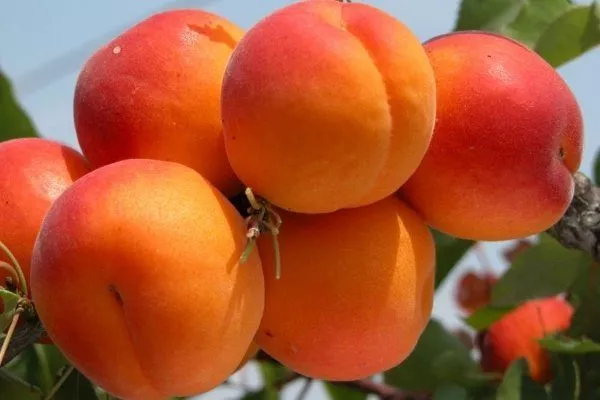
Apricot varieties in the Moscow region
Thanks to the diligence of breeders, this traditional southern crop is grown even in challenging climates. For the Moscow region, varieties are selected that are exclusively suited for cultivation in this region.
- ✓ Consider the climate conditions of your region, especially minimum winter temperatures and the likelihood of spring frosts.
- ✓ Pay attention to the variety's soil requirements, especially if you have unusual soil conditions.
- ✓ Consider the need for pollinators for self-sterile varieties.
Aquarius
This is a self-pollinating variety with mid-season fruit ripening. The tree is fast-growing and tall. The first fruits are harvested in the fourth year, and they continue to produce fruit annually.
The apricots are medium-sized (25 g), juicy, sweet, and acidic. Yields are excellent. The variety is frost-hardy and tolerates spring frosts. It is virtually immune to aphids.
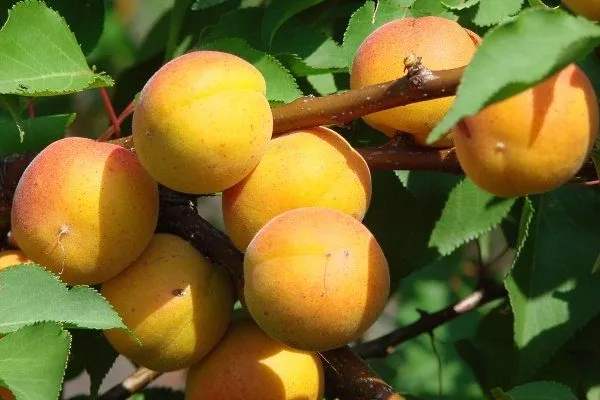
Oryol resident
Another self-fertile, versatile variety. The tree grows up to 4 m tall with a medium-density crown. Fruiting begins after 3 years.
The fruits are dark yellow with dark red speckles scattered across the surface. The pulp is starchy and sweet. The variety is resistant to clasterosporium and highly frost-resistant.
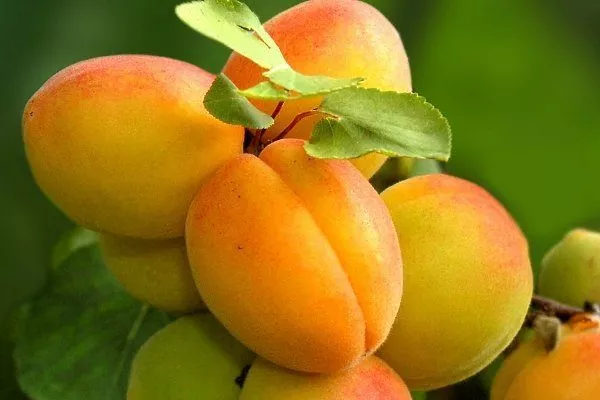
The largest varieties
They are distinguished by the large size of their fruits with juicy, fleshy pulp.
Red-cheeked
One of the oldest varieties, it requires ample sun and is therefore grown only in southern regions. It is highly self-pollinating. The tree grows up to 12 meters tall, making harvesting difficult, but it can yield up to 100 kg of fruit.
The first harvest is formed in the 3rd-4th year, sometimes in the 5th-7th. Fruits of the variety Red-cheeked Large, bright yellow, with red spots appearing in the sun. They are picked unripe for transportation. A drawback of this variety is its intolerance to late frosts.
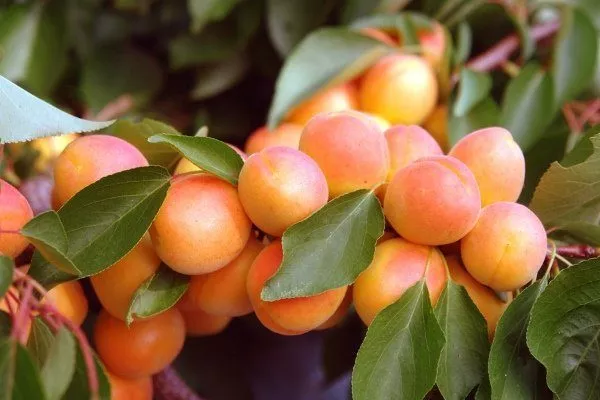
Pearl
A Czech variety with mid-season ripening. It boasts several advantages, including self-pollination, large fruit, resistance to moniliosis, high yield, and excellent transportability.
The tree is medium-sized and compact. Fruit (100 g) have a dense carmine blush. The flesh is honey-colored, crisp, and aromatic. The variety is highly frost-resistant.
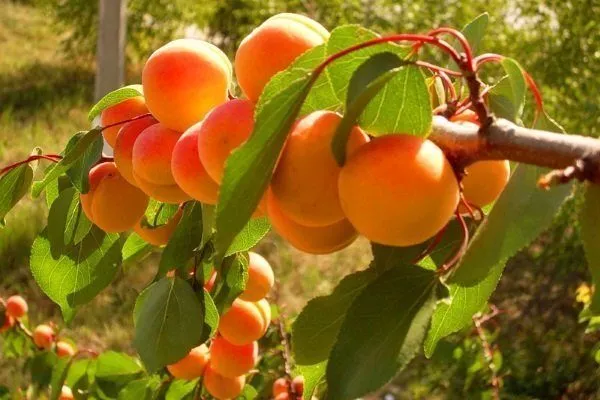
Early
A variety with a descriptive name—it refers to the ripening period of the fruit. It is the result of selection by Ukrainian scientists. The large fruits are harvested from late June.
The flesh is sweet. Thanks to its thick skin, it withstands long-distance transportation well. The yield is high. This variety requires careful care; if not watered and fertilized sufficiently, the fruits become smaller and lose their sweetness.
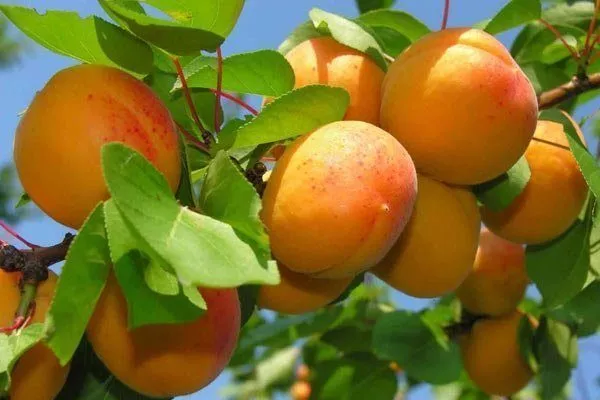
Dawn of the East
A zoned apricot variety grown in Turkmenistan and Crimea. The tree is tall, with a spreading crown. The irregularly shaped fruits weigh up to 60 g, with a deep ventral suture and a strong crimson blush.
This variety is partially self-fertile, so some help is needed. The first fruits appear after three years. Winter hardiness and resistance to fungal diseases are average. In Crimean orchards, apricots ripen from July 15th, while in Central Asia, they ripen a little earlier—in the second half of June.
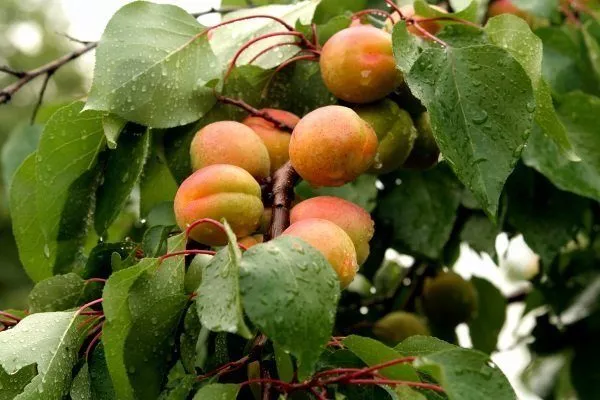
Farmingdale
This variety is the result of the work of American breeders. The tree is tall and self-pollinating. The first fruits appear 3-4 years after planting.
It boasts immunity to moniliosis, bacterial spot, and rust. Winter hardiness is average. The fruits are orange with a slight pinkish blush.
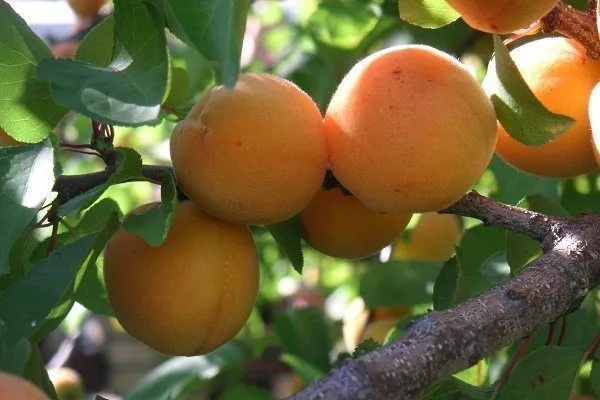
Aviator
A Crimean variety with above-average-sized fruits (up to 55 g). The vigorous tree has a dense, pyramidal crown. The skin is strong and thin, ranging in color from light yellow to creamy orange, with a faint crimson blush.
The flesh is sweet. It begins bearing fruit only in the fifth or sixth year. The fruits ripen between July 10th and 20th. Yields are average but consistent. The variety's advantages include high drought tolerance, winter hardiness, and resistance to fungal diseases. It is demanding in terms of growing conditions.
Crimean Amur
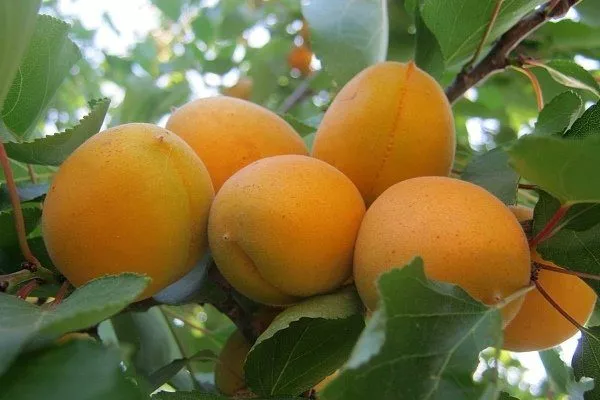
A self-fertile variety that requires no pollinators. The tree grows quickly and begins bearing fruit in the 5th or 6th year. It is highly productive. The fruits themselves have a deep ventral suture and thin skin, are dark orange with a washed-out blush. They are noted for their excellent shelf life.
Since this variety is late-ripening, it's not susceptible to spring frosts. However, the tree doesn't tolerate high humidity, so it's best not to plant it in low-lying areas. It's not resistant to fungal diseases, and it requires plenty of light and warmth.
Winter-hardy varieties
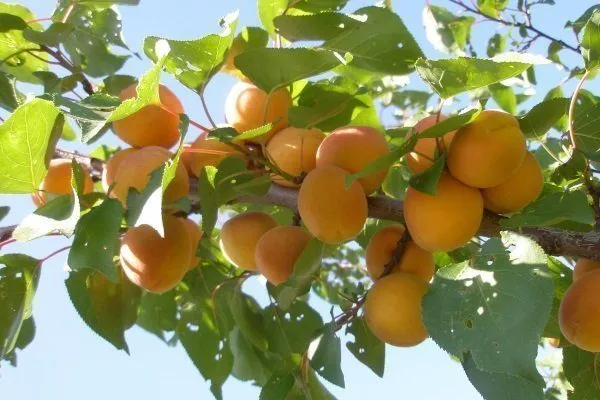
These apricots are distinguished by their increased resistance to subzero temperatures. Moreover, not only the trees themselves are frost-resistant, but also the buds, which are most often exposed to low temperatures.
Bay
A Far Eastern variety. A tall tree with a compact crown and sparse branches, it can withstand temperatures down to -40°C and thrives in humid areas.
The fruits ripen in late July to early August. Up to 100 kg (30 g) of small apricots are harvested per tree. The skin is yellow and covered with a red blush. They are usually eaten fresh.
Hardy
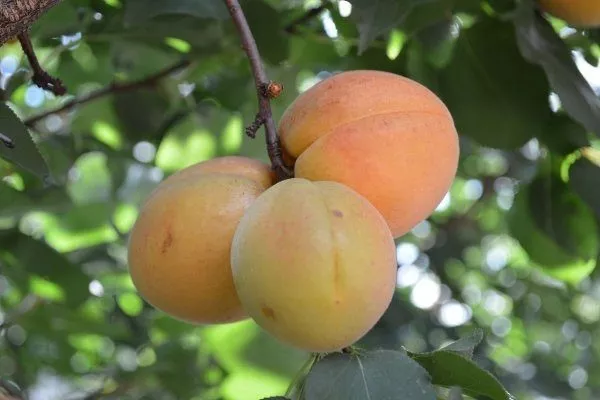
A late-ripening, self-fertile variety. The vigorous tree produces sweet, medium-sized fruits annually, weighing up to 40 g. Yields are high, reaching up to 60 kg. Fruiting begins in the 5th or 6th year.
Frost resistance is high, disease resistance is average. This variety is often affected by moniliosis, so regular preventative measures are necessary.
Darling
This variety is resistant not only to severe frosts but also to heat, making it a safe choice for gardeners in the East Siberian District. The tree grows quickly, reaching a height of 5 meters.
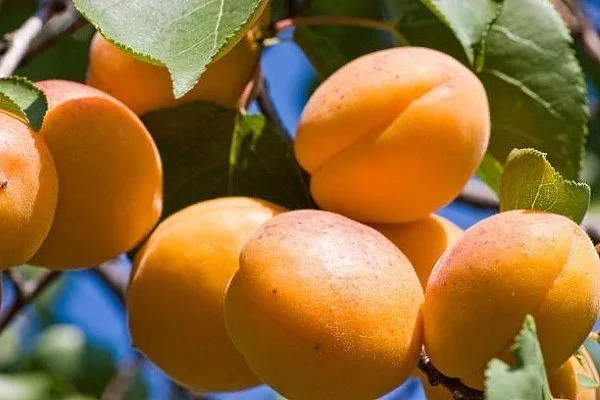
The fruits are medium-sized (up to 40 g) with a sweet and sour, starchy flesh. The skin is dark yellow and covered with red spots. Up to 60 kg are harvested annually from a single tree in early August. The first fruits are harvested 3-4 years after planting.
Partisan high-mountain
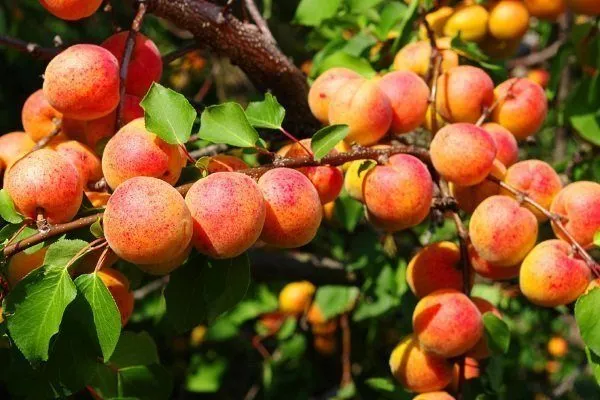
One of the most frost-hardy varieties, it can withstand temperatures below -50°C. The tree does not tolerate high humidity and is best planted in well-drained areas. The fruits are medium-sized, sweet and sour. They are suitable for drying and home canning.
Spassky
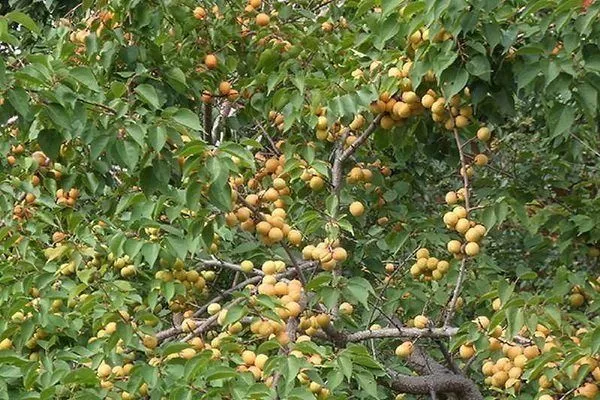
Another record-breaker, it tolerates temperatures down to -50°C. The fruits are small, weighing up to 30g, and have a sweet and sour taste. It is planted at elevated elevations, in areas with deep groundwater. If the tree grows in damp areas, its resistance to low temperatures decreases significantly.
Ussuriysk
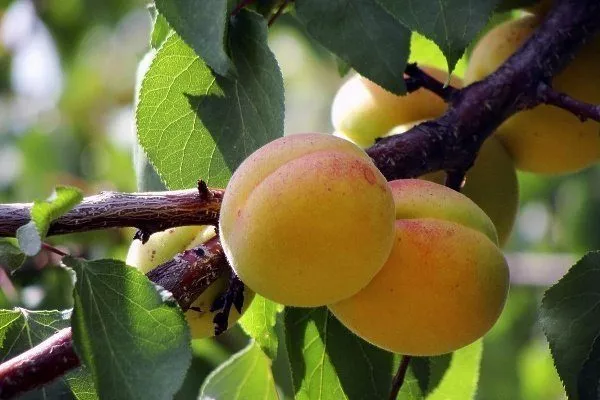
A hybrid that prefers elevated sites. The tree is characterized by very slow growth, rarely exceeding 3 meters in height. The crown is compact. The bark of the trunks is resistant to damping off and sunburn.
It can withstand temperatures down to -50°C and fluctuating temperatures. It tolerates high humidity, which doesn't affect the growth and development of the fruit or the tree itself. The fruits are small, weighing 20-40g, but sweet.
Columnar apricots
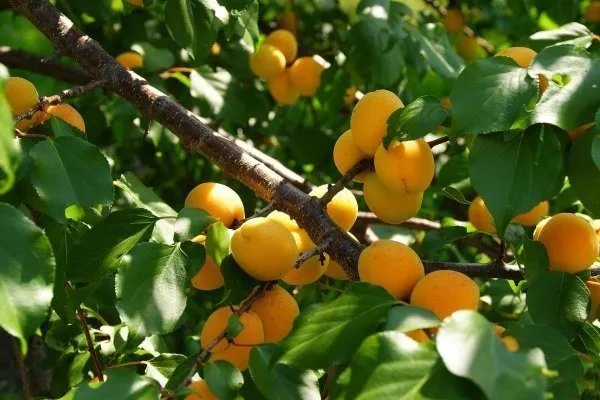
Columnar apricots are compact trees with a columnar-like crown. They are very popular because they take up little space and produce yields comparable to regular varieties.
Sunny
A compact tree growing up to 2.5 m tall. It has no crown as such; the fruit forms on short branches extending from the trunk. The yield is high—two buckets of delicious fruit are harvested per season, each weighing 40-60 g. The tree can withstand temperatures down to -35°C.
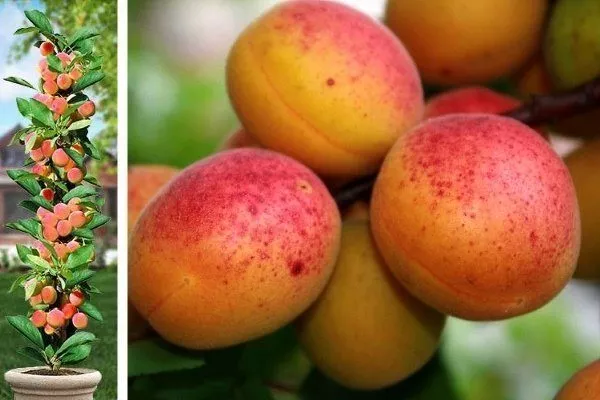
Experts recommend planting this variety in sunny areas, but they also ripen well in partial shade. This self-fertile variety is best planted alongside:
- columnar variety "Prince Mart";
- non-columnar "Big Red".
Gold
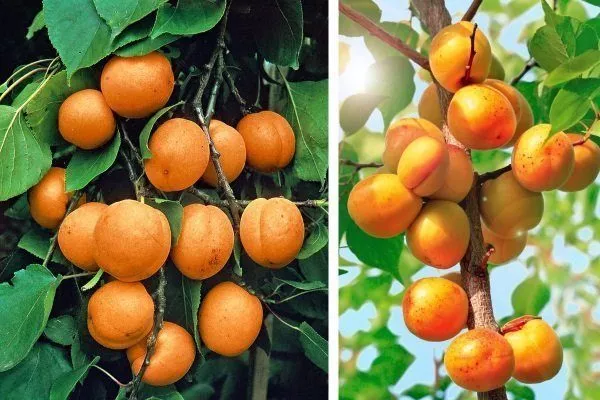
A variety with golden-yellow fruits. The tree reaches 2.5 m in height, with a crown diameter no more than 1 m. It produces fruit annually, ripening in late July to early August. Its advantages include self-pollination and winter hardiness (down to -35°C).
The fruits are smooth-skinned and pubescent, weighing 50-55 g. The tree does not tolerate waterlogged soil, as the root system rots very quickly. It can bear fruit in partial shade and shade, but it is best planted in sunny areas.
Star
Self-pollinating variety. The tree is low-growing and compact. Fruiting begins in the third year. This is a high-yielding apricot. Large fruits weigh up to 100 g.
The harvest ripens in the first half of August. This frost-hardy variety can withstand temperatures down to -30°C. Like all columnar varieties, it requires regular pruning. A drawback is its early flowering, which can result in some flowers being lost in subsequent frosts.
Prince Mart
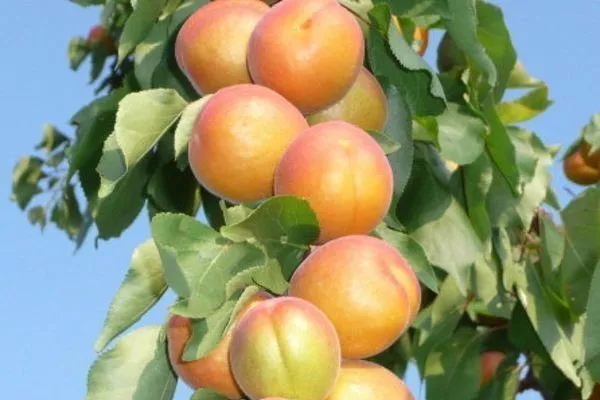
This is a low tree, reaching only 2 meters in height. The first fruits are harvested in the 2nd or 3rd year. It is recommended for cultivation in warm climates, but with proper agricultural practices, it also bears fruit well in temperate climates.
This frost-hardy variety can withstand temperatures down to -30°C. However, it is sensitive to spring frosts, which can damage the flowers.
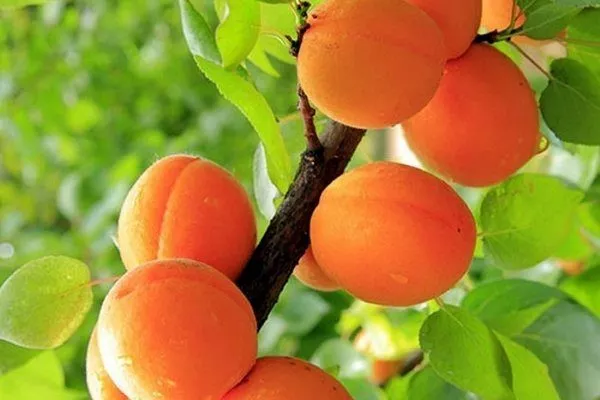
It doesn't require additional pollination; it handles this task on its own. The fruits, weighing 30-60 grams, ripen in August. On the sunny side, one of the sides is covered with a noticeable blush. The tree is immune to diseases and pests and requires annual pruning. Read on for information on how and when to prune apricots. here.
Low-growing varieties of apricot
The tree height does not exceed 3 m and is popular because it is easier to care for and harvest.
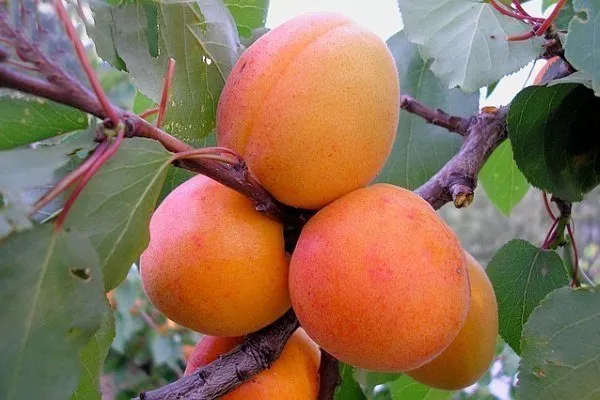
Bullfinch
The tree grows up to 1.5 meters. It thrives in the Moscow and Leningrad regions, but requires winter shelter. It's a frost-hardy variety, withstanding temperatures down to -42°C thanks to its thick bark. It's not drought-resistant, so watering is essential.
The fruits are cream-colored and covered with a burgundy blush. They are small, weighing up to 18 grams, but have very sweet flesh. Sometimes, apricots can taste bitter under the skin.
This self-pollinating variety blooms late, making it resistant to recurrent frosts. The first fruits appear five years after planting, and fruiting is intermittent. Yields range from 7 to 15 kg. The crop is susceptible to moniliosis and spotting. The fruits are shelf-stable and transportable until January.
Cup
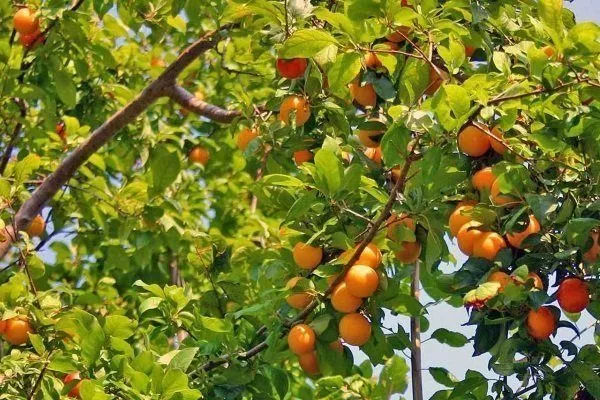
A suitable variety for temperate climates. The tree grows to a maximum height of 1.5 m. To encourage fruit formation, other apricot varieties are planted nearby. The fruits are cup-shaped. They are small, creamy yellow, and ripen in early August. They have a sweet taste. They bear fruit annually, producing a good yield.
Black mouse
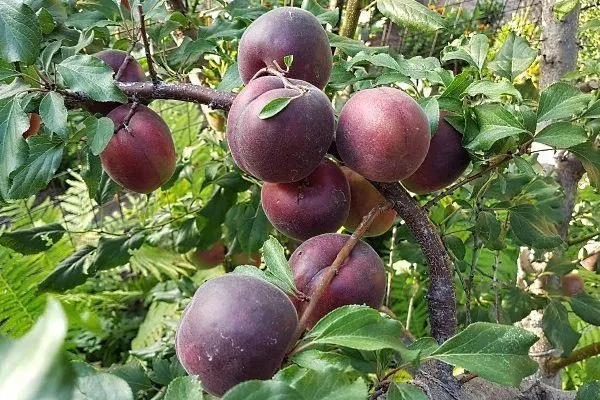
A variety with black fruits. A dwarf tree, it can be planted not only in the garden but also in a container. It is winter-hardy. The fruits are very small (up to 30 g), reddish-purple, and sweet and sour.
The Black Prince
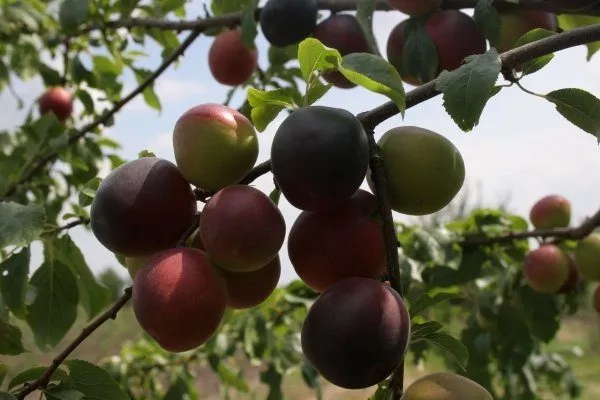
Another variety of black apricot, or rather, a hybrid of cherry plum and apricot. This is the most productive of this variety. The fruits are large (90 g), but not black at all, but burgundy. The flesh is sweet and sour. They ripen from August 1st to 10th.
Good winter hardiness. The fruits are not transportable and crack during shipping. Its self-pollination is a plus. After five years, thorns begin to grow on the branches, making harvesting difficult.
To choose the best variety for your garden, you need to consider each variety's characteristics, ripening time, and performance. Using the information presented in this article, you can easily select a variety that meets your key needs and will reward you with a bountiful harvest.