
The Krasnoshchyok peach is a tasty and beautiful variety with a good level of winter hardiness and strong immunity (read about the best varieties Here). Owners of such trees, with a little effort, can be guaranteed to have a bucket of rosy peaches from each plant every summer.
History of creation
The Krasnoshchyok variety was developed by I. N. Ryabov at the Nikitsky Botanical Garden (Crimea). This peach was created by crossing two varieties—Ranniy Riversa and Koroleva Olga. Its characteristics place it in an intermediate group—between common Iranian peaches and early-ripening northern Chinese peaches.
Description of the tree
The tree is vigorous, reaching a height of up to 4 m. The crown is broad and rounded. The leaves are medium-sized, dark green, and lanceolate. They are serrated along the edges. The flowers are pink, large, rose-shaped, 30–32 mm in diameter.
- ✓ Resistance to powdery mildew is above average compared to other varieties.
- ✓ Tendency to quickly recover after freezing.
Description and taste of fruits
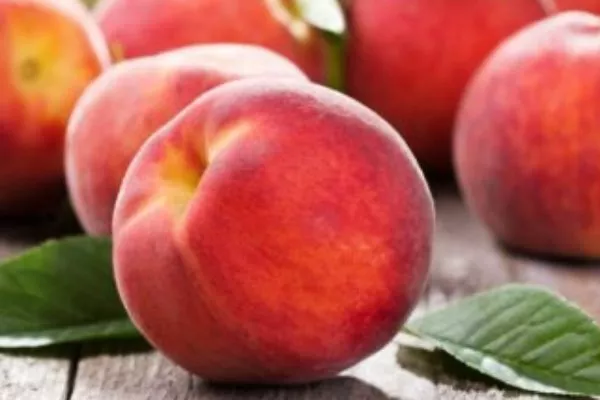
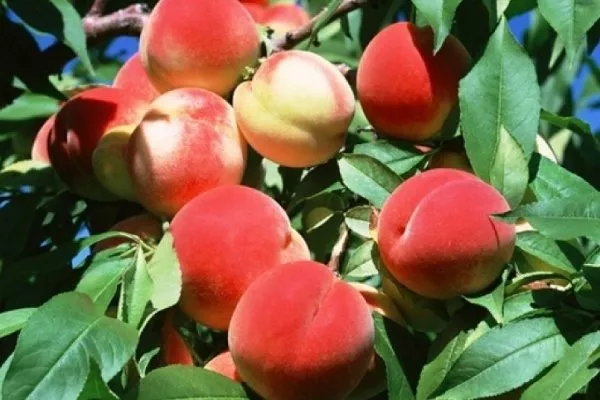
The fruits are large, light cream-colored, with a bright reddish blush on the sun-facing side. The shape is ovoid. Each fruit weighs 150-160 g, with some specimens reaching 200 g. The flesh is pink-orange, tender, and juicy. The flavor is sweet and very pleasant, though not first-class. It has a freshness and a hint of wine.
Ripening time and yield
The tree begins bearing fruit in the third year after planting. The fruit ripens in late summer. The Krasnoshchyok peach is a high-yielding variety. On average, a single tree produces 45-50 kg of fruit.
Pros and cons
To determine whether a particular variety is suitable for your garden and your intended use (for food, commercial sale, etc.), it's important to evaluate all its advantages. It's also important to be aware of any drawbacks in advance.
Landing
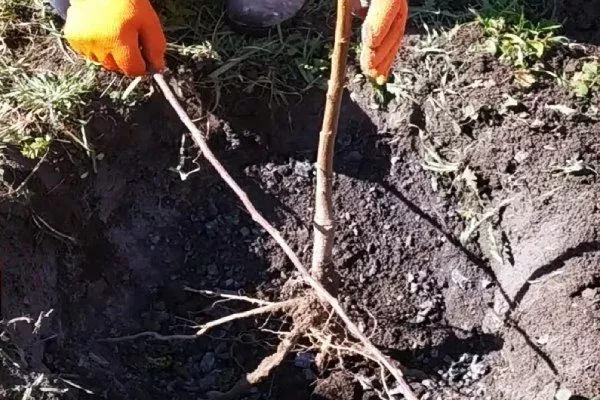
Plant the Krasnoshchyok peach in a sunny spot, protected from north-facing winds. The soil should be well-drained. Leave 4-5 meters between adjacent trees. Peach trees do not tolerate proximity to cherries, apples, and walnuts, so they should be planted as far away from these trees as possible.
- ✓ Soil pH should be between 6.5-7.5 for optimal growth.
- ✓ The groundwater depth must be at least 1.5 m to prevent root rot.
Care Features
The Krasnoshchyok peach requires certain care, without which it is impossible to achieve a good harvest.
Care features:
- A planted peach tree requires special care at first—water regularly, preventing the soil from drying out. Subsequently, water as needed, especially during flowering and fruit formation.
- Trimming This is done in the spring or after fruiting has finished. The first option is preferable, as it avoids damaging the tree before winter, when it needs its energy to prepare for the winter.
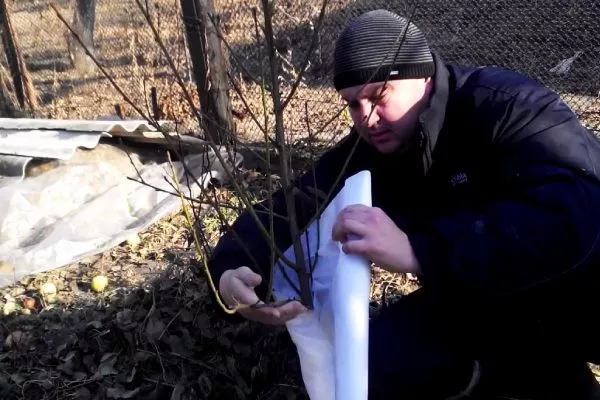
- In regions with winters that are critically cold for peach trees, insulating the trunk and root zone is necessary. This is especially important for young trees.
- In spring, organic matter or nitrogen-containing mineral fertilizers are applied to the tree. During the fruit formation period, peach trees are fed with potassium-rich fertilizers.
- In spring and fall, preventative treatments with fungicides are carried out to prevent the development of fungal infections. The tree is regularly inspected for pests, and if any are detected, insecticides or effective biological treatments are immediately applied.
Harvesting and storage
It's important to pick peaches on time; unripe fruits are too sour, contain little juice, are tasteless, and unsightly—they're not even suitable for processing. But picking them late is also crucial—overripe fruits also become tasteless and crumble.
Reviews
The Krasnoshchyok peach is a variety worthy of the attention of gardeners and summer residents. It's an excellent choice for peach lovers, boasting beautiful and delicious fruits suitable for any purpose, including fresh eating, market sales, and processing.