
The Krasnaya Moskva peach is one of the most popular varieties, recognized by gardeners for its excellent characteristics. It combines high yields, resistance to adverse weather conditions, and excellent fruit flavor. It is suitable for growing in a variety of climates. Proper and timely care is key.
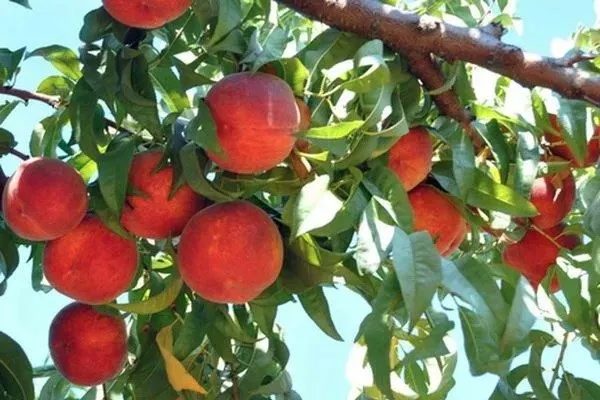
Introduction to the variety and characteristics
This crop is grown by gardeners throughout Russia. The variety has numerous attractive qualities, including its ability to be transported over long distances—the peaches are resistant to mechanical damage.
Red Moscow is a self-fertile variety, but the presence of other peach varieties in the area can significantly increase the yield.
Information about origin
Developed by Russian breeders at the I.V. Michurin All-Russian Research Institute of Horticulture, the variety was created in the mid-20th century, in the 1950s, under the guidance of renowned breeder Ivan Vladimirovich Michurin.
The appearance of the tree
This medium-sized plant grows up to 4 meters in height. Its crown is rounded and slightly spreading. In spring, it is covered in delicate pink flowers, adding a special beauty to the garden.
Fruits and their taste characteristics
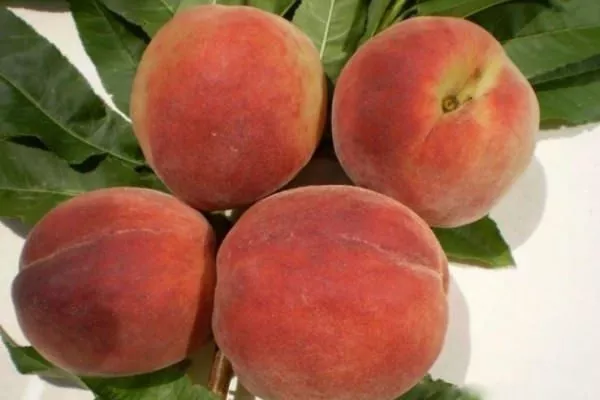
The fruits have an attractive appearance: bright yellow with a slight blush and a slight velvety pubescence, rounded shape. Each fruit weighs between 150 and 180 g. The flesh is yellow, firm, and medium juicy. It has a harmonious flavor and a pleasant aroma.
Landing rules
Choose a well-lit site where the tree will receive maximum sunlight throughout the day. South- or southwest-facing slopes, protected from cold northern winds, are ideal. The site should be elevated or have good drainage to prevent waterlogging.
The plant prefers fertile, well-drained soils with a neutral or slightly acidic pH (6-7). Light loam or sandy loam soils are best. Avoid planting in clay or excessively sandy soils or in areas with a shallow water table (less than 1.5 m).
Helpful growing tips:
- Six months before planting (in the fall), dig the area to a depth of 30-40 cm. Remove all weeds, especially rhizome-based ones, and add organic fertilizer (humus or compost) at a rate of 8-10 kg per 1 square meter. If the soil is heavy and clayey, add river sand or rotted sawdust.
- If the soil is highly acidic, add lime or dolomite flour (300-500 g per 1 sq. m) to normalize the pH.
- In the spring, 2-3 weeks before planting, dig the area again to the depth of a shovel blade and add mineral fertilizers: 40-50 g of superphosphate and 25-30 g of potassium salt per 1 sq. m.
- Dig a hole 50-60 cm deep and 60-80 cm in diameter.
- Place a drainage layer (15-20 cm) of broken brick, crushed stone or expanded clay on the bottom.
- Mix the top fertile soil layer with humus (10-20 kg), add 200-300 g of superphosphate and 100-150 g of potassium salt. Fill the hole halfway with this mixture.
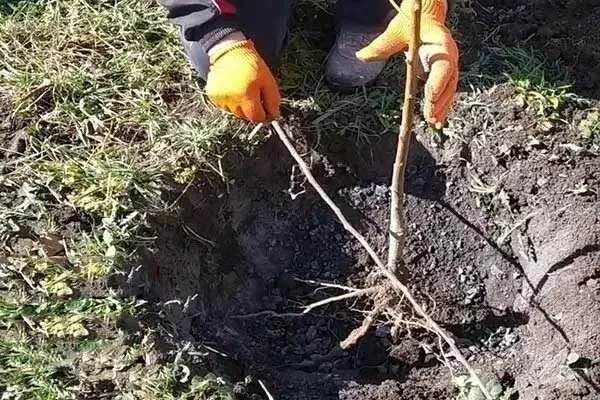
- Place the seedling in the hole so that the root collar is at ground level or slightly higher (1-2 cm).
- Carefully straighten the roots and fill them with the remaining soil mixture, firmly tamping the soil around the trunk.
- Water the seedling generously with 20-30 liters of water to settle the soil and ensure good root contact. After watering, mulch the area around the tree trunk with peat or compost to retain moisture.
Place a stake next to the seedling and tie it with soft rope to protect it from wind damage. If necessary, protect it from rodents and sun by wrapping the trunk with protective netting or burlap.
What kind of care should be provided?
Proper care of the Krasnaya Moskva peach includes standard agricultural practices. These measures will help ensure healthy tree growth and a high yield of high-quality fruit:
- Watering. Water the tree regularly, especially during periods of drought and active growth (spring and summer). Water once a week, using 20-30 liters of water for a young tree and 40-50 liters for a mature tree. Water the tree around the trunk, avoiding contact with the leaves and trunk.
Perform this procedure in the morning or evening. Reduce the volume in late summer to stimulate the tree's preparation for winter. During the fruiting period, be especially careful to maintain moderate soil moisture. - Top dressing. At the beginning of spring (before the sap starts to flow), apply nitrogen fertilizers (for example, urea or ammonium nitrate) at a rate of 20-30 g per 1 sq. m of the tree trunk circle.
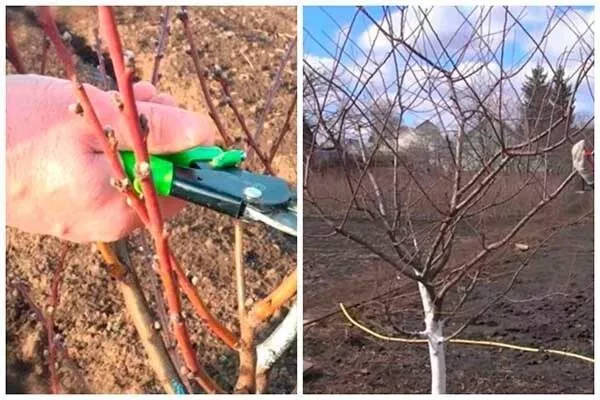
During fruit formation, use complex mineral fertilizers low in nitrogen but high in potassium and phosphorus. In October, apply organic fertilizers (humus or compost) at a rate of 8-10 kg per square meter, and phosphorus-potassium fertilizers to boost immunity. - Trimming. Perform the main pruning in the spring, before the sap begins to flow. Remove damaged, diseased, and crowded branches. Shape the crown into a cup-shaped form for improved light and ventilation.
In summer, perform light pruning to remove excess shoots and maintain the crown's shape. After harvesting, perform a sanitary pruning, removing all diseased and dead branches. - Prevention of diseases and pests. In spring, before bud break, spray the tree with Bordeaux mixture or copper sulfate to prevent fungal diseases. In summer, use biological products such as Fitosporin.
Regularly inspect the plant for pests (aphids, codling moths) and treat with insecticides at the first sign of infestation. Mulching the area around the tree trunk helps retain moisture and prevent the growth of weeds, which can be a source of disease.
In regions with cold winters, provide protection for the root system using peat, sawdust, or spruce branches. Young seedlings should also be covered with agrofibre. Protect the trunk from rodents by wrapping it in a special net or burlap.
Positive and negative qualities
Before planting a crop in your garden, consider its pros and cons. Krasnaya Moskva has many advantages:
Among the disadvantages, gardeners note the extended fruiting period, when harvesting lasts up to 4 weeks.
Reviews
The Krasnaya Moskva peach is an excellent choice for those who value not only high yields but also frost and drought resistance in garden crops. Its excellent flavor and long fruiting period make this variety ideal for the home garden. By following the care recommendations and proper planting, you'll be able to enjoy juicy fruits year after year.