
The Collins peach is an excellent choice for those who want to enjoy delicious and juicy fruits. Thanks to its frost resistance and self-fertility, it is suitable for a variety of climates, but requires attention, especially when it comes to protecting against diseases and pests. With proper care and preparation, this variety can yield a bountiful harvest.
History of selection
Like many other fruit crops, it is not included in the Russian federal register. It is known to have been developed in the US state of New Jersey at a breeding station. Pollination by Jersey Land led to significant results in 1955. Despite its long history, Collins has gained widespread popularity.
Introduction to the variety
Collins is a popular American variety, favored by both novice and experienced gardeners in our country. It's easy to grow, but gardeners should consider a few nuances.
Characteristics of fruits and trees
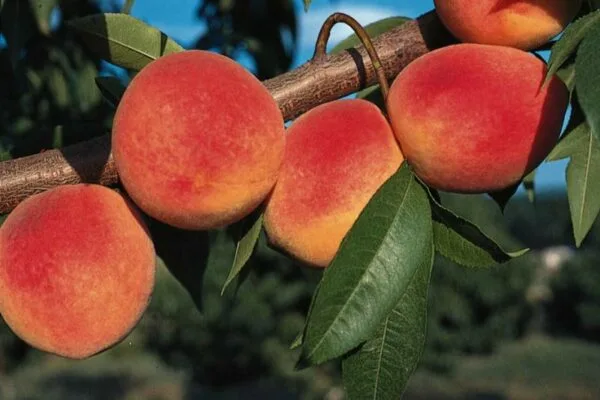
The plant reaches up to 3 m in height. The crown is cup-shaped. The shoots are covered with elongated, dark green leaves. The foliage has a glossy surface. The flowers, 25-30 mm in diameter, are goblet-shaped and consist of five white-pink petals. They have a light and pleasant fragrance.
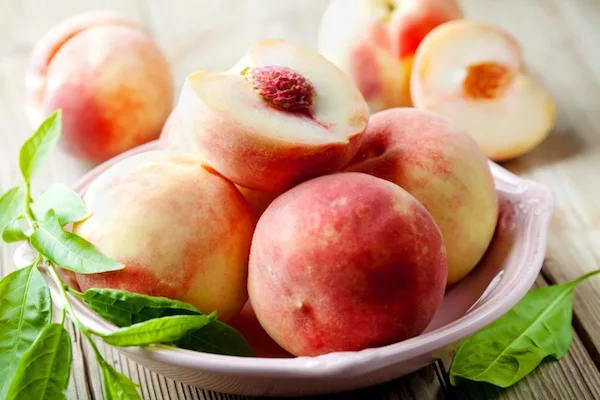
The tree bark is usually brown, and the shoots are green. The leaves reach 160 mm in length and 50 mm in width. The fruits are medium-sized, yellow with a washed-out skin and characteristic stripes. The weight of a single fruit ranges from 110 to 150 g, although variations are possible.
Taste and purpose
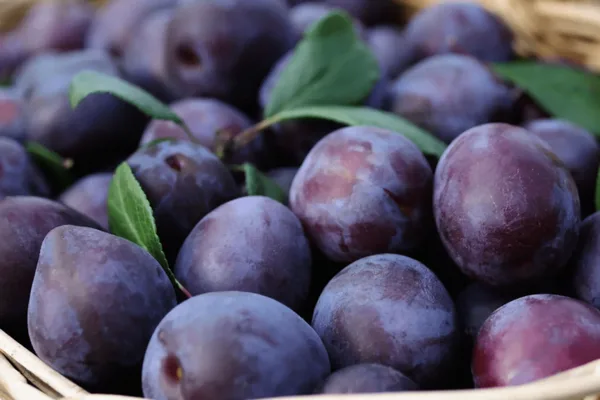
The fruit has a bright, appetizing aroma. The flavor is very balanced, with a predominantly sweet, yet noticeable tartness. This variety received a 5-star rating and is ideal for table consumption.
When it ripens, fruiting characteristics
Flowering begins in mid- to late April. This mid-early variety ripens by mid- to late July. Once fruiting begins, the peach tree produces a consistently abundant harvest every year.
Productivity of the variety
Collins is a very early fruiting variety – with proper care, the tree begins bearing fruit within a year or two. Initial yields are minimal, but mature plants can produce 40-50 kg of fruit.
Self-fertility and the need for pollinators
This is a self-pollinating variety. Pollinating partners may slightly increase yield, but are generally not required.
Regions and climate
Collins is successfully cultivated in the North Caucasus region. It grows successfully in the Lower Volga region, throughout most of Ukraine, and on the Crimean Peninsula.
Planting Collins peach
Peach trees require plenty of light and warmth. Plant the seedling on the south side of the plot, protected from winds. It's best to place it in elevated or flat areas, as low-lying areas where moisture accumulates can cause frequent disease or even prevent it from taking root.
- ✓ The seedling must have a healthy, well-developed root system without signs of rot.
- ✓ Choose seedlings with smooth, undamaged bark and clear signs of growth (buds).
The process is similar to planting other trees:
- Dig a hole approximately 1x1 m in size.
- Mix the top layer of soil with 30 kg of humus, 100 g of superphosphate and the same amount of potassium sulfate.
- If the groundwater is close to the surface, place drainage at the bottom of the hole.
- Drive a stake into the center of the hole to subsequently tie up the seedling.
- Form a mound of prepared soil mixture at the bottom and place the plant on it. The root collar should protrude 3-5 cm above ground level.
- Spread the roots evenly, then gradually fill the hole with soil.
- Lightly compact the soil and tie the seedling to a stake.
After planting, water the tree with 20 liters of settled warm water.
Care and harvesting
This crop requires regular care to produce high-quality and bountiful harvests. Follow these simple agricultural practices:
- Provide frequent watering—one deep watering every 3-4 weeks around the trunk is sufficient. You can dig a trench to improve water absorption. During dry periods, water more frequently.
- Keep the tree trunk area clean, removing weeds and fallen leaves as needed.
- Mulch in winter or summer to reduce moisture evaporation.
- Young trees grow quickly, so prune regularly to shape the crown. Once fruiting begins and growth slows, pruning will be less frequent, only to remove excess, old, or diseased shoots.
The harvest is usually ready by mid-July. Harvest it in stages as the fruit ripens. Enjoy the fruit fresh, use it for canning, freezing it for the winter, or drying it. It's great for desserts.
Frost resistance and the need for shelter
Collins is a frost-hardy plant, but overwintering can be challenging in northern regions. To ensure safety, prepare the tree properly. First, clear the area around the trunk of plant debris and thoroughly dig the soil.
Resistance to diseases and pests
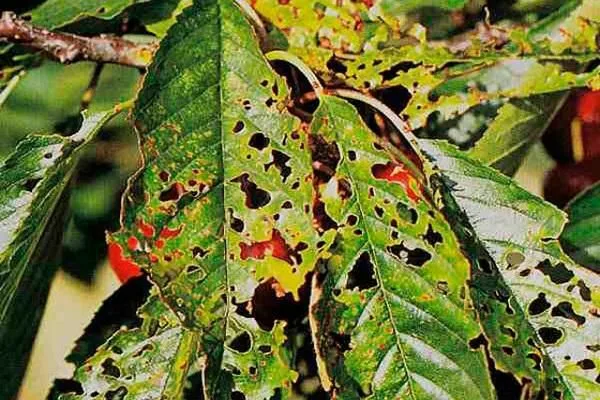
The crop is susceptible to diseases in hot and humid summers, especially fungal diseases that can affect both foliage and fruit. To prevent fungal diseases, treat the plants with fungicides in the spring, which effectively protects against gray mold and clasterosporium.
The main pests of this variety are codling moths, aphids, and mites. Effective aphid control products include:
- Aktara – a systemic insecticide that affects the pest's nervous system, causing paralysis and death. Provides long-term plant protection.
- Fufanon — a broad-spectrum contact and stomach insecticide. Quickly kills insects.
- Spark Double Effect – a combination product containing two active substances, which increases its effectiveness.
- Fitoverm – a biological insecticide based on avermectin. It is environmentally safe but requires repeated treatments.
- Inta-Vir – an insecticide that paralyzes the nervous system. Effective and easy to use.
- Confidor Extra – a contact-systemic drug that causes paralysis of insects and has a long-lasting protective effect.
In addition to chemical preparations, use folk remedies such as tobacco infusion, garlic infusion, or soap solution, but their effectiveness is lower than that of specialized insecticides.
Positive and negative qualities
Reviews of the Collins peach variety
Collins is one of the most sought-after peach varieties, attracting gardeners with its early fruiting and excellent flavor. It quickly gained popularity due to its adaptability and tolerance to various climate conditions. Proper care is essential to ensure high-quality fruit and abundant harvests.