
This peach variety is one of the most attractive for gardeners seeking a reliable and productive plant. It combines excellent flavor and high winter hardiness, making it an ideal choice for growing throughout Russia. It's important to follow the care recommendations to maximize productivity and produce high-quality fruit.
History of variety selection
Created by specialists from the Ukrainian Research Institute of Horticulture, it was bred in 1939 by crossing the Kashchenko 208 and Gross Mignon varieties.
The aim of development was to create a variety that is cold-resistant and suitable for growing in harsh climatic conditions.
Description of the Kyiv Early peach variety
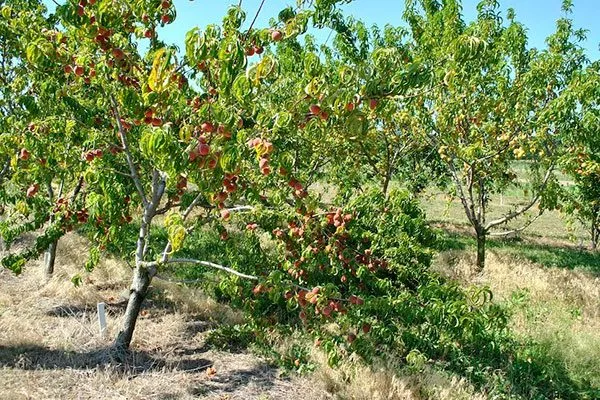
The trees are characterized by a dense, rounded crown. Plants do not exceed 4 meters in height. After five years, shoot growth slows.
Other characteristics of the variety:
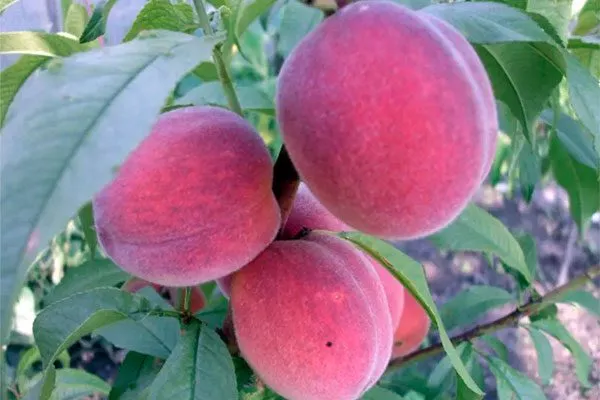
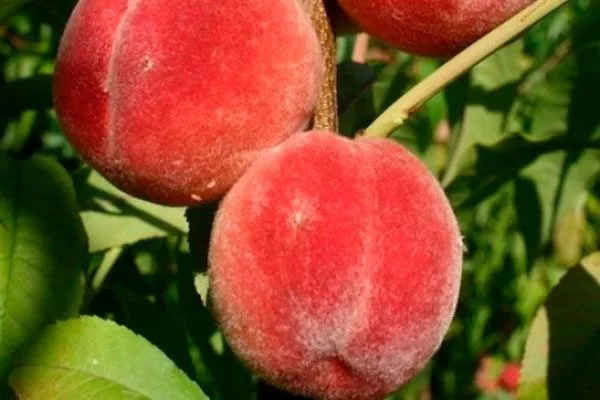
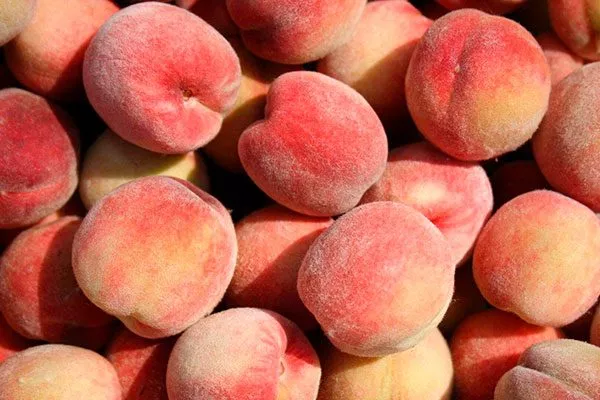
- The fruits are round-oval in shape, slightly flattened, and the skin is cream-colored with a scarlet blush.
- The peel is moderately pubescent and has a noticeable ventral suture. It is covered with fine, light-colored hairs and is thin but firm, making it easy to eat fresh.
- The weight of one fruit varies from 60 to 80 g.
- The flesh inside is white and translucent. The consistency is firm, and the medium-sized pit is difficult to remove.
- The ripe fruit's flavor is predominantly sweet with a slight, pleasant tartness. The tasting score is 4.4-4.6 out of 5. The flavor is complemented by a pleasant fruity aroma.
Flowering begins in May. The flowers are medium-sized, with delicate pink petals. The flowering period lasts 10-12 days, significantly enhancing their decorative qualities, turning the trees into a vibrant garden decoration.
Characteristics
This crop is attracting the attention of Russian breeders due to its many positive attributes. It's important to carefully study its characteristics to avoid potential difficulties.
Drought resistance, frost resistance
This variety is considered a benchmark for winter hardiness, withstanding temperatures down to -26-27°C. Even if frostbitten, the tree does not require uprooting, as it quickly recovers and is ready to bear fruit the following year.
However, this variety does not tolerate drought well, which is confirmed by numerous reviews.
Does the variety need pollinators?
It is self-fertile, but requires pollinators to ensure a bountiful harvest. Experienced gardeners recommend planting the following varieties nearby for pollination: Velvet, May Flower, Favorite Moretini, Redhaven, and Greensboro.
Productivity and fruiting
The fruit ripens in mid-July. Trees begin bearing fruit in the third year after planting in open ground.
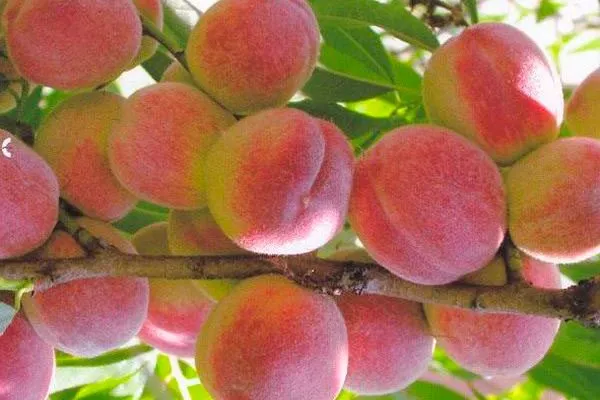
The yield is high – with good care, one tree can produce 30 to 45 kg of peaches.
Application of fruits
The dense skin ensures good transportability. The fruit easily withstands long-distance shipping without damage in the container.
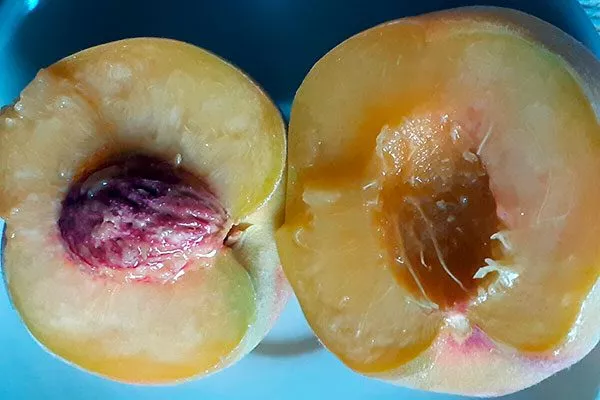
They are eaten fresh and used to make preserves, marmalade, and compotes. Part of the harvest is used to make candied fruit and marmalade.
Rules for planting peaches
The Kyiv Early peach grows well in various soil types, but is sensitive to light levels and wind exposure.
Recommended timeframes
Saplings are not as frost-resistant as mature trees and take root better in the spring. The optimal time for planting is mid-April, but preparations for planting should begin as early as the fall.
Choosing a suitable location
When choosing a site for cultivation, the main constraint is soil waterlogging. Groundwater must be at least 1.5 meters deep.
Lighting is important – peach trees need to receive sufficient sun. Protect young seedlings from strong winds.
- ✓ The depth of groundwater should be at least 1.5 m to prevent rotting of the root system.
- ✓ The area should receive at least 6-8 hours of direct sunlight per day for optimal growth and fruiting.
Purchase and preparation of planting material
When purchasing young plants, look for cracks, spots, and dried areas on the trunk and shoots. Healthy seedlings should have a well-developed root system, with roots at least 30 cm long.
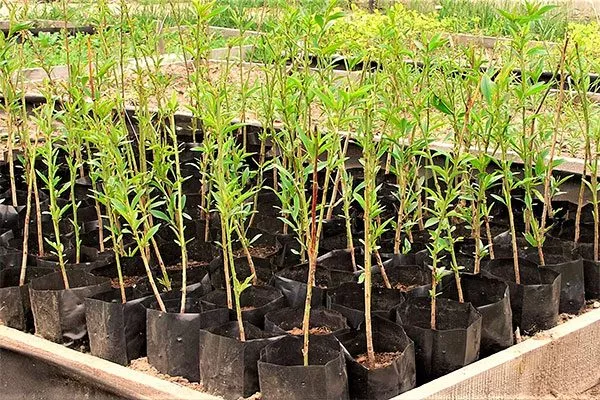
Landing algorithm
Before digging planting holes, prepare the soil: dig over the soil, remove weeds and dry leaves, and then water thoroughly. For fertilization, use the following mixture per square meter of soil:
- potassium chloride – 100 g;
- humus – 12-15 kg;
- Superphosphate – 150-200 g;
- ash – 300-400 g.
After applying fertilizer, wait 15-20 days before planting. The procedure involves the following steps:
- Dig planting holes measuring 40x40x40 cm, mix the top layer of soil with fertilizer - peat or humus.
- Fill the bottom of the hole with drainage material made of gravel or broken brick, the layer should not exceed 10 cm.
- Place a peg with a diameter of 5 cm and a height of at least 1.5 m in the middle of the hole.
- Pour a mound of soil mixture onto the drainage, place the seedling and tie it to the post.
- Spread the roots over the hill, cover with soil, compact and water (20-30 liters of water is enough).
- Finish planting by mulching with a mixture of peat and sawdust in a 5 cm layer.
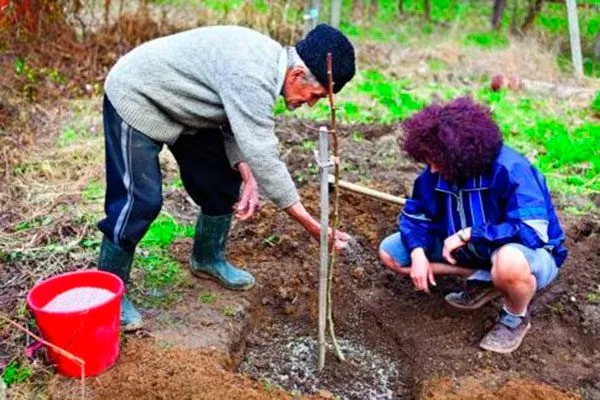
Avoid planting the seedling too deeply to prevent the trunk bark from dying at ground level. The plant's crown should be above soil level.
Aftercare for peach
Kyivsky Ranny is a less demanding variety than other peach varieties. Regular watering and disease prevention are sufficient for its normal development.
How to fertilize?
For the first two or three years after planting, the plant doesn't require additional feeding. Then, in the spring, fertilize with ammonium nitrate or urea, and in late summer or early September, with potassium salts and superphosphate.
How to water?
Provide regular watering and keep the soil moist, but avoid overwatering to avoid root rot.
Water the tree once every 10 days, using 40 liters of water. Monitor watering during the fruiting period.
Trimming
After planting the seedling, prune it annually in the spring. Remove frozen, broken, and diseased branches. If necessary, thin the crown to ensure sufficient light for fruiting.
How to insulate a peach tree for the winter?
The Kyivskiy Ranniy variety boasts exceptional frost resistance, withstanding temperatures down to -26-28°C. Even if the trees are damaged by frost, they are able to recover and produce a bountiful harvest again the following year.
Helpful tips:
- Begin preparing for frost after the leaves have completely fallen. Water the trees generously and cover the soil around the trunk with mulch made from compost and sawdust.
- During severe frosts, the bark may crack. In such cases, clean the damaged areas and apply crushed horse sorrel to them, changing the dressing as needed.
- To protect the trunk from harmful insects, use a mixture of 1 kg of mullein, 1 kg of clay, and 200 g of lime. For better winter hardiness, wrap the trees in agrofibre.
- In central Russia, winter shelter is not necessary, as plants can survive frosts without additional measures. However, it's best to cover the roots with 10 cm of mulch.
In some regions, it's best to completely cover young saplings. Tie the branches tightly and erect a shelter-like structure around the tree while its growth allows.
Protecting peaches from diseases and pests
The plant has strong immunity to most fungal diseases, but is susceptible to leaf curl. Prevention involves treating the trees with chemicals or homemade solutions.
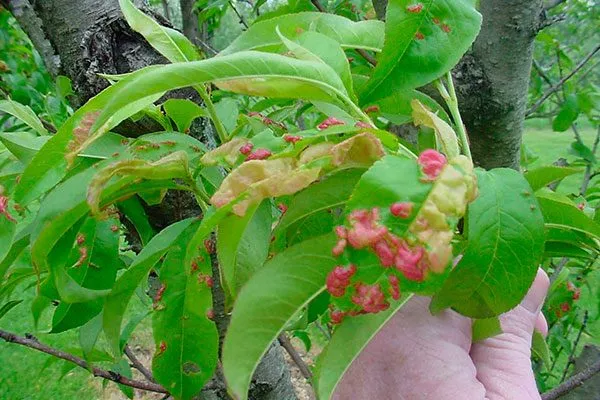
Initial signs of the disease include coarsening of leaves, buds, and young shoots. Later, the foliage curls and turns red.
For spring prevention, treat the tree with Skor, diluting 2 ml of the product in 10 liters of water. Apply twice, 20 days apart.
Harvesting and storage rules
Pick the fruit when it's fully ripe, when it has acquired its characteristic color. It should feel firm to the touch, but not too hard. Pick the fruit by hand, carefully, to avoid damaging the skin and preventing it from falling to the ground.
Helpful tips:
- If you plan to store or transport them, it is better to pick them slightly unripe so that they can ripen during storage.
- To preserve freshness, harvest in the early morning or late evening when the air temperature is lower and the fruit has not yet been warmed by the sun.
- Before storing, select only those specimens that are undamaged and show no signs of rot. Consume damaged fruit immediately or process it.
- Store the harvest at a temperature of +1…+2°C and a relative humidity of 85-90%. These conditions will keep the fruit fresh for up to two weeks. Ensure good ventilation in the storage area to prevent ethylene buildup and over-ripening.
- At home, store in the refrigerator's crisper drawer. Wrap each piece in paper or place it in a ventilated container.
For long-term storage, cut them into slices, place them in containers or bags, and freeze. They are also suitable for canning: compotes, preserves, jams, and more.
Positive and negative qualities
Before planting a crop in your garden, it's important to consider the pros and cons. This will allow you to prepare for potential consequences.
Reviews
The Kyivskiy Ranniy peach is a popular variety offering numerous advantages to gardeners. Its frost resistance and ability to recover from frost damage make it especially valuable for regions with cold winters. However, it requires careful care to ensure a bountiful harvest.