
Dwarf peaches, smaller trees with compact crowns, are becoming increasingly popular among gardeners and fruit lovers. These unique plants offer a number of advantages that make them an ideal choice for gardens and vegetable plots. There are popular varieties with many distinctive features.
Signs of peach dwarfism
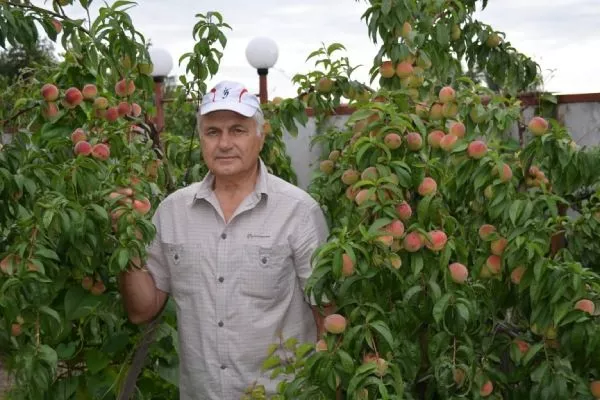
Columnar peach varieties get their name from their narrow, column-like crowns. These plants are low-growing, typically reaching no more than 1.5-2 meters in height. Breeders have developed frost-resistant, high-yielding varieties that are also used for ornamental purposes.
They don't require much space to grow, and they're renowned for their excellent flavor and disease resistance. Growing them is quite simple, even for beginners.
The most popular varieties of columnar peaches
Breeders are constantly developing new varieties of dwarf peaches. Below are some popular varieties that have received positive reviews from gardeners and homesteaders.
| Name | Ripening period | Tree height | Fruit color |
|---|---|---|---|
| Snow White | late | up to 2.5 m | light yellow with a blush |
| White swan | mid-late | 2.5-3 m | white and cream with a pink blush |
| Voronezh bush | mid-season | up to 50 cm | bright orange with a burgundy side |
| Golden Triumph | not specified | 1.4-1.5 m | orange-yellow with a dark red blush |
| Michurinsky | end of summer | up to 2 m | pink with a scarlet blush |
| Ruby 7 | mid-August | not specified | dark red |
| Nectarine Rubis | not specified | up to 1.7 m | bright yellow with a burgundy tint |
| Royal Pride | third ten days of August | 2.5-3 m | dark crimson |
| Saratov early | beginning of August | not specified | pale yellow with a carmine-red blush |
| Gardener's totem | the second half of July | 1.2-2 m | yellow-red |
| Uralets | end of August | not specified | yellow with a blush |
| UFO-4 | end of July - beginning of August | up to 2.5 m | reddish-burgundy |
| Flamingo | end of July - beginning of August | 1.5-2 m | light cream with a raspberry-carmine blush |
| Fruit me Icepeech | end of July - beginning of August | about 1.5 m | creamy white with a raspberry-carmine blush |
| The capital's anniversary | July | 1.8-2 m | carmine |
Snow White
A hybrid obtained from the seeds of the Elbert variety through open pollination, this low-growing, dwarf tree can reach a height of up to 2.5 m. It is characterized by the following features:
- Crown – spreading, makes it very attractive for landscape design.
- Escapes – painted in a purple-burgundy hue.
- Leaves - elongated-lanceolate and medium-sized.
- Fruits – Large, juicy, and aromatic, they are light yellow with a blush on one side.
- Pulp – white, very tender and sweet.
- Taste - Refreshing, with the perfect balance of sweet and sour.
This variety is late-ripening, with fruits ripening in the second ten days of September. The yield is approximately 30 kg per plant.
White Swan or White Lebedeva
It is characterized by a mid-late ripening period, occurring in mid- to late August. The tree grows to 2.5-3 m in height, characterized by a branched, spherical crown that tends to spread.
Features of the culture:
- Foliage – dark green, lanceolate, slightly concave towards the center.
- Flowers – with a rich aroma and long stamens.
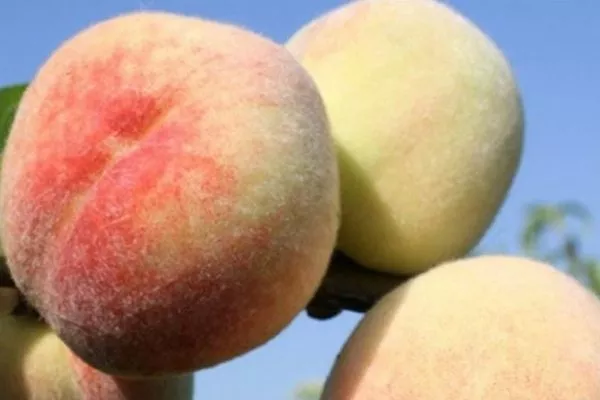
- Fruits – round in shape, weighing 145-155 g. A bright pink blush stands out against a white-cream background.
- Pulp – juicy and tender, with a honey flavor, almost devoid of sourness.
This variety is early-bearing. The first fruits begin to be picked from the trees when they reach three years of age. White Swan bears fruit in late March to mid-April.
Voronezh bush
This is a mid-season variety. It's a low-growing plant that forms a bush, with its central stem no taller than 50 cm. Characteristics:
- Trunks – flexible, painted dark brown.
- Leaves - oblong in shape and light green in color with slight teeth along the edges.
- Fruit shoots – thin and elastic, similar in color to the main trunk.
- Flowers – large, soft pink, each one produces ovaries.
- Fruits – medium, round, weighing up to 115 g.
- Pulp – It is dark yellow in color, porous and juicy.
- Peel - thin with slightly short pile, hard.
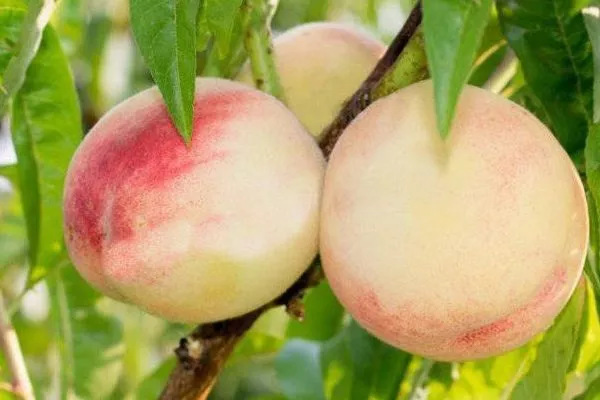
- Fruits – At technical maturity they are yellow-green in color, and at biological maturity they become bright orange with a dark burgundy side.
- Taste - with a slight sourness and aroma characteristic of the culture
This variety belongs to the Brugnons family; its stone is large and does not separate from the pulp. Harvesting takes place in mid- to late September, depending on the weather. A single tree can yield 20-30 kg of fruit.
Golden Triumph
The plant is short, reaching 1.4 to 1.5 m, and has a compact, cylindrical crown. Distinguishing qualities of the variety:
- Leaves - Lanceolate, dark green with a pointed tip. The leaf blade margin is wavy and finely toothed, the central vein is clearly visible, and the lateral branches are less noticeable.
- Flowers - large, fragrant, pink in color.
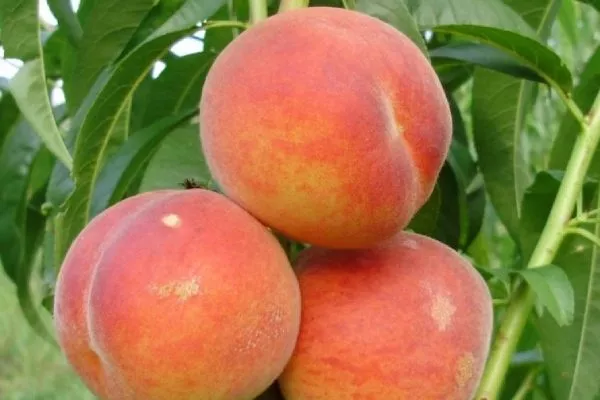
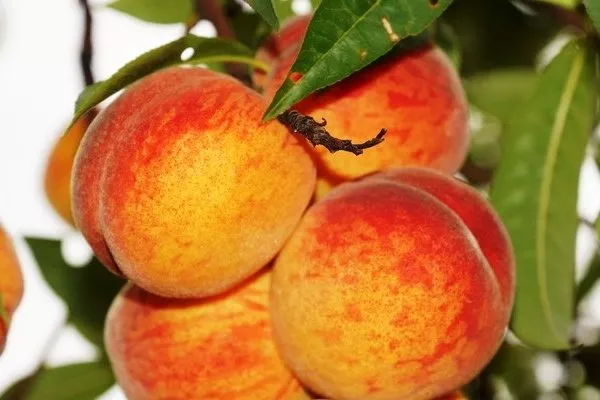
- Fruits – Round, weighing 255-280 g, they are covered with a thick, medium-hairy skin. They have an orange-yellow base color with a dark red or burgundy blush that covers almost the entire surface.
Michurinsky
The trees reach a height of up to 2 m. Their crown is relatively broad, with medium branching. Characteristics of the culture:
- Leaves - narrow with serrated edges.
- Flowers - pink, 3 to 4 cm in diameter.
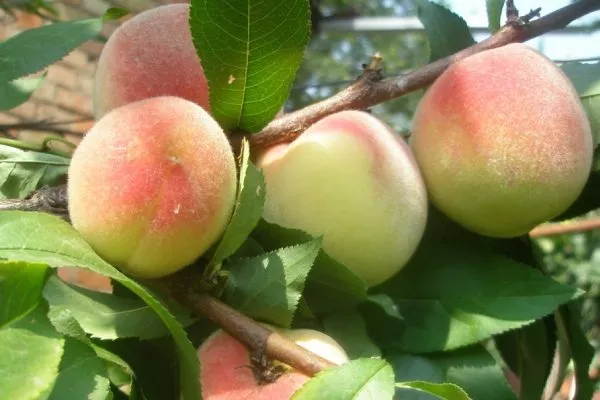
- Fruits – Round-oblong, pink, with a scarlet blush on the surface. One fruit weighs approximately 80 g.
- Peel – medium thickness.
- Pulp – juicy, with fibers.
Ripening occurs in late summer. The first harvest can be collected 2-3 years after planting. In good years, a single plant can yield up to 200 kg of peaches.
Ruby 7
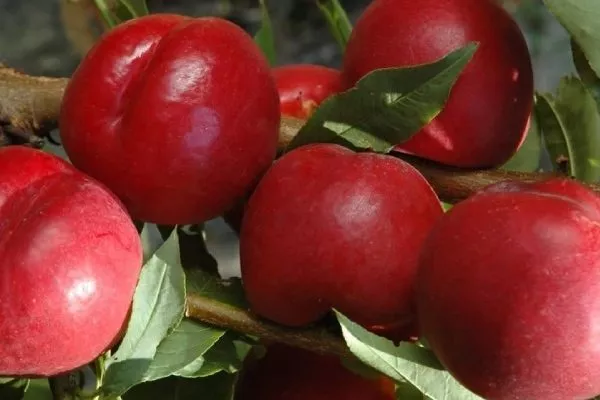
Nectarines are distinguished by their round shape and dark red color. They can weigh up to 160 g. Such large fruits often lack rich flavor and juiciness, but this variety is a pleasant exception. The flesh is yellow with reddish hues near the pit. It is juicy and sweet, and the flavor is rich and pleasant.
Ripening occurs in mid-August. Thanks to its high yield, the first harvest can be expected as early as the second or third year after planting. The fruits are eaten fresh or used for canning.
The variety is self-fertile, which makes it much easier to grow and allows for good harvests without the need for other plants for pollination.
Nectarine Rubis
This is a low tree, reaching a height of up to 1.7 m, although it most often grows to 1.2-1.5 m. It is distinguished by the following qualities:
- Crown – up to 50 cm in diameter.
- Escapes – fit tightly to the trunk.
- Leaves - narrow, long and bright green.
- Flowers - large, pink, fragrant.
- Fruits – weigh up to 250 g.
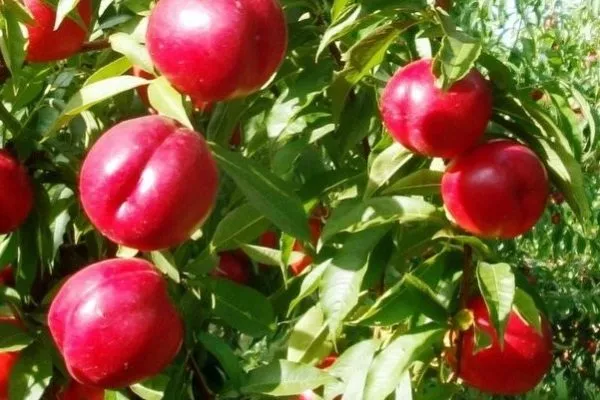
- Peel - smooth, bright yellow with a burgundy hue and a slight shine.
- Pulp – juicy, golden, aromatic.
- Bone - easily separated from the pulp.
- Taste - sweet and pleasant.
The yield is high, with an average of 7-8 kg harvested from a single tree. A full, early-bearing harvest can be obtained in the second or third year after planting.
Royal Pride
The tree is short, reaching 2.5-3 m in height. The fruits are round and weigh about 190 g. Their skin is a rich, dark crimson color. The yellow flesh has a firm texture and is very juicy.
The flavor is sweet, and the delicate pineapple aroma makes it even more appealing to fruit lovers. The seed is small and barely separates from the flesh, if at all.
Peaches begin to bear fruit 3-4 years after planting, usually in the third ten days of August. This is the optimal time to harvest ripe and juicy fruits.
Saratov early
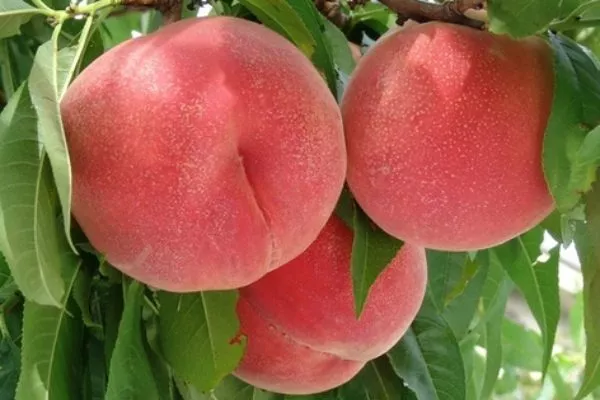
This is a low-growing tree with a bushy crown, adorned with delicate pink flowers in spring. The fruits are pale yellow, while unripe ones appear greenish-yellow with a washed-out carmine-red blush on the sunlit side. They weigh approximately 100 g.
The flesh is creamy, aromatic, and dessert-like. It's quite firm and juicy. Fruiting begins in early August. This variety is highly productive—with proper care, a single tree can yield approximately 50-60 kg.
Gardener's totem
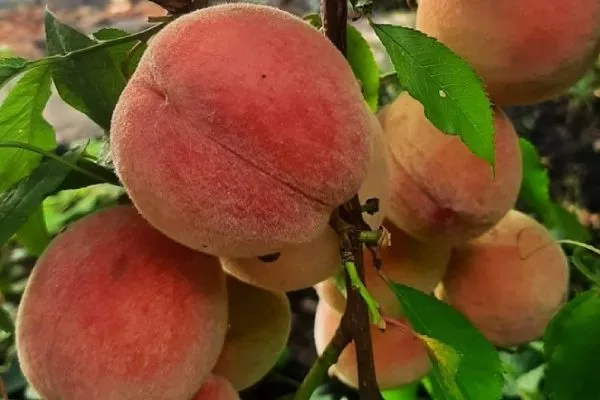
The rounded, neat crown forms a small tree growing from 1.2 to 2 m tall, with green leaves. Other characteristics of the variety:
- Fruits – round in shape, weighing from 280 to 300 g, colored yellow-red.
- Pulp – light, juicy.
- Bone - small, easily separated from the pulp.
- Aroma – pleasant and refreshing.
- Taste - dessert, sweet.
This variety is known for its early fruiting, beginning to bear fruit within 2-3 years of planting. It produces fruit in the second half of July. Yields can reach up to 15 kg per tree.
Uralets
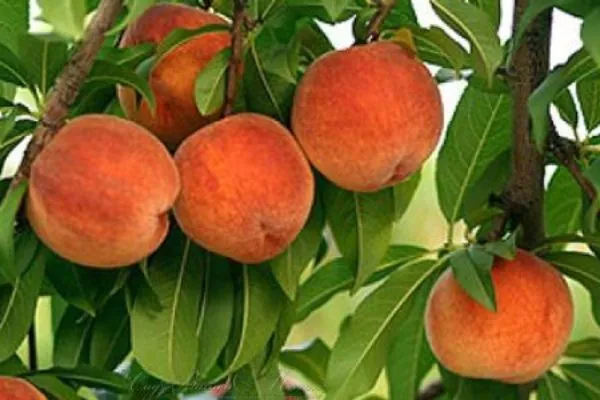
A table variety developed by V. A. Golubev and S. A. Nikitin from Nizhny Tagil. It is distinguished by its high yield, excellent transportability, and fruit quality. Fruits are yellow with a beautiful blush. They weigh approximately 120-140 g. The flesh has a pleasant sweet-tart flavor.
The Uralets is renowned for its early fruiting: trees begin bearing fruit as early as the third year after planting. Flowering occurs in May, and the fruit ripens by the end of August. Fruiting occurs annually.
UFO-4
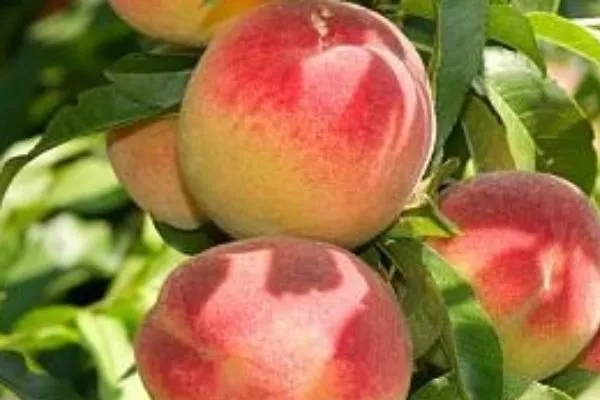
This is a low tree that can reach a height of up to 2.5 m. It has the following distinctive features:
- Crown – compact.
- Leaves - large, green.
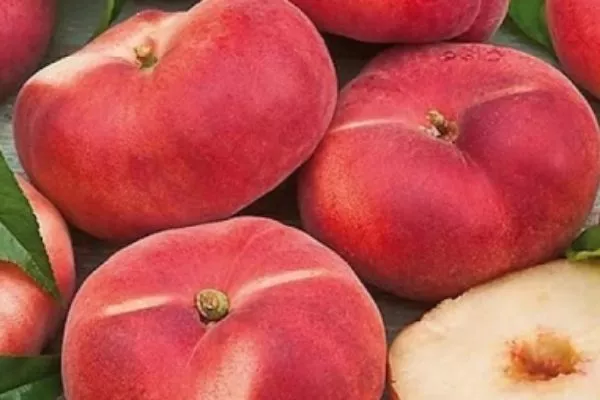
- Fruits – Flat-shaped, with a diameter of approximately 80-100 mm and a reddish-burgundy color, each fruit weighs between 120 and 130 g.
- Pulp – light yellow, juicy and fleshy, with a wonderful sweet taste and aroma.
- Bone - easily separated.
The peach blossoms in spring, and fruiting begins in late July and continues until early August. This variety is highly productive.
Flamingo
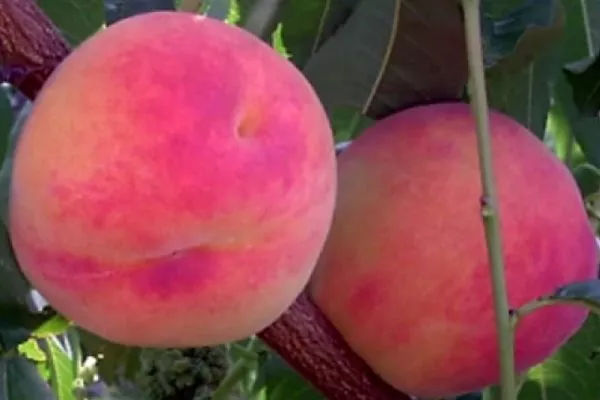
This low tree, reaching a height of 1.5 to 2 meters, is a dwarf or semi-crown form. Its flowers are charming and add a special charm to the tree.
Fruit characteristics:
- Coloring – light cream color with a washed-out raspberry-carmine blush on 20% of the surface.
- Form - broadly oval.
- Weight - varies from 140 to 180 g.
- Peel - It's not removable, and the fur is light and suede-like. The ventral seam is medium and deepens towards the apex.
- Pulp – white, juicy and has a characteristic cartilaginous texture.
- Taste - sweet, harmonious, with moderate acidity.
The variety begins bearing fruit in the third year after planting. Flowering occurs in the spring, usually in April or May, and the fruits ripen in late July or early August. The average yield is 200 to 240 centners per hectare, or approximately 50 kg per tree.
Fruit me Icepeech
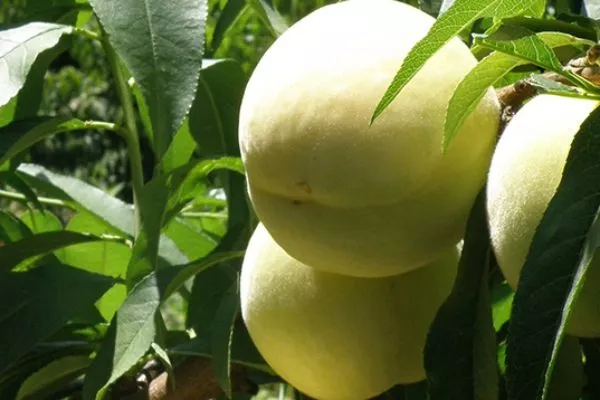
It reaches a height of about 1.5 m. The leaves are dark green, lanceolate, and glossy. One of the highlights is the beautiful flowering period in early May, when the tree is adorned with large, white-pink flowers reminiscent of apricots.
Characteristic features of the fruits:
- Form - rounded.
- Weight - varies from 150 to 300 g.
- Peel - velvety, shiny.
- Color - creamy white with a raspberry-carmine blush on 20% of the surface.
- Pulp – fleshy, tender, juicy, creamy in color.
- Taste - sweet, with a hint of creamy and vanilla aroma.
The variety boasts a high degree of self-pollination and good yield. Fruit ripening begins in late July to early August, and its good transportability and longevity make it attractive for commercial cultivation.
The capital's anniversary
This semi-dwarf tree reaches a height of 1.8 to 2 meters, with a narrow crown composed of short branches, giving it a columnar shape. The leaves are green and small. The flowers are lush and fragrant, but the variety is prone to leaf curl.
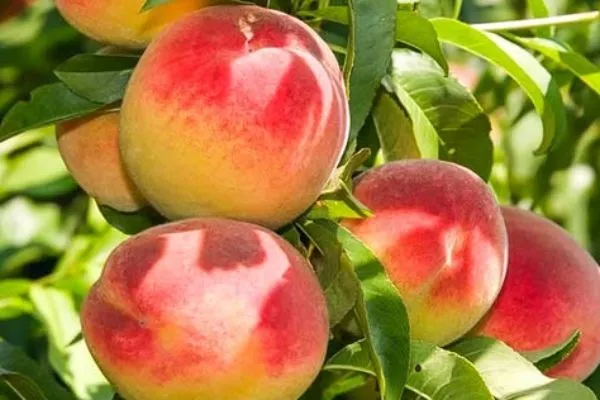
Peaches have thin, smooth skin with minimal hairiness. The flesh is firm, yellow-orange. They weigh between 150 and 250 grams. The fruits are large, round, with a distinct seam, and are carmine-colored when fully ripe. They have a dessert-like flavor and aroma.
The peach blossoms in May and ripens in July, making it an early-ripening variety. The harvest is collected from the current year's shoots. The yield is high—on average, 10 to 12 kg of fruit is harvested from a single plant.
Peculiarities of growing dwarf peaches
Young seedlings are often used for planting, with particular attention paid to their quality and cost. When choosing them, it's important to pay attention to their appearance and root system development. Planting is done in late fall or early spring, before the growing season begins.
Landing rules
To ensure successful growth and development, the plant requires sufficient sunlight, so it's best to choose a location on the south side of the plot. Follow these guidelines:
- Avoid shade areas created by other trees, buildings or structures.
- Avoid planting peaches in swampy areas or areas with high water tables.
- Start preparing the soil well in advance. Clear the area where you'll plant your peach tree, remove any weeds or debris, then dig and add compost or well-rotted manure to the soil. This procedure is best done in the fall if you plan to plant the tree in the spring. If planting in the fall, prepare the soil at least a month in advance.
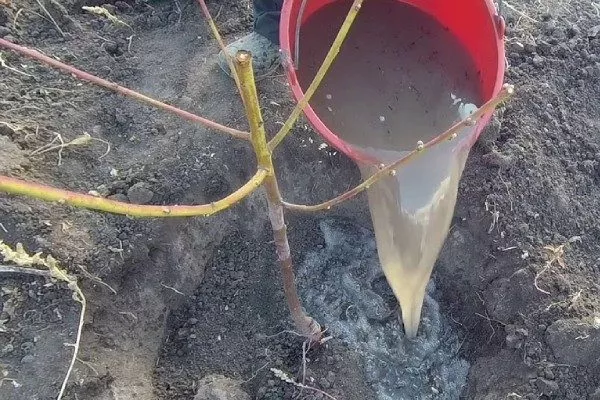
- Dig a planting hole appropriate for the size of the seedling's root system. Typically, this hole is about 50 cm in diameter and 50-60 cm deep.
- Place a 7-10 cm thick drainage layer of brick, crushed stone or expanded clay at the bottom of the hole, then add fertile soil.
- Place a wooden stake in the middle of the hole.
- Place the seedling vertically and carefully cover it with soil, compacting it lightly.
- Water the planting circle generously.
Basics of care
For columnar peach trees, it's important to provide regular fertilizing, preferably without chemical fertilizers. Follow these steps:
- At the beginning of spring, apply 700 g of urea diluted in 10 liters of water under the roots.
- From flowering until fruiting, spray the plant weekly to prevent pests and diseases. A natural solution, such as a decoction of lemon balm, burdock, red pepper, and orange peel, with some laundry soap added to retain the moisture, works well.
- Autumn feeding should be complex and consist of a mixture of organic matter with a 10% urea solution.
- All fertilizing and spraying should be carried out in dry weather, preferably in the evening or morning hours.
- ✓ Use organic fertilizers at the beginning of the growing season to stimulate growth.
- ✓ Foliar feeding with microelements increases resistance to diseases.
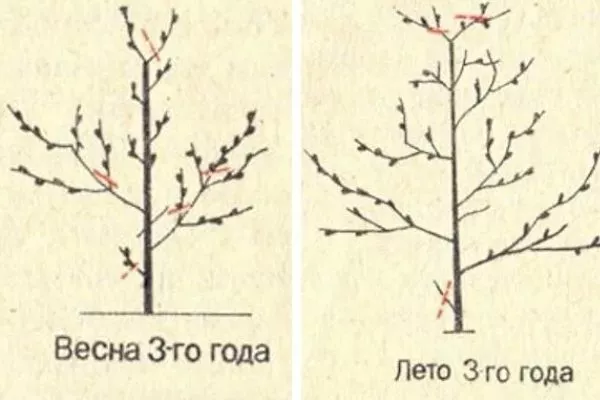
In addition, regular watering and soil loosening are essential for crop maintenance. Using a good mulch will help reduce the frequency of these procedures. A 10-15 cm layer of hay or straw is recommended to help retain moisture in the soil and ensure a loose structure.
Selection criteria
When choosing a columnar peach, it's important to consider certain criteria. Focus on the following:
- Variety. Choose a variety suitable for your climate and growing zone.
- Condition of the seedling. It should be healthy, strong, and have a well-developed root system. Avoid plants with damaged roots or signs of disease.
- Fruits and their characteristics. Evaluate their size, shape, color, flavor, and yield. Choose a variety with fruit that matches your preferences and growing goals.
Consider the specific characteristics of your site, such as soil type, moisture level, climate, and water availability for irrigation. Choose a peach variety that is best suited to your local conditions.
Pros and cons of dwarf peaches
A tree with this crown type has a number of advantages and disadvantages. One of the main advantages is its compactness. The trees take up little space, unlike two-year-old seedlings of other garden crops. Furthermore:
Plants have significantly fewer disadvantages:
Reviews
Dwarf peaches are beautiful plants and a source of delicious, juicy fruit right in your garden. Their compact size and high yield make them an ideal choice for those with limited space or who prefer the convenience of growing. By choosing the right variety and following the care recommendations, you'll be able to produce high-quality fruit.