
The Cardinal peach is an old American variety with a bright red blush and excellent flavor. It's quite hardy, adaptable to a variety of conditions, and winter-hardy. It's an excellent choice for any garden or summer cottage.
Breeding history
The Cardinal variety was developed in the late 1990s by American breeders. This peach is quite popular among Russian gardeners, but it is not included in the State Register.
The Nikitsky Botanical Garden is the originator of this variety in Russia. The Cardinal variety has highly adaptable qualities, so it is cultivated in various climatic zones of Russia.
Description of the tree
The tree is medium-sized, reaching a maximum height of 2.5 m. The crown is rounded, slightly raised, and dense. The branches are strong, brownish-brown, with medium foliage. The leaves are bright green, elongated and pointed, and the root system is well developed. The flowers are large, bright pink, borne solitary or in small clusters.
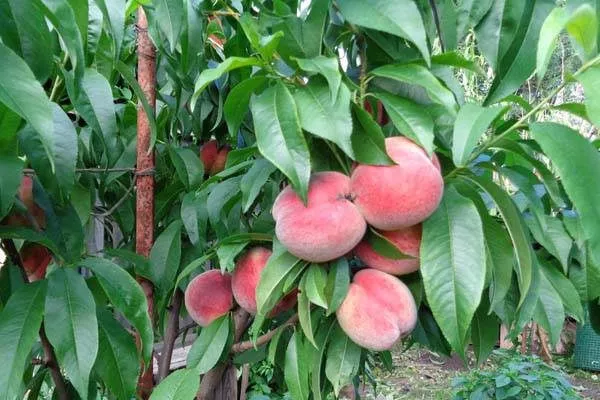
Description of fruits
The fruits are medium-sized, weighing an average of 150 g. They are round in shape, slightly flattened on the sides. The skin is fairly thin and pubescent. There is a faint ventral suture on the surface of the fruit.
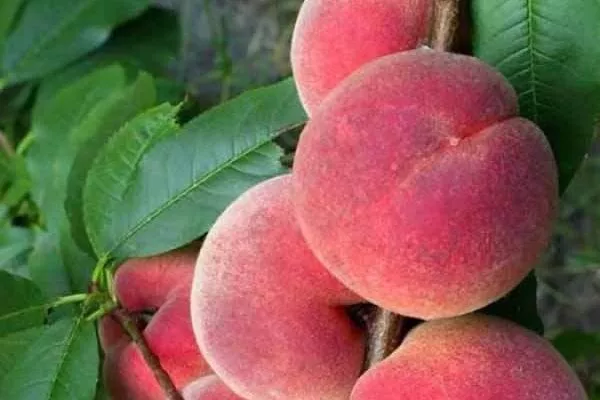
Uses and taste of fruits
Cardinal peaches are eaten fresh and processed. Ripe peaches are used to make juices and compotes, fillings for various baked goods, and jams and preserves. Ripe peaches have a sweet, slightly tart flavor. The aroma is rich and fruity.
Characteristics
The Cardinal peach is an early-ripening, self-fertile variety, suitable for growing in temperate climates. It blooms in late April and lasts a week or so. A single tree yields 30-35 kg of peaches. Fruiting begins in the third year after planting.
Pros and cons
The Cardinal variety has quite a few advantages that our gardeners and summer residents simply couldn't help but notice, but there are also some minor drawbacks that are worth knowing about in advance.
Pros:
Cons:
Landing features
When growing peach trees, proper planting is crucial. Successful planting determines the tree's growth, development, and yield.
Landing features:
- Select 1-2 year-old seedlings no more than 1.5 m tall. The maximum number of branches is four. The roots should be moist but free of rot. The roots of transported seedlings are wrapped in a damp cotton cloth.
- Before planting, the surface of the trunk is covered with paraffin, which protects the trees from pests and the scorching sun.
- Plant on a slightly elevated site. The area should be well-lit and protected from strong north winds. Groundwater levels should not rise higher than 2 meters above the soil surface. Excessive moisture leads to root rot.
- The Cardinal peach grows best in light, sandy loam soils with neutral or low acidity. If planting in heavier soils, ensure adequate drainage.
- When planting several trees, maintain intervals of about 3 m between adjacent seedlings.
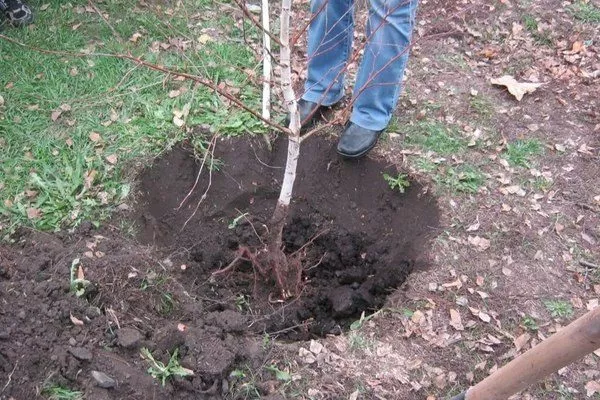
- The holes are prepared at least 3-4 weeks before planting. The optimal size is 60x70 cm. Place crushed stone at the bottom and a soil mixture with fertilizer on top.
- The roots of the seedling are carefully spread out as it is placed in the hole. The tree is placed in the planting hole so that its root collar is 5 cm above ground level.
- The soil is compacted around the seedling's roots, then watered with settled water. The peach is tied to a support previously installed in the hole. The area around the tree trunk is mulched with peat, humus, straw, sawdust, etc.
How to care?
To get a good harvest, the peach tree needs to be looked after - watered, pruned, fed, and sprayed when necessary.
Care features:
- Young seedlings are watered as the soil dries out. Over time, the frequency of watering decreases. During dry periods, the tree is watered every two weeks. A mature tree is watered 3-4 times per season. The water should penetrate to a depth of half a meter.
- In spring, nitrogen-containing fertilizers are applied to the tree; in summer, it requires potassium and phosphorus. In autumn, organic matter is scattered around the trunk. The tree is fertilized three times per season. In May, urea, superphosphate, and potassium complex can be applied.
- Formative pruning is performed in the spring. This helps shape the tree's crown into a cup-shaped form. Sanitary pruning is also performed in the fall and spring, removing damaged, frozen, dry, diseased, broken, and inward-growing branches.
The crown is formed over the course of five years. The crown is thinned annually, and young shoots are shortened by 10-15 cm—this procedure is called pinching. - The tree trunk area is regularly loosened, taking care not to hoe deeper than 5-6 cm to avoid damaging the surface roots. Weeds are removed simultaneously with loosening.
Diseases and pests
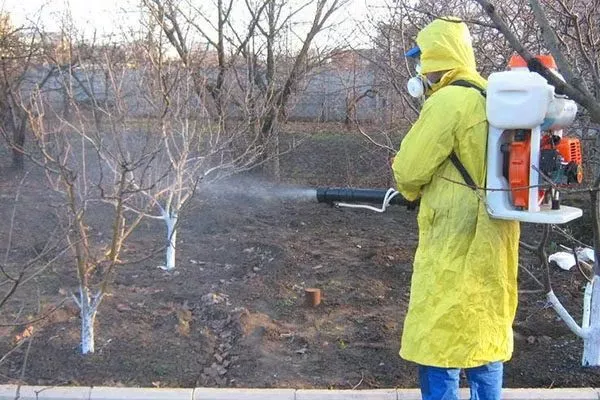
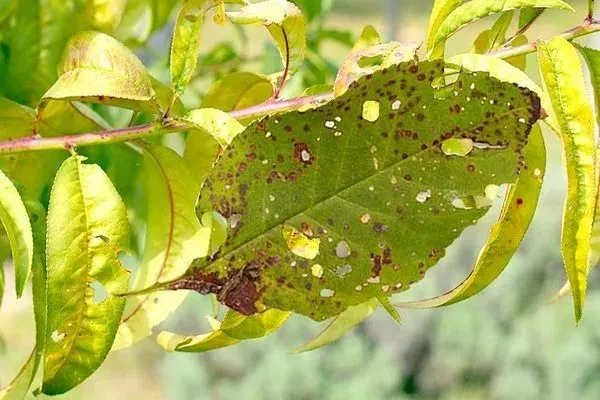
The variety is resistant to various infections, but preventative measures are helpful. To prevent diseases, the tree is treated with fungicides. The first spray is before flowering, then after flowering, and a week after the second treatment. Treatments are carried out with Skor, Horus, and other fungicides.
Among the most dangerous pests of the Cardinal peach are aphids and weevils. When these appear, the tree is sprayed with systemic insecticides. Overall, this variety is rarely attacked by insect pests.
How to harvest?
Peaches are picked when they reach technical ripeness if they are to be transported or processed. Fully ripe peaches are harvested for eating. These peaches acquire a vibrant varietal color and a rich aroma. Ripening is accomplished by spreading the peaches out on linen or paper. Ripe peaches can be stored in the refrigerator for 7-10 days.
Reviews
Despite its ancient origins, the Cardinal peach is rightfully prized by gardeners. This American variety is not only delicious, but also very hardy, easy to grow, and productive. Having several Cardinal trees in your garden will ensure you have a full supply of delicious and juicy peaches.