
The Cardinal peach is a variety that has gained recognition among gardeners due to its excellent characteristics (read about other excellent varieties Here). It stands out not only for its delicious flavor but also for its high yield and resistance to various climatic conditions. These qualities make it an excellent choice for both experienced and novice gardeners. The key is proper care.
History of variety selection
Created by American breeders in the late 19th century, it has a long history and is popular in our country. Although it is not included in our country's State Register, it has been listed in the Plant Registry of Ukraine since 2013. The Nikitsky Botanical Garden was the originator.
The appearance of the tree
A medium-sized plant, reaching a height of 2-2.5 meters. It has a slightly raised, rounded crown that tends to become dense. The shoots are strong and brownish-brown, and the leaves are bright green, elongated, with pointed tips and serrated edges. It is characterized by a well-developed root system.
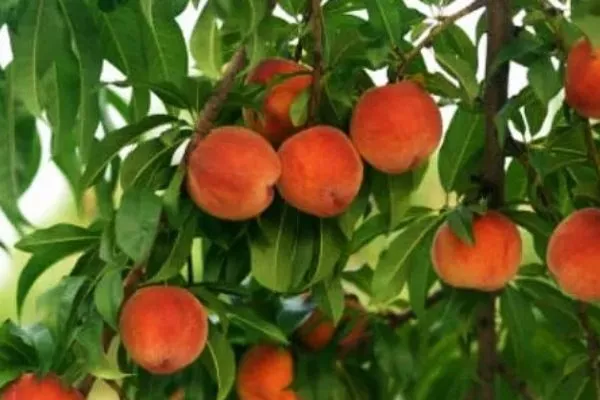
Flowering begins quite early—in the last week of April—and lasts 7-10 days. During this period, the crown is covered with large, bright pink flowers, which can be solitary or gathered in small clusters. Subsequently, each flower develops an ovary.
Fruits and their taste characteristics
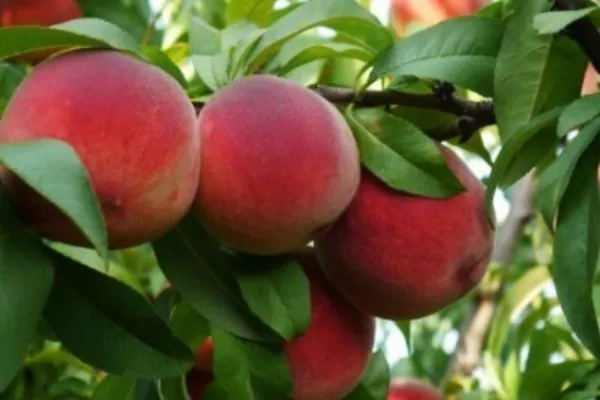
The tree produces medium-sized fruits, typically weighing no more than 140-150 g. They have a standard round shape with slight flattening on the sides. The skin is thin, delicate, and slightly pubescent. The ventral suture is weakly defined.
The fruit's base color is bright yellow, with a washed-out reddish blush that appears as it ripens. Beneath the delicate, difficult-to-peel skin lies the yellow-orange flesh. It's soft, slightly fibrous, fleshy, and very juicy.
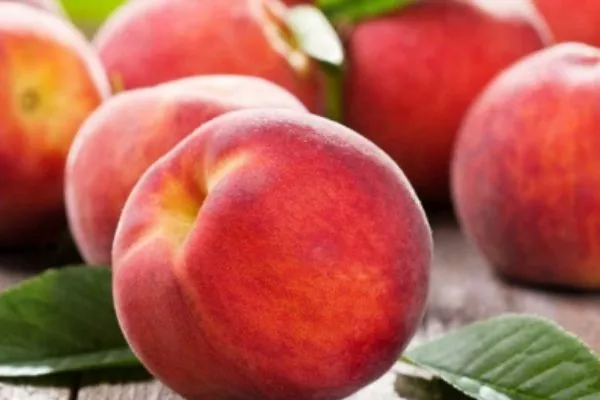
The flavor is sweet with a slight tartness and a rich fruity aroma. The pit is small and easily separated from the pulp.
Self-fertility and pollinators
It is a self-fertile variety, so it does not require additional cross-pollination for fruiting.
Ripening period
The crop is characterized by early fruiting: the first fruits appear in the third year after planting. Throughout the fruiting period, the tree remains consistent, ensuring consistent annual harvests.
Productivity
This variety is prized for its generous harvests. A mature tree produces an average of 30-35 kg of fruit.
Growing and care
Growing and caring for the seedling requires careful attention, as it is sensitive to environmental conditions. Follow these recommendations:
- Choose sunny sites protected from cold winds. Ideally, the soil should be fertile, light, and well-drained. The groundwater level should not be too low to prevent root rot.
- Plant in spring or fall. Prepare the hole in advance, adding organic fertilizers such as humus or compost. Place the seedling in the hole so that the root collar is level with the ground. Then, fill the hole with soil, compact it, and water thoroughly.
- Provide regular watering, especially during active growth and fruit formation. Use warm, settled water, avoiding contact with the leaves and trunk. Don't allow the soil to dry out, but avoid overwatering to prevent root rot.
- ✓ Soil pH should be between 6.5-7.5 for optimal growth of Cardinal peach.
- ✓ The depth of groundwater is at least 1.5 m to prevent rotting of the root system.
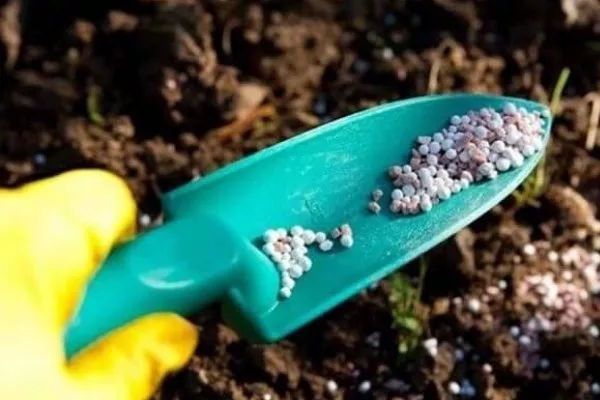
- Fertilize several times per season. In the spring, apply nitrogen fertilizers to stimulate growth; during flowering and fruit formation, apply phosphorus and potassium fertilizers; and in the fall, apply organic matter (humus, compost) and low-nitrogen mineral complexes.
- Regular pruning Pruning is essential for crown formation, preventing overcrowding, and improving sunlight access to the fruit. Pruning should be done in the spring before the sap begins to flow and in the fall after harvest. Remove weak, diseased, and crowding branches, leaving strong, fruit-bearing shoots.
Mulching the soil around the plant helps retain moisture, suppress weed growth, and protect the roots from temperature fluctuations. Use peat moss, straw, or fallen leaves as mulch.
Resistance to diseases and pests
Cardinal lily rarely suffers from insect attacks and is highly resistant to major fungal diseases, including powdery mildew. However, it is susceptible leaf curl, which creates significant difficulties for gardeners.
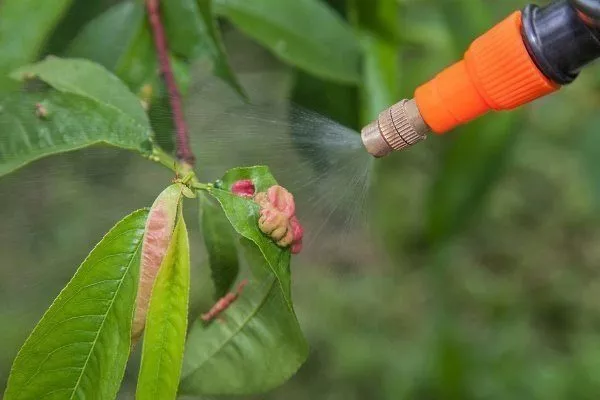
Growing this variety without chemicals is virtually impossible. To protect against diseases and pests, take the following preventative measures:
- After the leaves fall, collect them and burn them.
- Before the onset of frost, dig up the soil around the tree trunks to the depth of a shovel blade so that overwintering pests and pathogens rise to the surface and die from the cold.
- Whitewash the trunks and skeletal branches with lime solution.
- In early spring (before bud break), treat the crown with strong pesticides such as DNOC, Nitrafen, or a 5% solution of copper sulfate or Bordeaux mixture.
- In early spring, before the buds open, treat with copper-containing preparations.
- After flowering, repeat treatment with systemic fungicides.
- In the autumn, after the leaves have fallen, carry out eradication treatment.
Protective measures with systemic fungicides (Horus, Skor, Strobi, Quadris) are carried out in three stages: before flowering, after flowering and a week after the second spraying.
Specifics of wintering
This fruit tree is considered quite winter-hardy. It easily tolerates temperatures down to -20°C. In moderate climates, it survives winters well. To prepare for cold weather, mulch the area around the trunk to help protect the roots from freezing.
Harvesting, use and storage of crops
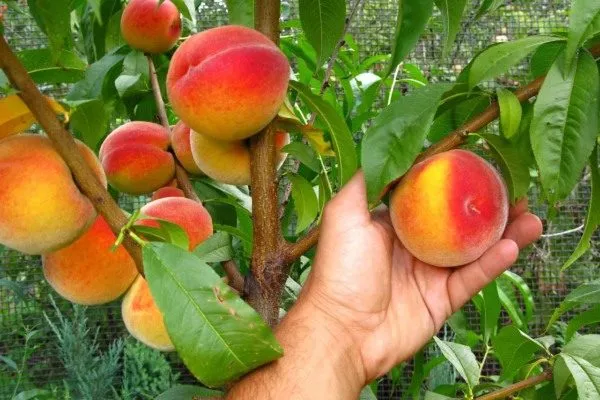
Once the fruit is ripe, pick it carefully to avoid damaging the delicate skin. Eat the harvested fruit immediately or use it to make compotes, juices, jams, and pie fillings.
Peach propagation
You can increase the number of seedlings yourself by choosing the appropriate method. Gardeners recommend the following propagation methods:
- Cuttings. In spring or early summer, take 15-20 cm long cuttings with several buds from the mother tree. Soak them in rooting stimulant, then plant them in a greenhouse or containers with moist soil. Maintain high humidity and temperatures until the cuttings root.
This method allows you to preserve varietal characteristics and obtain finished plants faster. However, it requires control over rooting conditions and may be less effective if the substrate is unsuitable.
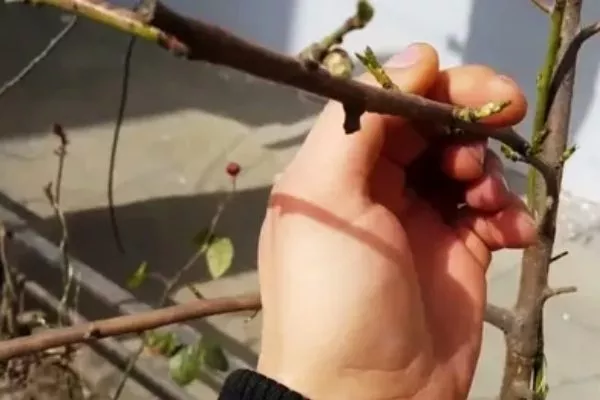
- Graft. Graft the Cardinal peach scion onto a rootstock that is resistant to the conditions in your region. Do this in the spring, when the sap begins to flow. Use various grafting methods, such as copulation or budding.
This method allows for quick production of trees with the desired characteristics, as it uses a proven rootstock. Successful grafting requires specific skills and tools. - Layers. In early spring or fall, select a healthy, flexible branch and bury it in the ground, leaving the top portion above the surface. After rooting, separate it from the mother plant and transplant it to its permanent location.
The method is simple to implement and preserves varietal characteristics. It takes time for rooting to occur and can take several seasons. - Seed method. Remove the pulp from the seeds and dry them. Then, stratify them (cold-treat them) for several months to stimulate germination. Afterward, plant the seeds in prepared soil, observing specific germination conditions.
This method produces a large number of seedlings, but the seedlings may not retain the varietal characteristics of the parent plant, and the process takes longer than other methods.
Each of these methods has its own characteristics and is used depending on the propagation goals and growing conditions.
Positive and negative qualities
The Cardinal peach, known for its incredibly tasty fruits, has a number of significant advantages, but it also has some disadvantages.
Advantages of the variety:
Some gardeners consider the following to be disadvantages:
Reviews
The Cardinal peach is an excellent choice for those seeking a reliable and productive variety with excellent flavor. Its high yield, self-fertility, and versatility make it a valuable addition to any garden. Despite some drawbacks, proper care and preventative measures will help minimize problems and ensure a consistent harvest.