
Canadian Harmony, which translates as "harmony from Canada," is a cultivar distinguished by its cold tolerance, abundant yields, and excellent fruit flavor. The variety was bred in 1968 at the Vineland Agricultural Experiment Station in Canada.
Description of the tree
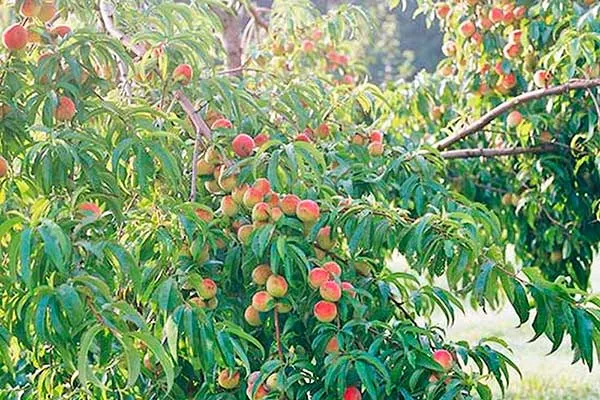
The Canadian Harmony peach tree has a medium height, which varies depending on the rootstock: on a medium-sized rootstock it grows up to 350-400 cm, and on a vigorous rootstock it can reach 500 cm.
Other varietal characteristics:
- the tree trunk is straight, directed upwards;
- the bark has a yellow-brown tint;
- the crown is abundantly branched;
- The leaves are elongated and narrow, with pointed ends and a finely serrated edge, dark green in color, smooth and glossy.
Budding begins in May, when pinkish and whitish flowers bloom on one-year-old shoots. Flowering lasts from 6 to 15 days. The variety reaches its peak fruiting at 10-12 years of age, after which yields gradually decline.
Fruits, their taste properties, use
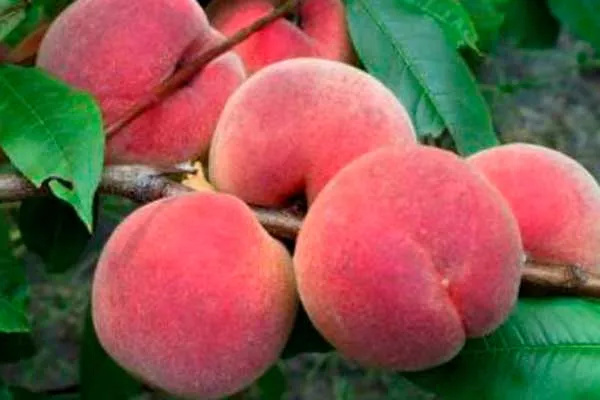
Canadian Harmony peaches are impressive in size, weighing between 200 and 300 g. Features:
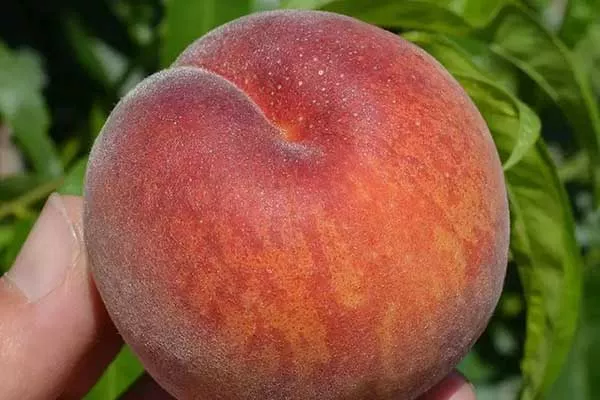
- The fruits have a shape resembling an oblong oval, are colored yellow with a characteristic blush over the entire surface.
- The pulp is characterized by its juiciness and tenderness, emitting a pleasant aroma, and its color near the stone acquires a more intense shade.
- The taste of the fruit is balanced and deserves a high rating of 4.8 out of 5 from experts.
These peaches are not only attractive in appearance, but also transport well, making them suitable for commercial cultivation.
The variety is versatile in use: its fruits can be eaten fresh, used to create juices, desserts, confectionery, and homemade preserves such as compotes or jams.
Self-fertility and pollinators
Canadian Harmony is a self-fertile variety. Its flowers are capable of pollination in any weather conditions, but severe frosts may disrupt the pollination process.
Ripening period and yield
This variety is mid-late and ripens between August 20th and 25th. In sunny weather, the fruits acquire a rich red hue, while in shade they remain golden. The tree is not prone to fruit drop.
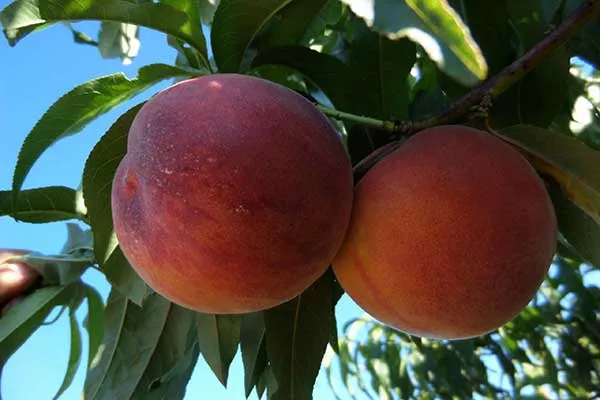
It is also productive, but the volume and size of the fruit depend on the plant's care. It begins bearing fruit the following season after planting; young trees typically yield up to 8-9 kg of fruit, while mature trees yield almost twice that amount.
Winter hardiness and climate adaptation
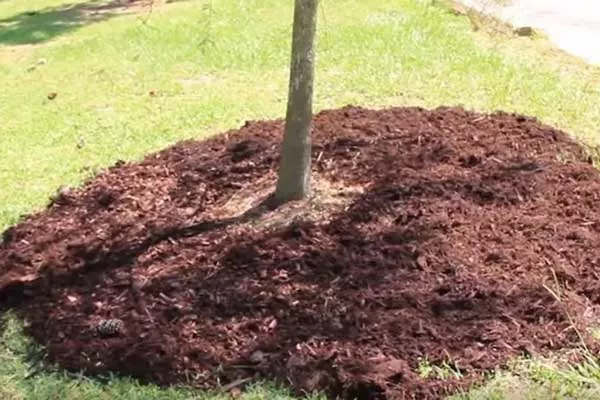
The plant is characterized by good winter hardiness and can withstand temperatures down to -26-30 degrees Celsius, but requires protection. Mulching the roots, creating protective structures in the trunk area, and covering with non-woven material are necessary measures.
After severe frosts, any tree is susceptible to fungal infections, leading to death and reduced productivity. Typically, it's not the trees themselves that are killed, but the swollen buds. However, even with severe damage, Canadian Harmony can recover and produce a harvest.
The variety is ideal for cultivation in central Russia and can adapt to colder climates, even as far as Siberia.
Soil requirements
For optimal growth and development, soils rich in sand, loam, and black soil are ideal. It is recommended to enrich them with peat and vermicompost, making up at least half of the total volume of the planting hole.
Planting operations
For planting, choose a sunny location, preferably on a hill, avoiding low-lying areas and flood-prone areas. Ideally, place it in a wind-protected area, preferably on a south or west exposure.
- ✓ The seedling planting depth should be such that the root collar is 5-8 cm above the soil level, which will prevent it from rotting.
- ✓ The distance between trees should be at least 3.5-4 m to ensure sufficient space for the growth of the root system and crown.
Upcoming works:
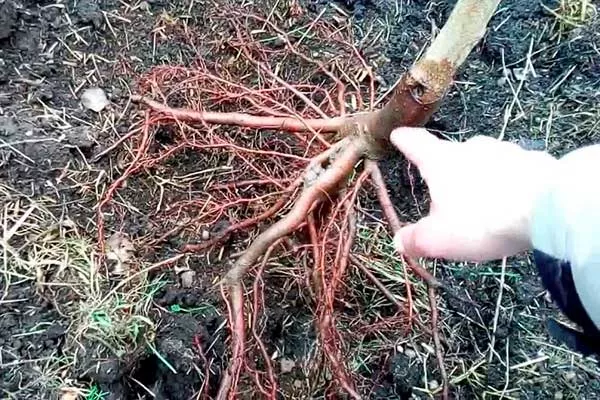
- Before planting, soak seedlings with an open root system in water for 12-14 hours to moisten them, and then treat the roots with Maximarin to prevent pest damage.
- Place plants at a distance of 3.5-4 m from each other, digging holes measuring 80-85 by 80-85 cm.
- Place a drainage layer in the holes and prepare a mixture of humus-peat mass, wood ash, fertile turf soil and sand with the addition of phosphorus and boron.
- Leave the root collar of the seedling on the surface by 5-8 cm.
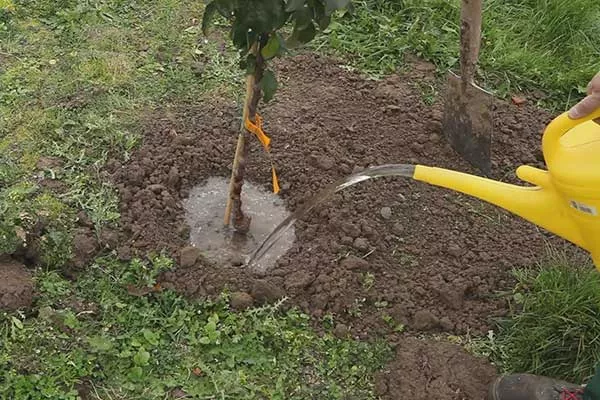
- Form a depression around the trunk for better moisture absorption.
- After planting, shorten the shoots to 40 cm.
Care procedures
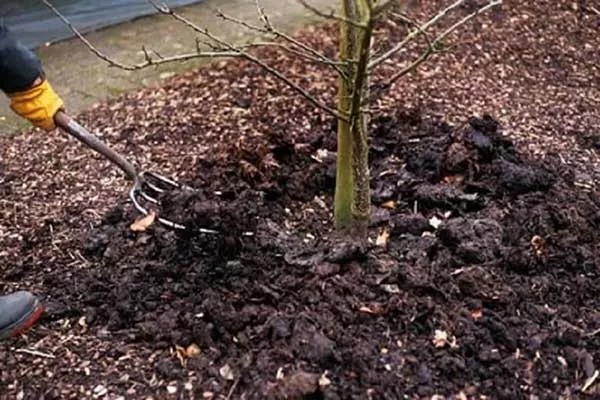
Initially, each plant requires 10 liters of water. Mulching with organic material is also recommended. Water regularly during the first three weeks—once a week, and more frequently during hot periods.
Other important events:
- During the period when plants are actively growing and bearing fruit, it's important to provide them with adequate moisture. Insufficient water can cause flower and fruit drop. To reduce fruit loss, it's recommended to use Skor spray.
Watering should be generous but infrequent, even in drought conditions. At the end of October, perform a moisture-recharging irrigation to saturate the soil with moisture to its full capacity.

- Don't forget to loosen the soil and weed. Dig and loosen the soil between rows to a depth of 18-20 cm, and around the trunk to a depth of no more than 10-14 cm.
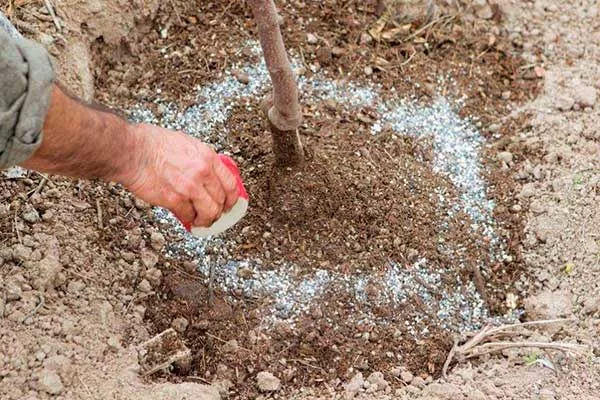
- Start fertilizing in early spring using urea, then apply urea during leaf formation, and during fruiting - potassium preparations or the Agromaster complex.
- In the fall, whitewash the bark of the trees with lime and clay and spray the branches with a lime solution.
- To protect the peach tree over the winter, cover it with 2-3 layers of material. In the spring, remove the covering as the snow melts.
- After this, carry out disinfection treatment and sanitary pruning.
- The optimal crown shape for a peach tree is a cupped crown. In the third season after planting, significantly shorten the central trunk once the tree has formed.
- If a tree produces too many buds, it's recommended to remove half of them, which encourages larger fruit growth. Avoid leaving buds in the shade. This is because after excessive fruiting, the tree doesn't have time to prepare for winter, and therefore suffers from frost.
Diseases and pests - resistance
This variety boasts excellent resistance to fungal diseases such as powdery mildew and leaf curl, but is susceptible to other infections. To prevent disease, spraying is recommended:
- at the beginning of spring, buy the Brunka preparation;
- after two weeks – Topsin-M;
- after another 15 days – Medyan Extra;
- After harvesting – copper sulfate.
| Disease | Sustainability | Control measures |
|---|---|---|
| Powdery mildew | High | Preventive spraying with Brunka |
| Leaf curl | High | Spraying with Topsin-M |
| Fungal infections | Average | Treatment with copper sulfate after harvest |
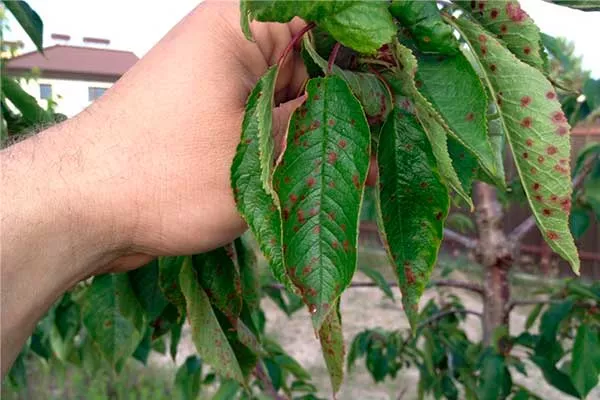
Among insect pests, aphids pose a particular threat. To control them, spray with liquid wood ash and plant strongly scented flowers near the trees. If aphids appear, do the following:
- wash the leaves with soapy water if there are few insects;
- in case of severe infestation, remove and burn the affected shoots;
- then spray with special agents - Aktara, Iskra, Fitoverm.
Reviews
The Canadian Harmony peach is popular with domestic and international gardeners. This variety's key advantages include winter hardiness, excellent flavor, and attractive fruit appearance. However, its drawbacks include poor resistance to many diseases and pests.