
The Harnas peach is an excellent choice for those looking for a productive and easy-to-grow plant for their garden. Its high yield, excellent flavor, and good winter hardiness make it ideal for growing in a wide range of climates. By following simple care guidelines, you can enjoy a bountiful harvest for many years to come.
Breeding history
It was developed in Canada by successfully crossing two varieties – Cresthaven and Harbinger.
Introduction to the variety
Harnas is one of the most profitable dessert peach varieties. This is due to its key qualities: vibrant flavor, high marketability, good frost resistance, and resistance to diseases and pests.
Description of the tree
Characterized by its considerable height, the trees grow tall and productive, demonstrating excellent winter hardiness. They typically reach at least 3 meters in height. Healthy plants have a well-developed, branched crown with a broad oval shape. Rose-shaped flowers appear on the branches.
Characteristics of fruits
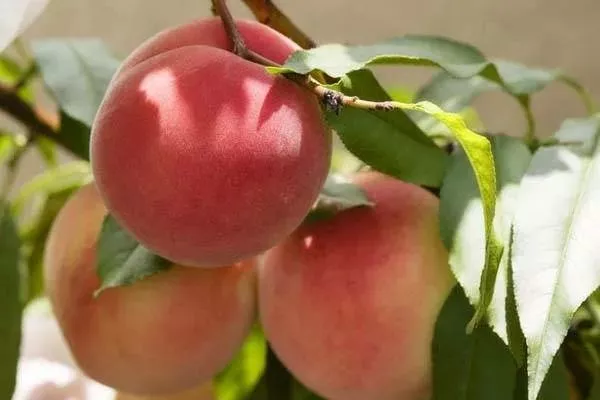
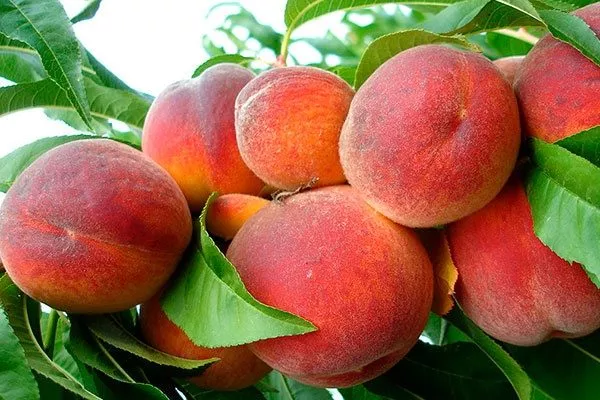
The cultivar is highly popular due to its large, high-quality fruits. The peaches are primarily yellow, but 70-90% of their surface is covered with a reddish-marbled hue, creating a delicate blush.
They are spherical in shape and weigh between 90 and 140 grams, although larger specimens are also available. The surface of the fruit is lightly pubescent. The flesh is light yellow, medium-dense, and very juicy, with a pleasant texture.
Taste qualities, purpose
The flavor is characterized by a perfect balance of sweetness and tartness, complemented by a pleasant fruity aroma. The seeds are small and can partially separate from the juicy, fibrous pulp.
Ripening and fruiting
Trees begin to bear fruit actively three years after planting. This fruit tree blooms profusely from May to June. This Canadian variety is considered early, with fruits ripening in the first half of August.
Productivity
The Harnas variety has earned its popularity due to its high productivity. With proper care, each plant produces at least 60 kg of aromatic fruit. This figure may vary depending on proper agricultural practices.
Growing regions
The crop adapts well to Russia's temperate climate. It has proven particularly successful in Poland and has become one of the most popular varieties.
Self-fertility and the need for pollinators
It is a self-fertile variety, so it does not require additional pollinators for fruiting.
Growing and care
The plant prefers sunny, wind-protected sites. The site should be spacious enough to provide the tree with good access to sunlight. Ideally, plant the seedling on a south or southwest-facing site to avoid frost and ensure long-lasting sunlight.
Follow these recommendations:
- The soil for planting should be fertile, light, well-drained, and slightly acidic (pH 6-6.5). Clayey or waterlogged areas are unsuitable.
- Before planting, dig over the beds, remove weeds and add organic fertilizers such as humus or compost.
- The best time for planting is spring, before the sap begins to flow, or autumn, when the plants are dormant.
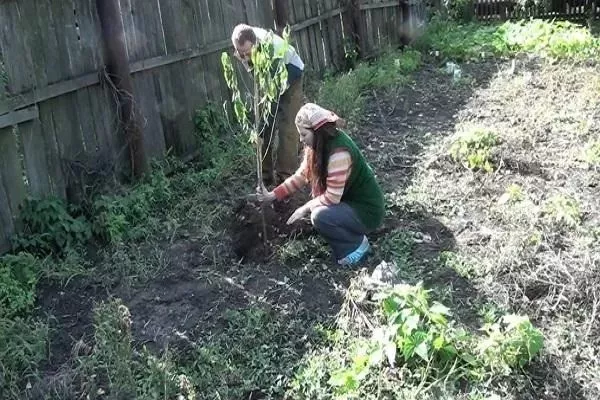
- Prepare the planting hole in advance: its depth and width should be approximately 60-70 cm. Place a drainage layer (crushed stone or gravel) at the bottom of the hole, then a fertile layer of substrate mixed with organic fertilizer.
- Place the seedling in the hole so that the root collar is level with the ground. Gently spread the roots, cover with soil, and compact it.
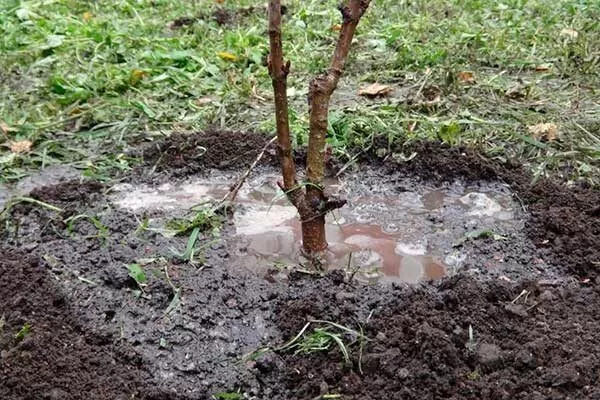
- After planting, water the tree generously (about 20 liters of water) and mulch the soil around the trunk with peat, humus or straw to retain moisture and prevent weed growth.
Caring for a peach tree isn't difficult, so even a beginner can handle it. Follow these simple gardening practices:
- Watering. Provide regular watering, especially in the first few years after planting and during periods of active growth and fruiting. Apply water at the roots, avoiding contact with the leaves and trunk to prevent fungal diseases.
Keep the soil moist but not waterlogged. During dry periods, water once a week, using 15-20 liters of water per tree. - Top dressing. Fertilize the plant several times per season. In the spring, before flowering, apply nitrogen fertilizers (such as ammonium nitrate) to stimulate shoot and leaf growth.
During the flowering and fruiting period, use complex mineral fertilizers with a high content of potassium and phosphorus, which promote the formation and ripening of fruits.
In the fall, apply organic matter (humus, compost) to improve the soil structure and provide the tree with nutrients for the winter. - Trimming. Pruning is necessary to shape the crown, improve ventilation and light flow to the branches, and increase yield. In the spring, perform sanitary pruning, removing damaged, dead, and diseased branches.
In summer, thin the crown to improve light access to the fruit. In autumn, remove weak and abnormally growing shoots.
The plant has good resistance to diseases and pests, but preventative measures are necessary. In early spring, treat the tree with fungicides (such as Bordeaux mixture) to protect against fungal infections.
To control pests such as aphids and spider mites, use insecticides or folk remedies such as garlic or tobacco infusion.
Frost resistance and the need for shelter
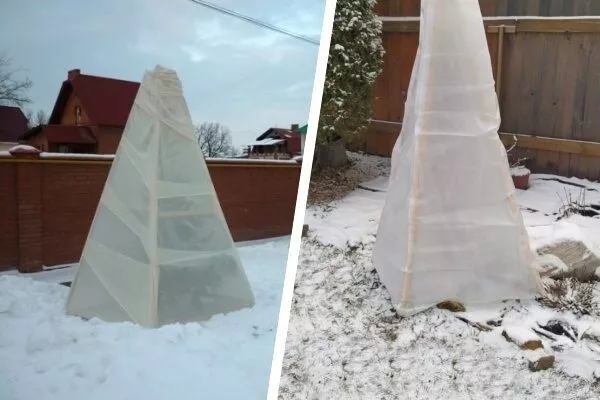
Like all Canadian varieties, Harnas has excellent winter hardiness. Despite this, young trees require protection from frost. In the fall, before the onset of cold weather, mulch the area around the trunk with a thick layer of straw or sawdust, and wrap the trunk with a special covering material or spruce branches.
Positive and negative qualities
To avoid any difficulties when growing this crop, it's important to understand its advantages and disadvantages. This variety has many positive qualities:
Harnas has few drawbacks, but it's important to protect the plant from cold winds and drafts. If not cared for properly, leaf curling may occur.
Review of reviews
The Harnas peach is a variety recognized by gardeners for its remarkable characteristics. With excellent winter hardiness, high yields, and large, tasty fruits, it is becoming increasingly popular in various regions. It attracts attention for its versatile properties and ease of care, but it does require attention and care.