
The Khabarovsky apricot variety was developed over an extremely long period—30 years. During this time, seedlings were sent for testing to various agricultural fields and experimental stations, resulting in the hybrid's high reputation. The variety is characterized by tall stature, stable annual yields, and ease of care and planting.
History of the variety
The Khabarovsky hybrid was first developed back in 1949. It was developed by G. T. Kuzmin, and two varieties—Krasnoshchyok and Besta Michurinsky—were used for pollination. The Khabarovsky apricot was only added to the State Register of the Russian Federation in 1979, with a designation for cultivation in the Far East.
It was this region that initiated the breeding of a frost-resistant apricot variety. The resulting hybrid inherited the best qualities from the parent trees—frost and disease resistance, excellent yields, self-fertility, and other agrobiological characteristics.
Description of the Khabarovsky apricot variety
The Khabarovsk apricot is considered a tall plant, reaching up to 5 meters in length. This height is typically reached by the tree's 10th year. This makes harvesting difficult, so many gardeners try to perform annual pruning to reduce the tree's height.
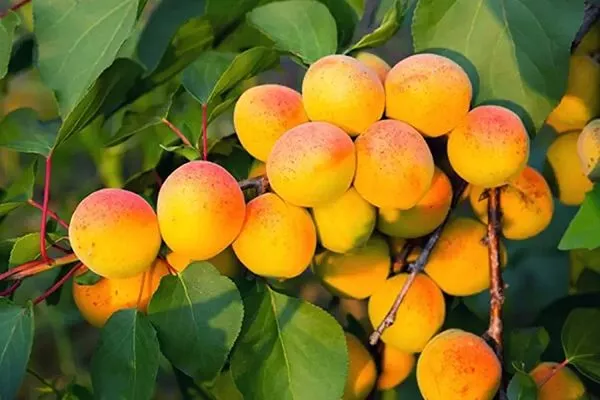
Characteristic features of the Khabarovsky variety:
- Crown and shoots. The crown isn't dense, but it's spreading, so its diameter is equal to the tree's height. It consists of thick, upright shoots, distinguished by white stripes on a dark purple base. Fruiting occurs on branches at least two years old.
The arrangement of the shoots, which at one year of age already reach a length of 1 m, is perpendicular to the main branch, and therefore are symmetrical to each other. - Fruit buds. They are quite large, characterized by a rounded-pointed shape and a solitary arrangement. However, there are also buds that cluster in groups of two or three. Single buds are always found on lateral branches, while clustered buds are found on central branches.
- Leaves. They are medium-sized and elongated oval in shape. The tip is also long and pointed, and the edges are serrated. The outer surface of the leaf blade is matte and dark green, while the inner surface is lighter. The petioles of the leaves are elongated and reddish-burgundy.
- Flowers. They are considered large, with rounded, slightly overlapping petals. They are white. The single-layer arrangement of the stamens and stigmas allows for self-pollination, preventing the flowers from freezing during spring frosts.
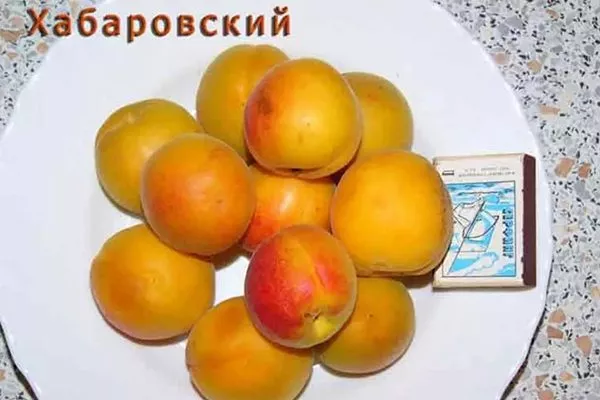
- Fruit. They have a conical-rounded shape. The top is pointed, the base has a deep pit, and the sides are slightly compressed. Each fruit weighs 25-35 g, averaging 30 g. Some gardeners manage to grow fruits weighing up to 45 g.
- Peel. The fruit is always bumpy and pubescent. Separating it from the pulp is difficult due to its tight fit. The base color is light green, but the surface is densely covered with a reddish-orange blush. The longitudinal suture is prominent.
- Pulp. It has an orange color, a tender and thick structure, but the juiciness is at an average level.
- Taste qualities. Based on the official tasting score, it is 4 out of 5. The fruits are sweet, but also have a hint of tartness. The pulp is intended for table use.
- Bone. Characterized by its small size, the fruit contains a large amount of pulp. The pit is elongated and rounded. Its surface is grooved, allowing it to separate quickly from the pulp. The kernel within the pit has a sweetish flavor, making it edible.
Characteristics
It's crucial to understand the properties and characteristics of a particular variety before purchasing a seedling. Therefore, carefully review the agrobiology of the Khabarovsky apricot.
Drought resistance and frost resistance
The Khabarovsky variety was developed specifically for growing in harsh climates, so the trees easily tolerate temperatures down to -30 degrees Celsius. In colder weather, simply wrapping the trunk with non-woven material is sufficient.
Regarding drought tolerance, this criterion is also satisfactory, as the trees do not require excessive watering. However, unlike other varieties, the soil does require more frequent moistening.
How is pollination carried out, flowering and ripening time
The Khabarovsky apricot is partially self-pollinating, meaning that without a pollinator, only 20-25% of the expected yield will be produced. Therefore, to increase this yield, other varieties should be planted nearby for pollination. The best varieties are Akademiker, Amursky, and Snezhinsky. All of these apricots bloom at the same time.
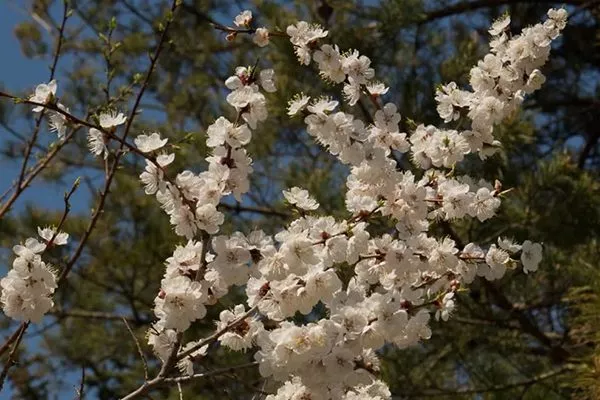
Flowering time is mid-May to early June, depending on the region, the fruits are ready for consumption after July 20.
Productivity and fruiting
The first fruiting occurs in the fourth year after planting a seedling in open ground. Fruit buds will appear even at three years of age, but they will be negligible. High yields can be achieved starting at five or six years of age.
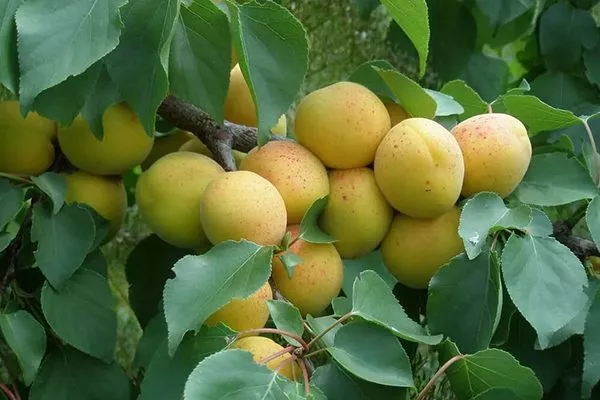
The Khabarovsk apricot tree produces quite a high yield—35 to 40 kg can be harvested from a single mature tree. However, keep in mind that the more ovaries the tree produces, the smaller the fruit will be. Therefore, if you want larger fruit, remove some of the blossoms in the spring.
Application of fruits
Khabarovsk apricots are considered table varieties. The fruit is not only eaten fresh but also used to make preserves, jellies, and compotes. This variety is ideal for dried fruit because the flesh is medium juicy. This prevents the apricots from being used for juice production (there will be little liquid).
Chemical composition
The fruits and kernels of Khabarovsk apricots contain a number of microelements and vitamins, making them considered beneficial for the human body. They contain the highest amount of vitamin C.
Advantages and disadvantages of the variety
The Khabarovsk apricot variety has many positive characteristics, among which the following stand out:
Landing rules
Planting the Khabarovsky variety isn't as difficult as it might initially seem. Even a novice gardener can easily handle this task. The key is to carefully study the variety's characteristics regarding site selection, soil, and seedling selection.
Timing
The optimal time for planting the Khabarovsky variety in cool climates is spring. However, in the south, planting can also be done in the fall. The key is to allow at least one month before the first frost. In spring, seedlings should be planted when the soil warms to 5-10°C (41-50°F). The air temperature should be consistently 10-12°C (50-55°F).
Choosing a location
Apricots are southern crops, so it's important to choose a site with plenty of sun and daylight. But there are other criteria to consider as well:
- the soil must be permeable to air so that the root system receives oxygen;
- Water permeability is also important, so that water will not stagnate and contribute to root rot;
- type of substrate – loam, chernozem, sandy loam;
- terrain - elevated area;
- groundwater – at least 1.5-2.5 m from the earth’s surface.
- ✓ The soil pH level should be within 6.5-7.5 for optimal growth of the Khabarovsky apricot.
- ✓ The depth of the fertile layer is at least 40 cm to provide the root system with the necessary nutrients.
Neighborhood with other cultures
Apricots, especially tall ones, don't tolerate the presence of other plants nearby, so it's best to plant the Khabarovsky variety away from other crops, that is, as a solitary plant. The worst neighbors are:
- apple and pear tree;
- cherries and cherries;
- raspberries and any kind of currant;
- walnut and peach.
Optimal neighbors:
- among the fruit trees there is only plum;
- flowers – narcissus, tulip, crocus.
How to choose a seedling?
When purchasing an apricot seedling, it's easy to mistakenly purchase a wild plant, so it's best to go to an official nursery rather than a pop-up market. When choosing a specific tree, pay special attention to its root system:
- It’s good if the roots are elastic, light and undamaged, with well-developed shoots;
- It is bad when there is mold and other signs of disease on the roots, or the root system is deformed and overdried.
The same criteria apply to the above-ground portion—it must be strong and healthy. The optimal age is between 1 and 2 years, and the height is approximately 100 cm (+/- 20 cm).
How to prepare the soil?
It's generally accepted that preparatory work should be carried out several months before planting. While this is true, this isn't a requirement for Khabarovsk apricots. It's sufficient to prepare the site 2-4 weeks before the main work.
How to do it right:
- First, remove all debris from the area under the fruit trees – garbage, branches, leaves, weeds.
- Dig over the soil, removing any remaining weed roots at the same time.
- Dig planting holes. They should be about 70-80 cm deep and in diameter. If you plan to plant several seedlings, leave at least 3 m between them.
- Place a 15 cm layer of drainage material at the bottom of the hole. You can use pebbles, expanded clay, crushed stone, broken brick, or regular stones (not large ones).
- Immediately set aside the top layer of soil (approximately 18-25 cm), which is considered the most fertile. Add to it 1 part each of peat, sand, and clay. If the soil is acidic, dilute it with dolomite flour or slaked lime. To increase fertility, be sure to add potassium sulfate (400 g), superphosphate (600-700 g), and just 1 cup of wood dust to each hole.
- Mix everything thoroughly, place it in a hole and cover with plastic wrap.
Apricot planting procedure in Khabarovsk
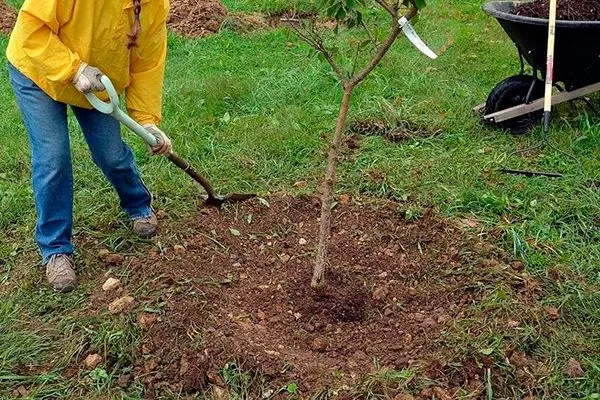
On the day of planting, which should be warm and preferably sunny, remove a little more than half the substrate. Then follow the instructions:
- Form a hill.
- Drive a wooden stake almost into the center. Keep in mind that it should be 10-20 cm narrower than the seedling.
- Dip the tree's roots in the clay mixture and soak for 15-20 minutes. You can add any rooting stimulant (Epin, Kornevin, etc.) to the mixture.
- Place the seedling on a mound and straighten the root shoots with gentle movements.
- Begin adding the soil mixture gradually, lightly compacting each layer. This will prevent the formation of voids.
- Fill with substrate up to ground level - the grafting site or root collar should be 3 cm higher.
- Tie the tree to a stake.
- Make an earthen rampart around the tree trunk.
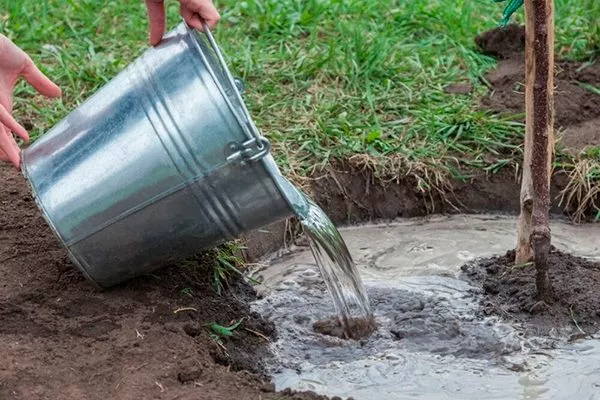
- Water generously and mulch with organic material. Peat, rotted manure, or humus can be used.
Care instructions
Maintenance procedures are simple: water the trees, fertilize, prune, and prepare them for winter. Even a novice gardener with no experience can handle this. The key is to consider certain varietal characteristics when growing them.
Watering
Khabarovsk apricot, unlike many other varieties of this crop, requires more frequent watering, so pay attention to the watering schedule:
- In the first year after planting, seedlings need to be watered twice a week until autumn;
- the following year it is enough to add water two or three times a month;
- in subsequent years - once a month in spring and twice a month in summer.
Plant wintering
The Khabarovsky hybrid tolerates frost well, but it's still important to prepare the trees for winter. This will minimize the risk of infection, rotting, pest infestations in the spring, and freezing in the event of a significant drop in air and soil temperatures.

What and how to do:
- First, carry out fertilizing, and then sanitary pruning.
- Next, perform a water-recharging flood. To do this, pour approximately 60-70 liters of water under each tree, depending on its age.
- Now remove all debris and leaves from under the tree and apply a mulch layer of up to 15 cm around the trunk. Organic materials are best, as they retain heat well. For example, well-rotted manure or compost.
- Whitewash the trunk and skeletal branches by 1/3.
- Place a fine-mesh protective net around the trunk to prevent large and small rodents from damaging the bark in winter.
If shelter is needed, create it from agrofibre. You can also use spunbond, burlap, pine branches, and snow.
Tree pruning
Pruning is essential, as the Khabarovsky variety is tall and very spreading. Without pruning, it will be impossible to achieve maximum yields, and harvesting will be difficult.
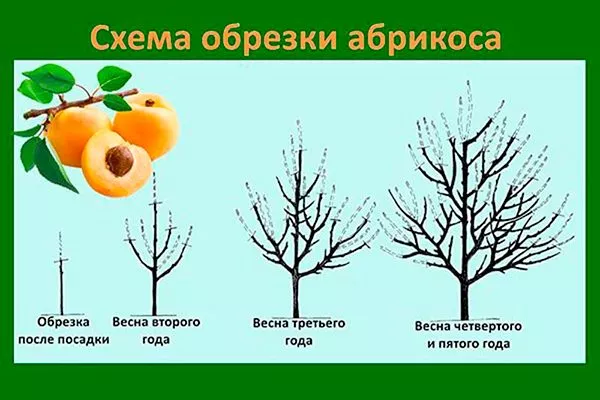
The tree is formed during the first five years. If this isn't done, the shoots will grow so large that it will be difficult to shape the crown later, so don't miss this opportunity.
How to do it:
- In the first year after planting, you need to cut out all the shoots, leaving only three skeletal ones;
- next season, remove branches from the skeletal shoots of the first tier;
- in the third year, do the same with the second tier;
- on the fourth - similarly with the third tier, etc.
It's important to perform sanitary pruning twice a year—the first time in the spring before the sap begins to flow, and the second time in the fall in preparation for winter. Which shoots and branches need to be pruned:
- recovered;
- dried up;
- frozen;
- with signs of pests/diseases;
- old.
Pruning is carried out to approximately 1/3 of the crown, but if the shoots are severely damaged, cut them to the base.
Top dressing
During the growing season, a tree's root system draws all the nutrients it needs from the soil, so within just a couple of months, the soil becomes depleted. This is the main reason why trees need to be fertilized. However, many nutrients promote growth of the above-ground part of the tree, the formation of flowers and ovaries, and the ripening of the fruit.
In the first couple of years after planting, fertilizers are not applied, but only if all requirements for improving the composition and fertility of the soil were met during planting.
Feeding schedule:
- In spring, nitrogen-based preparations are used, but they can be replaced with urea, ammonium nitrate, bird droppings or mullein;
- in June, potassium and phosphorus are required (the former in higher concentration);
- In the fall, before wintering, the drug Superphosphate is used.
- In spring, before the growing season begins, apply nitrogen fertilizer at a rate of 30 g per square meter.
- In summer, during the period of fruit formation, add potassium fertilizers (20 g per square meter).
- In the fall, after harvesting, apply phosphorus fertilizers (40 g per square meter) to prepare the tree for winter.
The main diseases that Khabarovsky apricot is susceptible to
This variety is almost immune to diseases, but they do occasionally arise for various reasons. For example, when agricultural practices are violated, the summer is rainy, or infected crops are grown nearby.
What is most common:
- Clusterosporiasis. Another name for this fungus is holey spot. The fungus becomes active in the spring, as it easily tolerates frost. The leaves are affected, developing burgundy-colored spots.
- Moniliosis. Or monilial blight. Another fungal infection that first attacks the flowers, then the stems, branches, and leaves.
- Cytosporosis. Once again, fungi are the culprit. In this case, the spores attack the bark.
Systemic fungicides are used for treatment.
Pests
Pests also rarely attack the Khabarovsk apricot, but sometimes you can encounter the following insects:
- weevil;

- May beetle;
- aphid.
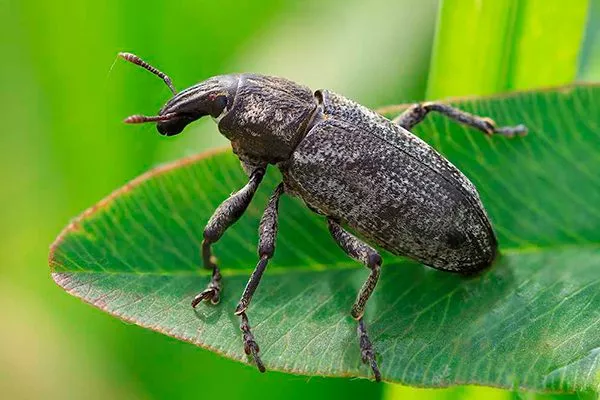
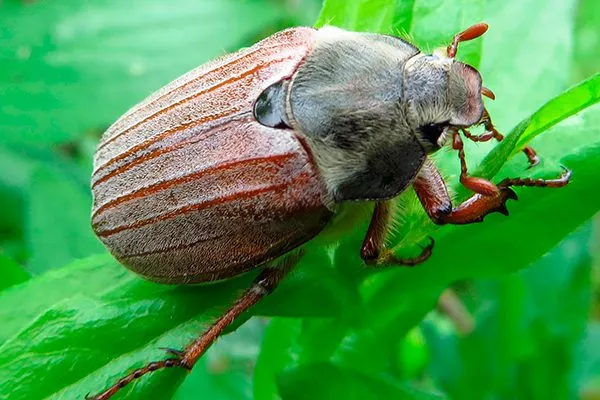
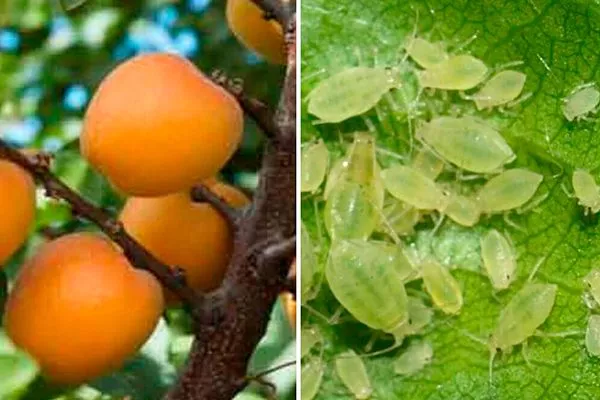
Pests are easy to spot on the above-ground parts, and insecticides are used to control them.
Harvesting and storage
Khabarovsky apricots ripen unevenly, so harvesting takes about a month. To ensure long-lasting shelf life, it's best to pick the fruit a week before it's technically ripe, but for fresh consumption, wait until it's fully ripe.
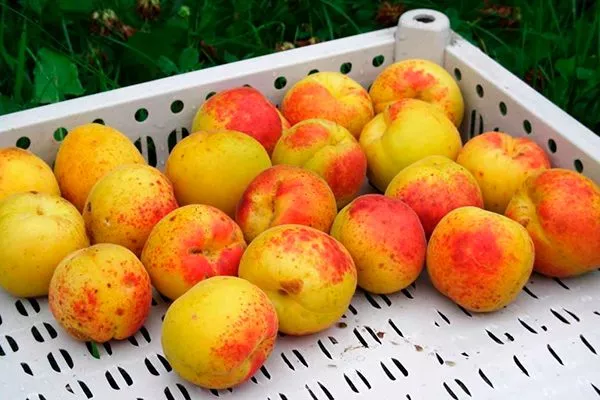
The fruits are best stored in a cool place, at temperatures between 0 and 4°C and a maximum humidity of 65%. The Khabarovsky variety has a shelf life of 5 days.
Reviews
The Khabarovsky apricot is suitable for cultivation in all regions of Russia, as it easily withstands significant frosts. It is considered easy to care for and is rarely susceptible to disease. The fruits have a sweet and sour taste and a vibrant apricot aroma. The key is to learn how to properly care for the crop and adhere to all agricultural guidelines.