
Countess is an apricot variety ideal for cultivation in the temperate climates of central Russia, with its mid-season ripening period. It boasts impressive yields, a delicate flavor, and an exquisite aroma.
History of the Countess apricot breeding
In 1988, a unique variety of apricot, named Countess, appeared in the botanical garden of Moscow State University.
This fertile variety was created thanks to the diligent efforts of renowned breeders A.K. Skvortsov and L.A. Kramarenko. They set themselves the goal of developing a plant free of typical defects and almost completely achieved their goal.
Initially intended for cultivation in the Moscow region, its seedlings soon gained popularity throughout the country and beyond. In 2004, the Countess variety was included in the State Register.
Growing regions
Countess is intended for gardening in the Moscow region and other locations with a mild climate. However, the variety produces fruit well throughout Russia, from the south to Siberia.
Description of the species
This variety attracts the attention of not only gardening enthusiasts but also medical experts. Doctors highlight the high vitamin value of this fruit, particularly its abundance of vitamin C and carotene, which strengthen the body's immune system.
The appearance of the tree
The 'Grafinya' variety is a large tree, reaching 550-600 cm in height. Its crown is round and its leaves are large. Flowering begins a few days after other varieties.
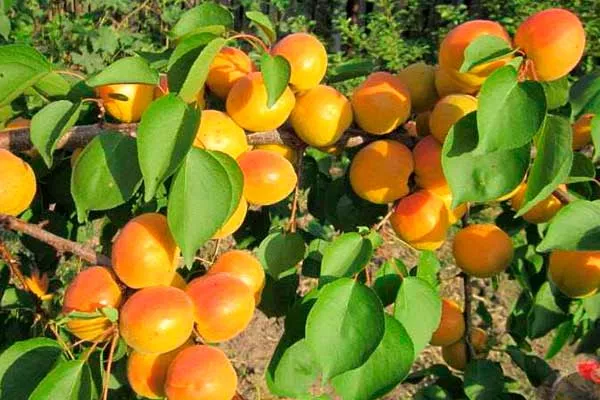
Other cultural features:
- Inflorescences do not exceed 2.5 cm in diameter.
- Each leaf node contains many generative buds.
- The stamens of this variety are underdeveloped, and the white anthers do not produce normal pollen. For pollination, pollen from other varieties must be used.
Fruits and their taste characteristics
Apricots are characterized by a moderate size. Key characteristics of this variety include their shape, which can be either round or oval.
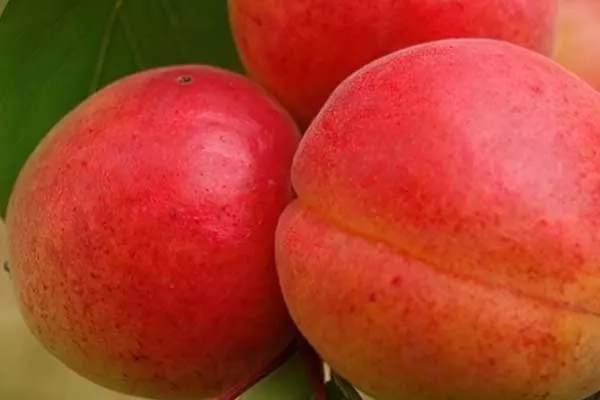
Varietal characteristics:
- the weight of the fruit usually ranges from 23-28 g, although sometimes it can reach 35-40 g;
- the pulp has a rich orange color, is aromatic, dense and juicy;
- The skin of the fruit is thin, its color varies from cream to yellowish-beige, decorated with an impressive blush with noticeable pubescence;
- the stone is large and easily separated from the pulp, its kernel is usually bitter;
- The taste of Countess apricots is sweet with a pleasant sour hint;
- The fruits can be consumed not only fresh, but also canned, especially as an ingredient for compotes, jams or preserves.
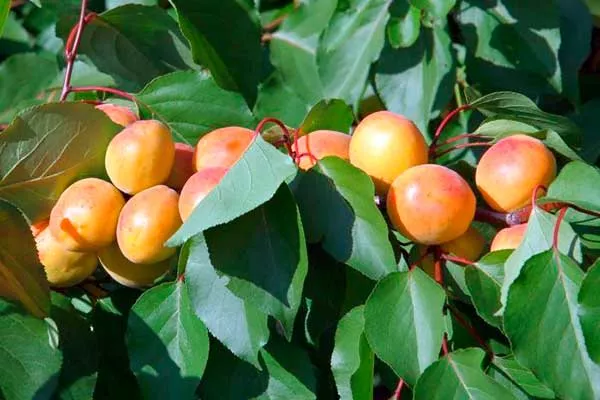
Varieties of Countess
| Name | Ripening period | Disease resistance | Fruit size |
|---|---|---|---|
| Red-cheeked | Average | High | Large |
| Russian | Early | Average | Large |
| Honey | Late | High | Average |
Apricot varieties traditionally classified as belonging to the Countess line include:
- Red-cheeked - This variety is distinguished by its competitive productivity and large fruits with a strong skin and a rich, sweet, aromatic interior, colored in light orange tones.
- Russian - This is a winter-hardy variety that produces a good harvest. Medium-sized trees produce large, round fruits that are sweet and rich with a unique apricot aroma.
- Honey - This variety is distinguished by its tall stature and cold tolerance. The fruits are medium-sized, yellow, and have firm, sweet, and fibrous flesh.
Characteristics of the Countess apricot variety
When choosing plants for their plot, gardeners consider not only the delicious fruit but also compliance with agrobiological standards for growing them. These standards determine the specifics and care requirements for apricot trees.
Drought resistance, winter hardiness of the variety
During the apricot development process, breeders aimed to create a variety that would be highly resistant to harsh winter temperatures and ideally suited for farming in the country's central regions. Their efforts were successful:
- This apricot tree boasts an incredible ability to tolerate low temperatures, which is quite an achievement for such a heat-loving crop. Trees can survive temperatures as low as -30 degrees Celsius without shelter.
- With sharper temperature drops, the risk of losing fruit buds increases.
- This apricot variety does not tolerate stagnant water or excessive moisture. Prolonged rainfall causes the plants to suffer, significantly increasing the risk of clasterosporium leaf spot.
Pollination, flowering period and ripening time
The Countess's budding begins in late May, protecting it from the last frosts of spring. At this time, the apricot bushes are striking not only for their beauty but also for the delicate, rich aroma that surrounds them, attracting insects.
- ✓ To ensure optimal pollination, there must be at least two apricot varieties with matching flowering times within a 50 meter radius.
- ✓ The depth of groundwater should be at least 2 meters to prevent rotting of the root system.
Unfortunately, due to the peculiarities of the flower structure, the Countess apricot is not capable of self-pollination and requires the planting of varieties with the same fruit ripening period for cross-pollination.
The following apricot varieties will be ideal neighbors:
- Triumph of the North;
- Monastic;
- Favorite;
- Lel.
The Countess's fruiting occurs gradually, ripening throughout the month. The first fruits are ready for picking in the first days of August, and the majority reach maturity by mid-August.
Productivity, fruiting
The first fruits appear on a young tree as early as the third or fourth year of life. Yields are stable and annual, peaking at the fifth or sixth year of development, with the tree's lifespan expected to be 15 to 16 years.
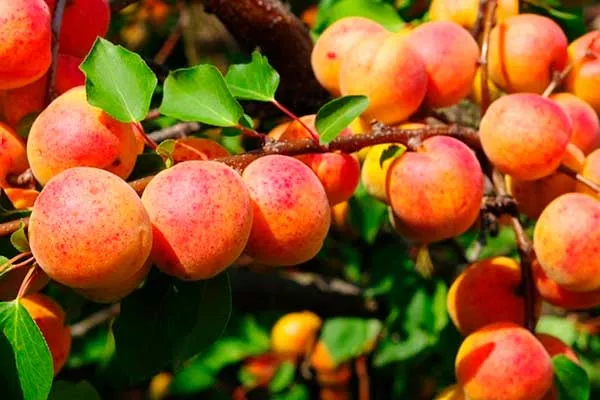
One plant can produce up to 25-35 kg of apricots, and in commercial gardening, productivity can reach 70 centners per hectare.
Application of fruits
Countess apricots are versatile. They're perfect for fresh consumption, cooking, canning, drying, and even freezing. And for those who enjoy strong drinks, this apricot variety makes a great base for making homemade liqueur.
Composition and benefits
Analysis of the chemical composition of apricot shows the following:
- dry matter – 13.8%;
- sugars – 7.7%;
- titratable acid – 1.8%.
100 g of the fruit contains 660 mg of potassium. The Countess apricot's stone is quite large (11.5%), but separates from the pulp without much effort.
Countess apricots are distinguished by their nutritional value, making them indispensable in cooking, cosmetology, and traditional medicine. The micro- and macronutrients found in apricots help strengthen the cardiovascular system and have a positive effect on digestion.
Apricot pulp is used to make facial masks, which have a healing and firming effect. Crushed apricot kernels are used to strengthen nails, hair, and bones.
Resistance to diseases and pests
Apricot immunity is directly related to climate conditions and soil moisture. Therefore, special attention is paid to properly organizing the irrigation system to avoid excessive waterlogging.
When choosing locations for planting apricots in low-lying or marshy areas, it is essential to create an effective drainage system.
Features of planting the variety
Planting this variety of apricot doesn't require much effort. The key is to properly manage the initial stage. Carefully select a site, choosing a healthy seedling, and following all necessary steps according to the recommendations.
Finding the perfect site
Despite apricots' ability to quickly adapt to climate change, they prefer sunny locations. The more light the plant absorbs throughout the season, the sweeter its fruit will be.
Other important aspects:
- The apricot tree's root system is very sensitive to moisture, so the site should not be flooded or located in a swampy area. It's important to monitor the groundwater depth, which should not be higher than 1.5 meters from the soil surface.
- There are certain requirements for the soil composition: apricots grow better on light, well-aerated soils.
- Young trees need to be protected from gusts of wind and cold drafts. Ideally, natural or artificial barriers, such as building walls, should be placed on the north side.
In the shade of tall trees, many crops will not be able to develop normally and produce a harvest, so choosing neighbors requires special care.
It is not recommended to plant other fruit trees near apricots, as they may share common pests and diseases that are easily transmitted from one plant to another.
Selection and preparation of planting material
To select a high-quality apricot seedling, it's best to contact a professional nursery. It's important to carefully inspect the graft, which is a sign of the plant's authenticity. Root suckers are examined for signs of rot, pest damage, or disease.
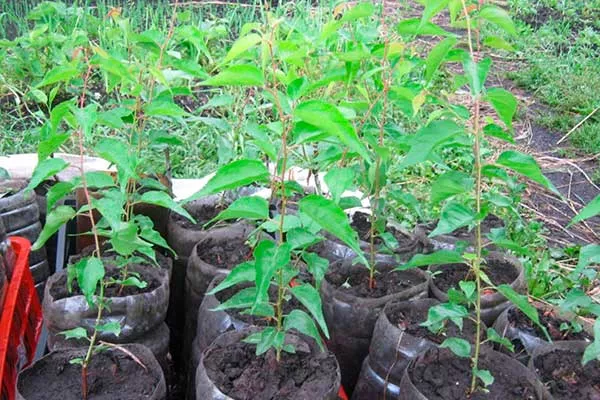
If planting is scheduled for a few weeks later, the seedling should be stored in a cool, ventilated place at a temperature of 5-7 degrees Celsius. The roots should be covered with a damp cloth.
Before planting, soak the plants in a growth accelerator solution for ten hours, then soak them in a clay slurry solution and only then begin planting.
Recommended timeframes
The time for planting depends on the weather conditions in the specific location. It's important to provide the plant with comfortable growing conditions, with temperatures above freezing and sufficient time for the roots to establish:
- In the southern regions, planting is possible both in autumn and spring.
- For the central and northern regions, the optimal time is the beginning of the spring season.
Landing algorithm
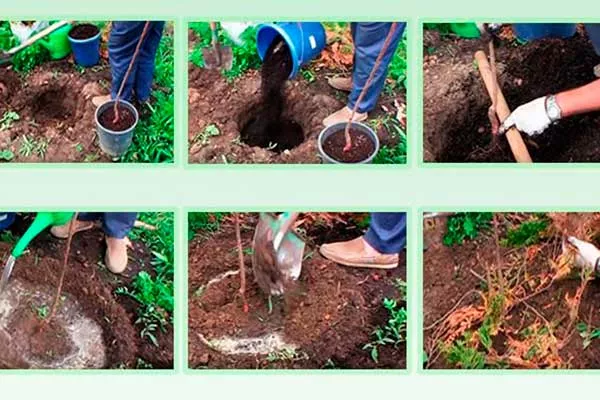
The planting method for this variety is virtually identical to that for other species. The step-by-step process is as follows:
- In the center of the hole dug in the ground, create a small mound filled with fertile soil that you have prepared in advance.
- Immediately install a stake to support the young tree, which should protrude 100-110 cm above the ground surface.
- Carefully place the seedling on the created mound, gently straightening the root system so that all the ends are directed downwards.
- Fill the hole completely with soil, compacting it. The tree's root collar should be 5-6 cm above ground level. To prevent voids from forming inside, periodically shake the seedling by the stem while filling the hole.
- Water each tree with plenty of water, approximately 10 to 20 liters per plant.
- Once the water has completely absorbed, create a layer of mulch around the base of the tree. This step helps reduce moisture evaporation and inhibit weed growth.
Subsequent care of the culture
Caring for this variety is not difficult – just follow the classic procedures, but adhere to the variety’s requirements.
Prevention and protection from pests and diseases
Protecting plants from pests and diseases is a task that can be accomplished by considering the specific needs of each species. Here are some of the most common diseases and their treatments:
- Clasterosporium, or holey spot – Affects the leaves, branches, and fruits of apricots. It manifests itself as gum that forms on infected areas and characteristic hole-like spots on the leaves.
To combat this disease, it is recommended to remove all affected parts of the plant, including branches, leaves and fruits, as well as use a 1% solution of copper sulfate, nitrafen or Topsin-M. - Moniliosis – Causes burns and light gray coatings on plants, which can lead to damage to the entire tree, including the fruit. Fungicides such as Horus, Mikosan-V, and a 1% solution of Bordeaux mixture are used to prevent and treat this disease.
All diseased parts of the plant must be collected and destroyed by burning. - Cytosporosis - It causes wilting of apricot flowers and leaves. Control is possible with a 1% solution of Bordeaux mixture. It is important to remove all parts of the plant affected by the fungus.
- Aphids - This apricot variety is particularly susceptible to aphid attacks. If the tree has not yet begun to bear fruit, insecticides such as Fufanon, Fitoverm, or Karbofos are recommended for protection against aphids.
To kill aphids when the tree is already bearing fruit, use alkaline solutions with a strong odor, such as soap infusions made with garlic, tobacco, or onions.
Watering
Apricots require careful watering, as excess moisture can cause root rot, disease spread, and ultimately, death. It is recommended to water at least once a month. Guidelines:
- The volume of water used for the procedure varies depending on the age of the apricot tree: 20-25 liters is enough for young trees, while older trees will require 30-40 liters.
- It is important to use warm, well-settled liquid.
- After each watering, it is necessary to loosen and mulch the soil, which helps prevent the formation of a dense crust, ensuring free penetration of oxygen to the root system of the apricot.
Feeding scheme
Every year, plants extract nutrients from the soil, which makes regular soil enrichment necessary:
- In the first two or three years after planting, it is not necessary to add additional fertilizers - what was added when the garden was established is sufficient.
- Next, follow a specific pattern:
- first Fertilize at the beginning of spring, around mid-April;
- second Apply fertilizer in the third ten days of May by spraying each tree with a mixture of 2 kg of cow manure per 10 liters of water;
- for the third time Feed after harvesting – add phosphorus and potassium.
- To stimulate flowering and fruiting, trees are sprayed with a special nutrient solution, which includes superphosphate and a potassium humic solution.
Pruning and crown shaping
Beginning the first year after planting the Countess, begin working on its crown. A sparsely layered format is most often chosen for this variety. The process involves the following steps:
- In the first year At the end of the tree's life, the trunk is shortened, and 2-3 of the healthiest shoots are left on each side, which will become the basis of the first tier.
- Next year These lateral stems are shortened, and the second tier is formed from the new shoots, leaving 2-3 new branches on each of the main ones.
- In the third year Crown shaping continues, adding a third tier, which should be 35-40 cm higher than the previous one. All previously preserved perennial shoots are shortened by 20-25 cm.
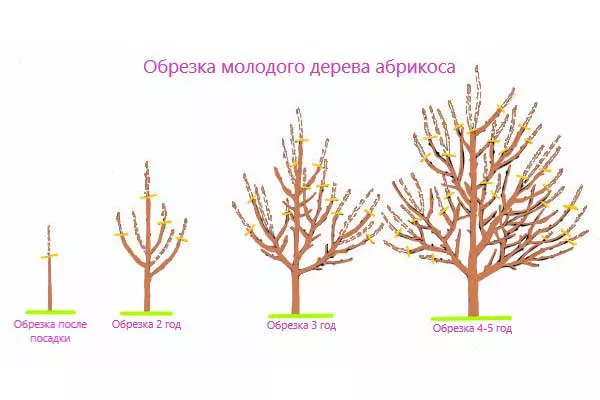
The annual apricot pruning schedule includes annual sanitary procedures in spring and autumn, during which all damaged, diseased and frozen branches are removed.
Preparing for winter
To ensure apricot trees successfully survive winter cold, they need to be properly prepared for winter. Mature apricot trees can easily withstand temperatures down to -30°C without additional shelter. However, for young plants, such shelter is critical, as they are not yet developed enough to withstand frost on their own.
A number of measures must be taken:
- After the leaves have fallen, they need to be collected and burned;
- do the last watering;
- fertilize with mineral fertilizers;
- treat shoots against diseases and pests with special agents;
- protect the main trunk and the base of large branches with a layer of whitewash.
After all these measures have been carried out, they begin direct protection from the cold: the root system of the trees is covered with a thick layer of mulch, the trunk - with burlap, spruce branches or other suitable material.
Harvesting, processing and storage of the Countess variety
Harvesting occurs in stages, as stone fruits do not reach ripeness all at once. These apricots can be dried or frozen. The fruits require careful hand picking to avoid damaging the delicate flesh. How to store:
- The collected fruits are placed in boxes in a thin layer, protecting the base with tracing paper or paper.
- To maximize shelf life, the fruits are harvested at the moment of technical maturity.
- In a cool room with a temperature of 3 to 10 degrees Celsius, fruit will retain its quality for three weeks. If the temperature can be set between zero and one degree Celsius, the shelf life will double.
Countess apricots are excellent for both fresh consumption and for preparing the following dishes:
- compote;
- jam;
- jam;
- confiture;
- marmalade;
- alcoholic beverages;
- fillings for cakes.
Methods of reproduction
There are several effective methods for propagating apricots:
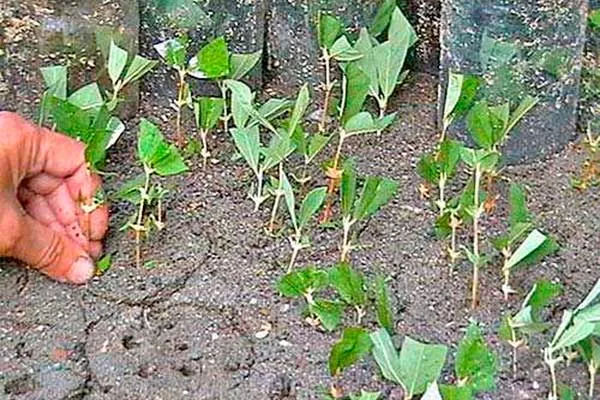
- Cuttings. Every year, when you prune, you produce numerous shoots that can be used to take cuttings. Fresh, green branches are best. After cutting the cuttings, soak them in Kornevin for a few hours, then place them in a special rooting medium to root.
- Layers. This procedure is best performed in the summer. Select a shoot, make two cuts, and remove the bark. Then, treat it with a growth stimulant, wrap it in a bag with soil, and wait until the roots become visible. Afterward, carefully cut the shoot from the mother plant and transplant it to its permanent location, paying particular attention to care.
- From seeds. This method is more complex and is not suitable for hybrids, only for cultivars. The seeds must be frozen for 90 days and then planted in fertile soil in the spring. Seedlings must be grafted.
- Grafting. Select a healthy scion grown on the rootstock and germinate it. Carefully coat the junction and wait for it to fuse. Cleft grafting is considered the most effective method for apricots.
| Method | Time to first fruiting | Complexity |
|---|---|---|
| Cuttings | 3-4 years | Average |
| Layers | 4-5 years | Low |
| From seeds | 5-7 years | High |
| Grafting | 2-3 years | High |
Positive and negative qualities
Among the advantages of the Countess apricot, the following are particularly highlighted:
But this plant also has its disadvantages:
Reviews
The Countess apricot is a highly productive variety. It is renowned for its excellent fruit quality and flavor, as well as its shelf life and transportability, making it particularly popular among gardeners and consumers, whose positive reviews confirm its excellence.