
The Gloria peach is a versatile variety that offers many advantages. Its disease resistance, drought and frost tolerance, and excellent flavor make it an excellent choice for both novice and experienced gardeners. By following the care and planting recommendations, you can reap bountiful harvests year after year.
Information about origin
It was developed by American scientists from the Rutgers experimental station in New Jersey and patented in 2007.
External characteristics of the plant
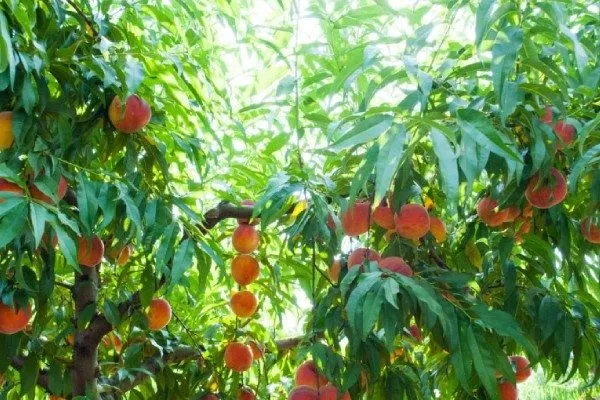
This medium-sized tree reaches up to 3 m in height. It has a moderate growth rate and a dense, spreading crown with a rounded shape. The branches are covered with green leaves, up to 4.5 cm long, with pointed tips. The flowers are small, 2.3 cm in diameter.
Description of fruits
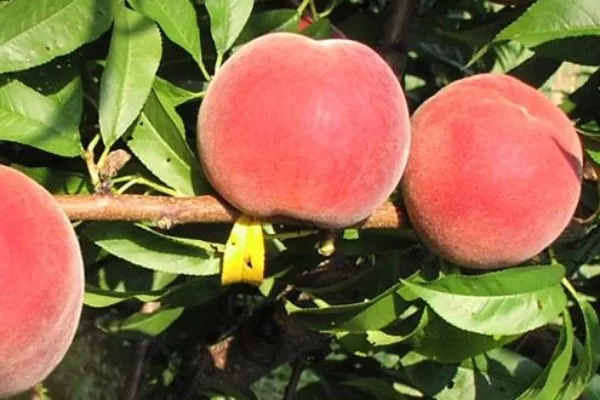
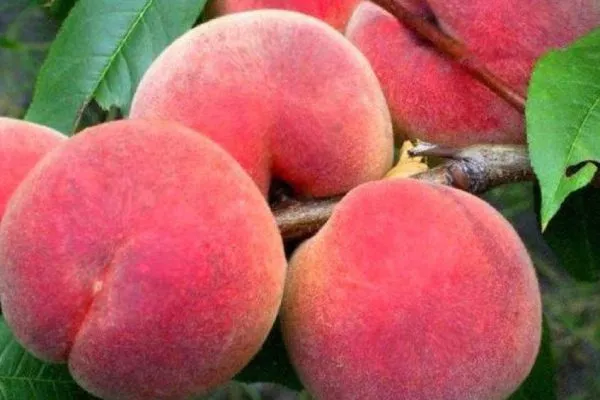
Gloria is a striking example of a large-fruited variety. Fruit weight ranges from 150 to 180 g, sometimes reaching 250 g. The peaches have a regular, round shape and an attractive color: red-pink with a light yellow blush covering about 60% of the surface. The skin is medium-thick with minimal hairiness.
Taste and application
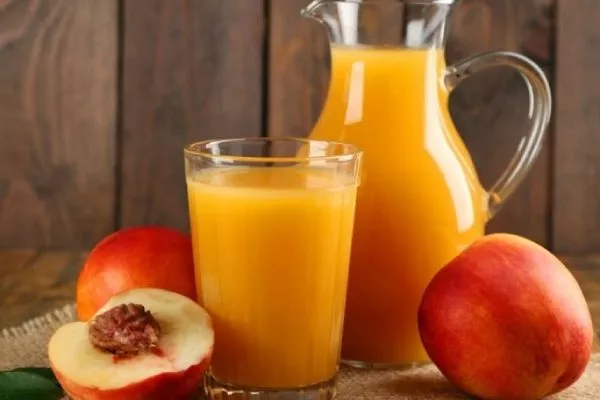
Characterized by excellent taste and marketability. The flesh is yellowish, dense, meaty, tender, and juicy. The flavor is sweet with a hint of tartness and a pleasant fruity aroma. The stone inside is small and easily separated from the flesh.
Unique characteristics of the Gloria peach
Gloria has many unique features, including large, juicy fruits with a harmonious taste and a long shelf life.
Gloria peach yield
Renowned for its high productivity, it's popular among gardeners and farmers. With proper care and favorable conditions, it consistently produces abundant harvests.
On average, one tree produces about 25-30 kg of fruit, but under ideal growing conditions and proper care, the yield can reach 40-50 kg.
The ripening period of the Gloria peach
This is a late-ripening variety. The first fruits appear in the second or third year after planting, and the plant bears fruit annually. Fruit harvest begins in early August, with peak fruiting occurring in the second half of the month.
Ripe fruits can remain on the vine for up to 5-7 days, increasing in size and sweetness. Ripening times vary depending on climate, and in some regions, the harvest is usually in early September.
Regions and climate
In recent years, the geography of Gloria peach cultivation has expanded significantly, covering not only the southern regions of Russia, but also the central ones.
Self-fertility and the need for pollinators
It's a self-fertile variety, so it doesn't require pollinators. However, experienced farmers note that additional cross-pollination increases productivity.
Soil requirements
Plant the seedling in a sunny area, as it is a heat-loving plant. Groundwater should be deep to avoid waterlogging, which can cause root rot. Ideally, the soil should be loose, fertile, well-drained, and neutrally acidic.
Frost resistance of the Gloria peach
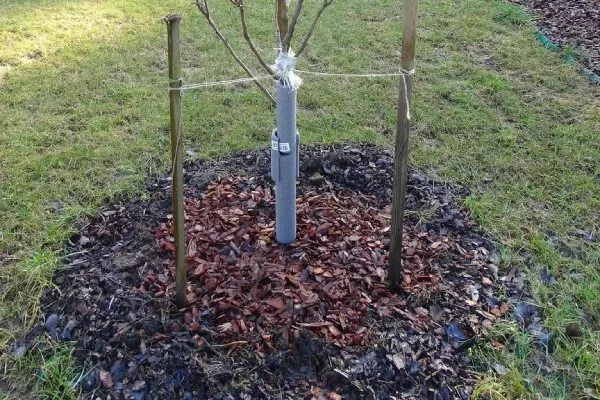
This frost-hardy variety can withstand temperatures down to -20°C to -25°C. During the winter, cover the tree with burlap or other suitable material stretched over stakes driven in beforehand around the trunk. Mulch the area around the trunk for additional protection.
Choosing a location for growing Gloria peach
The plant prefers a warm climate with temperatures ranging from 20°C to 30°C and good lighting, which promotes uniform ripening of the excellent-tasting fruit. Choose a location with minimal risk of frost, as this can damage flower buds and reduce productivity.
Soil conditions and preparation
Suitable conditions and proper soil preparation are essential for successful ripening. Follow these recommendations:
- Prepare loose, well-drained soil by deep plowing and adding organic fertilizer.
- The soil should be slightly acidic or neutral, with a pH of 6-7. If necessary, adjust it by adding lime or dolomite flour.
- Avoid waterlogged or heavy soils.
- ✓ The depth of groundwater must be at least 1.5 m from the surface.
- ✓ The optimal distance between seedlings is 3-4 m to ensure sufficient feeding area.
Before planting, treat the area for weeds and pests to create optimal conditions for the seedling's growth.
Landing algorithm
Growing a peach tree is a process that requires careful preparation. The tree's future fruiting and health depend on the correct execution of all stages.
Step-by-step instructions:
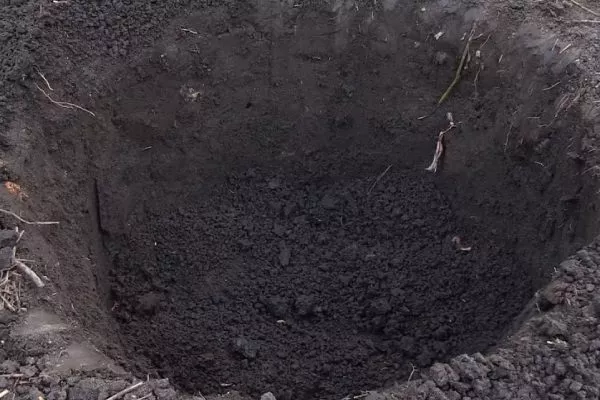
- Dig a hole about 60 cm deep and wide.

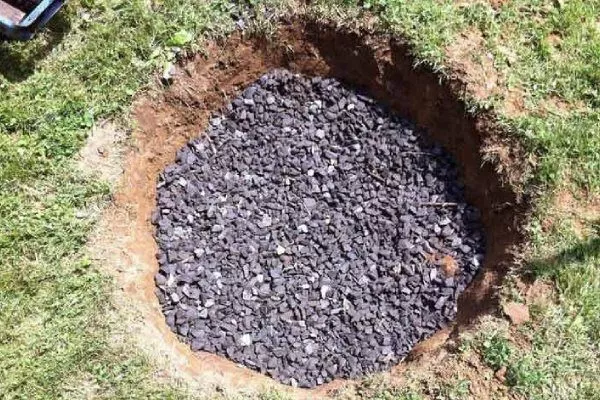
- Place a drainage layer of gravel or coarse sand on the bottom to prevent water stagnation.
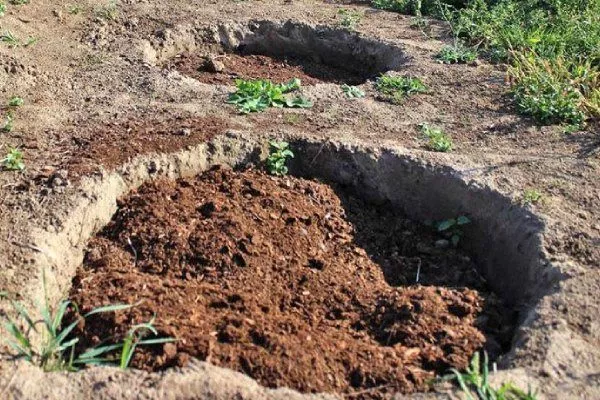
- Add a thin layer of fertile soil on top.
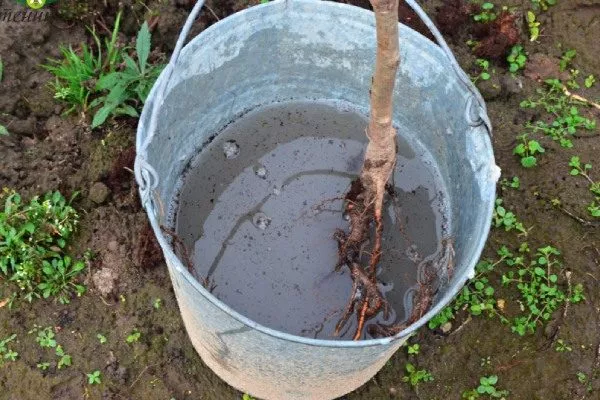
- Inspect the seedling's roots and remove any damaged or dry parts. If they are too long, trim them to 30-40 cm. Pre-soak them in a rooting stimulant solution for several hours.
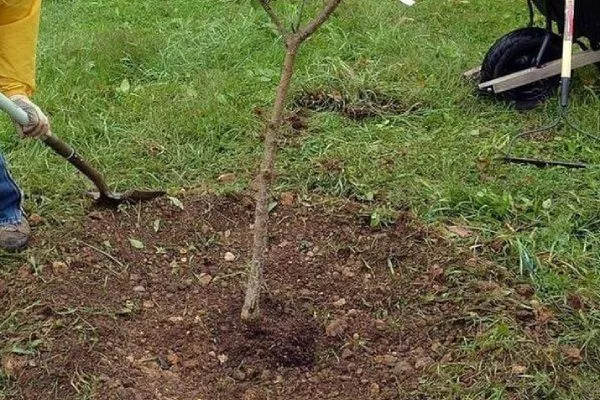
- Place the seedling in the hole, spread the roots, and fill them with fertile soil, compacting it gently. The root collar should be level with the ground.
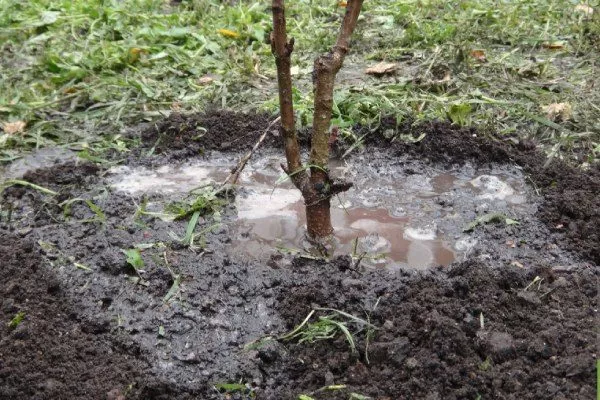
- Create a small circle around the plant to retain moisture. Add 20-30 liters of water to settle the soil and ensure it adheres tightly to the roots. Maintain moderate soil moisture, avoiding both drying out and overwatering.
Caring for the Gloria peach
Plant care plays a key role in ensuring healthy growth and high yields. Follow standard agricultural practices:
- Watering. The plant requires regular watering, especially during flowering and fruit formation. The soil should remain moderately moist. Avoid overwatering or overdrying.
- Fertilizer. For optimal tree growth, fertilize regularly. Use organic fertilizers in the spring and phosphorus-potassium fertilizers in the fall.
- Trimming. Perform formative and maintenance pruning in the spring before active growth begins, which helps maintain the shape of the crown and stimulates abundant fruiting.
By following these recommendations, you will grow a healthy tree that will delight you with high-quality fruit.
Harvesting and storage
To preserve the freshness and quality of fruit, maintain the right conditions. The optimal temperature is around 0°C with a relative humidity of 85-90%. Store peaches in the refrigerator or another cool, dry place.
Pre-sort ripe and undamaged specimens. Arrange them in a single layer on a flat surface, avoiding contact and mechanical damage. Due to the delicate nature of the fruit, store them separately from other fruits and vegetables to prevent rot and damage.
Diseases and pests – resistance and control
This variety is highly resistant to diseases and pests. However, under unfavorable conditions or inadequate care, it may be susceptible to certain diseases and pests:
- Clusterosporiasis. It attacks the above-ground parts of the plant. Brown spots with a crimson border appear on the leaves, which then develop into holes. On green shoots, the bark becomes orange-spotted, cracks, and exudes gum. If left untreated, the shoots die, which can lead to the death of the tree.
To combat the disease, use Meteor and copper oxychloride during bud swelling. Topsin M and Horus are effective before and after flowering. Remove affected shoots, and treat the cut areas with an 8% lime solution and a 2% copper sulfate mixture, then seal with garden pitch. - Leaf curl. A dangerous disease that causes reddish swellings and a white coating on the underside. Leaves turn brown and fall off, branches turn yellow, and the tree may die without treatment.
Cut off and burn infected areas. In the spring, treat the tree with Skor, Horus, or copper-based products, and in the fall, with copper oxychloride or Meteor after the leaves have fallen. - Powdery mildew. It appears as a light-colored coating on the undersides of leaves and young shoots. As a preventative measure, spray the tree with Topaz, Skor, and Topsin M after flowering. Perform regular sanitary pruning, removing affected shoots and raking up fallen leaves.
- Codling moths. They overwinter in cocoons on the tree, hatching into caterpillars in the spring that feed on young shoots and fruit seeds. To control them, apply insecticides to the tree several times at two-week intervals.
- Aphid. The insect feeds on tree sap and can transmit viral diseases. In the early stages, remove the pests manually with a soap solution. In case of widespread infestation, use insecticides.
- Scale insects. They cause red spots on fruits and bark. The bark cracks, leaves fall off, shoots dry out, and fruits become deformed. For control, use Actellic and Aktara.
Inspect your plants regularly to detect diseases or insects early and begin controlling them promptly.
Positive and negative qualities
Before planting a crop in your garden, carefully consider its advantages and disadvantages. Gloria has many advantages:
No significant defects were identified in the variety.
Reviews
The Gloria peach is a popular variety, attracting gardeners with its large, juicy fruits and resistance to adverse conditions. It's suitable for both commercial cultivation and private gardens thanks to its hardiness and excellent flavor. It's important to understand the plant's key characteristics and provide it with proper care.