
The Frost peach tree produces impressive results when properly cared for and in the right climate. Its high yield, excellent fruit flavor, and frost resistance make it an excellent choice for gardeners willing to provide the right conditions. With proper care, it will yield generous harvests of juicy fruit each year.
Information about origin
The Frost peach is not listed in the All-Russian Catalog of Agricultural Crops. According to third-party sources, it is an American selection by Weinberger.
The appearance of the tree
The trees reach medium size. The branches are moderately spreading, and the crown is sparsely dense. The shoots are covered with small, light green leaves.
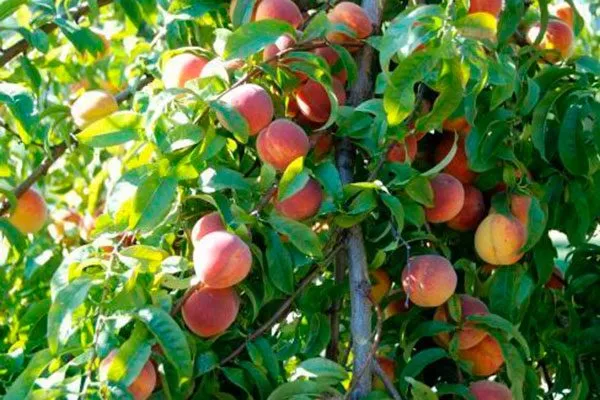
The central trunk is developing vigorously, and the light-brown branches are flexible. The root system is prone to vigorous growth.
Fruits and their taste characteristics
The fruits are suitable for both fresh consumption and canning. The large fruits, yellow-orange in color and with a blushed pale red surface, weigh 200 g or more (220-250 g in the south). They have a characteristic, pronounced pubescence.
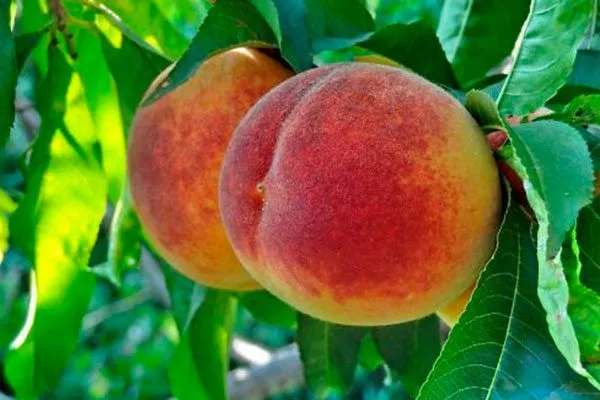
The yellow-orange flesh is rich in juice, fibrous, and medium-dense. The sweet flavor is accompanied by an attractive, powerful aroma, and the seeds separate easily from the flesh. The harvest will keep in the refrigerator for approximately 10-13 days.
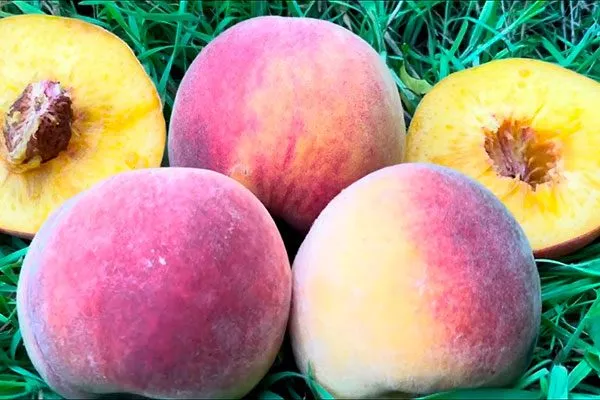
The fruits have a regular, round shape, and the skin is very firm but not tough. They are characterized by a honey-like sweetness with a slight, pleasant tartness. The average tasting score is 4.8 points.
Ripening period and fruiting
Frost is a delicious variety with a mid-late ripening period. The tree begins bearing fruit in the second or third year after planting. The harvest begins on August 20th. This variety is characterized by consistent and annual fruiting.
Productivity
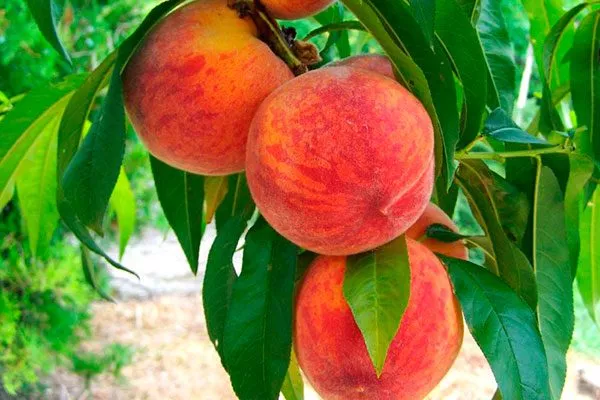
One of the variety's advantages is its high yield. Under favorable conditions, a single tree can yield 20 to 40 kg of juicy peaches per season.
Self-fertility and pollinators
It is a self-fertile variety and does not require pollinator trees. However, additional cross-pollination, if donor trees are planted in the area, improves productivity.
Soil, location and climate requirements
Loose, breathable, and fertile soil with neutral or low acidity is ideal for growing peach trees. The site should be slightly elevated, well-lit, and protected from drafts, with good air and heat circulation.
Frost resistance and the need for shelter
The plant is characterized by high frost resistance, withstanding temperatures down to -25 to -32°C. However, it requires winter protection. To do this, drive in special stakes and wrap the trunk in burlap or other protective material.
Resistance to diseases and pests
The plant is renowned for its robust immunity. It rarely suffers from powdery mildew or leaf curl. The only insects that can attack the plant are aphids, which can be controlled with timely preventative insecticide treatments.
Pros and cons of the variety
Before planting a crop, it is important to carefully study the positive and negative qualities of the crop in order to avoid possible difficulties in the future.
How to plant Frost peach seedlings?
The best time to plant a peach tree is spring, when the threat of frost has passed and the soil has warmed to 10–12°C. In regions with a mild climate, autumn cultivation is permitted.
- ✓ The depth of groundwater must be at least 1.5 m from the soil surface.
- ✓ The distance between seedlings should be at least 3 m to ensure sufficient feeding area.
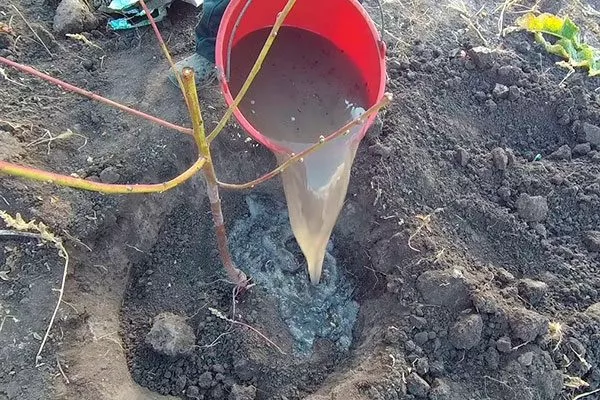
Consider the risk of frost, which could damage young plants. The optimal time is from mid-April to early May or from late September to early October.
Follow the recommendations:
- Choose sunny, slightly elevated sites with well-drained soil. Avoid low-lying areas where water can stagnate.
- For planting, prepare a hole 60-70 cm in size, depending on the root system of the seedling, so that the roots can unfold freely.
- Place a drainage layer of gravel or coarse sand at the bottom of the hole to prevent water stagnation. Mix the removed soil with compost or humus. This will improve soil fertility.
- Inspect the seedling's root system. If any roots are damaged or dry, trim them. If necessary, soak them in water for several hours before planting.
- Place the seedling in the center of the hole, spreading the roots so they don't bend. Make sure the root collar (the junction of the roots and the trunk) is level with the soil surface. Fill the hole with the prepared soil mixture, compacting it around the roots to eliminate air pockets.
- Water the seedling thoroughly to settle the soil and moisten the roots. Use settled, room-temperature water.
Place a layer of mulch (straw, sawdust, or compost) around the base of the seedling to retain moisture and prevent weeds.
Features of agricultural technology
To ensure your crop produces a bountiful harvest and remains healthy, ensure proper care. Key aspects of care include the following agricultural practices:
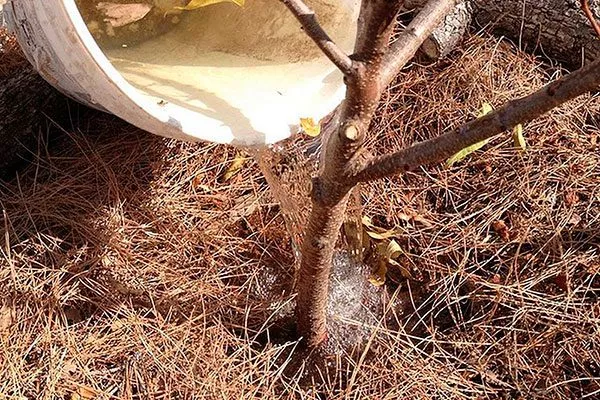
- Watering. Like other varieties, Frost requires regular watering, especially during active growth, flowering, and fruit formation. Maintain moderately moist soil, avoiding both drying out and overwatering.

Water in the morning or evening, directing the water at the plant's roots. Reduce the frequency during fruit ripening to prevent cracking. - Fertilizers. Regular fertilizing is essential for full development and fruiting. In the spring, before flowering, apply nitrogen fertilizer to stimulate shoot and leaf growth.
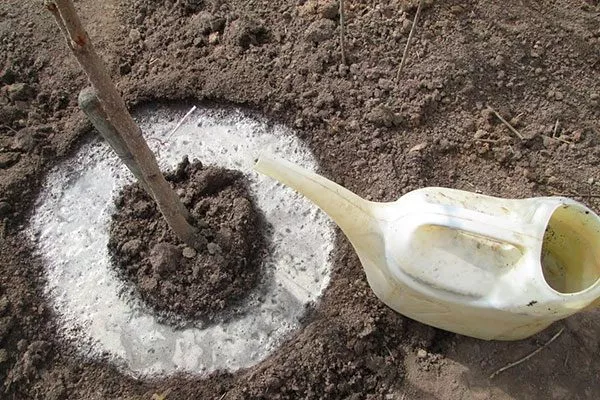
During flowering and fruit set, use complex mineral fertilizers containing phosphorus and potassium. In the fall, add organic matter (humus or compost) and potassium fertilizers to prepare the tree for winter.
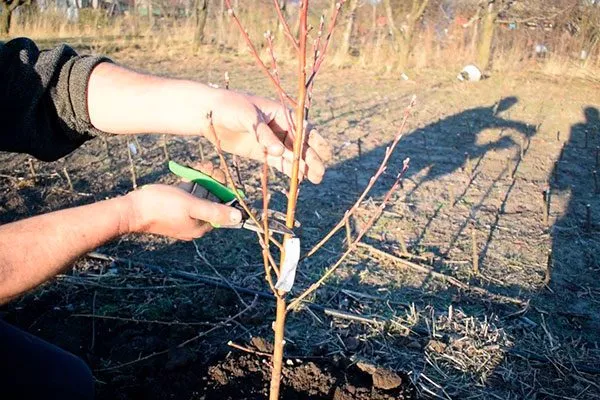
- Trimming. Proper pruning helps shape the crown, improve light and ventilation, and boost productivity. In the spring, perform sanitary pruning, removing damaged, diseased, and dead branches.
Formative pruning is necessary to create a strong and well-positioned crown. In summer, thin it out slightly to improve light access to the fruit.
Regular care of your peach tree will not only keep it healthy, but will also allow you to produce a rich, high-quality harvest for many years to come.
Reviews
Peach Frost is a variety that attracts attention thanks to its impressive characteristics. The combination of high frost resistance, self-fertility, and excellent fruit flavor makes it an excellent choice for both beginner and experienced gardeners. Minimal attention and simple care are essential to maximize productivity.