
The Fleming Fury peach is a variety that has won recognition among gardeners around the world (read about other best varieties Here). This is due to its impressive characteristics. It is distinguished by its large fruit size, which has earned it a place in the Guinness Book of World Records. It is also noted for its frost and disease resistance. It is important to carefully study the characteristics of the crop and ensure proper care.
Description of the fruit tree
The branches are covered with large, green leaves. This variety is known throughout almost every corner of the world and is considered one of the best late-ripening varieties bred in the United States.
Fruits and their taste characteristics
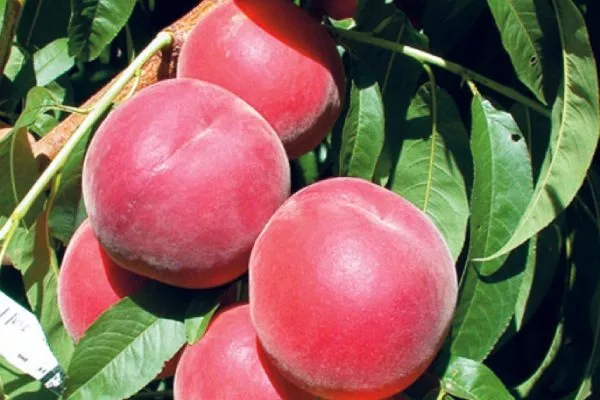
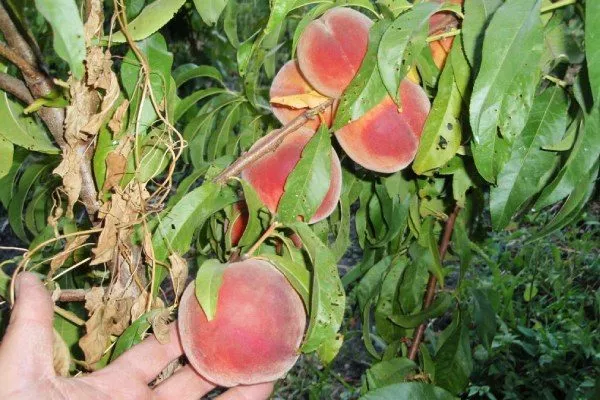
The fruits are large and round, weighing up to 250-280 grams or more. They are bright orange with a red blush. The flesh is juicy, yellow-orange, with red veins near the easily separated pit.
The taste is excellent, with a tasting score of 4.9-5 points. The fruit can be stored for up to one month.
Ripening time
Peaches are late-ripening and bear fruit annually. The peak fruiting period occurs in mid-September, and full ripening occurs under optimal soil and climate conditions and with proper agricultural practices.
Crop yields
The tree bears fruit generously, making it popular among gardeners in various regions. It is characterized by excellent productivity, averaging 60-80 kg of fruit.
Fleming Fury is self-fertile and does not require additional pollinators to be planted nearby.
Frost resistance and the need for shelter
Despite its winter hardiness, the plant requires protection from cold, as it thrives in warm temperatures. During winter, cover it by installing two stakes on each side of the trunk at the same height as the standard. Then wrap it in a bag (use a sugar cane bag).

If the winter is not too harsh, hill up the trunk with soil to a height of 50-60 cm, and mulch the trunk circle with humus or peat in a layer of 10-15 cm.
Climate and soil characteristics
The plant thrives in elevated, sunny areas, preferring a south-facing garden. It's important to ensure that large shrubs, trees, and buildings don't shade the young plant. Space the seedlings approximately 3 meters away from other plants.
Resistance to diseases and pests
Fleming Fury is resistant to many diseases, pests, and leaf curl. However, if not properly cared for, it can be susceptible to certain diseases, including fruit rot, leaf curl, moniliosis, powdery mildew, gummosis. They can be fungal, bacterial, or viral.
Pests that can attack the plant include spider mites, scale insects, aphids, and codling moths. Use biological pesticides instead of chemical ones in your garden or yard, as they are safer.
Disease and pest prevention includes:
- Cleaning up fallen leaves and fruit after harvesting.
- Sanitary pruning of the crown in late spring or early fall. Remove cracked and diseased branches, then dispose of them off-site.
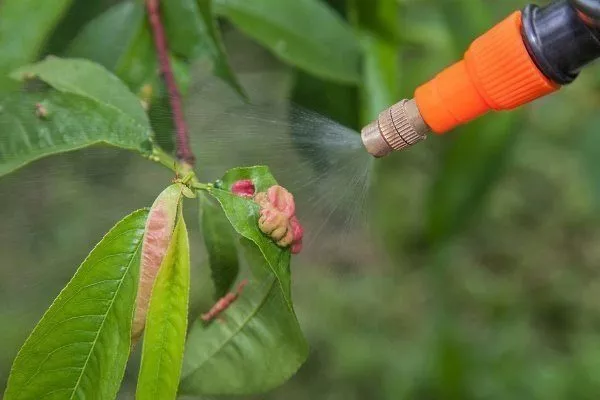
For treatment, use a 2-3% solution of Bordeaux mixture before bud break or after leaf fall. After leaf emergence, apply tank mixes with bioinsecticides and biofungicides. Repeat spraying after rainfall.
Landing of the Fleming Fury
Cultivating this crop requires careful attention to ensure healthy growth and abundant fruiting. Key steps for proper planting:
- Well-drained soil is essential. Before planting, dig and amend the soil. Light, fertile soil with a pH of 6-6.5 is ideal. Remove weeds and add organic fertilizer, such as compost or humus.
- Choose healthy seedlings with a good root system. Before planting, trim back any long or damaged roots. If the plant has a closed root system (in a container), carefully remove it to avoid damaging the roots.
- Dig a hole 50x50 cm in size and 40-50 cm deep. Place a drainage layer at the bottom of the hole if the soil has poor water permeability.
- ✓ The optimal planting depth of a seedling should be at least 40-50 cm, taking into account the drainage layer.
- ✓ The distance between seedlings should be at least 3 m to ensure sufficient space for the growth of the root system and crown.
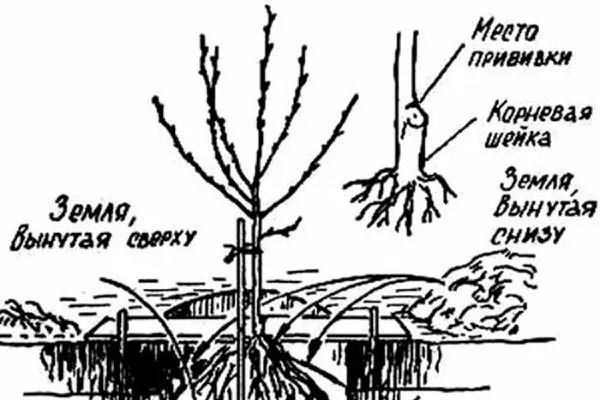
- Place the seedling in the center of the hole, spreading its roots out. Fill with soil, compacting it slightly to avoid air pockets. Make sure the root collar (the point where the roots connect to the trunk) is level with the soil surface.
- After planting, water the seedling thoroughly to ensure good root contact with the soil. Monitor moisture levels during the first few weeks to help the tree establish itself.
- In the first period after planting, formative pruning is not required, but if necessary, remove damaged or diseased branches.
Proper planting and care will help the peach tree quickly adapt to new conditions and lay the foundation for a bountiful harvest in the future.
Care Features
Caring for your crop involves several key aspects to ensure health and productivity. Follow standard agricultural practices:
- Watering. Provide regular watering, especially during dry periods. Apply water to the roots, avoiding contact with the foliage to prevent fungal diseases. Maintain even soil moisture, especially during fruit formation.
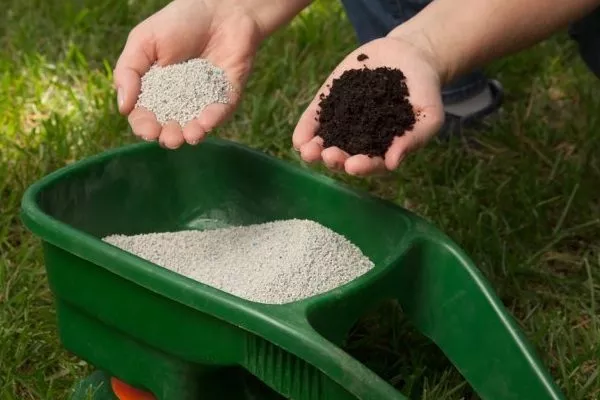
- Top dressing. Apply fertilizer to promote vigorous growth and fruiting. In spring and early summer, use complex fertilizers with a high nitrogen content to stimulate growth.
During fruit formation and after harvest, switch to fertilizers high in phosphorus and potassium to support fruit development and root strengthening. Organic fertilizers, such as compost or humus, are especially beneficial. - Trimming. Regular pruning helps shape the crown, improves ventilation and sunlight for all parts of the tree, and promotes better fruiting. Remove old, diseased, and crossing branches, as well as weak or poorly positioned shoots.
Pruning should be done in late winter or early spring, before the growing season begins. - Mulching. This procedure helps conserve moisture, prevent weed growth, and improve soil structure. Use organic materials such as straw, sawdust, or compost and apply a 5-10 cm thick layer around the tree trunk.
By following these guidelines, you can ensure your plant grows healthily, produces excellent fruit, and lasts a long time.
How to get seedlings from a seed?
Fleming Fury is renowned worldwide, but finding high-quality planting material in our country is difficult. However, experienced gardeners successfully grow this variety themselves, without resorting to nurseries or growers.
You can get seedlings from a regular fruit stone. Read about this method of peach propagation. HereThe process is not too complicated, but it does require following a few rules:
- Use seeds from fully ripe fruits that show no signs of spoilage.
- Give preference to zoned varieties and fruits with own-rooted plants.
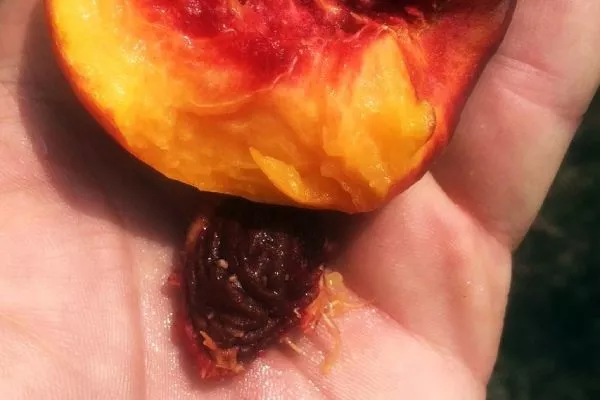
- Carefully remove the pulp from the pit and stratify it by placing it in a cool place for the entire winter. Use the fruit drawer in a regular refrigerator, covering the pits with damp sawdust or sand.
- Plant the seed after it cracks and a sprout appears.
- Prepare nutrient-rich soil. Before planting, disinfect the soil by warming it up.
- Place the seeds 4-5 cm deep into moist soil.
Transplant seedlings to their permanent location once they have established themselves and the threat of spring frost has passed. Fall planting isn't always effective, as plants that haven't yet established themselves can freeze over the winter.
Positive and negative qualities
Before planting a seedling, be sure to research its advantages and disadvantages to avoid potential difficulties. The crop has many advantages:
The variety has virtually no drawbacks. Gardeners only note the need for annual pruning. Without regular pruning, the tree's crown can become too dense, which negatively impacts fruiting.
Gardeners' reviews
The Fleming Fury peach is increasingly becoming a favorite choice for gardens and homesteads. Even novice gardeners can easily manage this task. It requires regular care and minimal attention, but will reward you with generous harvests in the future.