
The Champion peach attracts gardeners with its juicy and aromatic fruits. Its name speaks for itself – it is truly a champion among peach varieties thanks to its excellent varietal characteristics. This cultivar requires minimal attention and regular care to ensure abundant harvests and a strong immune system.
Who developed the variety and when?
The Champion variety for table use became known in the early 1980s. It was officially registered as a cultivated plant in 1991. Breeders at the Nikitsky Botanical Garden invested considerable effort in its development.
The appearance of the tree
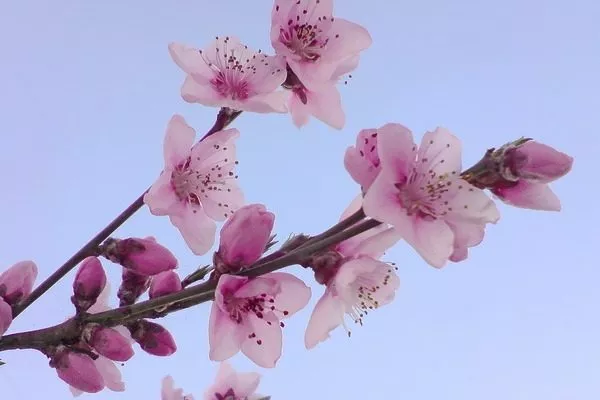
This is a medium-sized plant, reaching 3-4 m in height. It is characterized by the following qualities:
- Crown – broadly oval type with a slightly raised and spreading structure.
- Branches – grey-brown in colour and medium thickness.
- Foliage – thick, bright green, oblong-oval in shape with pointed edges.
Fruits and their taste characteristics
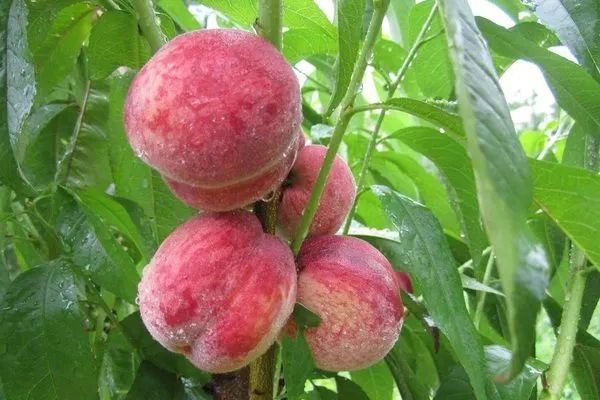
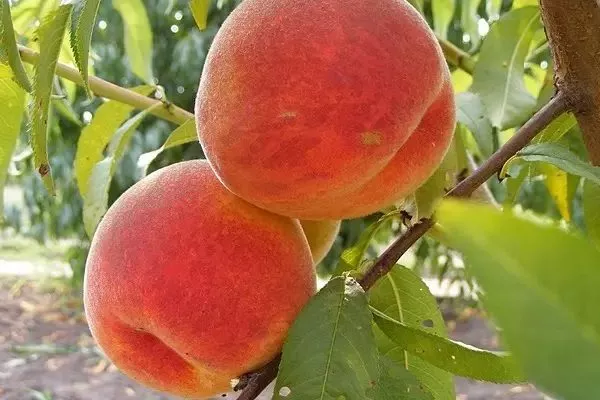
The trees produce medium-sized fruits. They weigh between 140-150 grams and are almost round in shape, with smooth skin barely covered with hair, creating a velvety appearance. The fruits ripen evenly, have a neat shape, and are of impeccable quality.
Features of peaches:
- The main part is painted in a bright yellow color, but there is a neat blush of a red-pink shade.
- The skin is elastic, and the white-yellow flesh has a tender, slightly loose and fibrous structure with high juiciness.
- The taste is dessert-like, honey-like, rich.
- Inside there is a stone that is difficult to separate from the pulp.
The fruits are intended for fresh consumption as a table crop. Surplus can be used to make compotes, preserves, jams, or juices. Their excellent flavor and texture make them ideal for pie fillings.
Self-fertility and pollinators
Champion is a self-pollinating variety, allowing it to thrive and produce fruit even without the presence of other pollinating trees. Under these conditions, the pollination rate is approximately 50-60%.
If nearby peaches grow at the same time during their bloom period, this can help increase fruit production.
Ripening period and yield
It belongs to the category of early-bearing crops. The first harvest can be expected within 3-4 years after planting. This tree bears fruit annually, without a dormant period. Ripe fruits are harvested immediately after ripening, as they tend to fall off quickly.
Most fruits ripen from mid-July to the end of that month. Harvesting occurs in two stages. The yield is high. With proper care, a tree can produce up to 60-70 kg of juicy and delicious fruit per season.
The fruits have poor shelf life, like many other early varieties, but when stored properly, they can retain freshness and flavor for up to a week. Only those picked slightly before full ripeness are suitable for transportation.
Care and cultivation
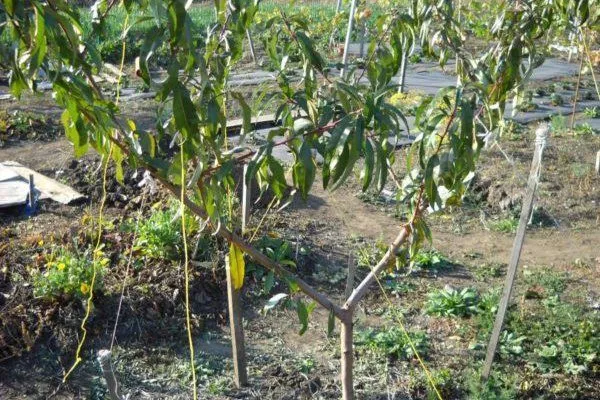
To successfully plant a Champion peach tree, prepare the soil before proceeding. Follow these recommendations:
- Add organic and mineral fertilizers, dig and irrigate the beds.
- Dig a planting hole 60-70 cm in diameter and depth.
- The day before planting, soak the seedling in water and treat the roots with antifungal agents.
- Spread the seedling's roots in the hole and fill it with soil, compacting it firmly around the roots. Make sure the planting node (the junction of the roots and the trunk) remains level with the soil surface.
- Water the planted plant generously to ensure the soil is well moistened.
- Spread a handful of organic mulch (straw, hay, sawdust, etc.) around the plant's trunk to retain moisture and suppress weed growth.
- The distance between trees should be at least 1.5-2 m.
- When caring for the plant, fertilize it 2-3 times per season: with organic fertilizer in the spring and with mineral fertilizers containing potassium and phosphorus during flowering and fruiting. Apply the final fertilizer in the fall before winter.
- Water the plant 2-3 times per season, depending on climate conditions. In arid regions, moisten the soil as it dries out, while in temperate climates, adjust the watering according to the amount and frequency of rainfall.
Perform sanitary pruning in the fall and spring. During this procedure, remove all damaged, old, and frozen branches.
Diseases and pests
This variety is resistant to diseases and insects, but preventative measures can be helpful. Treat the plant with fungicides and insecticides in the spring to prevent potential problems.
Frost resistance and the need for shelter
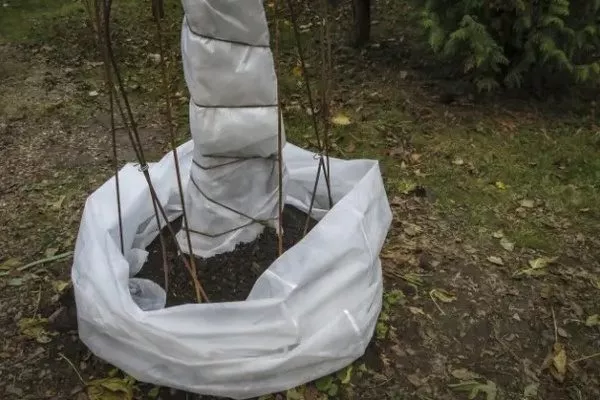
The plant is characterized by high resistance to low temperatures and can withstand temperatures down to -30°C. Flower buds can withstand temperatures down to -8°C, and flowers that have already blossomed will not be damaged by temperatures above 0°C.
Advantages and disadvantages
Early peach is widely popular among gardeners and farmers who grow the crop. This popularity is due to several factors:
Gardeners consider the following to be the disadvantages of the variety:
Reviews
The Champion peach has won the recognition of gardeners and farmers for its high yield, excellent fruit flavor, and resistance to adverse conditions. It has few drawbacks, all of which are offset by its positive qualities and proper care. Timely maintenance will ensure a well-developed plant.