
Most peach tree varieties are susceptible to various fungal diseases and harmful insects. Knowing the main symptoms helps provide timely assistance and save the harvest. Early detection of the disease can prevent many unpleasant consequences, one of which is the death of the plant.
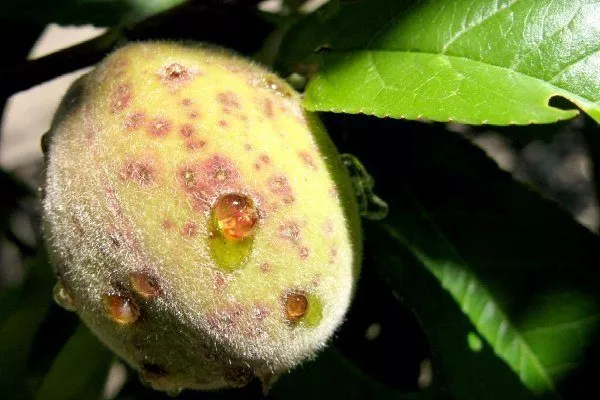
Peach diseases and their treatment
When discussing peach tree diseases, we typically mean fungal infections. To eliminate the causative agent, or fungus, fungicides are used.
| Name | Type of disease | Period of activity | Treatment methods |
|---|---|---|---|
| Leaf curl | Fungal | Spring | 1% copper sulfate, fungicides |
| Moniliosis | Fungal | Spring, summer | Fungicides, removal of affected parts |
| Clusterosporiasis | Fungal | Spring, autumn | Fungicides, sanitary pruning |
| Powdery mildew | Fungal | Summer | Colloidal sulfur, removal of affected parts |
| Cytosporosis | Fungal | Spring, autumn | 3% copper sulfate, removal of affected parts |
Leaf curl
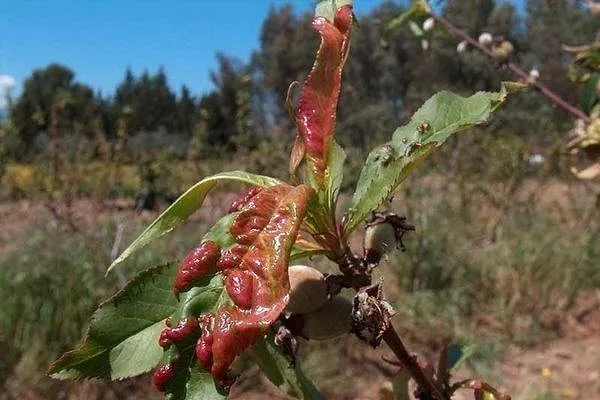
The most dangerous and common fungus affecting peach trees is Taphrina. In the spring, fungal spores penetrate the plant's buds and shoots. Pale green blisters can be seen on the leaves, and if left untreated, they turn crimson and develop a layer of plaque. The blackened foliage dries out, becomes brittle, and falls off.
Leaf curl primarily affects young plants, those less than two years old. The disease also affects the tree's branches, which turn yellow, become deformed, and dry out. Flower heads stop growing, preventing fruit development.
At the first signs of leaf curl, immediately prune all diseased shoots and burn them. Then, treat the affected areas with 1% copper sulfate. In the fall, as a preventative measure, collect and burn all fallen leaves, and prune the branches. Before the flowers form, treat the plant with a fungicide.
Moniliosis
Stone fruits (peaches are no exception) have weak immunity to moniliosis. This fungal disease is particularly active in the spring, when blossoms are just beginning to form on the branches. The fungus is spread by bees collecting nectar.
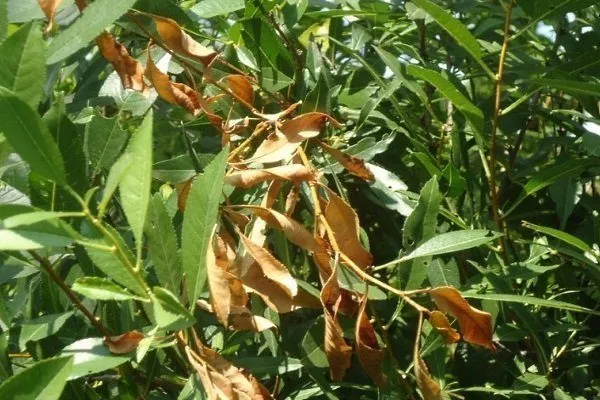
A diseased peach tree appears limp and drooping, as if scorched by a strong fire. This is why this disease is sometimes called monilial blight. When monilial blight is detected, all affected branches are cut off and burned. As with leaf curl, the affected areas are treated with a fungicide.
In hot summers, monilial blight can manifest itself as fruit rot, causing devastating effects on the fruit. Rotten peaches should be picked and burned to prevent the spread of the infectious disease.
Clusterosporiasis
The ideal environment for the spread of clasterosporium is a temperature of 20°C. Therefore, gardeners need to be especially vigilant in the spring and fall. Under certain temperature and humidity conditions, the fungus infects the entire plant in just 19-20 hours. After 5-6 days, the tree may be infected with clasterosporium.
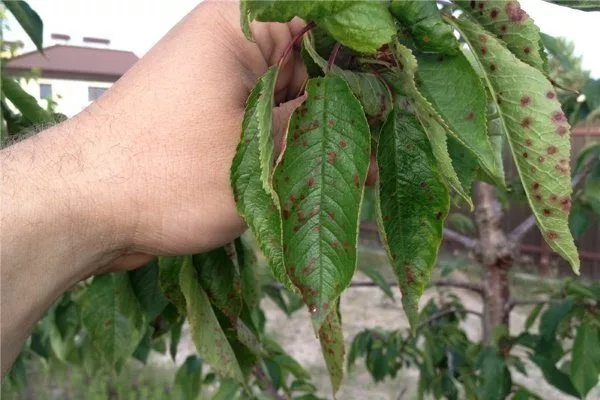
The main symptoms of this fungal disease are burgundy spots on the leaves. If left untreated, these spots double in size. The fungus can also damage the fruit, causing rotting. Treatment involves pruning the branches and treating them with any available fungicide.
Powdery mildew
The marsupial fungus can also cause another disease called powdery mildew. It affects foliage, shoots, and fruit. Young trees are particularly susceptible. Symptoms appear in early summer and continue to develop until midsummer.
This eventually leads to a thin layer of plaque appearing on unripe peaches. Affected fruits stop developing and begin to rot.
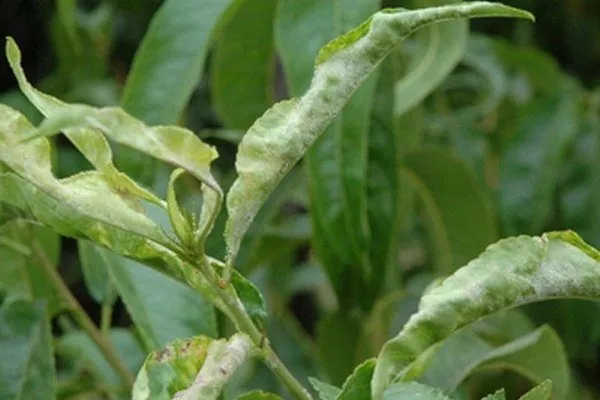
To prevent powdery mildew, remove all diseased peaches and branches with leaves. Then, treat the trees with a 1% colloidal sulfur solution.
Cytosporosis
This fungal disease only appears when proper care is lacking. In a neglected garden, the fungus spreads quite quickly and affects all stone fruit plants.
The risk of developing this disease in a healthy and well-maintained tree is minimal. This fungal disease develops in the spring and continues until late autumn, damaging most of the branches.
The fungus also develops in the tree bark. Unlike branches, affected bark is much more difficult to remove, but it is absolutely necessary. Otherwise, the plant will likely die by the beginning of the winter season. To prevent the painful progression of peach tree leaf spot, damaged branches are removed and treated with 3% copper sulfate.
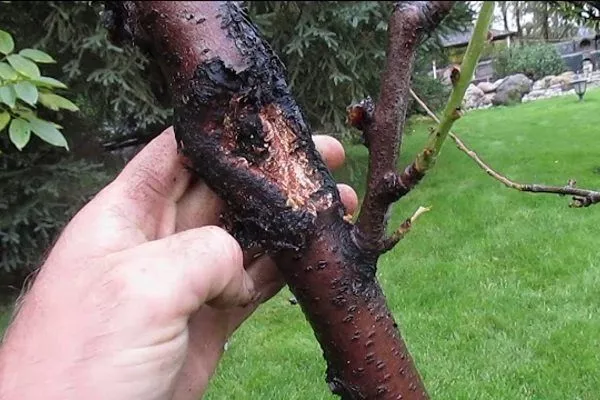
It's important not to overdo the recommended proportions of the fungicide used. For example, copper sulfate is a fairly strong chemical that can weaken the plant's immune system.
Pests on peaches and how to control them
Like any other stone fruit plant, peach trees are sometimes attacked by harmful insects. These insects can not only cause serious damage but also lead to the tree's death. A fungicide can help combat both insect pests and fungal infections.
Insecticides are used to kill insects, killing the insects themselves while causing minimal damage to the tree. Fungicides are used as a preventative measure to prevent the development of new pest threats.
| Name | Pest type | Period of activity | Methods of control |
|---|---|---|---|
| Oriental codling moth | Insect | Summer | Traps, lime mortar |
| Aphids on a peach tree | Insect | Spring, summer | Insecticides, alkaline tinctures |
| Fruit striped moth | Insect | Spring | Insecticides, removal of affected parts |
| Ticks | Arthropods | Spring, summer | Colloidal sulfur |
| Weevils | Insect | Summer | Manual collection, insecticides |
Oriental codling moth
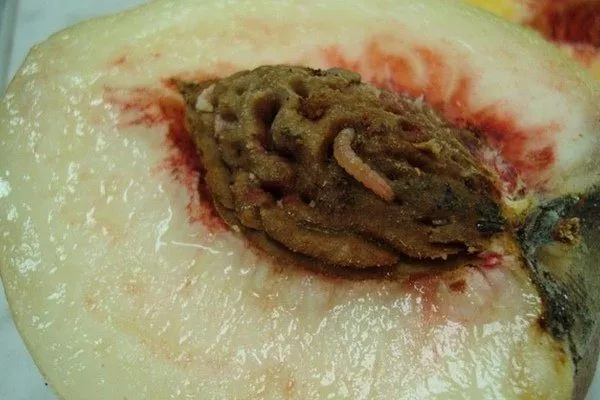
The oriental codling moth is a type of butterfly. Its wingspan can exceed 2 cm. This insect pest's primary threat is laying numerous eggs on young shoots or multiple fruit ovaries. By late summer, the moth switches to feeding on the peach fruit itself, then migrates to overwinter in the bark or fallen leaves.
Next season, the peach tree will be infested with codling moths, which have grown and are beginning to eat the foliage, young blossoms, and even the bark. The only way to protect the plant from the harmful effects of this insect is to pick them off by hand and promptly remove the infested areas.
Special traps made from strips of fabric and a non-drying adhesive solution are effective in combating codling moths. This prevents the insects from climbing onto the tree bark. Painting the tree trunk with lime mortar works on the same principle.
Aphids on a peach tree
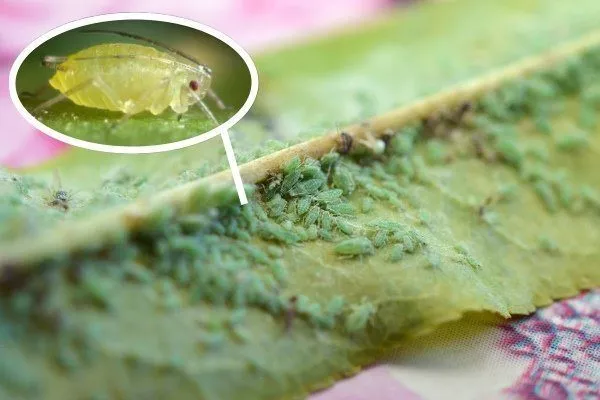
Aphids not only significantly weaken the peach tree's immunity but also contribute to the development of sooty mold. It's easy to spot an aphid attack; just look under a few leaves on the peach tree—the insects congregate in the densest foliage. Curly foliage and crooked shoots indicate that aphids have been infesting the plant for a long time.
Before fruiting begins, you can get rid of the pest with any insecticide. However, once the tree has produced young fruit, there's only one acceptable method for controlling aphids—the insects absolutely hate strong, alkaline odors. Therefore, spray the leaves with an infusion made from garlic cloves, laundry soap, and onion peels.
Fruit striped moth
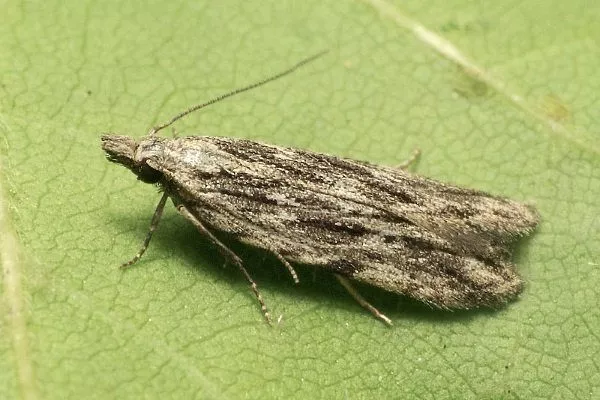
In appearance, the fruit moth may resemble a small butterfly. However, its ability to destroy shoots in a short period of time makes it one of the most dangerous pests. Despite its small size, the striped fruit moth can cause colossal damage. Its caterpillars can burrow into buds or young shoots, causing their death.
An effective method for getting rid of fruit moth on peach trees is treating the tree with insecticides. The most well-known are Metaphor and Chlorophos. If you notice an area infested by the striped moth, it should be immediately removed and burned. Then, the fresh cut should be treated with garden pitch.
Ticks
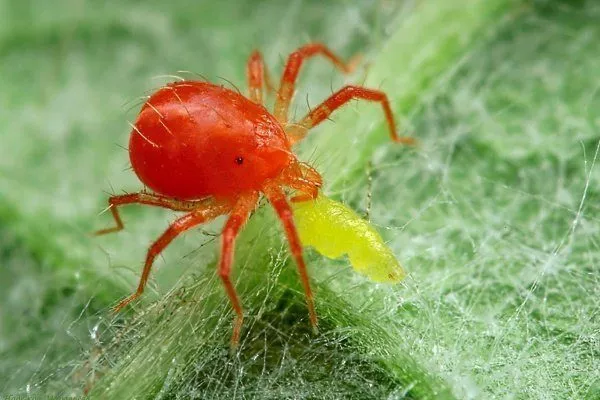
The mites that damage peach trees are not insects, but rather arthropods. Therefore, insecticides capable of killing the pests are not suitable. It's impossible to detect mites on the plant because their tiny size prevents humans from detecting the problem. However, changes in the plant can be noticed immediately.
Buds infested by mites become deformed and begin to grow sideways rather than upward. They may also noticeably increase in size. The mites can cause yellow spots on the leaves, which can cause them to fall off.
Left untreated, mites spin a web-like nest in which they live and reproduce. Colloidal sulfur is an effective treatment for mites. Treatment is carried out even before the peach tree begins to bloom.
Weevils
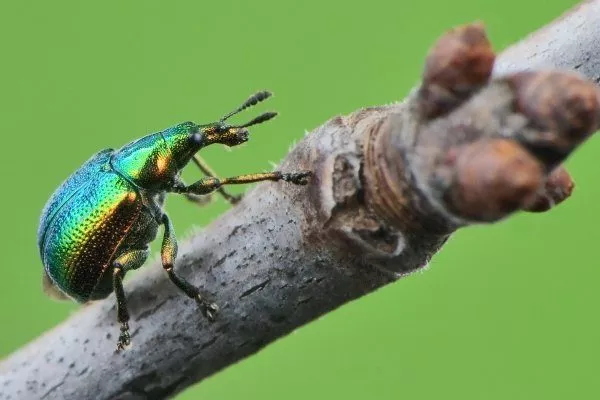
The bluish and greenish coloured bugs are pests called weevils. They feed on the leaves of all fruit trees, causing irreparable damage to the buds, blossoms, and fruits of the peach tree. If the insects' reproduction, which often occurs on the leaves, is not prevented in time, most of the leaves will be damaged by mid-summer.
Control of the insect is strictly manual. It will take a considerable amount of time to collect all the weevils. Special products such as Inta-Vir and Decis can be used as a preventative measure.
Prevention of peach diseases and pest damage
There are a number of recommendations that will help any gardener, both novice and experienced, care for their peach tree. To prevent potential plant diseases and pests, simple preventative measures should be taken:
- In early autumn, when leaves begin to fall from the tree canopy, collect them and burn them. Dried weeds, removed shoots, and dead branches can also be added to the fire. After burning, collect the remaining ash; it will make an excellent fertilizer for the peach tree.
- In late fall, dig deep around the peach tree's trunk. This will allow access to pests that live in the soil during the winter. Once they reach the surface, they will be killed by frost, ensuring greater safety for the peach tree in the spring.
- Treat the tree trunk with limewash. This can be done either in late autumn or very early spring.
- Before winter, treat the peach tree's crown with a 3% copper sulfate solution to kill the fungus.
- In early spring, install a special trap on your peach tree. It's called a trapping belt, and it will help catch garden pests. The belt can be made from a variety of common materials, such as paper, cardboard, plastic film, any old bag, or rubber.
- In spring, treat the crown of the peach tree with fungicide and insecticide solutions to prevent fungal diseases.
- Use toxic chemicals to control harmful insects only after careful preparation.
- A good solution is to use a prepared mixture of products such as Decis and Horus, but be sure to follow the dosage instructions. These products will provide reliable protection for the peach tree from garden pests and fungal diseases simultaneously. Apply one treatment before flowering and two after flowering, maintaining an interval of at least 10-15 days.
- ✓ The concentration of copper sulfate must strictly correspond to 1% for young trees and 3% for mature trees to avoid burns.
- ✓ Carry out treatment in the morning or evening hours to avoid sunburn on the leaves.
- ✓ The air temperature during treatment should not exceed 25°C, otherwise the effectiveness of the product will be reduced.
How to help a peach tree recover from illness
During various diseases, the peach tree's immunity is weakened, and these illnesses weaken the tree, increasing the risk of not surviving the winter. To ensure recovery, the tree needs proper nutrition and fertilizers with a favorable mineral balance—a wide range of insecticides, fungicides, and acaricides are available.
To protect a peach tree from the cold, proper thermal insulation is essential. After an illness, it's important to ensure the plant's proper recovery. To improve the peach tree's immune system and its development, you can use products containing phytoactive properties that stimulate development and growth, as well as various immunomodulators.
- ✓ Fertilizing with potassium-phosphorus fertilizers in the fall to strengthen the root system before winter.
- ✓ Provide moderate watering during the recovery period, avoiding over-watering.
- ✓ Mulching the tree trunk circle with organic materials to protect the roots from frost.
Aside from peach trees' high susceptibility to various fungal diseases and potential fruit damage from pests, proper cultivation will prevent complications. With careful disease prevention and a prompt response from the gardener to the first signs of disease and pests, peach trees will thrive and bear fruit.