
The apricot tree is fairly resistant to various diseases, but growing in our climate, it often suffers from fungal diseases. If you plan to grow this fruit in your garden, it's important to be prepared to combat apricot diseases. To do this, you need to know the most common apricot diseases and effective treatments.
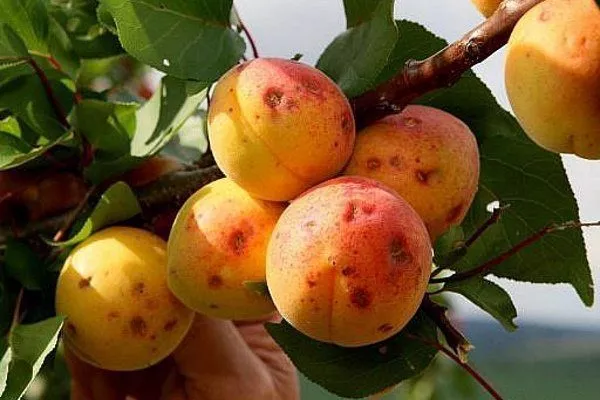
Types of apricot diseases and their treatment
Regular and timely care for apricot trees is the key to fighting harmful microorganisms and infections. Spraying, which is most often done in the spring, is recommended only after sanitary pruning and clearing the affected area from the tree. After this, you can begin sealing the cut.
Generally, apricot trees are susceptible to some form of fungus. The situation is exacerbated by regular rainfall in the spring and summer. Therefore, it is recommended to whitewash the tree trunk annually and spray the leaves with a fungicide. As autumn approaches, periodically collect and burn fallen leaves to prevent them from rotting. High humidity accelerates the development of fungal diseases such as moniliosis.
Moniliosis
Moniliosis is a fungal disease that causes the rapid death of the entire tree. To recognize the disease, it's important to carefully inspect the plant. With moniliosis, the leaves turn brownish and dry out, the fruit begins to rot, and gray "cushions" develop on the bark of the trunk.
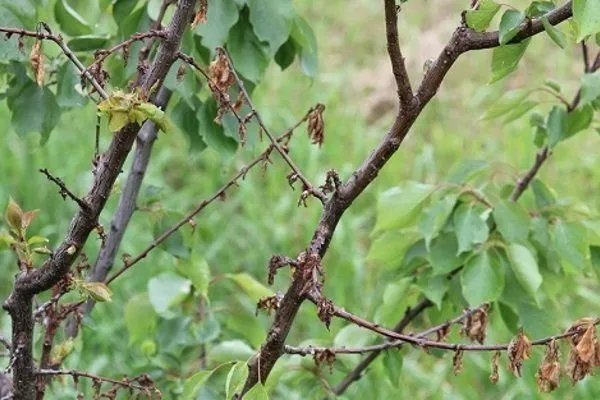
This problem is caused by the Manila fungus, which is most active on cloudy and humid days. Therefore, if prolonged precipitation is expected, it is recommended to pre-treat the tree with a 3% solution containing copper oxychloride (at a rate of 30 g per 10 liters of clean water). A 1% solution of "Skor" (at a rate of 2 ml per 10 liters of water) is also an excellent alternative. Both solutions are easier to apply with a spray bottle, which allows you to spray the bark and leaf crowns.
Monilial burn
This disease is a form of moniliosis, also caused by the dangerous Manila fungus, but manifests itself through damage to the fruit and leaves. The leaves literally dry out and fall off within a couple of days. If left untreated, the fruit will soon begin to rot, threatening the loss of the entire harvest.
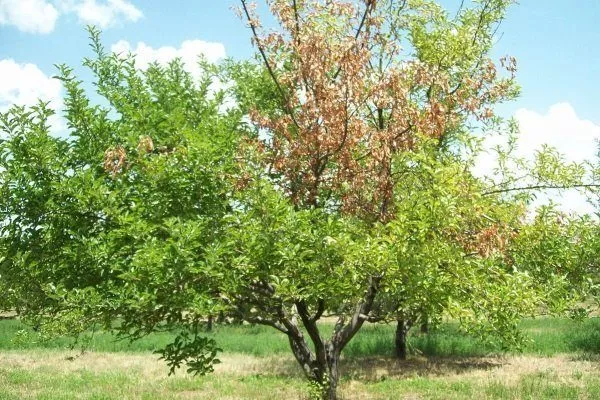
It's impossible to physically spray every branch with the medicinal solution, as tree heights range from 3 to 12 meters. It's advisable to at least treat the larger branches located at the base of the tree, and don't forget the bark of the trunk. This should enhance the plant's protective properties.
The same solutions used to treat moniliosis are used as a treatment. It's important to follow the recommended proportions, otherwise you risk burning the tree.
Fruit gray mold
Fruit gray mold is a consequence of neglected moniliosis. This time, the fungus attacks the fruit. Removing the affected apricot tree promptly can prevent the disease, but spotting the initial infection can be difficult. Rotten fruits remaining on the branch mummify with the onset of winter. In the spring, the fungus "descends" along the fruiting branch and spreads to young ovaries. This eventually causes the rapid death of the entire tree.
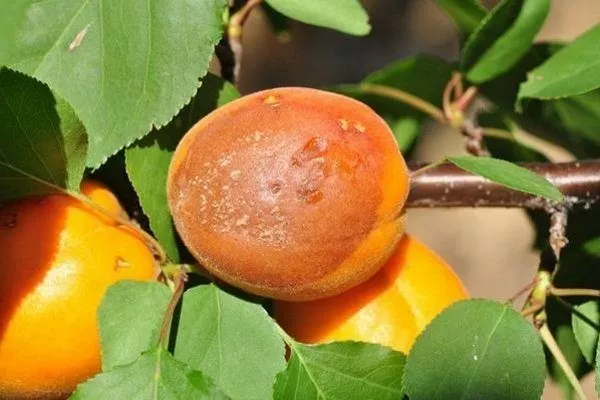
The only effective way to combat gray mold is the timely removal of damaged shoots, branches, and inflorescences. It is recommended to remove the latter, including a ten-centimeter section of healthy tissue.
As a preventative measure, use Nitrafen, which is sprayed on the base of the plant and the surrounding soil (at a rate of 200-300 g per 10 liters of clean water).
Brown leaf spot
This disease, known as gnomonium leaf spot, causes spots to appear on the foliage of apricot trees. It manifests itself insidiously, and at first, gardeners may not even notice the change in foliage color. Over time, the affected leaf begins to harden and curl, causing itself to dry out, but it does not fall from the branch.
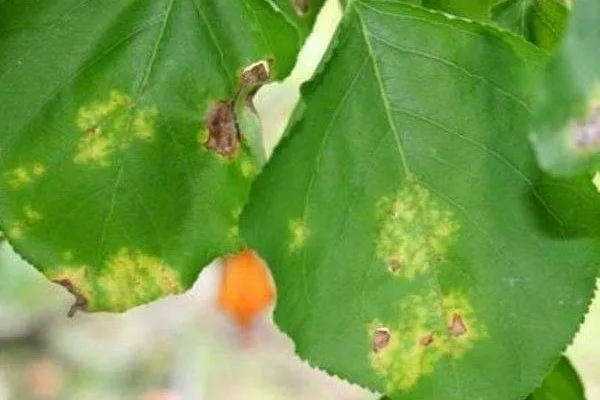
An advanced apricot tree disease is virtually impossible to cure. Therefore, at the first sign of spots, spraying with products such as "HOM" and "Abiga-Peak" is recommended. If necessary, treatment can be intensified in early summer and fall using a "Horus" solution. As a preventative measure, pruning dry branches and then painting the cuts with oil paints is quite effective.
Leaf curl
Leaf curl is caused by infected shoots, uncollected fallen leaves, and buds. The fungus can penetrate bark crevices and spread the infection. Leaf curl appears in the spring on fresh, young foliage. The foliage gradually becomes deformed by the thickening of the vein folds. Affected leaves take on a grayish-greenish tint and eventually fall off.
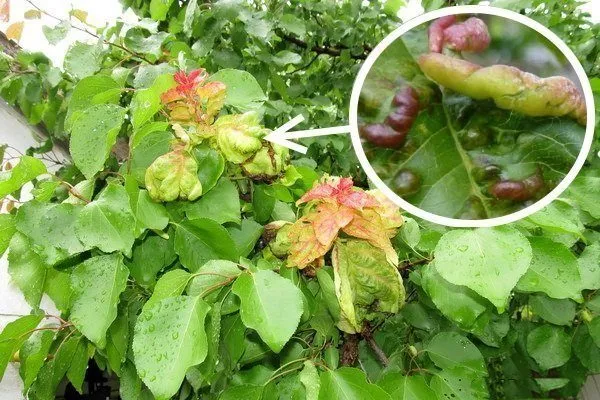
A 5% solution of cuprous chloride and copper sulfate helps combat leaf curl. Spray the buds with it for 2-4 days, even before flowering. Young leaves that have already blossomed are treated with a solution containing polycarbocin. The main component of this solution must be mancozeb, which is extremely effective in combating leaf curl.
Hollow spot
Clasterosporium leaf spot, or holey spot, is the most common fungal infection of all fruit trees. The main symptom of this disease is the appearance of small, barely noticeable, burgundy spots on the tree's foliage, which develop into holes in the summer. Affected leaves subsequently begin to dry out and fall off.
Shot hole is caused by prolonged rainfall and humidity. Failure to promptly remove decayed plants and wood can trigger the development of clasterosporium.
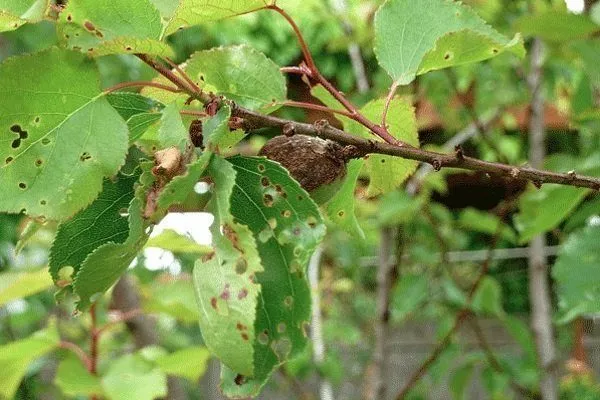
The disease can be prevented by removing the affected part of the fruit tree. However, this is not recommended in damp or cloudy weather. Immediately treat the cut with a lime solution and copper sulfate solution. Removed branches must be burned to completely kill the fungus.
Stone fruit scab
Stone fruit scab appears on young fruit trees. The main symptom is brownish-greenish spots on the fruit, which appear when the apricot tree reaches 2-3 cm in diameter. Over time, the spots darken and develop a rough crust. This distinctive coating serves as a hub for fungal infection and can spread to the entire fruit, rendering it unfit for consumption.
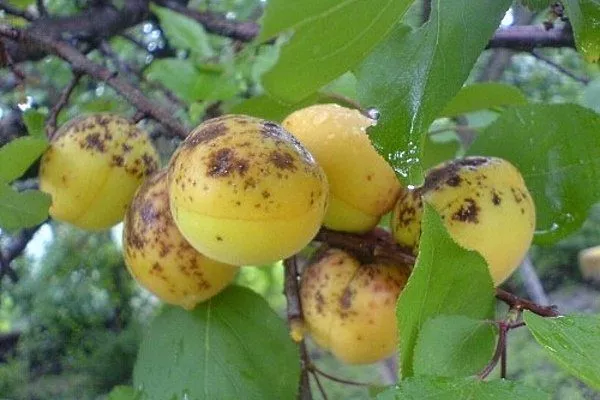
Treatment for stone fruit scab is a two-step process: removing affected fruit and spraying the branches with a fungicide three times at 12-14 day intervals. Solutions containing 25% difenoconazole are particularly effective.
Fusarium wilt
Fusarium wilt can be detected in early spring. Ulcers appear on the affected branches, the foliage becomes dull, and the bark develops a distinctly sour odor. Fusarium wilt of apricot trees is chronic, and its development is facilitated by sudden temperature fluctuations, high humidity, lack of sunlight, and lack of fertilization. Fusarium wilt affects trees with weak immune systems and microdamage such as cuts or cracks.
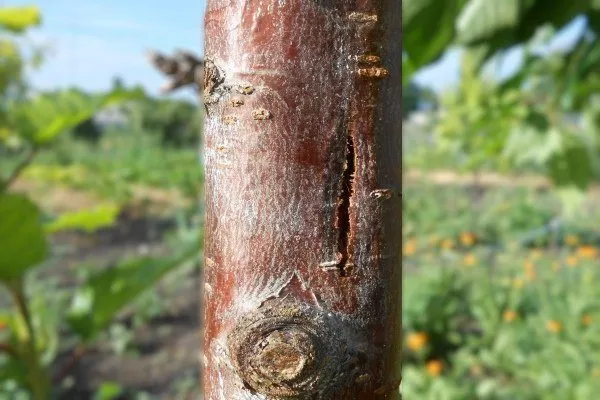
The only way to protect an apricot tree from fusarium wilt is by carefully caring for it: treating wounds promptly, pruning, watering, and fertilizing the soil.
Plant debris from an infected tree is one of the main carriers of infectious diseases, so it must be burned after pruning.
Cytosporosis wilt
Of all fruit tree varieties, cytosporosis is the most common It most often occurs on apricot saplings. The fungal infection penetrates the tree's cut surface and causes it to dry out. Cytosporosis can be recognized by brownish streaks on the upper part of the shoot. The trunk bark becomes covered with medium-sized spots, and the foliage begins to dry out quickly. After some time, if left untreated, the apricot tree dies.
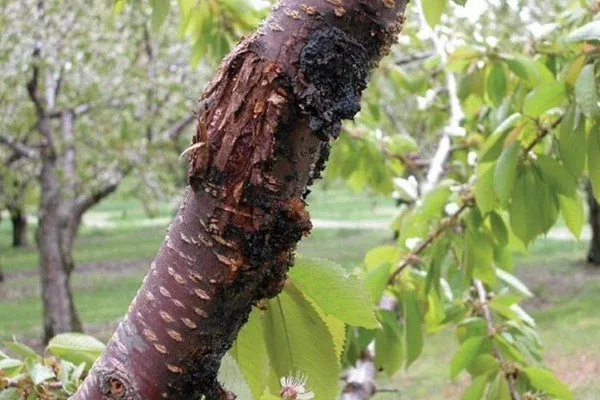
The key to preventing Cytosporosis is protecting the tree from damage. Any injuries to the apricot trunk should be treated immediately with garden pitch. Once the plant has been infected, it cannot be completely cured.
As a preventative measure, it's acceptable to use soil fertilizers containing potassium and phosphorus. These vitamins will allow the plant to develop protective functions, thereby creating a barrier to fungal infections.
Virticella wilt
The disease manifests itself in early summer, infecting branches and foliage. Before falling, leaves take on a dull yellowish tint. To confirm that the tree is indeed infected with verticillium wilt, cut the infected branch and inspect it from the inside. The affected tree develops brownish spots with strange, curved lines. A mature plant dies gradually, not suddenly. The infected tree stops growing, remains stunted, and bears no fruit until it dies.
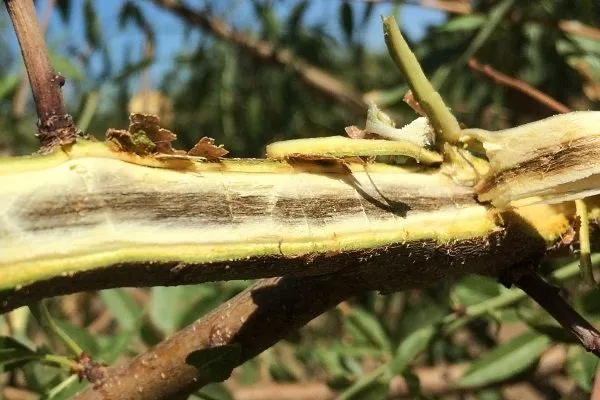
This disease is characterized by wood necrosis. Unlike cytosporosis, affected branches turn black internally, while the bark and phloem remain intact.
Verticillium wilt is currently impossible to cure. The only effective way to prevent infection is to plant apricot seedlings in healthy, good soil, where nightshades have not previously grown. The disease is primarily caused by a soil-borne fungus, so fumigation (soil fumigation) is necessary before planting.
Pests of apricot trees and their treatment
Apricot trees' susceptibility to various fungal diseases isn't the only factor reducing yields. In addition to unfavorable weather and high humidity, fruit trees are particularly vulnerable to insects and pests. If the source of the disease is identified promptly, eliminating the pest is relatively easy.
- ✓ The concentration of copper oxychloride must be strictly 3% to avoid burning the leaves.
- ✓ Spraying should be carried out in the morning or evening hours to minimize evaporation of the product.
Fruit striped moth
Visually, the striped fruit moth resembles a small butterfly and can destroy up to six shoots at a time. Despite its small size, it can cause colossal damage to stone fruit plants. The caterpillar burrows into a bud or young shoot, thereby dooming them.
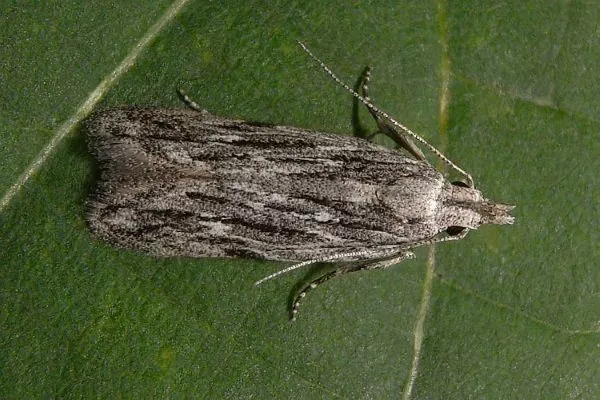
An effective way to get rid of the fruit stripe moth is to treat it with insecticides. The most effective products are Metaphor and Chlorophos. The affected area should be immediately removed and burned. Fresh cuts should be treated with garden pitch.
Leaf roller
At first glance, this insect doesn't seem like a pest. It has an interesting tiger-like coloring and is small in size. The leaf roller's favorite food is apricot tree leaves. To protect itself from potential danger, the insect rolls the leaf into a tube, where it then hides.
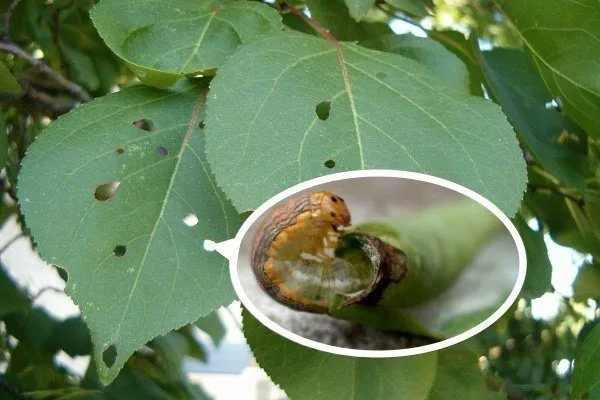
Leaf roller control involves treating the plant with a concentrated Chlorophos solution. However, this procedure should only be performed after harvesting.
Aphid
One of the most dangerous insects that can harm apricot trees is aphids. They not only significantly reduce the plant's defenses but also create favorable conditions for the development of sooty mold.
It's easy to spot an aphid attack: just look under a couple of leaves on large branches. Aphids like to gather in colonies in leaf veins. Curly foliage and crooked shoots indicate that this insect has already caused significant damage to the plant.
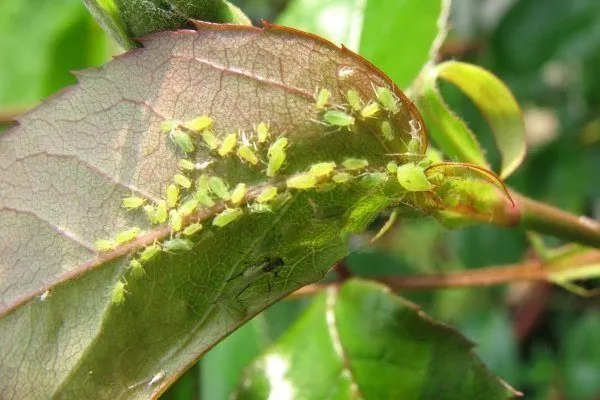
Before fruiting begins, aphids can be controlled with any specialized product. However, if the apricot tree has already produced several fruits, there's only one way to combat them—they don't tolerate strong odors and alkalis, so spray the leaves with an infusion made from laundry soap, garlic cloves, and onion peels.
Codling moth
The pest resembles a butterfly, with a wingspan that can reach 2 cm. This insect is dangerous because it lays large numbers of eggs in ovaries or on young shoots. By the end of summer, the codling moth switches to feeding on the tree's fruit, after which it overwinters in the bark and fallen leaves. The following season, the entire plant will be covered in mature codling moths, which are capable of feeding on leaves, bark, and young inflorescences.
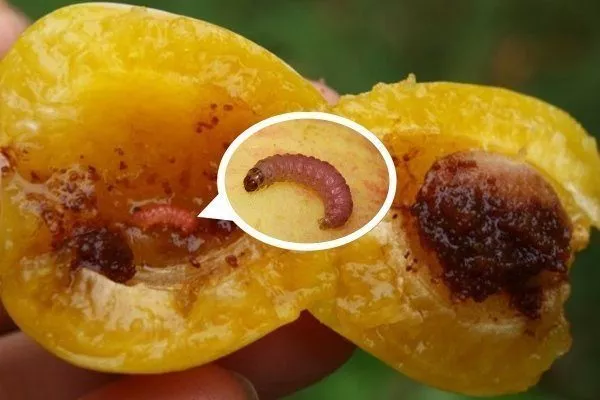
You can protect your tree from the harmful effects of the insect by collecting it and promptly removing infested areas. Traps made from strips of fabric and a non-drying adhesive solution, which prevents the codling moth from climbing onto the tree's bark, are also effective.
Weevils
Greenish or bluish bugs that appear on apricots are weevils. Insects feed on the foliage of fruit trees, inevitably damaging buds, inflorescences, and fruits. If their reproduction on the tree's foliage is not prevented in time, most of the foliage will be damaged by mid-summer.
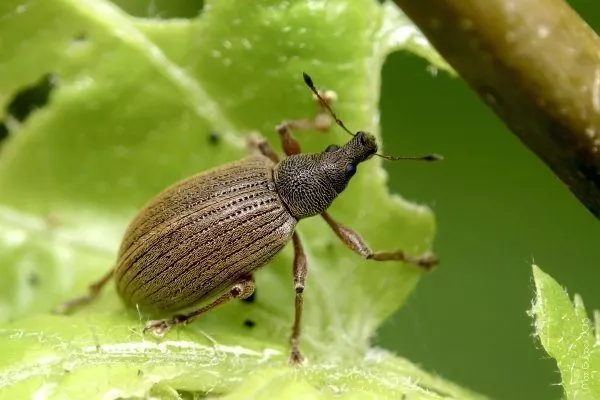
Control the insect manually – collect and destroy all the bugs. As a preventative measure, use specialized products such as Inta-Vir and Decis.
Prevention of apricot diseases
The apricot tree is quite susceptible to various infectious diseases, so gardeners are strongly advised to periodically carry out simple preventative measures:
- Carefully select material for planting and grafting.
- Treat all instruments used and your hands with an antiseptic (it is better to use gloves).
- Strengthen the plant's protective properties through regular soil fertilization containing potassium and phosphorus.
- Treat fresh cuts with garden pitch.
- Regularly whitewash the tree trunk with lime solution.
Protecting apricots from pests and diseases
Cloudy and rainy weather is a perfect breeding ground for fungal infections. However, by following the recommendations of experienced gardeners, the risk of apricots contracting fungus is reduced to zero. Avoiding disease and pests will ensure a bountiful harvest and healthy plant growth.
Processing apricots in spring
The plant's primary care period is spring. At this time, the tree needs fertilizing and protection from harmful insects and diseases. It's advisable to whitewash the trunks with lime diluted in water. After a few days, spray the foliage with fungicide solutions such as "Skor," "Horus," or "Switch."
As a preventative measure against pests, use insecticides such as Actellic and Karbofos. Keep in mind that any chemical can be addictive. For example, insects can develop resistance to these products. Therefore, it's advisable to periodically change the products you use.
Regular pruning of the tree's foliage is necessary. This will not only give the tree a more well-groomed and neat appearance but also remove old branches. Before the first leaves appear, the plant is treated with urea. The following proportions should be observed: 7 g of powder per 10 liters of water. This treatment not only provides the apricot tree with all the micronutrients and vitamins necessary for healthy growth but also eliminates most pests that have managed to infest it. Extreme caution should be exercised with this product and it should be used according to the manufacturer's recommendations on the label. Improperly applying the powder to liquid ratio can cause leaf burn.
Processing of fruit crops in summer and autumn
By the end of summer, it is necessary to carry out preparatory work for the next season, which will prevent the reproduction of pests that have penetrated the tree bark and protect the apricot from possible infection.
- ✓ Lime for whitewashing must be slaked to avoid burning the bark.
- ✓ Adding copper sulfate to the solution increases its antiseptic properties.
You can use the following recommendations:
- First, treat all mechanical damage to the bark with garden pitch.
- Whitewash the trunk again with lime, but this time mix it with copper sulfate. The addition of yellow clay makes the coating more moisture-resistant, allowing it to last much longer.
- In the fall, a 3% Bordeaux mixture is particularly effective at suppressing outbreaks of fungal growth. It is particularly effective in the early stages of gray mold and stone scab. It's easiest to use a sprayer with a large nozzle, which allows you to treat not only the bark of the apricot tree but also the lower part of the crown, which is particularly susceptible to harmful insects.
- Be sure to remove all affected areas from the plant and burn them, and treat the cuts. Fallen leaves should also be removed, as they may harbor harmful insects that will then migrate back to the tree bark.
By following simple apricot tree care tips, you can not only maintain the plant's health but also reap a bountiful harvest. Diseases and pests should be controlled early on to minimize the risk of negative consequences.