
The White Swan peach is an ideal choice for gardeners seeking a high yield and consistent fruiting. Its excellent flavor, tolerance to extreme climate conditions, and self-fertility make it a great addition to any garden. It's important to follow the care recommendations and simple farming practices.
History of variety selection
Other names include White Peach and White Lebedeva. It is a frost-hardy, self-fertile variety of the common peach, distinguished by its fluffy surface and rounded shape.
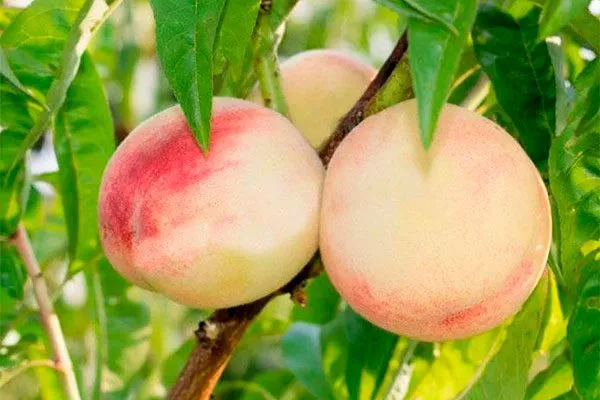
It was bred in 1938 at the Nikitsky Botanical Garden, part of the National Scientific Center of the Russian Academy of Sciences in Crimea. The originator was agronomist I. Ryabov. The variety's parents were the Georgian Molozani variety with cartilaginous flesh and the large-fruited American dessert variety Red Bird Kling.
Testing was completed in 1949, and six years later it was included in the State Register. It is recommended for cultivation in the North Caucasus, Central Black Earth Region, and Crimea.
Description of fruits and tree
This low-growing plant grows no more than 2-3 meters in height. It has a spherical, slightly spreading crown. Young shoots are light-colored, but over time, their thin bark becomes rougher and turns brown. The branches are covered with dark green, lanceolate leaves.
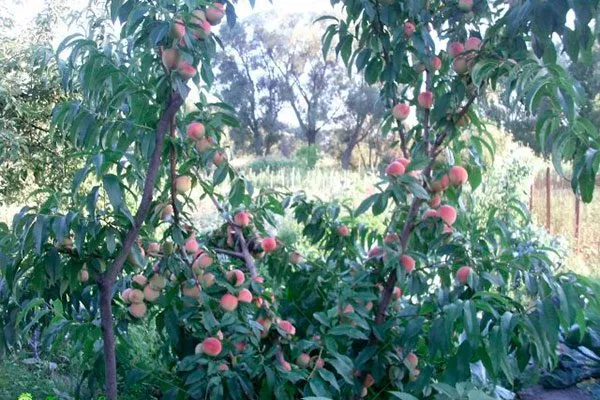
Other distinctive qualities:
- The leaf blade is smooth, pubescent, lighter on the underside than on the top, with a pointed tip and smooth, unserrated edges. The peach tree blooms profusely, its snow-white, intensely fragrant flowers with long stamens and slightly wavy petals.
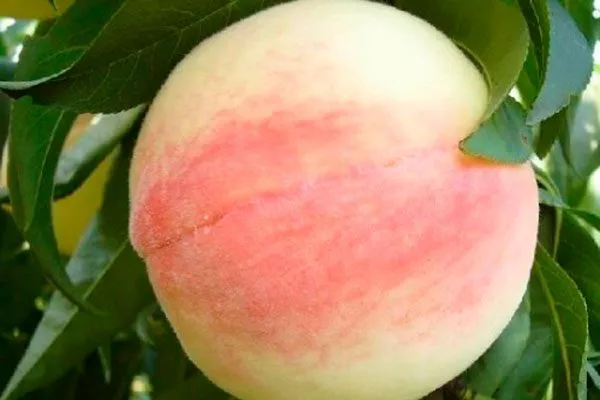
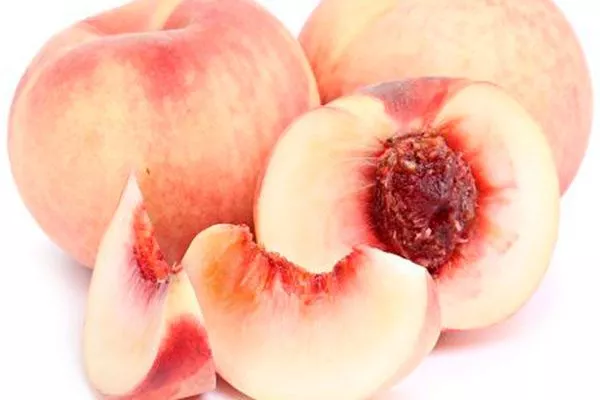
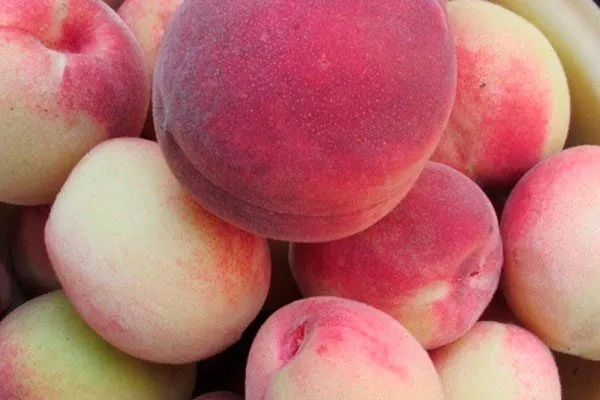
- The fruits are round or broadly oval, medium-sized, weighing 145-155 g. They have an unusual coloring for a peach. The base color is creamy white with a yellowish-pink tint, with a bright pink blush covering a small portion of the surface. The delicate skin is heavily pubescent, and the medium-sized stone separates easily from the flesh.
- The aromatic white flesh, juicy and tender in consistency, loses its density after full ripening, making it impossible to transport over long distances.
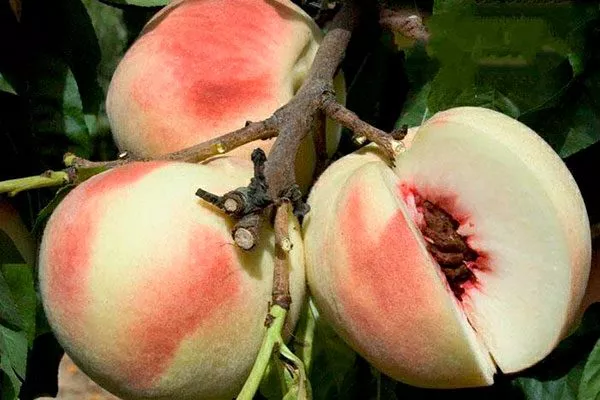
The harmonious sweet taste is reminiscent of honey, with virtually no acidity. Tasting score: 4.5 points.
Characteristics
When considering growing a peach in your garden, it's important to carefully consider its positive and negative qualities. The White Swan peach is attracting the attention of gardeners in our country due to its numerous varietal characteristics.
Drought resistance, frost resistance
This drought-resistant variety is suitable for growing in areas with dry, hot climates. It has good cold tolerance, withstanding temperatures down to -30˚C, but is not suitable for growing in regions with very cold winters.
Productivity
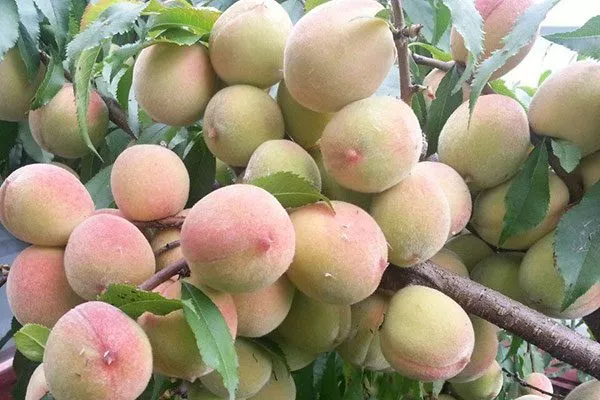
It is a high-yielding variety – up to 50-60 kg of tasty and healthy fruits can be harvested from one tree.
Ripening time and fruiting
This variety is mid-season, with harvest occurring in the third ten days of August. Regular fruiting begins in the fourth year after planting.
Application of fruits
Crimean peaches are used both for fresh consumption and for processing: for making jam, preserves, juice with pulp, compotes, or fruit assortments.
The fruits do not keep for long after harvesting, but can be transported over short distances; this variety does not tolerate long-distance transportation.
Requirements for soil and climatic conditions
White Swan tolerates droughts well, making it suitable for cultivation in hot climates. Its good frost resistance makes it suitable for harvesting in the central and colder regions, with the exception of the northern regions.
Self-fertility and the need for pollinators
It's a self-fertile variety, so you won't need to look for and plant pollinators. The peach will produce well even on its own in a garden.
Rules for planting peaches
To grow a healthy plant that will bear fruit for many years, proper planting is essential. It's important to consider many factors, including site selection, timing, and the planting process itself.
Recommended timeframes
Start the procedure in the spring, after the weather becomes consistently warm, but before the buds on the seedlings open.
Autumn planting is allowed, but no later than a month before the onset of cold weather, so that the young trees have time to take root.
Choosing a suitable location
Choose a bright, open location, preferably sunny, although partial shade is acceptable. It should be on level ground or elevated, avoiding low-lying areas (the groundwater level should be at least 1.5 m below).
Constant moisture can lead to root rot and plant death. Avoid planting peaches in areas previously occupied by stone fruit trees, such as plums or apricots. Ideal soil for this variety is loamy or sandy loam with a neutral to alkaline pH.
Purchase and preparation of planting material
One- or two-year-old seedlings are suitable for replanting. They must be completely healthy, with well-developed roots and shoots. Purchase plants from nurseries to ensure they are the correct variety.
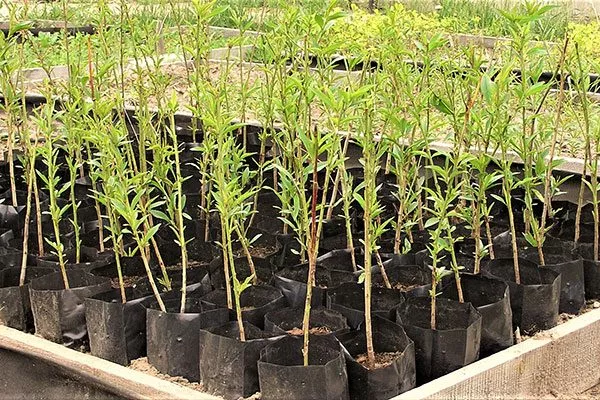
- ✓ The diameter of the root collar of a one-year-old seedling should be at least 12-15 mm, and of a two-year-old seedling – 18-22 mm
- ✓ The length of the main roots should be 25-30 cm with a well-developed fibrous system
- ✓ When cut, the roots should be white or light cream, without dark spots or signs of rot
- ✓ The grafting site should be clearly visible, without any swelling or damage to the bark
- Prepare a working solution: 10 g of heteroauxin or 5 g of root per 10 liters of water at a temperature of 22-25°C
- Keep the root system in the solution for 12-14 hours, avoiding contact with the above-ground part
- Before planting, dip the roots in a clay slurry (clay: cow dung: water in a ratio of 2:1:1)
- Allow the protective layer to dry for 20-30 minutes before planting.
Landing algorithm
Trim the dried ends of roots and branches, removing about 1/3 of their length. Then follow these steps:
- Dig planting holes 70 cm in diameter and the same depth, with a distance of at least 3 m between trees.
- Pour 10 kg of humus and 500 g of ash into the bottom of each hole, mix with the soil and water.
- Place the seedling vertically in the center of the hole, fill it with soil up to the level of the root collar and lightly compact the soil.
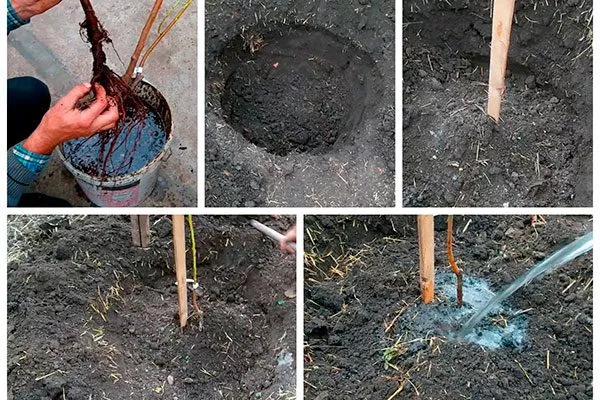
Mulch the tree trunk circle with any plant material.
Aftercare for peach
After planting, the White Swan requires care, which directly impacts the season's peach yield. Follow standard agricultural practices to maximize productivity.
Watering frequency
Timely watering is critical for tree growth and a good harvest. Water seedlings generously, using approximately 20-30 liters of water per watering, especially during hot periods. Water mature trees only during hot weather, using approximately 40-50 liters of water.
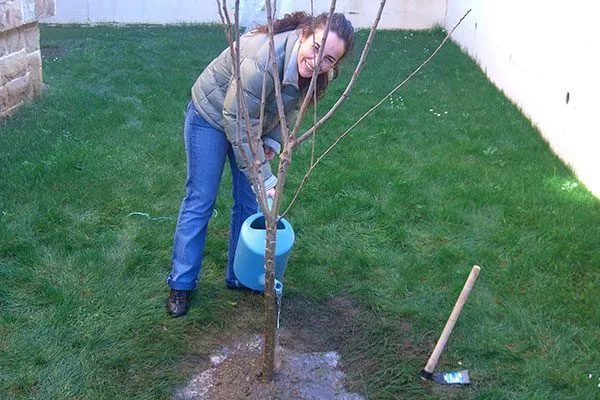
Carry out this procedure in late May, late June, and mid-July. In autumn, water the tree 2-3 weeks before the first frost, using approximately 80-100 liters of water. To ensure juicy and large fruits, water the tree 3-4 weeks before harvest.
Feeding scheme
The White Swan peach requires annual fertilization. In the first year after planting in the spring, the fertilizer applied at planting is sufficient. In subsequent years, fertilize once in the spring, once or twice in the summer, and once in the fall.
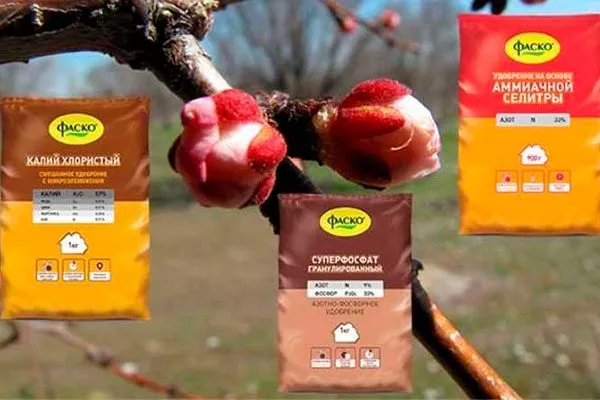
Follow this pattern:
- In the spring. Use phosphorus-potassium fertilizers or a 7% urea solution. Urea not only nourishes the plant but also protects against pests and diseases.
- In summer. Apply a solution of bird droppings (1 part to 20 parts water). For the second feeding, use a solution of 30 g of potassium sulfate and 10 liters of water to improve the sugar content of the fruit.
- In autumn. Apply a mixture of granulated superphosphate (200 g) and potassium chloride (150 g). For seedlings, apply 50 g of each fertilizer. Sprinkle the mixture around the trunk and cover with soil. This not only nourishes the soil but also increases the plant's frost resistance.
Water the tree before fertilizing to avoid root burn. Avoid using nitrogen-containing fertilizers after mid-June, as they can cause the root system to freeze over the winter.
Pruning and crown shaping
In the spring, before bud break, remove branches damaged by frost or winter damage, and shorten healthy branches by about 1/4 of their length. If a young tree produces numerous buds during flowering, remove some of them to avoid weakening the plant and reducing future yields.
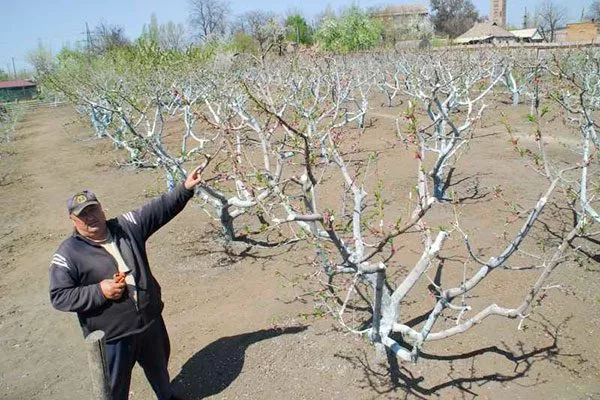
- ✓ The optimal angle of departure of skeletal branches from the trunk is 45-60 degrees
- ✓ The distance between the tiers of skeletal branches is 40-50 cm for uniform lighting
- ✓ The height of the trunk is 50-60 cm from the ground level for ease of maintenance and protection from rodents
- ✓ The number of main branches in the first tier is 3-4, in the second - 2-3
In the fall, after the leaves have fallen, prune branches that have died over the summer and trim back any growth on inward-growing branches to maintain the appearance of the crown. Fall pruning can be done not only for preventative purposes but also to shape the crown into a spherical shape.
How to insulate a peach tree for the winter?
Wrap the trunk and lower branches with burlap, agrofibre, or special insulating materials. This will protect the tree from frost and damage caused by temperature fluctuations.
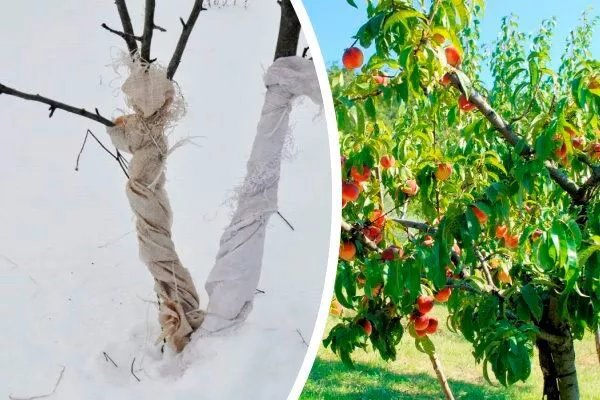
Before wrapping the trunk, paint it with lime or a special tree paint. This will help protect it from sunburn and prevent damage from rodents. Sprinkle the soil around the tree with peat, straw, sawdust, or dry leaves. The mulch layer should be 10-15 cm thick.
Protecting peaches from diseases and pests
The crop is characterized by good resistance to fungal diseases. However, to avoid problems, follow a number of preventative measures:
- In spring, summer and autumn, spray the tree and foliage with a 5% solution of manganese or Bordeaux mixture.
- Dig the soil in the fall and spring, removing weed roots and pest larvae.
- Loosen the soil regularly to eliminate bugs and weeds.
- If diseases or pests are found, burn all damaged fruits and branches to prevent the spread of the disease.
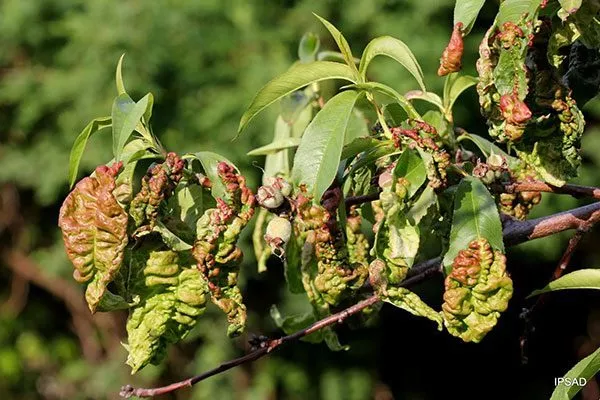
Diseases and pests dangerous for the White Swan:
- Clusterosporiasis. A fungal disease that causes brown spots on leaves. Use Horus to control it.
- Leaf curl. This disease, which develops during heavy spring rainfall, causes yellowing of foliage and stunted growth. Use Meteor.
- Powdery mildew. It appears as a white coating on the leaves. For treatment, use Topaz or Skor after flowering.
- Moniliosis. A fungal infection that causes young branches to die. Use Horus or Topsin to control it.
- Codling moth. Butterfly caterpillars damage shoots. To control them, use Malathion or Chlorophos.
- Aphid. It sucks the sap out of the tree and promotes fungal diseases. To eliminate it, use Malathion.
- Scale insect. A pest that causes cracks in the bark, dry shoots, and reduced fruit size. To control, use Inta-Vir or garlic tincture in the early stages.
| Disease | Preparation | Concentration of working solution | Number of treatments | Waiting period (days) |
|---|---|---|---|---|
| Clusterosporiasis | Horus | 2 g/10 l | 3 | 21 |
| Leaf curl | Meteor | 3 ml/10 l | 2 | 25 |
| Powdery mildew | Topaz | 4 ml/10 l | 2 | 20 |
| Moniliosis | Topsin | 15 g/10 l | 2 | 28 |
Follow the instructions on the product packaging and stop using it 3 weeks before harvest.
Methods of reproduction
There are several ways to propagate peaches. Gardeners use three main methods:
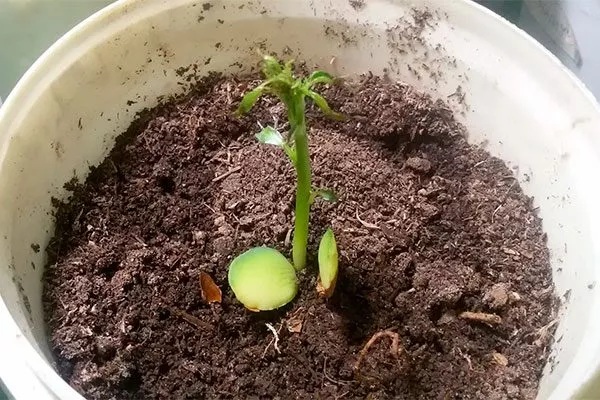
- Seeds. Suitable only for southern regions, where summers are quite hot and long. In temperate climates, the seeds don't have time to germinate and develop strength. To propagate, place the seed in a hole about 8 cm deep and cover with soil. To speed germination, regularly moisten and fertilize the soil.

- Cuttings. This is a complex method and requires considerable knowledge and a large amount of land. Therefore, it is rarely used in garden plots.
- By vaccination. This method requires a lot of subtleties and time, which makes it impractical for most summer residents.
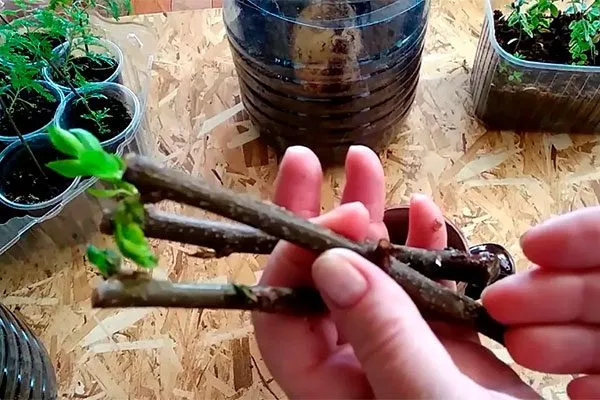
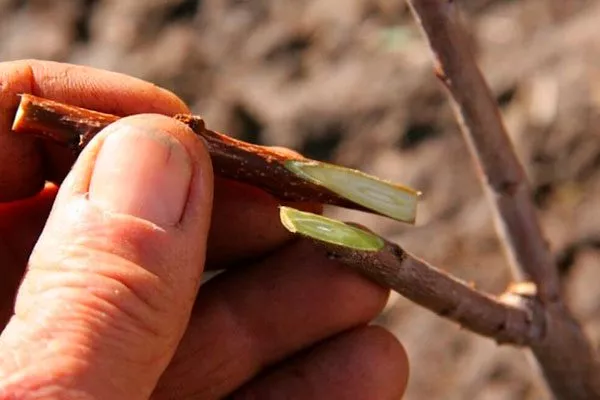
For residents of temperate latitudes, the most convenient option is to purchase ready-made seedlings from a nursery.
Harvesting and storage rules
Peach harvesting varies by region. In southern latitudes, harvest from early to mid-August; in temperate climates, harvest from mid- to late August. Pick peaches with care, as the fruit is soft and easily damaged.
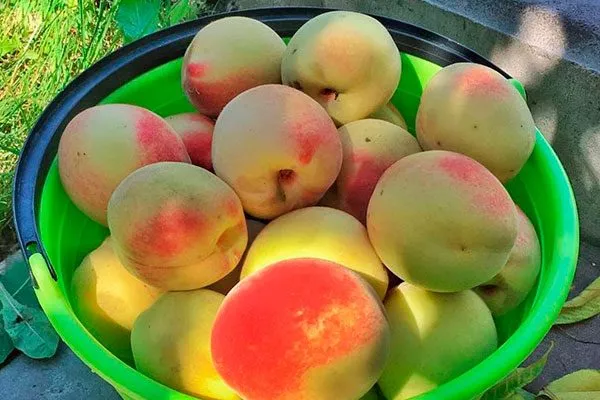
Pick the fruit when it's ripe, as overripe specimens become soft and difficult to pick. Fresh fruit is best consumed within 7-10 days of picking, as it will begin to rot over time. For longer storage, make preserves such as compotes, jams, and juices.
Positive and negative qualities
Before planting a new variety, it's important to carefully consider its advantages and disadvantages. The White Swan has many positive qualities:
Reviews
The White Swan peach is a fruit tree that is a true garden gem. It has gained popularity due to its self-fertility, high frost resistance, and excellent fruit flavor. This variety can produce abundant harvests of sweet and aromatic fruit, provided important cultivation practices are followed.