
The Belmondo peach is a variety that has gained popularity among gardeners due to its excellent taste, high yield, and resistance to various weather conditions and diseases. The plant produces large, high-quality fruits, but success is achieved only with simple cultivation practices.
Who developed the variety and when?
This fig, a member of the fig family, is a promising cultivar developed by American breeders. Successful crossbreeding has given this variety excellent adaptability, making it suitable for cultivation in various climate zones across Russia.
The appearance of the tree
This is a medium-sized plant growing to a height of 3-4 m. Characteristic features include:
- Strong shoots, which are red on one side and yellow-green on the other, with shortened internodes.
- Spreading, broadly rounded crown.
- Medium-density crown with elongated, pointed, dark emerald leaves with a glossy sheen and serrated edges.
- Powerful root system.
Fruits and their taste characteristics
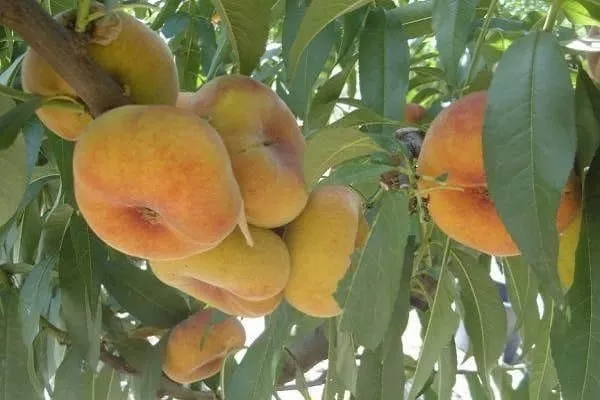
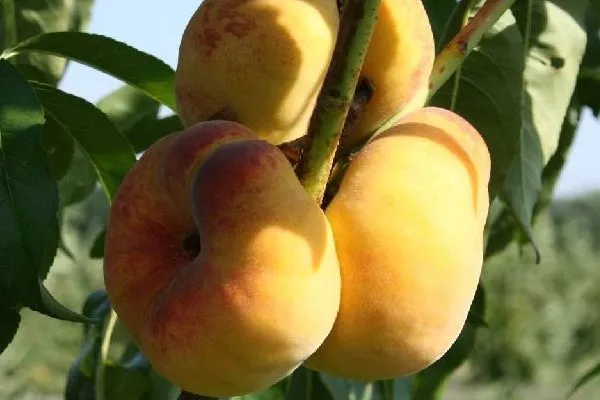
The fig peach belongs to the medium-fruited group of varieties. The fruits reach a weight of 90-120 g and have a classic disc-shaped form with a depressed apex and a shallow pit up to 5 mm deep. Externally, the fruits resemble a neat saucer.
Other qualities:
- The skin is medium-thick, firm, and not easily peeled from the fruit. The ventral suture is quite deep.
- When ripe, peaches are greenish in color. Fully ripened specimens acquire a creamy-greenish hue, but most of the surface is covered with a crimson-carmine blush in the form of dots and streaks.
- Beneath the tough skin lies a light, creamy flesh with a tender, high-sugar, slightly fibrous, and very juicy consistency. The pit is small and easily separated from the flesh.
The flavor is exquisite: a honeyed sweetness harmoniously blends with a slight tartness and vibrant aroma. The fruits are eaten fresh, and any surplus is processed into compotes and jams. They are also excellent for baking and various sweet desserts.
Ripening and fruiting
The ripening period for the fig peach is mid-late, and ripening occurs in the first half of August.
Productivity
The yields are quite high. The fruits are densely packed on the branches, and a single tree produces 20 to 50 kg per season. The harvested fruit transports well and retains its flavor and marketability for a long time.
Self-fertility and the need for pollinators
The variety is self-fertile, so it does not require mandatory cross-pollination.
Requirements for soil and climatic conditions
Black soil and loamy soil are the best for this crop. It's recommended to plant seedlings on the south side of the garden, where they receive full sun and are protected from wind. Neighboring trees or buildings should not cast shadows. In warm climates, seedlings are planted in the fall, and in colder areas, in the spring.
Growing and care
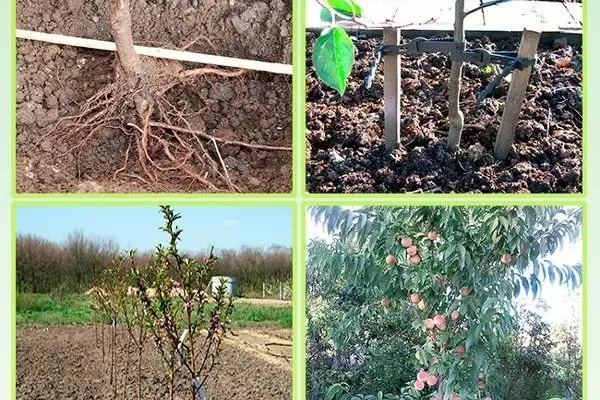
Plan to plant the seedling between April and October. Choose a sunny, well-lit location free from drafts and groundwater accumulation. The plant prefers loose, well-drained, slightly acidic, moisture-retentive, and mineral-rich soil.
Helpful tips:
- The planting hole should be 50x35 cm in size.
- Place 200 g of wood ash and potassium fertilizer at the bottom of the hole.
- Place the seedling so that the roots do not bend and the root collar remains above ground level.
- Finish planting by lightly compacting the soil, watering generously and mulching.
- Immediately after the procedure, begin shaping the crown by shortening the shoots.
- The distance between trees should be at least 4-5 m.
Further care includes regular watering (every two weeks), maintaining the looseness and cleanliness of the area around the trunk, fertilizing 3-4 times per season, crown shaping, annual sanitary pruning in the spring, preventative treatment against viruses and pests, and preparation for winter.
Frost resistance and the need for shelter
This variety is highly winter-hardy. Late flowering protects flower buds from damage by spring frosts. However, it is recommended to insulate young seedlings, especially during snowless winters. Agrofibre can be used for this purpose.
Features of pruning
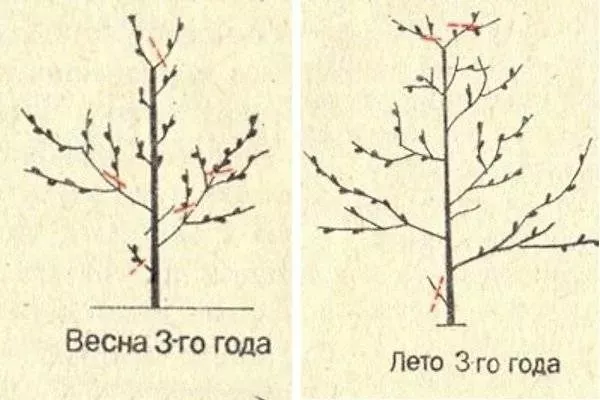
There are several key points to remember when pruning a fig peach tree. Follow these guidelines:
- Formative pruning. Carry out this procedure immediately after planting and during the first few years to form the correct crown shape. Leave 3-4 main skeletal branches, shortening the remaining shoots.
- Sanitary pruning. Perform this procedure annually in the spring before the sap begins to flow. During this process, remove diseased, damaged, dead, and intertwined branches to prevent disease and ensure good crown ventilation.
- Rejuvenating pruning. Conducted on mature trees, usually every 3-4 years. It involves removing old and weak branches to stimulate new growth and improve fruit production.
- Summer pruning. Perform this in June-July to remove excess shoots that are crowding the canopy. This helps direct nutrients toward fruit formation and improves their quality.
- Maintenance pruning. Perform as needed to maintain the shape and health of the tree, including thinning the crown to improve light and air penetration.
When pruning, use clean, sharp tools to minimize damage to the plant and reduce the risk of infection.
Advantages and disadvantages
Belmondo is renowned not only for its excellent taste and marketability, but also for a number of other positive attributes. It boasts the following qualities:
Gardeners consider the following to be disadvantages:
Resistance to diseases and pests
The crop is resistant to many diseases and pests, making it an attractive choice for gardeners. However, if not properly cared for, the plant can be susceptible to problems:
- Bacterial cancer. A bacterial disease that manifests as bark ulcers, resinous secretion, and fruit rot. Prevention involves removing infected branches and using antiseptics.
- Powdery mildew. A fungal disease that appears as a white coating on leaves and fruit. Control involves the use of fungicides and maintaining good ventilation.
- Peach moth. The insect feeds on peach leaves and fruits, which can lead to crop losses. Control involves the use of insecticides and the destruction of larvae in the early stages.
- Mealybug. The pest sucks the juices from leaves and fruits, causing deterioration in plant health. Control involves the use of insecticides and mechanical removal.
- Codling moth. The insect feeds on fruit, causing damage and rotting. Control involves the use of insecticides and the destruction of infested specimens.
Review of reviews
The Belmondo peach is an ideal choice for those who want to enjoy juicy and delicious fruits all season long. Its high yield and resistance to adverse weather conditions and diseases make it an indispensable variety for planting in both small and large gardens. The key is to ensure proper and timely care.