
The Belgorodsky peach has attracted the attention of both novice and experienced gardeners for many years. This variety has gained popularity due to its compact size, making it suitable for growing in small spaces. It produces abundant harvests with proper care. Following simple measures will help strengthen the immune system and produce juicy fruits.
Who developed the variety and when?
It was developed in Russia by breeder L. A. Kramarenko. Breeding work was conducted at the end of the 20th century, and the variety itself was registered and recommended for cultivation in the early 21st century. It is adapted for cultivation in the conditions of central Russia.
The appearance of the tree
It is a medium-sized plant, reaching a height of approximately 4 m. It is characterized by a spherical crown, densely covered with elongated leaves, colored in a green hue.
Fruits and their taste characteristics
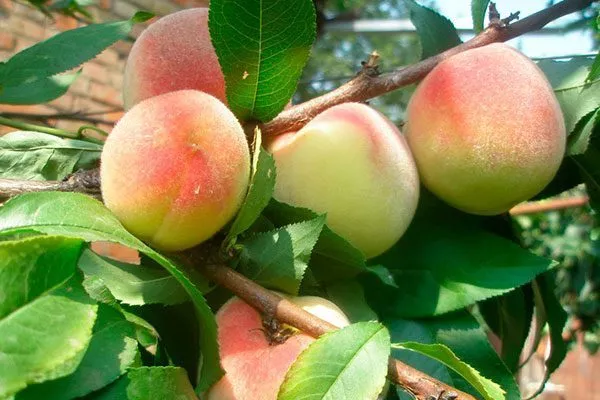
The oval fruits are covered with a yellow-red skin that is pubescent and velvety to the touch. Other qualities:
- The weight of one fruit is approximately 150 g.
- The pulp is yellow, very juicy, dense and aromatic, sweet and sour.
- The stone is large, but easily separates from the pulp, making the fruit convenient for fresh consumption and processing.
Ripening period and yield
Belgorodsky is an early variety, with its fruit beginning to ripen in mid-September. It is characterized by high yields, making it attractive to gardeners.
Winter hardiness
It is a winter-hardy variety, able to withstand temperatures down to -34.4°C. This characteristic makes it especially valuable for growing in regions with harsh winters, where many other peaches would fail.
Subtleties of planting
Before planting, it's important to find a suitable location. Choose a well-lit area, as this tree requires plenty of sunlight to thrive and produce a high-quality harvest.
Pre-fertilize the soil with organic matter, such as humus or compost, to provide the plant with essential nutrients. Good drainage is essential to prevent standing water, which can lead to root rot. This can be accomplished by adding sand or fine gravel to the planting hole.
Follow the instructions:
- To ensure sufficient space for tree roots to grow and develop, maintain a distance of 4-5 m between plants.
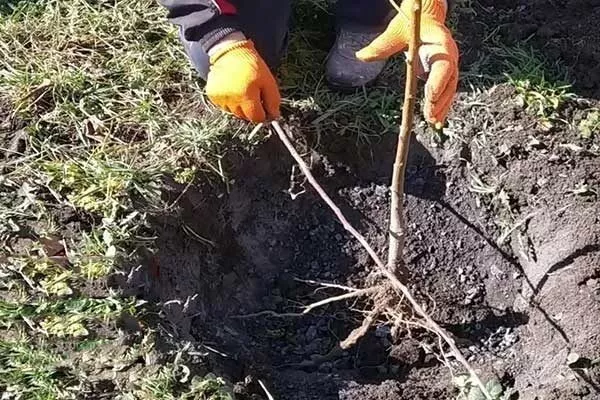
- Dig a hole measuring 50x50 cm. Place a layer of drainage material on the bottom.
- Place the seedling in the hole so that the root collar is level with the soil surface. Fill the hole with soil, compacting it gently.
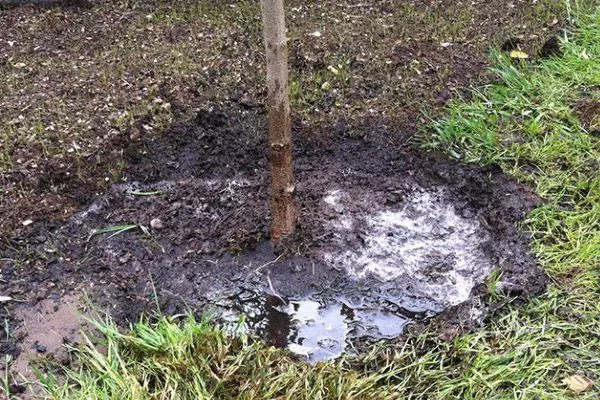
- After planting, water the plant generously to settle the soil and ensure good root-to-soil contact.
Mulch the tree trunk circle with organic material (straw, compost) to retain moisture and protect the roots.
Growing
Caring for the crop involves several important aspects. Follow these simple agricultural practices:
- Watering. Peach trees require regular watering, especially during hot weather. The soil should be kept moist at all times, but not too wet. When watering, avoid contact with leaves and flowers to prevent disease.
- Top dressing. Fertilize your peach tree twice a year: in the spring before active growth begins and in the fall after harvest. Use complex mineral fertilizers containing essential nutrients (nitrogen, phosphorus, and potassium), as well as micronutrients essential for tree growth and development.
- Trimming. Perform this procedure in the spring before active growth begins. This promotes crown formation, improves sunlight and air penetration, and removes diseased and damaged branches.
Regular pruning helps shape the crown, which has a positive effect on yield and overall plant health.
Advantages and disadvantages
To avoid problems, study the positive and negative qualities of the peach before growing it. The Belgorodsky variety has many advantages:
Gardeners cite the poor shelf life of the fruit as a disadvantage of this crop. It is unsuitable for long-term storage and transportation, which can be a limitation for commercial cultivation and long-distance shipping.
Reviews
The Belgorodsky peach offers a unique combination of winter hardiness, high yield, and excellent fruit flavor. Despite some shortcomings, this variety remains a top choice for gardeners. By following the care recommendations, you can enjoy juicy fruits throughout the season.