
Belgorodsky is an excellent choice for those who want to enjoy fragrant and juicy peaches grown in their own garden. Resistance to low temperatures and diseases, high yields, and excellent flavor are the variety's best attributes. It remains a favorite among those who value natural, organic produce. Proper care is key.
The idea of a peach
This variety was created by Russian breeder L. A. Kramarenko. Breeding work was conducted in the late 20th century, and official registration and cultivation recommendations were received in the early 21st century. The variety is adapted for cultivation in central Russia. Read about the best peach varieties. Here.
The appearance of the tree
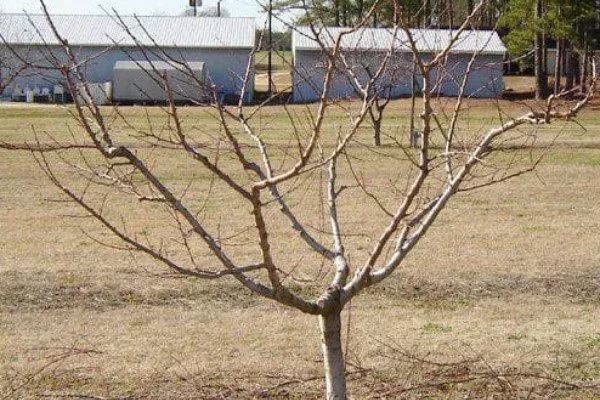
This medium-sized plant reaches approximately 4 meters in height. Its crown is spherical. The shoots are densely covered with elongated leaves, colored a rich emerald hue.
- ✓ The variety has a high resistance to leaf curl, which is rare among peaches.
- ✓ The fruits have a unique ability to be stored for a long time in cool conditions without losing their taste.
Fruits and their taste characteristics
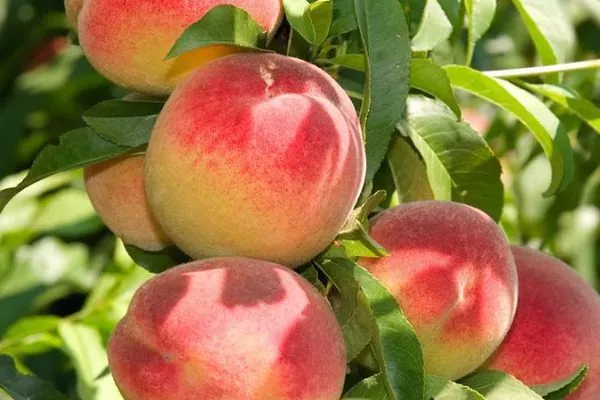
The fruits are oval in shape and weigh about 150 g. The skin is velvety and pubescent. The flesh is juicy, dense, and aromatic, yellow in color. The taste is sweet and sour. The fruit has a large stone, but it separates easily from the flesh.
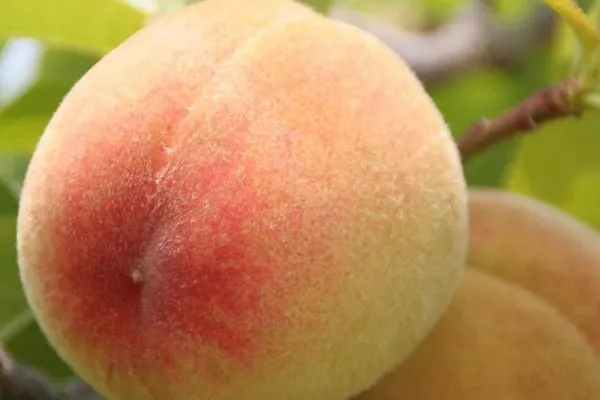
The fruits are suitable for fresh consumption, juicing, and processing. Gardeners value the crop for its excellent taste and marketability.
Peaches withstand long-distance transportation without cracking or damage. They store well.
Ripening period and yield
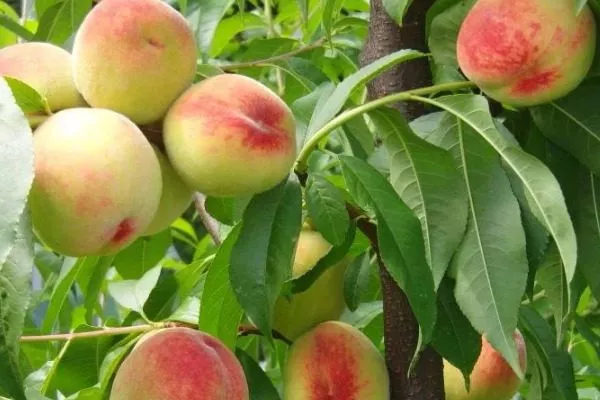
This is an early variety—the fruits begin to ripen in mid-September. It is distinguished by its high yield, making it popular among gardeners.
Winter hardiness
It is characterized by excellent winter hardiness, able to withstand temperatures down to -34.4°C. This feature makes it especially valuable for cultivation in regions with harsh winters, where other peaches would not survive.
Care and cultivation
Before planting, choose a suitable location. Choose a well-lit area, as peach trees require plenty of sunlight for proper growth and a high-quality harvest.
- ✓ The optimal soil acidity for the Belgorodsky peach should be within the pH range of 6.0-7.0.
- ✓ The minimum depth of groundwater is at least 1.5 m to prevent rotting of the root system.
Amend the soil with organic matter (humus or compost) to provide the plant with essential nutrients. Ensure good drainage to prevent standing water, which can lead to root rot. To achieve this, add sand or fine gravel to the planting hole.
Follow the instructions below:
- To ensure sufficient space for root growth, maintain a distance of 4-5 m between plants.
- Dig a hole measuring 50x50 cm. Place a layer of drainage material on the bottom.
- Place the seedling in the hole so that the root collar is level with the soil surface. Fill the hole with soil, compacting it gently.
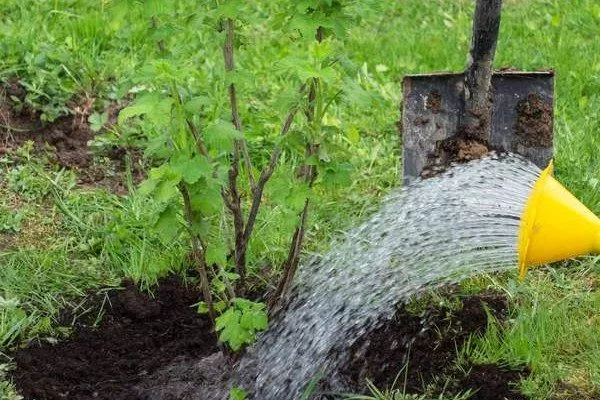
- After planting, water the plant generously to settle the soil and ensure good root-to-soil contact.
- Mulch the tree's trunk area with organic material, such as straw or compost, to retain moisture and protect the roots.
Caring for the crop includes several important aspects:
- Watering. The plant thrives on moisture, especially during hot weather, requiring frequent watering. The soil should be kept moist at all times, but not too moist. When watering, avoid getting water on the leaves and flowers to prevent disease.
- Top dressing. Fertilize the plant twice a year: in the spring before active growth begins and in the fall after harvest. Use complex mineral fertilizers containing nitrogen, phosphorus, and potassium, as well as micronutrients essential for tree growth and development.
Mulching the tree trunk area helps retain soil moisture and suppress weed growth. In regions prone to late spring frosts, use covering materials to protect young shoots and flowers.
Features of pruning
Prune in the spring before active growth begins. This helps shape the crown, improve sunlight and airflow, and remove diseased and damaged branches.
Advantages and disadvantages
Planting this crop doesn't require any special skills or knowledge, but it's important to first understand its pros and cons. Belgorodsky has many advantages:
This variety has no significant disadvantages.
Reviews
The Belgorodsky peach was a true revelation for gardeners seeking a consistent harvest of delicious and aromatic fruit, even in harsh winters. Thanks to its winter hardiness and a number of other unique qualities, this variety quickly gained popularity among both amateur and professional growers. With proper care, productivity can be increased.