
Gardeners across Russia highly value the columnar apricot tree, Zvezdny. This compact tree saves valuable space and is easy to grow. However, proper care is essential to ensure a good harvest.
History of selection
The Zvezdny apricot is the result of domestic selection, which has added a frost-resistant and undemanding variety to the global agronomic register. Originally intended for temperate climates, this columnar variety soon gained popularity in various regions.
Where is it grown?
The Zvezdny apricot is commonly found in the Moscow region and surrounding areas. However, its high frost resistance makes this variety suitable for planting in other regions as well.
Description of appearance
The apricot tree is characterized by its compact crown and short stature. Its small size allows for space-saving gardening, allowing for planting of several other varieties. This plant is chosen by gardeners seeking a frost-resistant variety that produces good yields and tasty fruit. The Zvezdny apricot is suitable for growing in temperate climates.
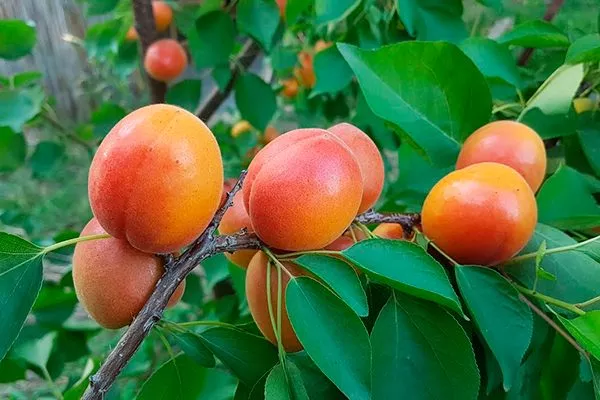
Tree
This columnar tree has a straight, even trunk and grows to 2.5-3 m in height, with shoots reaching no more than 20 cm in length. The elastic, slightly ascending shoots are covered with green leaves of an oval or heart-shaped configuration. The leaves are pointed at the top.
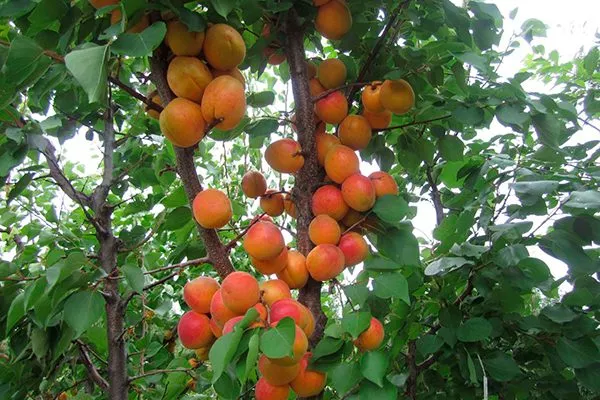
Fruit
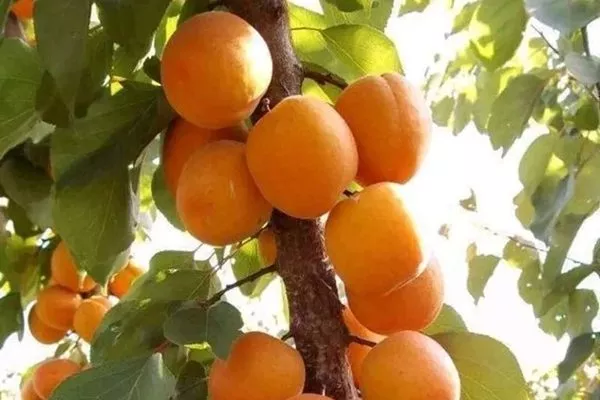
Pogremok is a large apricot variety, characterized by an abundance of fruits on the shoots, weighing from 55 to 65 g, sometimes reaching 100 g. Ripe apricots have a golden or bright orange color, and an attractive blush appears on the sunny side.
Agrobiological characteristics of the variety
Fruit appearance and decorative value play a significant role when selecting apricot varieties. It's equally important to consider other characteristics that influence growing conditions and care. Yield and fruit production are also important considerations.
Taste qualities
Juicy apricots boast a harmonious balance of tart and sweet flavors. In southern regions, where warm temperatures and abundant light prevail, ripened apricots acquire a more pronounced sweetness. The pit separates easily and quickly when eaten.
Drought resistance, frost resistance
The Zvezdny apricot is partially drought-resistant. Its root system, like the tree itself, is smaller than that of traditional varieties. This crop requires regular watering, especially during periods of drought and high temperatures.
The tree is characterized by high frost resistance. In warm climates, plants grow without shelter, but in the temperate central zone, apricots require shelter. The variety easily tolerates temperatures down to -35°C.
If compact plants are grown in pots, they should not be left outdoors during the winter, as the root system may freeze. These plants should be moved indoors to cooler conditions until spring.
Resistance to diseases and pests
Columnar apricots are susceptible to various diseases. The Zvezdny apricot is highly resistant and has a strong immune system. Cultivating practices can prevent the development of diseases and protect the tree from pests.
Self-fertility and the need for pollinators
This tree is a self-fertile variety and does not require pollinators to bear fruit.
Flowering period and ripening time
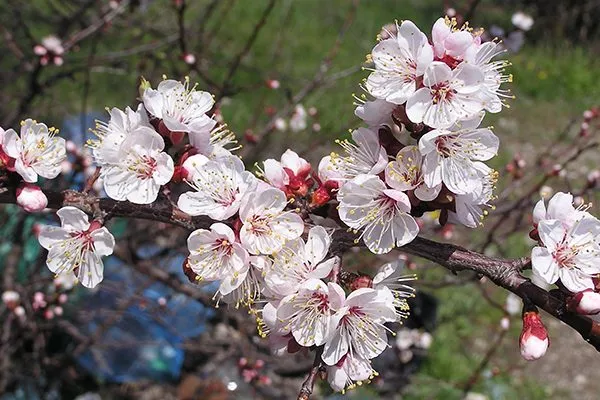
Around late April to early May, the first pink or white buds appear on the trees. Fruiting begins in the second half of summer. Juicy fruits ripen on the resilient, albeit small, branches. The Zvezdny apricot is a mid-season variety with a flowering season.
Productivity and fruiting
The tree's compact size doesn't hinder its fruitfulness. After planting, fruits begin to ripen as early as 3-4 years. A single tree can yield 15 to 20 kg.
Application of fruits
Apricots are primarily intended for fresh consumption due to their excellent taste, making them very popular among consumers. The fruits are often used in main courses and desserts.
When the harvest is abundant, they are used to make delicious juices, preserves, compotes, dried fruits, and jams. This apricot variety is suitable for freezing.
Many gardeners choose columnar trees for ornamental purposes, creating beautiful hedges in recreation areas. A key feature of compact plants is their ability to be grown in pots, allowing for unique compositions in the garden.
Chemical composition of apricot fruits
Fruits of this type not only delight with their taste but also possess numerous beneficial properties for the human body. Apricots are characterized by the following positive properties:
- Anti-inflammatory: the ability to reduce inflammation in the body.
- Antioxidants: protection of cells from the effects of free radicals due to the high content of antioxidants.
- Bactericidal: the ability to destroy bacteria and prevent their reproduction.
- Painkillers: the ability to relieve pain and discomfort.
The fruits are high in potassium, accounting for approximately 10-12% of the daily value. They also contain phosphorus, magnesium, calcium, citric, malic, and tartaric acids, pectin, tannins, carotene, sorbitol, fructose, and sucrose.
Scientific research confirms that regular consumption of apricots helps prevent the development of many diseases.
Advantages and disadvantages of the variety
Columnar apricots are distinguished by their unique appearance, which differs from traditional trees, but they are completely similar in taste, size, and fruit appearance. The Zvezdny apricot has many advantages:
However, from an agronomic point of view, columnar apricots may also have some disadvantages:
When choosing a variety for your site, consider both the strengths and weaknesses of the plant to avoid disappointment.
Methods of reproduction
Two methods are used to propagate columnar apricots: seed and grafting. Growing a compact tree from seed is less difficult than it might seem at first glance. Cleaned and washed pits are planted directly into the soil in the fall.
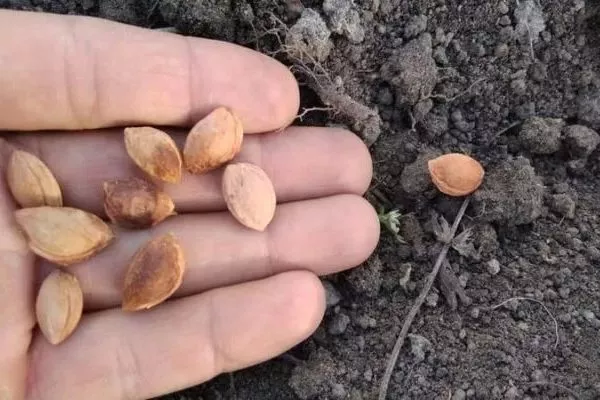
To preserve the seeds' viability until autumn, store them in moist sand. When preparing the soil for planting, choose a neutral pH soil well-fertilized with mineral and organic additives.
Plant the seeds 7 cm deep, carefully mulching the top. The following season, the young plant will reach a height of up to 1 m. Transplant it to its permanent location in the fall, and graft it with a fruiting shoot in the spring.
- ✓ The optimal planting depth of seedlings should be at least 60 cm to ensure the stability of the root system.
- ✓ The distance between seedlings should be at least 1.5 m to ensure sufficient space for growth.
Features of planting seedlings
Apricot cultivars and hybrids have specific requirements, and adherence to them is key to successful germination. From the moment the plants are planted, strict adherence to agricultural practices is essential to ensure high and consistent annual yields.
Recommended timeframes
Zvezdny apricot seedlings can be planted in both spring and fall. The optimal time is October and April, especially in southern regions. In temperate, colder climates, planting is done in spring to allow the young plants sufficient time to adapt and establish roots.
Successful establishment of seedlings is important to ensure they survive the winter dormancy period. In the central part of the country, where recurrent frosts are common, the preferred time is late spring or early summer.
Choosing a suitable location
Apricots and their hybrids require a well-lit location, as these trees require abundant sunlight. Planting in the shade can result in less abundant harvests, less juicy fruit, and limited flowering.
Columnar apricots don't require much space. Young plants thrive in a small, well-lit area free from cold spots and drafts. The tree can grow successfully even at a short distance (15-20 cm) from walls, provided it's not shaded.
Avoid planting apricots in low-lying areas where rain and meltwater can accumulate. A site at the foot of a gentle slope is ideal. For successful fruiting, apricots prefer loose soil with good moisture and oxygen permeability.
Neighborhood with other cultures
When choosing a site for planting apricots, consider not only suitable conditions but also compatibility with other crops. Apricots will not thrive in areas previously planted with:
- potato;
- tomatoes;
- eggplants;
- strawberry;
- pepper;
- raspberry.
The crops mentioned are susceptible to common diseases, such as verticillium wilt. The fungus that causes this disease can persist in the soil for a long time and instantly infect fruit tree seedlings. Treating infected seedlings is usually challenging.
Selection and preparation of planting material
Buy seedlings from specialized nurseries or trusted suppliers. Follow these recommendations:
- Give preference to 2-year-old plants that quickly adapt and begin to bear fruit.
- The height of the seedling should not exceed 1 m.
- The roots of the plant should be flexible, well developed, without growths or damage.
- The bark should be uniform and free of disease. The presence of graft marks is an added bonus.
- Don't buy apricots grown from a seed.
Site preparation
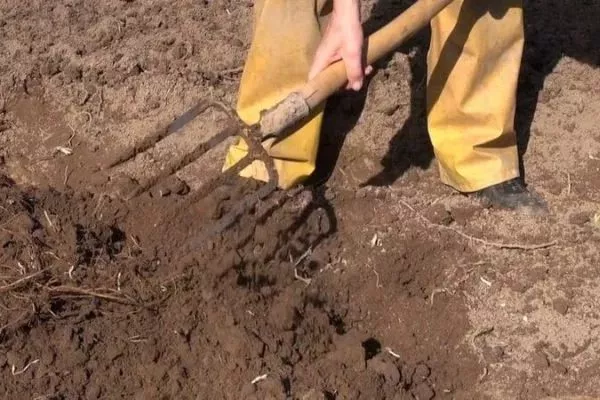
Begin preparing the site and holes for spring planting in the fall. First, dig the soil, add fertilizer, and remove weeds and roots. Make the planting holes deep and wide, at least 60-70 cm. Place a 40 cm-thick drainage layer at the bottom of each hole, using crushed stone, expanded clay, or broken brick.
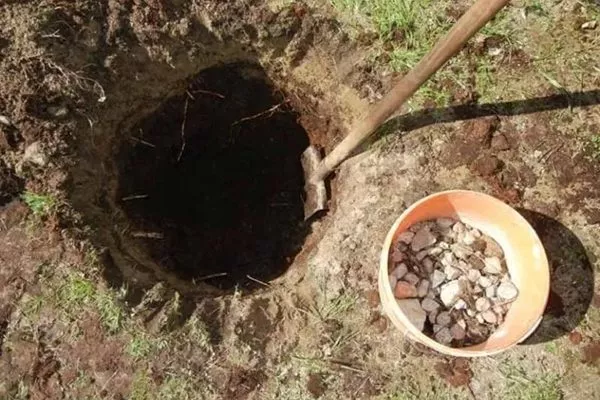
Add potassium nitrate, urea, superphosphate, and wood ash to the top of the hole. Don't discard the top layer of soil (about 30 cm of fertile soil), but mix it with equal parts humus and sand. Form a mound from part of this mixture, and place a stake in the center for support.
The process of planting young seedlings
Once the temperature outside has warmed up and the risk of frost has passed, begin planting. Step-by-step instructions:
- Place the seedling in the center of the dug hole near the installed stake, carefully spreading the roots.
- Cover the plant with the remaining nutrient soil.
- Compact the soil thoroughly, with the root collar being 5 cm above ground level.
- Cover the top of the soil with mulch and make a small depression around the trunk for watering.
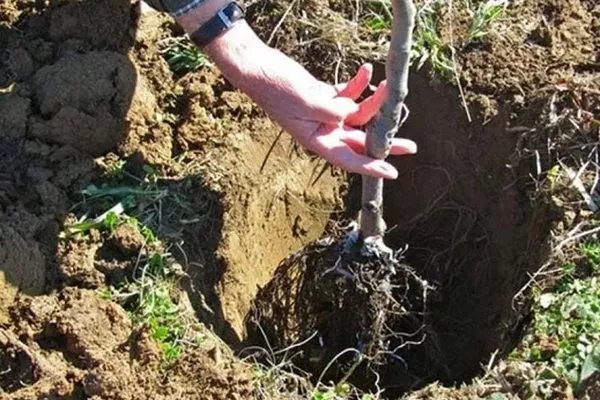
Attach the young tree to a support and water it generously. Use at least 20 liters per plant.
Apricot tree care instructions
To ensure stable fruiting and high yields of columnar apricots, it is necessary to provide them with proper care, including the implementation of basic agricultural procedures, such as regular watering, fertilization, pruning, preparation for winter, etc.
Prevention and protection from pests and diseases
Apricots, like other plants, are often susceptible to disease and pest attacks when their immune system is weakened. To prevent this, various plant strengthening procedures are performed.
The most common diseases:
- Moniliosis. It manifests itself during the period of active growth and during prolonged rains and fogs. Leaves and flowers wilt, shoots die, and the bark cracks. If left untreated or damaged in summer, fruit rot may occur.
- Clusterosporiasis. It begins with the formation of crimson spots on the leaves, which then develop into holes. The bark cracks, and gums appear.
Among the pests that can harm apricots, aphids and codling moth larvae are especially dangerous.
To protect apricots, carry out preventative treatments. Spray the trees three times during the growing season (twice in the summer and once in the fall before winterizing). Use fungicides such as Skor, Horus, and Switch.
If diseases are present, remove all affected areas and fruit before treating. Gardeners recommend the fungicides Actellic and Karbofos. As a preventative measure, treat the tree trunk with whitewash.
Watering
Columnar apricots have a less extensive root system than traditional trees. This makes them less resilient to periods of drought, requiring regular watering when natural rainfall is insufficient.
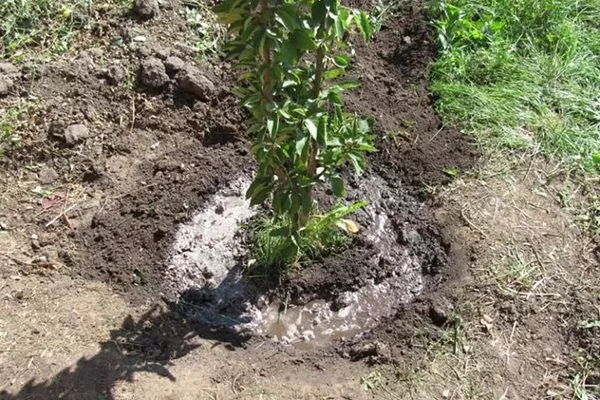
Avoid overwatering, as it's more dangerous than underwatering. The Zvezdny apricot variety typically requires watering every two weeks. Use at least 30 liters of water, settled and warmed.
- Apply nitrogen fertilizer in spring to stimulate growth.
- In summer, use potassium-phosphorus fertilizers to maintain fruiting.
- Add organic fertilizer in the fall to prepare for winter.
Feeding scheme
If nutrients were added to the soil at planting, no additional fertilization is required for the first 2-3 years. Subsequently, fertilize periodically every 5-6 weeks, alternating organic and mineral fertilizers.
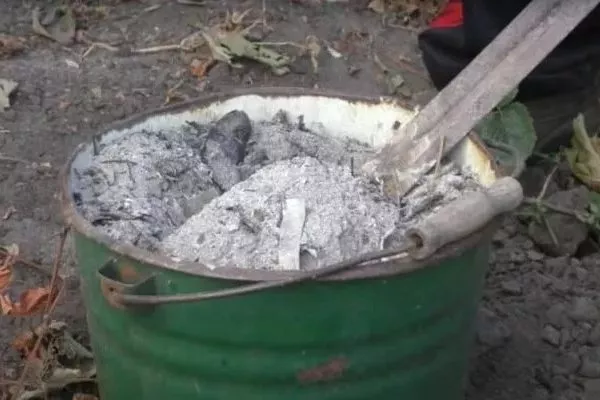
After the soil has thawed, carefully loosen the soil around the trunk. During this period, add ammonium sulfate or urea to the soil. Fertilize the plant with compost every two years, applying 10-15 liters of compost per plant. Add wood ash to the soil before insulating.
Pruning and crown shaping
The main characteristic of apricots is their highly active buds, almost all of which emerge after winter. Fruits form primarily on cluster branches and last year's shoots.
Columnar apricots experience a slower development as they grow. Flowers form on short shoots, and after flowering, they remain completely bare. Due to the short lifespan of the bouquet branches, older shoots also become exposed.
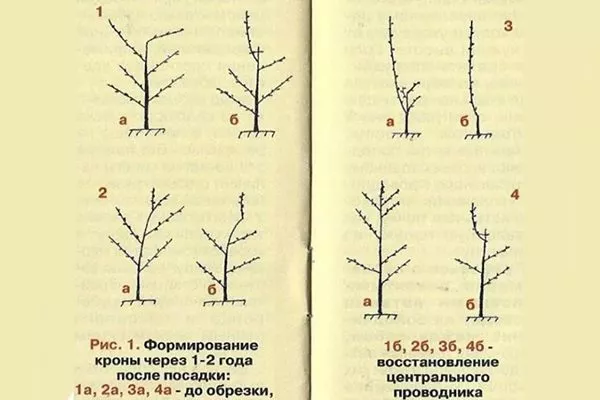
To prevent a decrease in fruitfulness, maintain the growth of the apricot tree by regularly pruning:
- Formative pruning is an important agronomic practice. Choose a flat-topped form and leave 5-6 main branches, spaced at least 40 cm apart. Remove any remaining branches. Perform the first pruning after planting.
- If the plant doesn't have any additional shoots when planted, shorten the seedling, leaving 80-90 cm. If there are already lateral shoots, leave two of them, shortening the rest.
- During the summer, monitor and remove competing shoots. Each subsequent year, prune another 3-4 shoots, spacing them 35-40 cm apart, to encourage further branching.
As the crown develops, lower shoots should not exceed the upper ones. If excess shoots appear, prune them to encourage fruiting in the future. Once the crown is established, maintain it by pruning annually to encourage vigorous growth.
Preparing for winter
Despite the high frost resistance of the Starry Columnar Apricot, insulation is recommended in harsher climates. This is because the plant's root system is not as extensive or deep.
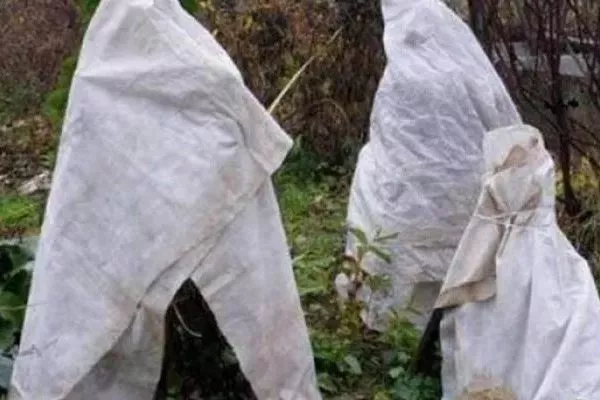
To provide additional protection from freezing temperatures, apply a thick layer of mulch around the apricot tree. Create a frame from readily available materials to surround the tree, then wrap the trunk with insulation. In the spring, when the first warm weather arrives, remove the insulation.
Harvesting and storage
Apricots don't ripen fully in storage, so wait until they are fully ripe, at least technically ripe, before picking them from the tree. Harvest the fruit in batches, as ripening can be uneven.
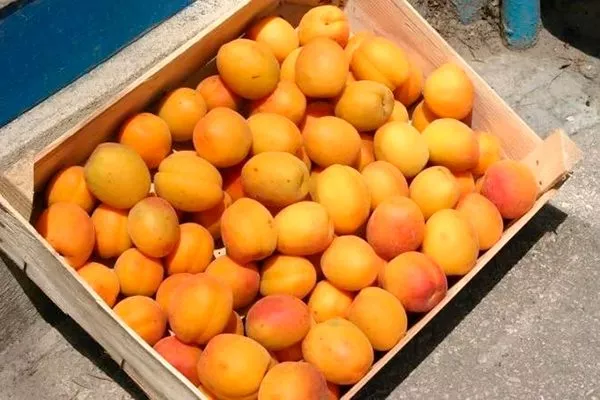
You can determine when the fruit is ready to harvest visually. Initially, the fruits are green, gradually acquiring a rich golden color, and a beautiful blush develops on the sunny side.
For commercial purposes, apricots are most often harvested at the technical ripeness stage. When selecting fruits for storage, choose those without visible damage. When stored properly in a cool place, they can retain their flavor and marketability for 10-14 days.
Reviews
Growing the Zvezdny apricot is a fascinating and promising process for gardeners in various regions. This compact tree not only saves space but also rewards with abundant and delicious fruit. Standard agricultural practices contribute to the development of a healthy and productive tree.