
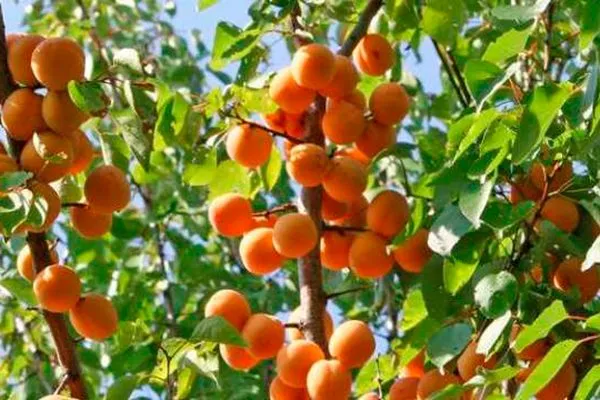
The Rossiyanin apricot is a symbol of summer abundance and juicy fruit, making it an excellent choice for those dreaming of a bountiful harvest in the Russian climate. Specifically developed to withstand cold winters and changeable weather, this variety is the ideal choice for growing delicious and healthy fruits in your own garden.
History of selection
The Rossiyanin variety was developed by breeders from the North Caucasus Research Institute of Horticulture and Viticulture. An open-pollinated seedling from the P-3-1 variety was used.
Where is it grown?
Apricot is well adapted to the central Russian climate and can be successfully grown in many regions of Russia. The variety's key characteristics, such as high frost hardiness and disease resistance, make it suitable for the following regions:
- Central regions;
- Middle zone;
- North-Western regions;
- Ural region;
- Siberia and the Far East.
Successful apricot cultivation in each specific region depends on local climatic conditions, soil composition, and agricultural practices.
Description of appearance
The Rossiyanin apricot is very popular among gardeners due to its attractive appearance and excellent characteristics. It's an easy-to-grow variety and produces good yields.
Tree
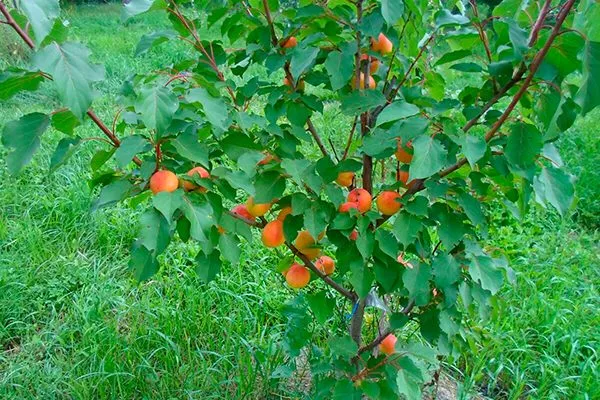
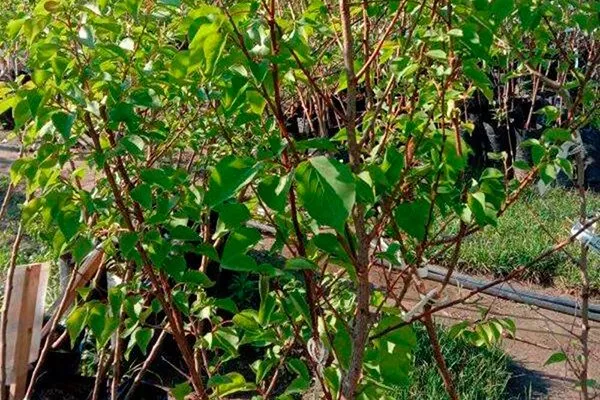
The tree reaches up to 4 meters in height, characterized by a spreading and dense crown. The shoots are covered with large, rounded leaves with small serrated edges. The foliage is colored a bright green.
Fruit
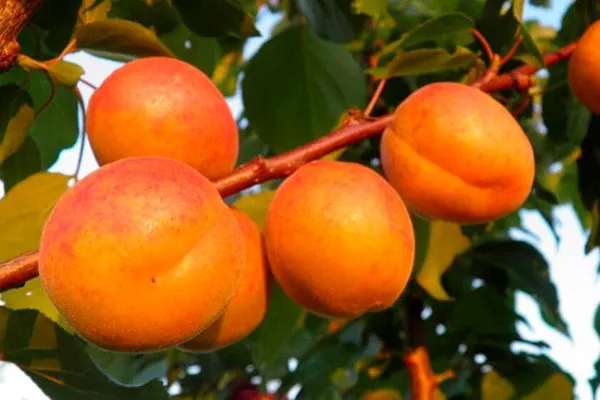
The Rossiyanin apricot is popular for its large fruits, weighing between 50 and 70 grams. The apricots are round, with yellow-orange skin and a rosy tint on the sunny side. The flesh is juicy and bright yellow. The fruits have a sweet taste.
Characteristics of the variety
The Rossiyanin apricot possesses a number of characteristics that make it popular among gardeners. This makes it suitable for cultivation in various regions of Russia.
Taste qualities
The fruits have juicy and sweet flesh that, when ripe, deforms easily under pressure. The harvested fruit is processed within 7 days, used to make preserves, compotes, jams, and other products.
Drought resistance, frost resistance
The Rossiyanin apricot exhibits high drought and frost resistance, making it an attractive choice for cultivation in a variety of climatic conditions. These characteristics allow this variety to be successfully grown in a variety of regions.
Resistance to diseases and pests
Apricots have a certain resistance to diseases and pests, making them relatively easy to care for. However, potential problems should be considered during cultivation and preventative measures should be taken.
Self-fertility and the need for pollinators
To increase yield, this self-fertile variety is best planted near trees with similar bud formation times. The Syn Krasnoshchyokogo variety is considered an optimal pollinator. The following varieties have a positive effect on yield: Bay, Countess, and Favorite.
Flowering period and ripening time
The Russian apricot tree displays its colorful blooms in the spring. Blooming typically begins in May, but specific dates can vary depending on the climate of a particular region. Apricot blossoms are brief, but often spectacular.
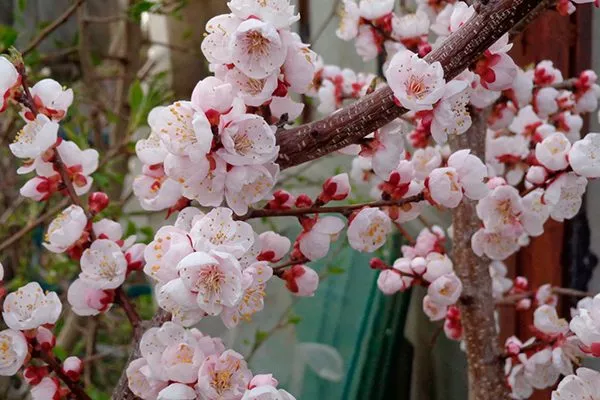
Luxurious white or soft pink flowers bloom on the branches, adding beauty to the orchard. Apricots have a mid-season ripening period, making them an excellent choice for those seeking a midsummer harvest. The first fruits are typically ready for harvest in mid-July.
Productivity and fruiting
This variety is characterized by early fruiting. The fruits ripen as early as 3-4 years after planting. Proper care ensures a stable harvest. A single tree can yield up to 70 kg of juicy fruit.
Application of fruits
The fruits have a stunning flavor, making them popular for fresh consumption. They also make delicious homemade preserves, such as jams, compotes, preserves, and marshmallows.
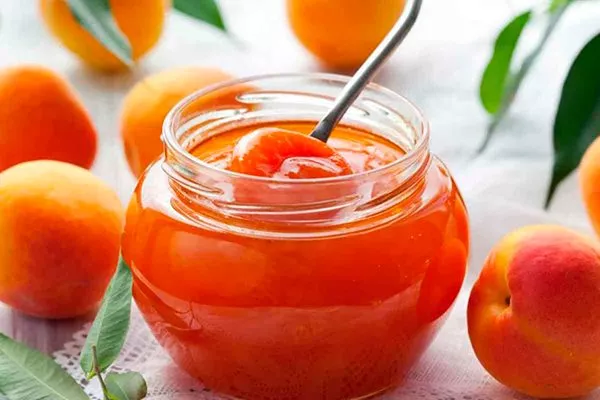
Apricot kernels are widely used in cosmetology. They are used to create toning and cleansing scrubs, adding natural ingredients to skin care products.
Chemical composition of apricot fruits
The nutritional value of the Rossiyanin variety's fruits is appreciated by many gardeners. The fruit's chemical composition:
- carbohydrates – 9 g;
- fats – 0.1 g;
- proteins – 0.9 g;
- water – 86 g;
- nutritional value – 2.1 g.
Given the calorie content of 44 kcal per 100 g of the product, the fruit can be included in a dietary menu. Thanks to its rich vitamin content, it has a positive effect on the body as a whole.
Advantages and disadvantages of the variety
The Rossiyanin apricot variety is known for its low maintenance. Seedlings easily adapt to new planting sites and quickly begin developing new shoots. The main advantages of this variety include:
Features of planting seedlings
To ensure a consistent annual apricot harvest in temperate climates, proper planting is essential. Selecting a suitable location and choosing the optimal planting time are crucial.
- ✓ The seedling planting depth should be such that the root collar is 3-5 cm above the soil level.
- ✓ The distance between trees should be at least 4-5 meters to ensure sufficient space for the growth of the root system and crown.
Recommended timeframes
Apricot seedlings are typically planted in the ground during the spring or fall planting season. Recommendations may vary slightly depending on your region's climate and local conditions. Here are some general guidelines:
- Spring planting. The best time for spring planting of apricot seedlings is after the soil has warmed but before intensive plant growth begins. In central and northern regions, this is usually in April-May.
- Autumn planting. In some regions, fall planting is possible. This is usually done 4-6 weeks before the onset of frost to allow the plant's roots to establish before winter sets in. Fall planting is typically done in September or October.
Successful seedling establishment depends not only on planting time, but also on proper soil preparation, adequate watering, frost protection, and other agricultural considerations.
Choosing a suitable location
To ensure good fruiting, choose open areas with good light and protection from cold northern winds. A slightly elevated position is considered ideal.
Preferably, a building or high fence should be located on the north side. Avoid waterlogged areas for the root system. Choose sites where the groundwater level is no more than 1-1.5 meters from the soil surface.
Neighborhood with other cultures
Apricots have high space requirements. Leave at least 4 meters between them and other fruit trees. The tree's crown creates dense shade, which can adversely affect the growth of sun-loving crops nearby.
Due to the peculiarities of the apricot root system, which secretes toxic components, it is not recommended to plant vegetables, berries, pears and apples, plums and cherries, and peaches near it.
Selection and preparation of planting material
Selecting the right seedling is an important step in growing apricots. Here are some tips for choosing a seedling:
- Choose young seedlings 1-2 years old.
- Check the seedling's root system. A healthy seedling should have branched, vibrant roots.
- The seedling should have a strong and healthy stem without visible damage or diseases.
- Leaves should be green, with no visible spots or signs of disease.
- Carefully inspect the seedling for signs of disease or insects.
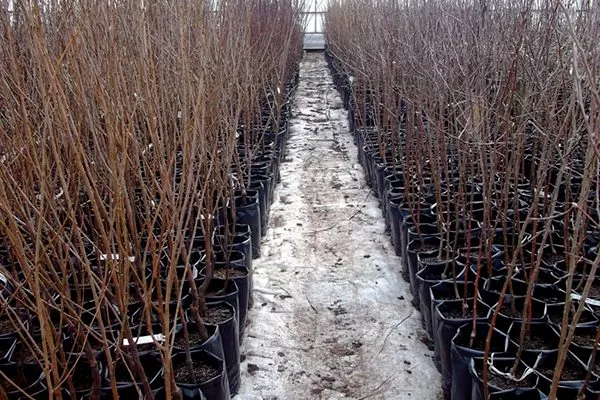
- Soak the roots of the seedling in water for 12-24 hours before planting to restore moisture.
- Trim damaged and overly long roots back to healthy tissue.
- Treat the roots with a rooting stimulator according to the manufacturer's instructions.
Prepare the planting material the day before planting. Thoroughly rinse the plant's root system with water, clean off any dirt, dry it slightly, and trim off any damaged areas. Then soak it in the Epin solution overnight.
Site preparation
Begin preparing the apricot planting site a few days in advance. Dig a hole measuring 50 x 50 cm. When planting multiple trees at once, maintain a distance of at least 4-5 m between holes.
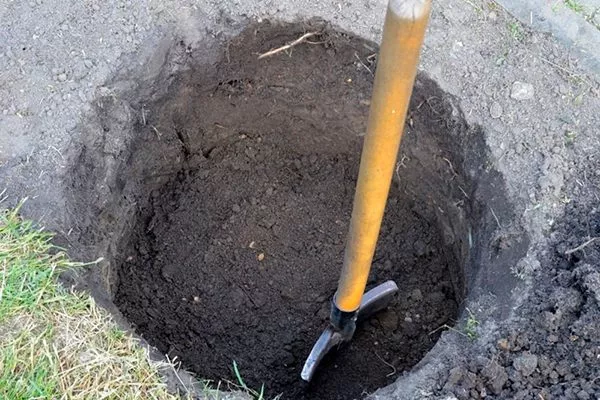
Create a protective layer at the bottom of each hole. In clayey and heavy soil, use crushed rock or gravel for drainage, preventing water accumulation. In sandy and light soil, place a layer of clay at the bottom of the hole to improve moisture retention.
The process of planting young seedlings
Planting young apricot seedlings is an important step that determines the plant's future growth and development. Here are step-by-step instructions for planting young apricot seedlings:
- Choose a well-lit location with full sun exposure. Apricots love sunlight.
- Make sure the soil is well-drained, preferably sandy or sandy loam, to avoid waterlogging, which can be harmful to the root system.
- Prepare a hole deep and wide enough to accommodate the root system of the seedling with some extra space.
- Before planting, inspect the roots for damage or dried out parts. Trim any damaged roots if necessary. Place them in a bucket of water for a few hours before planting to ensure moisture.
- Dig a hole, remove stones, weed roots and other impurities from the soil.
- Form a small mound in the center of the hole and place the roots of the seedling on it.
- Place the plants vertically in the center of the hole, spreading the roots evenly around the mound.
- Cover the roots with soil and compact it tightly to eliminate air pockets.
- After planting, water the seedling generously.
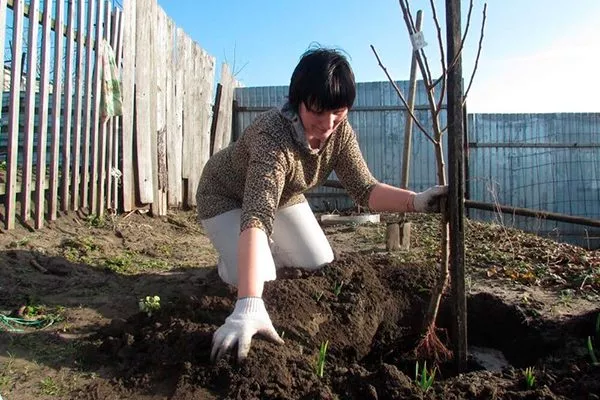
Regularly monitor the condition of the seedling, provide sufficient watering and soil care during the first year of growth.
How to plant an apricot from a seed?
Planting an apricot from a seed is possible, but this method requires patience and time, as the plant's characteristics may differ significantly from the parent tree. Step-by-step instructions:
- Select the pit from a ripe and mature apricot.
- Wash it from the pulp and dry it.
- Place the seed in a container with damp sand or peat.
- Place the container in a plastic bag and refrigerate. The stratification process typically lasts 2 to 3 months and simulates winter conditions.
- After stratification, plant the seed in soil or a pot.
- Choose a sunny location and ensure the soil is well-drained. Plant the seed at a depth of about 2 cm.
- Transplant the plant into open ground when it becomes large and strong enough.
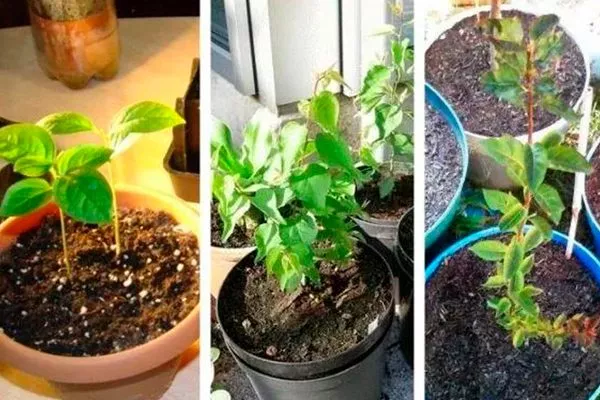
Apricots grown from pits may vary in characteristics and fruiting time. This method is suitable for those who enjoy experimenting, but to obtain a specific apricot variety, it is recommended to use seedlings from trusted sources.
Apricot tree care instructions
The care and cultivation of the Rossiyanin apricot variety are largely similar to those for other similar plants. To ensure normal development and a good harvest, simply follow these simple guidelines.
Watering
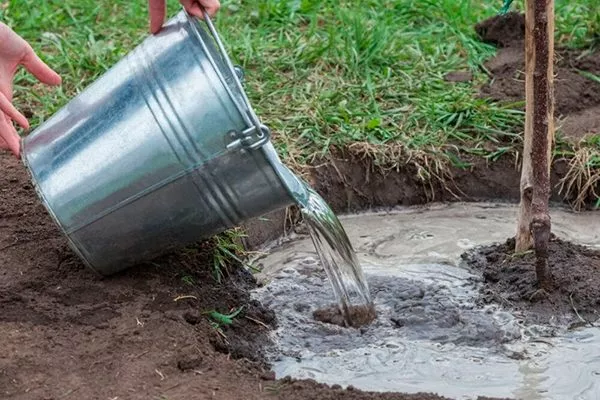
Young plants that don't yet have a strong root system require regular watering throughout the season. Use settled water before watering. Water and irrigate in the morning or evening. Afterward, loosen the soil around the trunk.
Feeding scheme
Fertilizing the Rossiyanin apricot plays an important role in ensuring the plant's health and productivity. Effective nutrition promotes the development of a strong root system, improved growth, and the formation of high-quality fruits. Here are some important points regarding fertilizing this apricot variety:
- At the beginning of the growing season, use nitrogen-rich fertilizers such as urea or ammonium nitrate. This will promote vigorous growth and development after the winter.
- In June, spray the plant with a complex mineral fertilizer applied to the foliage. This improves nutrient metabolism and provides the plant with essential elements during the period of active growth and fruit formation.
- From mid-summer onward, fertilizers high in phosphorus and potassium become essential for maintaining fruit maturity and development. These elements help strengthen the fruit's structure and improve its quality.
- Before harvesting, add wood ash. This helps replenish nutrients in the soil and create favorable conditions for future growth.
- Regularly adding compost, rotted manure or other organic fertilizers to the tree trunk circle helps enrich the soil with nutrients.
The dosage of fertilizers should be balanced.
Pruning and crown shaping
The Rossiyanin apricot is characterized by moderate shoot growth within the crown, requiring regular sanitary and formative pruning. Crown formation begins in the first year after planting.
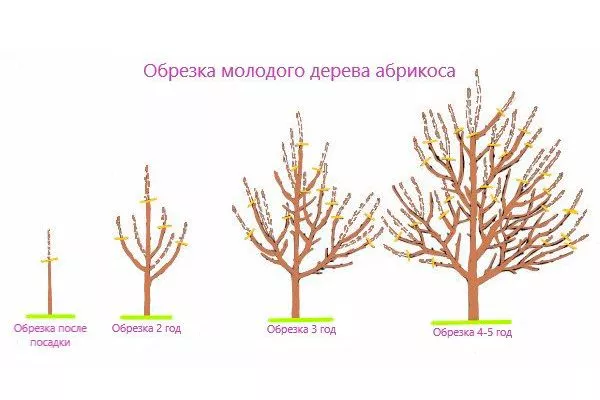
Immediately prune the central conductor, and over the next 2-4 years, gradually shape the crown's tiers, maintaining its natural rounded shape. In the spring, remove dry, diseased, and frozen branches, as well as shoots older than 3 years that produce smaller fruit.
In summer, if there's sufficient moisture, thin out the crown. Shorten rapidly growing branches by no more than a third. In autumn, remove weak and diseased branches and any excess shoots.
Preparing for winter
To effectively protect apricots from cold and winter conditions, despite their good frost resistance, it's important to implement a number of agricultural practices. Follow these instructions:
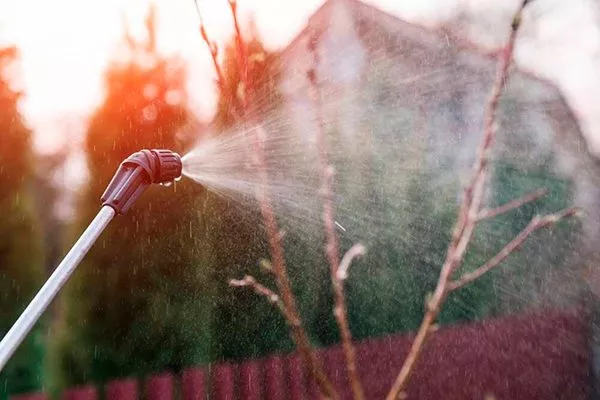
- Spray the trees with fungicides and insecticides, after cleaning the bark.
- Cover young seedlings with spruce branches or non-woven material to prevent frost.
- Covering the lower tier of branches and the main tree with spruce branches or barbed wire will prevent an invasion of rodents and hares.
If there is a lot of snow, create artificial snowdrifts around the trunks, which will serve as good insulation.
Harvesting and storage
Apricot harvesting begins at different times in different regions, usually in the last ten days of July. Harvest the fruits by hand, stems included, to avoid damaging the delicate skin.
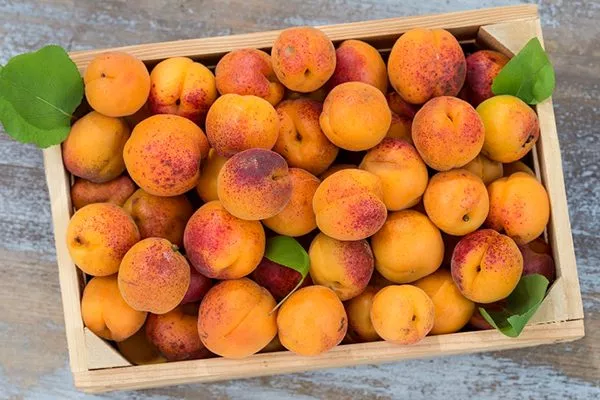
For long-term storage, select undamaged fruit and place it in boxes in layers, separated by parchment paper. Long-term storage is ensured in a well-ventilated area at a temperature of 5 to 10°C, protected from sunlight.
Common pests and diseases
The Rossiyanin apricot is a wonderful plant capable of producing a bountiful harvest in Russian conditions, but like any fruit tree, it is susceptible to various pests and diseases. Some common pests and diseases include:
- Plum codling moth. Caterpillars can cause serious damage to the apricot crop, damaging the fruit. Regular inspection of trees and application of insecticides according to recommendations will help control them.
- Fruit moth. The pest creates a web on branches, which can weaken the tree. Timely control measures and the use of moth control products can help prevent problems.
- Plum aphid. The insect can attack the tree's foliage. Regular insecticide treatments during the pre-planting period and in the spring will help prevent infection.
- Coccomycosis. Pathogenic fungi can cause red spots on leaves. Regular fungicide treatments early in the growing season can prevent this disease.
- Clasterosporiosis. This is a common disease of apricots, causing brown spots on leaves. Moisture management and fungicide treatment are important control measures.
- Moniliosis. A fungal infection that manifests as a grayish coating on the bark and darkening of the shoots. Preventative treatments and avoiding overheating and overwatering will protect the plant.
To reduce the risk of disease, it is recommended to regularly carry out preventive measures:
- Treat with copper sulfate solution to protect against diseases.
- Treat trees with a Fundazol solution in early spring to prevent holes from appearing on the leaves.
- In the fall, dig up the soil and remove damaged areas of the tree to prevent the appearance of fruit moths.
Reproduction: types and methods, implementation techniques
Apricot propagation is an important step in the process of creating new plants and preserving varietal qualities. There are several methods of propagating apricots, including shoots, seed, and grafting.
Let's take a closer look:
- Propagation of apricot by shoots. Suckers often appear as a result of damage to the apricot tree's root system, caused, for example, by animal attacks or frost. If sprouts appear, dig them up and carefully separate them from the main plant.
Plant the cuttings in prepared soil. Make sure the soil is well-drained and water thoroughly after planting. - Seed propagation method. Rinse the apricot seeds thoroughly and soak them in water for several hours to facilitate germination. Plant them in prepared soil at a depth of about 5-6 cm. The optimal time for planting seeds is autumn.
After the seeds have germinated, care for the plants, maintaining optimal watering and lighting conditions. - Apricot grafting. Various rootstocks are used for grafting apricots, such as plum, almond, or even other apricots, depending on the desired characteristics and size of the plant. Grafting should be done in spring or early summer, when active sap flow promotes successful union.
Select a grafting site on the rootstock trunk, make the appropriate cuts, and install the scion. Then, seal the graft with garden pitch or special sealing tape. Regularly inspect the graft and remove any shoots growing below it.
The choice of apricot propagation method depends on the gardener's preferences, climate conditions, and growing goals. Each method has its pros and cons, and the correct choice depends on specific conditions and requirements.
Reviews
The Rossiyanin apricot is a variety perfectly adapted to the Russian climate, allowing it to be grown in any conditions. Like any other plant, careful and proper care is essential to achieve high yields and maintain the tree's health.