
The Honey apricot is easy to grow and adapts to a variety of conditions. Proper soil preparation, optimal planting location, regular watering, and fertilization are key to ensuring healthy fruit and a bountiful harvest.
History of creation
The Honey Apricot was developed by a group of breeders led by K.K. Mulloyanov at the South Ural Research Institute of Horticulture and Potato Growing at the end of the last century. Research into creating the new variety, which began in 1991, was completed in 1996, when the new variety was presented to gardeners.
The breeders' primary goal was to develop a stone fruit with a high degree of frost resistance. To achieve this, they conducted open-pollination studies on the Kichiginsky variety.
Description of the Honey apricot variety
The Honey Apricot has many positive characteristics that are important to consider when planning to grow this variety. It is popular with both novice and experienced gardeners.
Characteristics
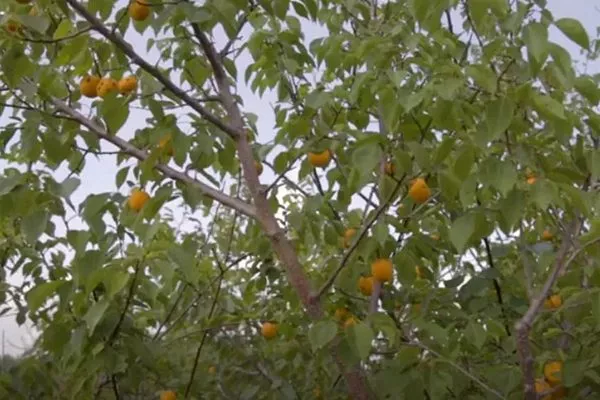
The apricot tree grows up to 4 meters in height and spreads just as wide, forming a spreading, triangular crown. The bark of the trunk and shoots is smooth, thick, and durable, with a grayish brown tint. The tree's branches are strong, elongated, and abundantly foliated.
Detailed characteristics of the variety:
- The medium-sized leaves are teardrop-shaped and light emerald in color. The leaf blade edges are finely serrated.
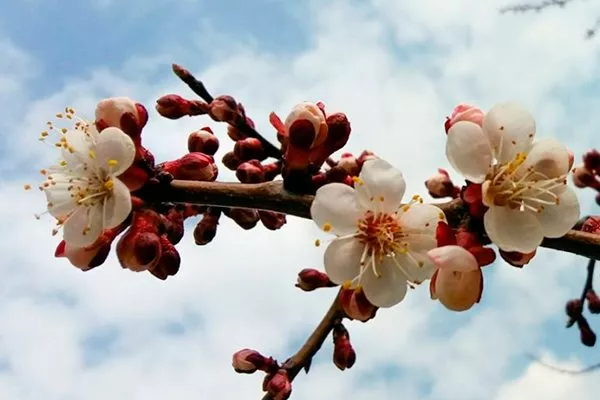
- The flower stalks have a burgundy hue. The medium-sized flowers are white, sometimes with a noticeable pink tint. During flowering, the apricot tree appears enveloped in a whitish cloud of flower buds.
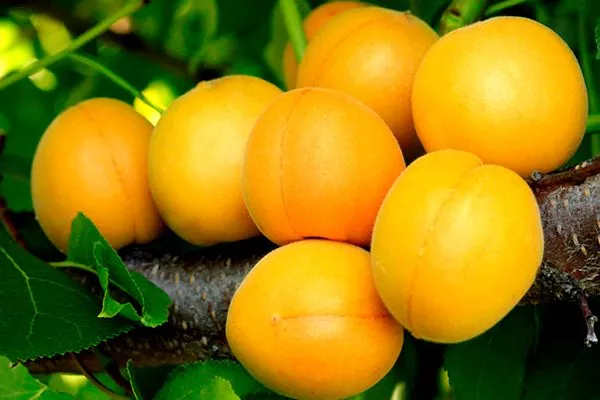
- The fruits are round in shape with smooth sides and a characteristic seam that runs from top to bottom.
- The skin is smooth, colored yellow with small reddish spots, without a blush.
- The fruits are small in size, with an average weight of approximately 15 g.
- The dense, yellow flesh has a sweet, slightly honey-like flavor and a delicate tartness. Ripe fruits are free of bitterness.
- The almond-shaped seeds are medium in size, easily separated from the pulp and are brown in color.
Drought resistance, frost resistance
The Medovyi apricot exhibits exceptional resistance to low temperatures, surpassing many other apricot varieties. This fruit tree can withstand temperatures as low as -38-40°C. Fruit buds remain resilient even during recurrent spring frosts, and their branches are virtually free of rot.
Although the tree can withstand dry periods well, regular watering is necessary to maintain the quality and size of the fruit. This procedure is also important for preserving its flavor.
Resistance to diseases and pests
This fruit tree is susceptible to various viral and fungal diseases, which can present challenges in control. Inspect the tree periodically to detect the first signs of disease early and begin effective pathogen control.
The Honey variety is susceptible to the following diseases:
- Moniliosis (monilial burn).
- Gray fruit rot.
- Brown leaf spot.
- Leaf curl.
- Hole spot.
- Stone fruit scab.
- Fusarium damping off.
- Cytosporosis wilt.
- Verticillium wilt.
- Gum flow.
Pests that can attack apricots include aphids, weevils, hawthorn moths, and black borers. Trees are also susceptible to damage from rodents (moles, hares, and other animals), especially in winter when food is scarce.
Pollination, flowering period and ripening time
This variety is self-sterile, meaning it needs to be planted with other pollinators nearby to achieve high yields. Choose pollinator varieties that bloom during the same period as the Honey apricot. The best pollinator is its parent, the Kichiginsky apricot.
Productivity and fruiting
The fruiting phase of the Medovy apricot tree begins four seasons after transplanting the seedlings to a permanent location, but the highest yields are achieved in the sixth year after planting. Fruiting remains stable over a long period and can continue for 24-30 years.
The first fruits begin to appear as early as the fourth year after planting. A mature tree is capable of producing significant yields, reaching up to 24-26 kg of ripe fruit per season. With effective care and optimal conditions, experienced gardeners harvest over 30 kg of ripe apricots.
Application of fruits
The fruits are versatile: they can be eaten fresh, added to fruit salads, or used to make preserves, marmalade, or sourdough for the winter. Ripe fruits can be frozen for long-term storage.
Chemical composition of fruits
The chemical composition of the Medovy apricot variety is impressive. Below is a detailed breakdown:
- fats – 0.1%;
- proteins – 0.9%;
- carbohydrates – 11.12%;
- fiber – 2 g;
- soluble solids – 15%;
- sugar – 12%;
- acids – 2%;
- pectin – 0.5%;
The fruits of the Honey apricot contain 7 g of vitamin C.
Advantages and disadvantages of the variety
This variety boasts a number of positive characteristics that make it stand out among similar varieties. Advantages of the Honey apricot:
Features of planting seedlings
The Honey apricot resembles other similar varieties found in the wild in the north of the country. For successful cultivation, it's important to familiarize yourself with the planting and subsequent care requirements beforehand.
Recommended timeframes
It's best to plant this fruit variety in its permanent location in early spring, before the sap begins to actively flow. Planting can also be done before the cold weather sets in, about a month before winter.
In northern Russia, plant fruit trees in early spring to allow them to adapt and establish roots in their new location during the summer. In temperate climates and southern regions, fall planting is preferable.
Choosing a suitable location
Apricot trees thrive and produce fruit in sunny locations. They require at least 8 hours of daylight for successful growth. Choose a planting location in the garden near fences or berry bushes.
Neighborhood with other cultures
Certain plants should not be placed near the Honey apricot. These include:
- apple trees;
- plums;
- pears;
- peaches;
- cherries;
- rowan;
- cherries;
- currants;
- raspberries;
- walnut trees.
The best neighbors for this plant are other apricot varieties, which act as additional pollinators. Provide them with a separate spot in the garden.
Selection and preparation of planting material
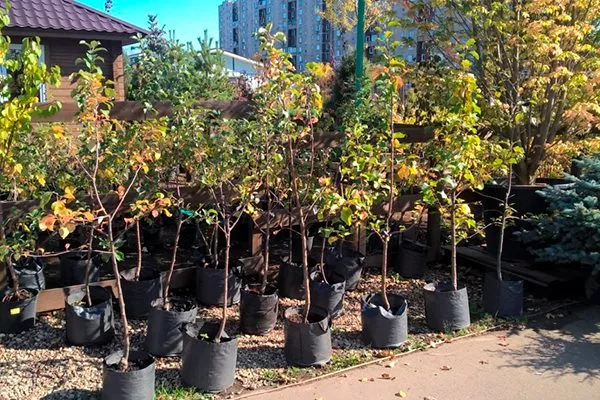
Buy seedlings only from reputable nurseries or trusted suppliers. Healthy plants typically have the following characteristics:
- no signs of rot;
- the presence of dense, healthy foliage without damage;
- strong and healthy root system;
- no cuts or scratches on the barrel.
- ✓ The presence of live, white roots at least 20 cm long.
- ✓ No mechanical damage to the trunk and branches.
- ✓ Presence of at least 3 well-developed lateral branches.
The optimal age for planting is 1-2 years; such trees adapt easily to new conditions, grow quickly, and produce high yields. When choosing trees with exposed roots, inspect them carefully to ensure they are undamaged.
Site preparation
The best conditions for apricot growth are found in chernozem, sandy loam, and medium loam soils. These soils are sufficiently loose and permeable, ensuring adequate access to water, oxygen, and solar heat.
Clay soils are not ideal for growing apricots due to moisture retention, which adversely affects plant development and growth. The soil in the area should be slightly alkaline or neutral.
If the soil is acidic, add dolomite flour a month before planting. In sandy soils, add a layer of clay to the bottom of the planting holes, and in clay soils, add a layer of sand. Before planting, clear the area of plant debris and roots, then dig thoroughly.
The process of planting young seedlings
For successful planting, prepare the planting holes 14-20 days in advance. The hole size is 70 x 80 cm. Mix the top layer with humus or a complex mineral fertilizer for berry plants. Place half of the mixture into the hole.
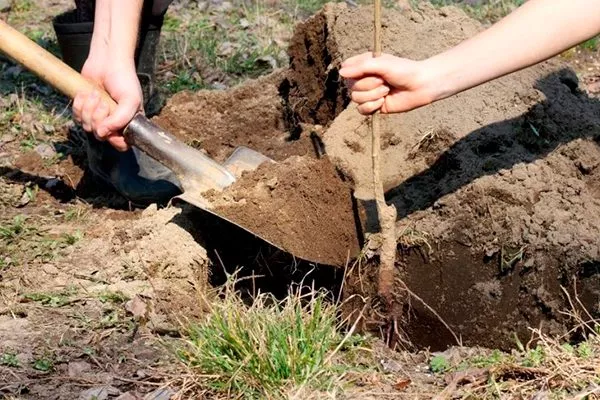
Step-by-step instructions:
- Place the seedling in a solution of potassium permanganate for 24 hours.
- Pour 10 liters of water into the hole.
- After the moisture has been absorbed, place the seedling in the center of the hole, spreading the roots along its diameter.
- Drive a stake into the ground to secure the tree.
- Fill the hole with soil mixture in layers, carefully compacting each one.
- The connection point of the scion and rootstock is located at ground level, 5 cm high.
- Form a tree trunk circle with a diameter of 40 cm.
- Add 10-20 liters of water under the tree.
- After the moisture has been absorbed, mulch the soil around the tree to slow down the evaporation of moisture.
If planting in the spring, begin preparing the soil in the fall by adding organic fertilizers. Add mineral fertilizers in the spring a few weeks before planting to allow them time to break down into nutrients.
Apricot tree care instructions
The Honey apricot is considered an easy-to-grow variety, but it does require certain cultural measures for successful development. These include regular watering, soil loosening, weed removal, fertilization, and a number of other measures.
Prevention and protection from pests and diseases
To prevent harmful insects and diseases of apricots, take preventative measures. Follow these instructions:
- Ensure regular watering and fertilization. This will strengthen the trees, making them more resilient to harmful factors.
- Regularly prune the tree's crown: remove dead, damaged, diseased, and weakened branches. This helps prevent pests from settling and protects against pathogenic infections. Disinfect tools before and after pruning, and treat cut surfaces with garden pitch.
- Treating the trunk and bases of skeletal branches with a lime solution before frost and in early spring helps prevent diseases. Adding a solution of copper sulfate or yellow clay will enhance the effectiveness of the treatment.
- Dig and loosen the soil to destroy the larvae of harmful insects that hide in the soil before the onset of cold weather.
By regularly carrying out these procedures, the apricot will remain healthy and attractive in appearance, and its yield will increase.
Watering
During the first year after planting, the seedling requires watering. Water every 2-3 days throughout the summer. As the next season approaches, reduce the frequency of watering for growing seedlings to every 6-8 days. For mature trees, depending on weather conditions, watering every 15-30 days is sufficient.
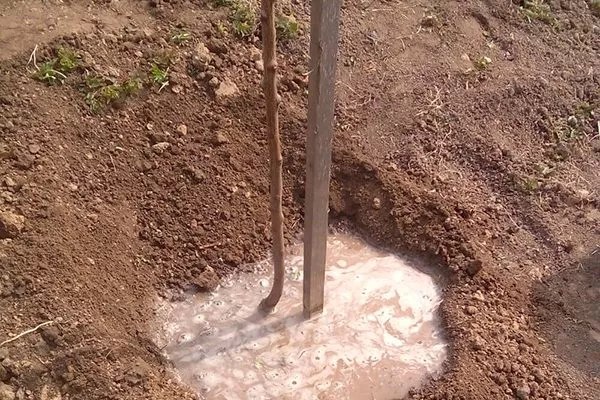
The Honey variety is highly drought-resistant, allowing it to tolerate infrequent watering. The optimal watering period is spring and summer. After harvesting, water the tree for the last time in the fall.
Feeding scheme
Before planting trees, it's a good idea to add a nutrient-rich substrate to the planting holes. It should consist of the following components:
- 1.5 parts of the top layer of fertile soil from the planting hole;
- 5 parts leaf soil;
- 1 part cow dung;
- 60 g of wood ash;
- 50 g Superphosphate.
Mix all ingredients thoroughly and apply to the planting holes a week before planting. No additional fertilizing will be required for the next 3-4 seasons.
When trees begin to bear fruit, apply a nutrient mixture per square meter containing 8 g of superphosphate, 30 g of ammonium nitrate, and 20 g of potassium salt. Apply organic fertilizer every three seasons. Avoid excess nitrogen to avoid stimulating excessive foliage growth at the expense of fruiting.
Pruning and crown shaping
To obtain abundant and high-quality harvests of delicious fruit, proper care, including pruning, is required. Follow these recommendations:
- Immediately after planting, perform a radical pruning, removing all low-growing shoots to allow the trunk to develop properly. Prune remaining branches to approximately 1/3 of their height. Shorten the tree's top so that the height is no more than 50 cm, encouraging vigorous growth of lateral shoots.
- Over the next two years, actively remove upward-growing branches to create a cone-shaped tree. This helps prevent excessive growth at the top of the tree at the expense of the less developed lower part, making fruit harvesting and apricot care easier.
- Once the tree is at least 5 years old, perform a health pruning. During this period, partially prune the tree to a height of 2 m, which will help reduce the crown's volume and restore fruiting intensity.
Carry out the procedure in early May using disinfected garden tools, and treat the cut areas with a special paste or paint to prevent possible infections.
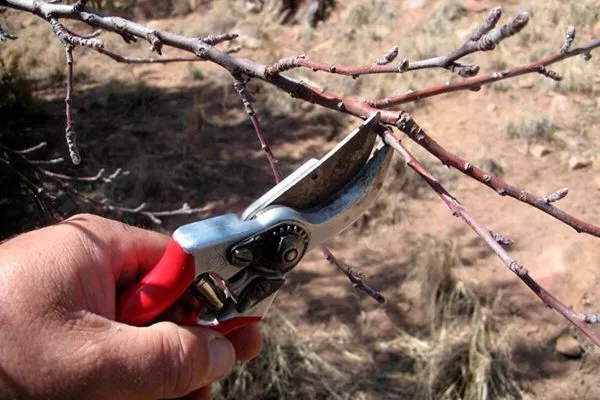
The principles of pruning this fruit tree are as follows:
- Every year in mid-April, prune vegetative branches above the 5th bud, but branches with one bud are not subject to pruning.
- In late May or early June, prune flowering branches above the fourth bud. This will allow larger apricots to form on new shoots.
- After harvesting, shorten the shoots that have borne fruit.
By following these principles, you will achieve the optimal crown shape and stimulate the development of fruits on the apricot tree.
Preparing for winter
The future development and fruiting of the crop in the following season depends on preparation for the winter period. After the leaves fall, clear the tree trunks of all leaves, carefully removing weeds and roots.
When preparing apricot trees for winter, follow these steps:
- Remove any dead, diseased, inward-growing, or weak branches. Trim off any rotten or dried-out fruit.
- Spray all green mass, trunk and branches with Bordeaux mixture (3% solution).
- Whitewash the lower part of the trunk and branches with a lime solution to prevent cracks in the bark during the winter.
- If there were tree trunk circles in the summer, level them in the fall to avoid water stagnation in this area.
- Apply a layer of mulch at least 5 cm thick before the onset of frost. This will protect the root system from freezing.
- Wrap the lower part of the seedling trunk with covering material to prevent freezing and sunburn during thaws.
- Wrap the trunks with fine-mesh wire mesh to protect them from mice, hares and other rodents.
These measures will help ensure that the trees are well prepared for winter and maintain their health for successful fruiting.
Harvesting and storage
When ripe, the fruits have a firm texture and a green hue. When fully ripe, they turn golden and softer, with a refined honey aroma and delicate flavor. To ensure they're ready to pick, remove the fruit from the branch and taste it.
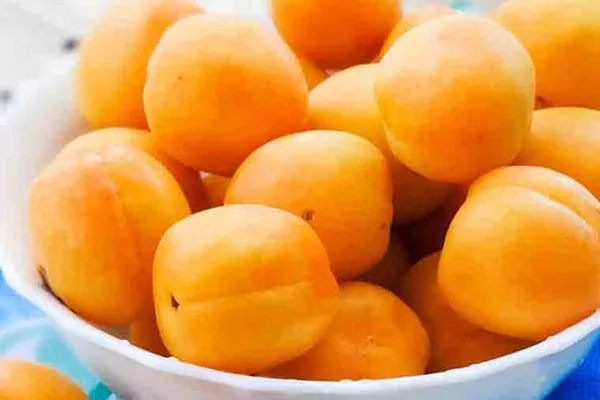
The fruit can be harvested at a stage of incomplete maturity, as it can ripen further after harvesting, facilitating transportation and subsequent sale. The optimal time for picking ripe fruit is during dry weather, preferably in the evening.
Methods of reproduction
Growing the Honey apricot from a seed is the optimal way to adapt the plant to local conditions. This variety can be propagated using the following methods:
- Cuttings. Use last year's woody or young green shoots, pruning them in the fall or early summer. Treat the lower cut with a phytohormone or growth stimulant. Plant in the ground.

- Sowing seeds. Perform this procedure in the fall after soaking the seeds for 24 hours. In winter, cover them with dry leaves or straw. When seedlings emerge in the spring, protect them by covering them with a jar or plastic film.
- Air vents. In late spring, make a cut in a young branch, removing the bark. Then, insert half of a plastic bottle with a neck, filling the space with moss or loose soil. Transplant outdoors in the spring.
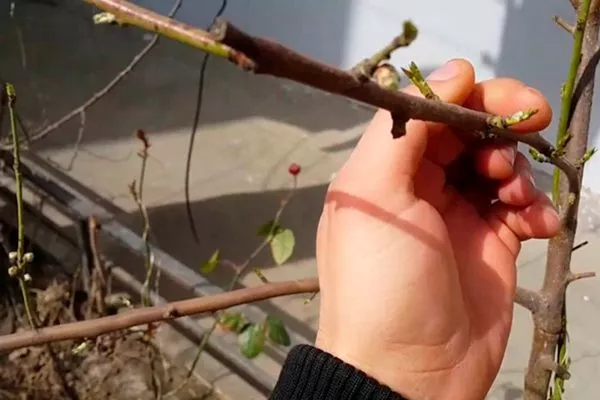
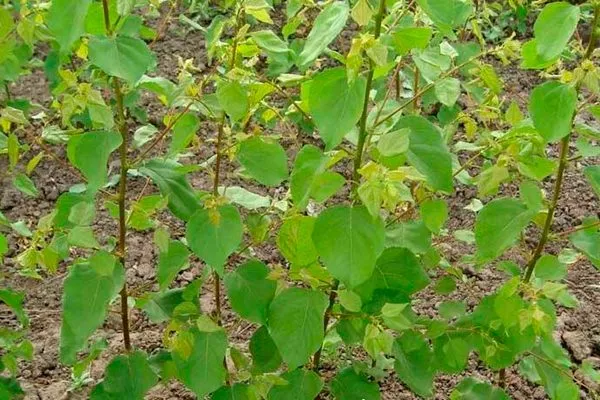
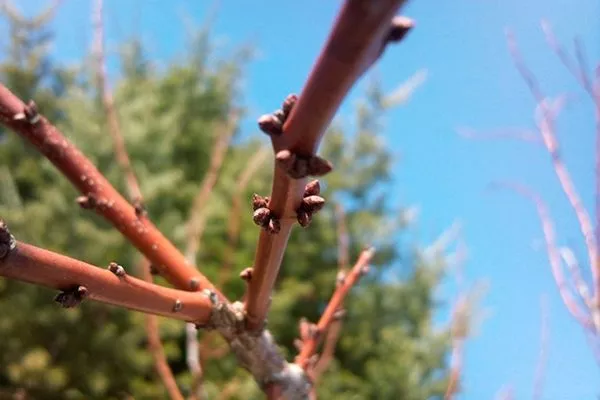
These propagation methods ensure successful adaptation of the Medovy apricot variety to local conditions and a successful increase in the number of seedlings.
Gardeners' reviews
It's impossible to imagine a modern garden without apricots. This fruit has become popular with many, regardless of age. Today, there are many apricot varieties, differing in ripening time, yield, and flavor. The Honey apricot is one of the most suitable for growing in the central part of the country.