
The Red-cheeked apricot is an old and proven variety, beloved by gardeners for its successful combination of flavor and beautiful fruit. This variety has become the ancestor of many modern hybrids, capable of growing in harsher conditions than their "ancestor." Let's learn about the specifics of planting and growing "Red-cheeked" apricots.
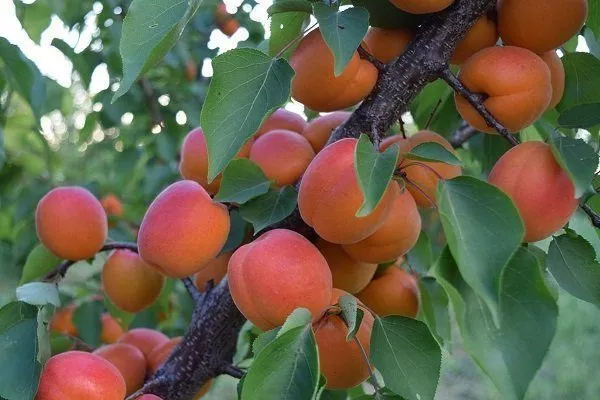
apricot variety "Krasnoshchyok"
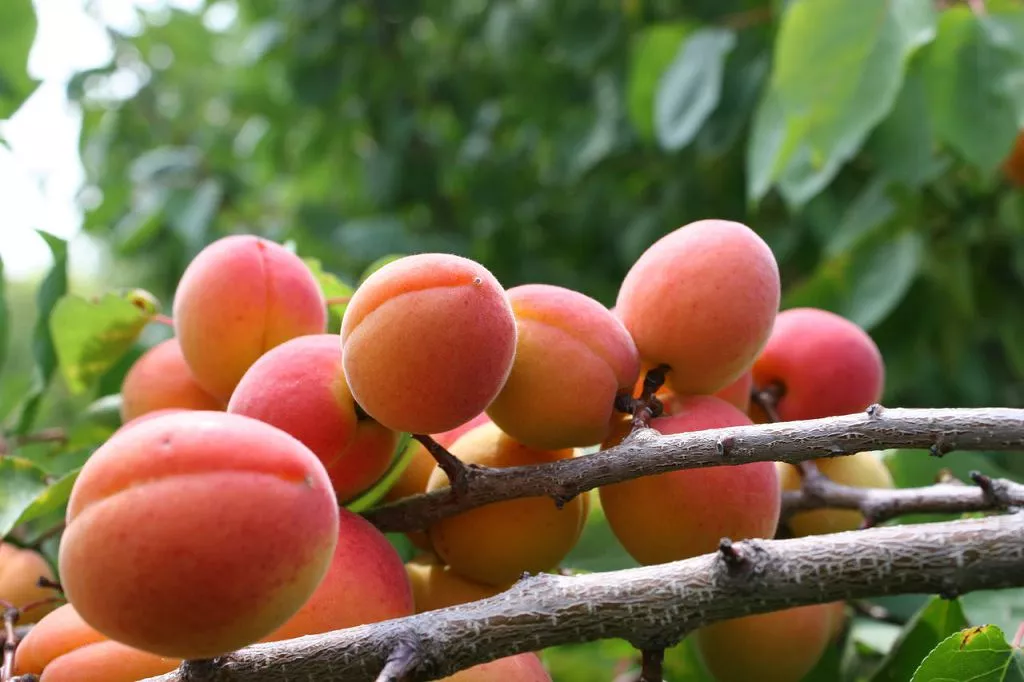
The Krasnoshchyok variety is popular due to its high consumer qualities
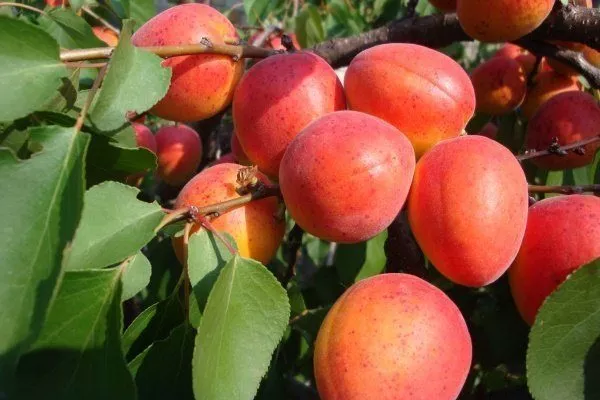
apricot "Krasnoshchyok" - a southern, heat-loving variety
How did the Red-cheeked Apricot appear?
There are no precise details about the variety's origins. It is only known that the first apricots, with their characteristic red spots merging into a "blush," grew in Central Asia. Migrating, these blush-colored apricots reached Armenia, and from there spread to the southern regions of Russia.
Crimean breeders managed to preserve the characteristic red spotted pattern. Following breeding work conducted at the Nikitsky Botanical Garden (Crimea), the Krasnoshchyok variety was officially added to the State Register in 1947.
Description of the tree and fruits
An experienced gardener can easily distinguish Krasnoshchyok by the characteristics characteristic of this variety:
- Tree. A vigorous, tall tree, reaching 12 m in height. The crown is sparse and spreading. The branches are long.
- FruitThe Red-cheeked apricot is easily recognized by its beautiful orange-red fruits. The fruit is round and ovoid, with a deep ventral suture. The skin is velvety, thin but firm. The color is golden-orange. The surface is covered with red spots, sometimes merging into spots. Weight: 40-65 g. The pits are large, easily separated from the pulp, accounting for 6.5% of the fruit's weight. Inside the pits are tasty kernels.
The Krasnoshchyok fruit is sweet and sour. The light orange flesh has a pleasant apricot aroma. Fruit composition:
- sugar – 9.7%;
- dry matter – 13.7%;
- acids – 1.37%;
- ascorbic acid – 13.7 mg per 100 g.
The caloric content of apricot is 41-44 kcal per 100 g. The fruit contains: proteins - 0.9 g, carbohydrates - 10.8 g, fats - 0.1 g.
Main characteristics of the Red-cheeked apricot
Producing half a hundred pounds of fruit per year, this variety requires little agricultural management. It takes root easily and easily tolerates lack of irrigation.
Krasnoshchyok is valued for its excellent agronomic characteristics:
- Drought resistance. Having a powerful, well-developed root system, the tree extracts water from the depths without the need for external moisture.
- Frost resistance. The variety is reliable only in the regions for which it is intended. Krasnoshchyok can withstand temperatures down to -15-20 degrees Celsius without damage. However, the shorter the periods of low temperatures, the better.
- Resistance to diseases and pests. The Red-cheeked tree is most susceptible to fungal diseases, including moniliosis, clasterosporium, and brown spot. If the weather is unfavorable—damp, low sun, and cool—the tree will inevitably become infected with some kind of fungus.
- Self-fertility. The variety doesn't require additional pollinators. Just one apricot tree can be planted in a plot, and it will produce full fruit.
Main agrotechnical characteristics of the Krasnoshchyok apricot:
| Characteristics | Parameters/Description |
| Productivity | 70 kg per tree |
| Ripening time | end of June |
| Precocity | high |
| Pollination | self-fertile |
| Frost resistance | average |
| Immunity | average |
| Lifespan | 50-60 years old |
| Drought resistance | high |
Pros and cons of the variety
The advantages that make the Krasnoshchyok variety popular among gardeners include:
- Early fruiting – the tree produces its first harvest in the third year after planting.
- Self-fertility – produces large yields in the absence of pollinators.
- It resists many diseases and pests well. It doesn't require much spraying.
- High yield. A large tree and an abundance of large fruits are the ideal combination for large harvests.
- Resistance to extreme growing conditions. It tolerates low winter temperatures and summer drought.
- The fruit has excellent taste and commercial qualities. This is a good commercial variety.
- The versatility of the fruits is suitable for any purpose.
- Unpretentious and undemanding to soils.
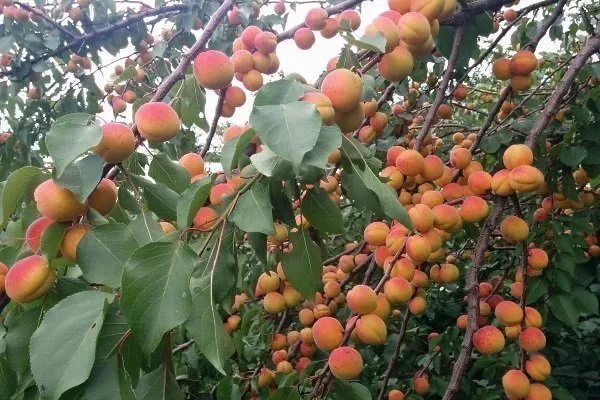
- Ornamental. The tree is powerful and beautiful, especially during flowering, when it is adorned with numerous flowers, and during fruiting, when the branches are covered with red-sided fruits.
The apricot blossom lasts about 10 days. The tree, covered in delicately fragrant flowers, attracts numerous honey bees.
Red-cheeked has few disadvantages:
- A tall tree is difficult to maintain – spraying and harvesting are difficult.
- It doesn't tolerate temperature fluctuations and frost well. These damage flower buds. If it freezes, it takes a long time and is difficult to recover.
The most dangerous time for the Krasnoshchyok variety is the alternation of spring thaws and frosts.
Growing regions and climate adaptation
Besides Crimea, the North Caucasus and the southern Volga region are considered the most suitable regions for growing the Krasnoshchyok variety. This apricot can also be found in the Krasnodar Krai and Rostov Oblast. The variety is also widely grown in Belarus, Latvia, and Ukraine.
In the southern regions, the heat-loving Red-Skinned Apricot is widespread. Today, thanks to new hybrids and proper farming practices, red-sided apricots are slowly but surely making their way further and further north.
Fruiting and yield
Krasnoshchyok is a mid-season variety. Fruiting begins in the third to fifth year, depending on specific climatic conditions. In most regions of Russia, the fruits ripen between mid-July and early August.
The harvest is annual, with no interruptions in fruiting, except in cases where flower buds freeze. Productive fruiting lasts for 50-60 years.
Productivity of the Krasnoshchyok variety:
- One tree yields 60 kg. There are records of 80-90 kg. 50-60 kg is equivalent to 10-15 buckets of apricots.
- From 1 ha – 65 centners, maximum – 180 centners.
Popular varieties of apricots include the Krasnoshchyok variety.
After the official registration of Krasnoshchyok, work began to improve its characteristics by creating hybrids. The breeders' efforts yielded excellent results, and numerous varieties with new characteristics and potential were created from the popular variety.
Distinctive features of popular species of Red-cheeked:
| Name | Distinctive features |
| Red-cheeked Nikitsky | It differs from its parent variety by the flattened shape of its fruits and sweeter and more tender flesh. |
| Red-cheeked late | It ripens later than Krasnoshchyok – at the end of July – beginning of August. |
| Son of the red-cheeked | It has improved winter hardiness and better tolerates temperature fluctuations. It's more suitable for temperate climates than Krasnoshchyok. |
| Red-cheeked Salgirsky | It is distinguished by high yield and good technical properties of fruits. |
| Hardy | It tolerates harsh climates well. The branches easily survive cold winters. The fruits are flattened, and the skin is darker than that of the Red-cheeked variety. |
| Russian | A low-growing tree. Suitable for growing in temperate climates. It tolerates severe frosts. |
| Bullfinch | The hardiest variety of Red-cheeked. The tree is very compact – only 1.5 meters tall. Yields 10 kg per tree. The fruits are firm and store well. |
Landing rules
The gardener's precise planting decisions determine the tree's future fate. Let's learn how to prepare for planting a seedling and how to do it correctly.
Optimal timing
The exact planting time depends on the region's climate. Two planting methods are used:
- Autumn. It's more suitable for southern regions. Milder and later winters allow seedlings to establish roots safely and survive the difficult period without losses. About six weeks should pass between planting and the onset of stable frosts.
- Spring. This option is suitable for regions with cold winters. Planting begins as soon as the snow melts, before the sap begins to flow.
In the central zone, as in the southern regions, apricot seedlings can be planted in both spring and fall. If forecasters predict an early winter, it's best to postpone planting until spring.
Choosing the best location
Site requirements for planting apricot:
- Relief. A flat or elevated site is suitable. Lowlands with stagnant water are unsuitable. It is preferable that the site be protected from strong winds. A wall, a high fence, or planting can serve as a barrier.
- Illumination. Apricot loves light, so choose a sunny area for planting.
- Groundwater level. The groundwater level should be no closer than 2.5 m from the surface.
- Soil. Light loamy, clayey, and slightly carbonate soils with a neutral or slightly alkaline reaction are suitable. The pH level should be between 7 and 8. Soils with a high lime content are unsuitable, but excessively acidic soils should benefit from lime addition.
- ✓ Soil pH levels should be strictly in the range of 7.0-8.0 for optimal nutrient absorption.
- ✓ The depth of groundwater is at least 2.5 m to prevent the root system from rotting.
The main thing that apricots don’t like:
- Shadow. Lack of light negatively affects the growth and development of the tree and reduces its yield.
- Moisture. High humidity has a detrimental effect on the root system – it rots, and then the tree itself dies.
Cultural Neighborhood
Apricots don't like neighbors. They are adversely affected by the proximity of any stone fruit crops. Apricots should not be planted near apple, plum, pear, cherry, sour cherry, walnut, or rowan trees—all of these trees have a suppressive effect on the crop. Experienced gardeners recommend maintaining a distance of 10 meters from the nearest plantings when planting apricot seedlings.
In addition to fruit trees, berry bushes such as raspberries and currants also have a negative impact on apricot trees. Pests that infest these crops can migrate to the apricot tree, weakening it and reducing yield. The best option is to plant flowers or low-growing vegetables near the apricot tree. However, only those with poorly developed root systems, so as not to damage the tree's roots.
Selection and preparation of planting material
When buying a seedling, it's impossible to predict how strong and healthy it is, so when choosing, you have to rely on external signs:
- Bark. The trunk and branches should not have any damage, cracks, stains or other signs indicating disease or weakness of the seedling.
- RootsThe root system is moderately sized but strong. Seedlings with weak or thin roots are unsuitable – they will take a long time to establish and will have difficulty doing so.
- HeightThe optimal option is 70-80 cm.
- AgeIt is advisable to purchase a one-year-old seedling.
- Type of seedling. It's recommended to buy a grafted seedling rather than a seedling. Grafted seedlings carry the parent's traits, while seedlings are often unpredictable—they can surpass their parents in fruit quality and yield, or they can turn out to be wild. Seedlings of cultivated varieties are thornless, but they do have stumps at the root—the place where the rootstock was cut above a bud that took root.
Experienced gardeners practice growing apricots from seeds. These trees are not only as productive as regular seedlings, but also produce superior yields.
The root system of a purchased seedling should not dry out during transportation. To restore the seedling's growth potential, place its roots in water a day or two before planting. Potassium permanganate (on the tip of a knife) or a biofungicide can be added to the water. Trim the roots with a sharp, disinfected knife, removing damaged and dead tissue. Immediately before planting, soak the roots in a slurry of clay and mullein.
Preparing the pit
Planting holes, regardless of whether the planting time is fall or spring, are prepared in advance. This is necessary to allow the soil to settle. If the seedling is planted in the fall, the hole is prepared two weeks before planting, and if in the spring, the soil and holes are prepared in the fall, in October or November.
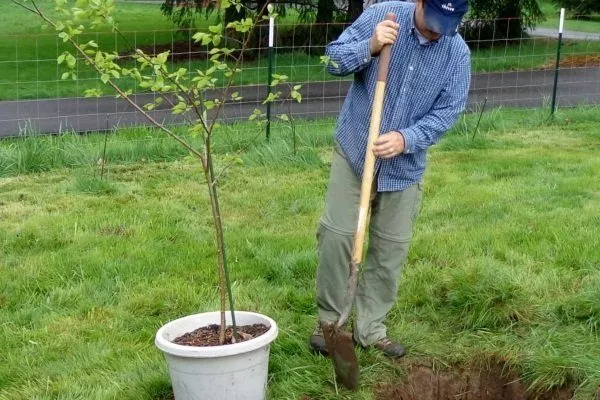
The red-cheeked rhizome has a strong root system, so dig a hole at least 80 cm deep and 50-60 cm in diameter. Drainage is provided at the bottom of the hole to prevent water stagnation near the roots. Expanded clay is best for drainage, but pebbles, crushed rock, brick chips, and clay shards can also be added.
Procedure for preparing the pit:
- The fertile layer – 15-20 cm – is set aside.
- Mix fertile soil with humus/compost (1.5-2 buckets).
- Fertilizers are added to the soil mixture: nitrogen (30-40 g), phosphorus (60-70 g), and potassium (25-30 g). You can use a complex fertilizer, such as Azofoska or Nitrophoska (120-150 g). Those who prefer natural fertilizers can add 3 liters of wood ash.
- The mixture is poured into the hole, filling it 2/3 full, then covered with waterproof material.
Step-by-step planting guide
Step-by-step instructions for planting an apricot seedling:
- Open the planting hole by removing the waterproof covering. Slightly off-center from the center of the mound of soil, place a stake for the seedling. The stake should be approximately 20-30 cm higher than the tree.
- 30-40 liters of water are poured into the hole.
- Place the seedling, prepared for planting, on the mound so that the roots are evenly distributed. There should be no roots protruding upward.
- The roots are covered with the prepared substrate, compacting it gently to eliminate air gaps. For this purpose, the tree is periodically shaken. Once the hole is filled, the root collar should be at least 4-5 cm above the soil surface. If the apricot is planted in sandy soil, the distance is reduced to 3-4 cm.
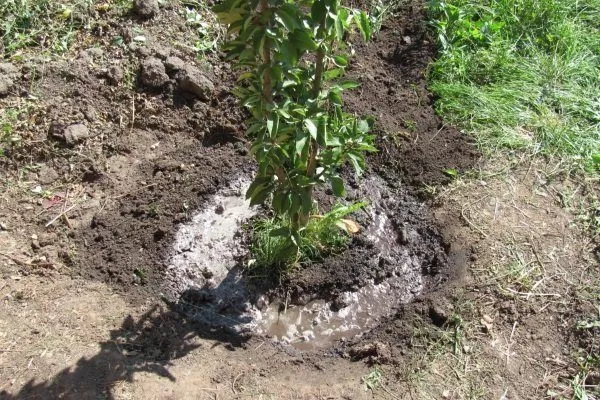
- After compacting the soil, a small earthen rampart is made around the circumference at a distance of 50 cm from the trunk to prevent water from spilling out.
- Water the seedling with 2-3 buckets of water.
- After half an hour, when the water has been absorbed, sprinkle the area around the tree trunk with mulch. Peat chips, fallen leaves, freshly mown grass, or compost are all suitable for this purpose.
- The tree is carefully tied to the support.
- The side branches are cut off completely, the main conductor – by 1/3.
Caring for a seedling and an adult tree
Caring for the Krasnoshchyok apricot tree changes as the tree grows. During the first few years, the tree's energy is focused on maintaining its health, establishing a strong crown, and preparing for fruiting. A mature tree also requires support—fertilizing, pruning, and other measures that determine its health and productivity.
Basic care in the first year of planting
Features of caring for an apricot seedling:
- Fertilizing is not necessary during the first two years – the fertilizer placed in the planting hole will last for a long time.
- A young tree is watered six times per season, with three buckets of water each time. As it grows, the frequency of watering decreases, and the amount of water increases.
- The soil around the tree trunk is regularly mulched. This is necessary to strengthen the seedling's root system.
- Pruning is not necessary in the first year. The crown of the Krasnoshchyok seedlings develops on its own.
- Regularly inspect the trunk for cracks. If any are found, seal them with garden pitch.
- If necessary, treat the tree with Bordeaux mixture or copper sulfate.
If you overwater apricot seedlings, they will develop extra shoots that will take away the strength of the young tree.
Follow-up care
How to care for an adult apricot tree:
- Watering. For irrigation, create circular furrows. The final ring is the same diameter as the tree's crown. Water the tree 2-3 times per season: first during flowering, then at the end of May, and finally in July, before the fruit ripens. In the fall, a moisture-replenishing irrigation is recommended, applying 70-80 liters of water per tree.
Overwatering the Red-cheeked tree is not recommended, as it can cause root rot. Overwatering after a prolonged drought can cause the fruit to crack. Avoid hose-dripping apricots, as water droplets can transmit fungal infections. - Loosening and mulching. After watering, the soil is loosened to a depth of no more than 10 cm. Then the tree trunk area is mulched to retain moisture.
- Top dressing. Apricots require less fertilizer. Fertilizing begins in the third year. Several applications are made throughout the season:
- In the spring, once every 2-3 years, humus or compost is spread under the tree – 5-7 kg per 1 square meter. Then the norm increases – for a 10-year-old tree, give 12-15 kg of humus per 1 square meter.
- After adding organic matter, after 1-2 weeks, the tree is fed with mineral nitrogen-containing fertilizers - 10-15 g per 1 sq. m.
- Before harvesting the fruit, the tree is fed twice more: after flowering, fresh cow manure and bird droppings with the addition of superphosphate and potassium sulfate (20-30 g per 1 sq. m) are added.
- A month before harvesting, apply a complex fertilizer according to the dosage indicated in the instructions.
- The final fertilizing is after harvest. Phosphorus and potassium are added. Their natural source is wood ash. Nitrogen-free fertilizers can also be applied.
- Pruning apricot. The optimal crown design is a sparse, tiered structure. Three to four tiers are formed from five to six branches. The skeletal branches should be 30 to 40 cm apart. The tiers are formed over several years. Skeletal branches should not be positioned at too sharp an angle to the trunk. All downward-facing branches are pruned.
To regulate the yield, all excess branches located deep in the crown are pruned. The tree also requires regular sanitary pruning. All pruned branches infected with diseases and pests are immediately destroyed. - Preparing for winter. The tree trunk circle is mulched, the trunk is covered with spruce branches or wrapped in burlap.
Nitrogen fertilizers allow the tree to grow green mass; after that, nitrogen is unnecessary and even harmful. However, apricots really need phosphorus and potassium.
Diseases: treatment and prevention
Apricots suffer most from fungal diseases. Prevention is better than cure.
The main diseases of the Krasnoshchyok apricot:
| Disease | Symptoms | Control and prevention |
| Moniliosis | The leaves dry out and the fruits are damaged. | As a preventative measure, spray with Zineb or Captan. Repeat the spraying after two weeks, and the final spraying should be done one month after harvest. In the spring, treat with a 3% Bordeaux mixture. |
| Clusterosporiasis | It attacks all parts of the tree, but the leaves are most severely affected, with reddish-brown spots appearing on them. Over time, holes form where the spots are. Fruit also rots, and branches are affected. | The tree is treated with Horus and Skor two weeks before flowering. Copper or iron sulfate is also added to the whitewash solution at a rate of 2-3 g per liter. |
| Fruit rot | The fruits have brown spots and a grey coating. | Spraying with copper-containing preparations. Treatment with Horus or Condifor. |
- ✓ Yellowing of leaves in the upper part of the crown indicates a lack of nitrogen.
- ✓ The appearance of red spots on the leaves may indicate the onset of a fungal disease.
When and how to harvest?
The fruits ripen in stages. Furthermore, when harvesting, the harvesting objectives are taken into account:
- Drying - overripe, softened apricots are more suitable for this.
- For eating - moderately ripe, do not need further ripening.
- For long-distance transportation - slightly ripe fruits, light yellow in color.
- For canning, fruits of any stage of ripeness are suitable.
A gardener provides an overview of the "Krasnoshchyok" apricot variety in his video below:
Storage and transportation of fruits
Red-cheeked fruits travel well in transit. Fruits harvested at technical ripeness, under favorable conditions, can be stored for up to 10 days.
Pests: control and prevention
The Krasnoshchyok apricot is susceptible to various insect attacks, including aphids, May beetles, weevils, leaf rollers, codling moths, and others. To prevent crop damage, it's important to carry out preventative spraying in a timely manner.
The most dangerous pests of the Krasnoshchyok apricot:
| Pest | What's striking? | Control and prevention |
| Aphid | It feeds on leaf juices. The shoots become deformed. | Preventative treatment with insecticides in spring and fall. For control, spray with Actofit. |
| Yellow sawfly | The butterfly lays eggs in buds and buds, and the larvae eat them. | Treat with Karbofos a month before harvesting – up to 10 liters per tree (60 g per 10 liters of water). |
| Codling moth | Caterpillars eat the pulp of the fruit. | Spraying with Karbofos at the times and in doses according to the instructions. |
| Galitsa | The larvae eat away the buds. | Dig up the soil, remove damaged buds, and spray the tree with Kemifos. |
| Rodent (rats, mice, hares) | Damage to the bark. | Place 3-4 briquettes of Storm near the trunk. Wrap the trunk in thick paper. Whitewash the trunk and coat it with a mixture of mullein and clay. |
Reviews of the Red-cheeked Apricot
It's no wonder the Krasnoshchyok apricot has topped the popularity charts for many years. This variety is a true "apricot classic." It combines the qualities most prized in fruit trees: magnificent fruit, high yields, and ease of care.