
Apricots are loved by many for their excellent flavor. The Champion Severa variety stands out for its excellent characteristics and abundant yields. This variety not only delights, but also provides a reliable source of vitamins and delicious delicacies. Proper care ensures the best possible harvest.
Breeding history
Breeders L. A. Dolmatova and A. N. Venyaminov worked on the creation of the Champion Severa apricot. The variety was developed at the Voronezh State Agrarian University. Work was also conducted on the Triumph Severny apricot at the experimental station. Ultimately, the new variety was developed through open pollination.
Description of the variety
The Champion Severa apricot has attracted the attention of many gardeners, who appreciate its excellent plant and fruit characteristics. This variety has received numerous positive reviews, even from fruit tree enthusiasts.
Characteristics of fruits and trees
This versatile apricot tree exhibits remarkable vigor and can grow up to 5 meters in height. Its unique crown is as attractive as its thick, slowly growing shoots. Against the smooth, light green foliage, delicate pink flowers bloom at certain times.
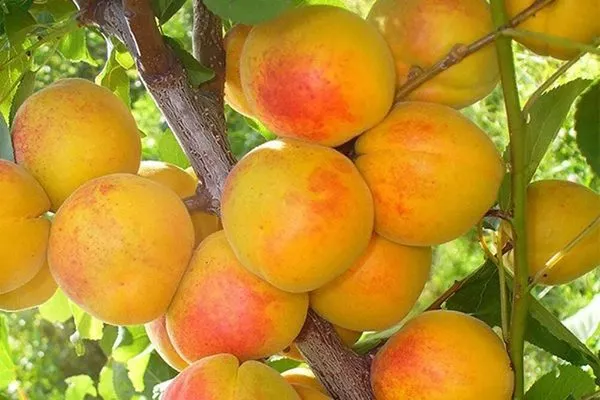
The fruits of this variety weigh between 30 and 65 grams. The oval apricots acquire an orange hue on one side, which deepens in sunlight. The skin is medium-thick and covered with soft fuzz. The pit, which is impressive in size, separates easily from the main fruit.
Taste qualities
Although the flesh of these fruits is a bit dry, this doesn't prevent it from having a pleasant taste. The center of the fruit is considered especially sweet. Tasters rate this variety 4.5 stars.
Flowering period and pollinator varieties for the Champion of the North apricot
This variety is self-pollinating. The inflorescences form on thorn-like shoots located on the tree's branches. To increase yield, it is recommended to plant the tree next to the Triumph of the North apricot.
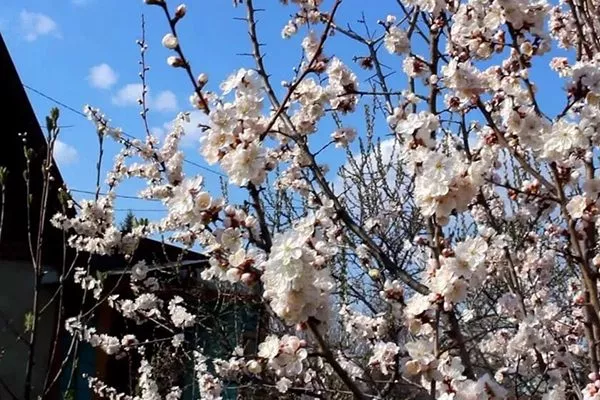
Flowering is short-lived, lasting no more than 1.5 weeks. This occurs in the last week of April or the first half of May. In terms of ripening time, Champion Severa is classified as a mid-late variety, and ripe fruit can be harvested around mid-July.
Ripening and fruiting
It takes three seasons (not including the year of planting) to reach harvest. The plant has a medium ripening period. Harvesting typically begins between July and August.
Productivity
The first harvest can be collected in the third year after planting, but the number of ripe fruits will be limited. The highest yield can usually be expected around the sixth year after planting, with a single tree producing up to 30 kg of ripe fruit.
This variety produces abundant harvests within 20-25 days. If the tree produces too many ovaries, the fruits may be smaller, reaching only 35 g.
Growing regions
This apricot variety thrives in the Tambov, Voronezh, Kursk, Belgorod, and Oryol regions. It has the potential to be successfully used in areas with milder southern climates, but its use in these regions has not yet been fully tested.
Application of fruits
The harvested fruits are intended for a variety of uses. They are most often eaten fresh or dried. They are also used in a variety of desserts, including salads, preserves, jams, and jellies.
Pros and cons of the Champion of the North variety
The apricot variety presented in this description is an attractive choice for lovers of fresh and tasty fruits.
Possible settlement of harmful insects is another disadvantage of this variety.
Landing rules
A seed-grown crop is undemanding and not fussy. However, when planting these small trees, it's important to follow certain agricultural practices.
Location and soil requirements
Plant the seedling in a southern-facing garden area. A well-lit location, yet protected from strong winds, is ideal. Black soil and loam with neutral pH are considered optimal. Maintain proper soil looseness to ensure effective aeration of the root system.
- ✓ The soil pH level should be strictly within 6.5-7.5 for optimal nutrient absorption.
- ✓ The depth of groundwater is at least 2 meters to prevent rotting of the root system.
Planting dates for the Champion of the North apricot
It's best to plant seedlings of this fruit tree in early spring, when the soil has warmed but the buds have not yet opened. The exact planting date will depend on the specific climate conditions of your region.
It's acceptable to plant seedlings in the fall, about a month before the onset of cold weather. This will allow the trees sufficient time to acclimatize to their new location.
Good and bad neighbors for apricot
Apricots and fruit trees are best planted in separate plots, avoiding close proximity. Planting them near other crops or shrubs can negatively impact their growth and development, especially due to competition for water and nutrients. Peaches and cherries can harbor diseases and pests.
Northern Champion thrives alongside other apricot varieties, especially those that can act as pollinators. The tree trunks of mature trees can be used for successfully growing green crops, annual and perennial flowers, and even lawn grass.
How to select and prepare planting material
For successful apricot planting, choose 1-2 year-old seedlings, as they have a higher chance of successful survival. When choosing high-quality planting material, consider the following:
- Root system. There should be no signs of rot or damage on the roots.
- Kidneys. They should look healthy, large and strong.
- Trunk. Make sure the trunk is straight and not crooked.
- Escapes. The presence of several strong and vigorous shoots is necessary.
- ✓ The presence of mycorrhiza on the roots indicates good adaptation to the soil.
- ✓ No mechanical damage to the bark of the trunk and branches.
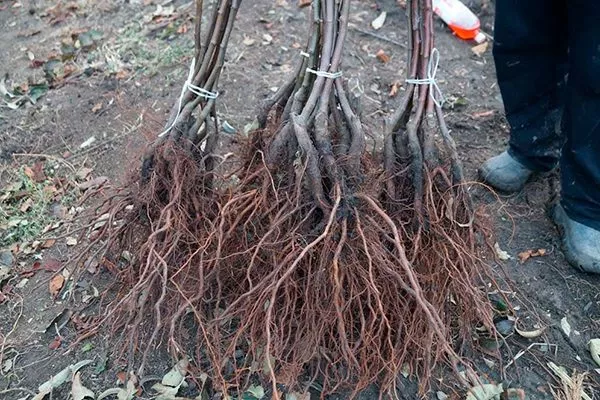
Buy seedlings in the fall, when a wider selection is available and the quality is usually higher. To preserve them until spring, soak the root system of the seedlings in a clay mixture the consistency of thin sour cream. Then plant the plants in damp sand or sawdust and place them in a cellar or basement at a temperature of 3°C to 5°C.
Planting diagram
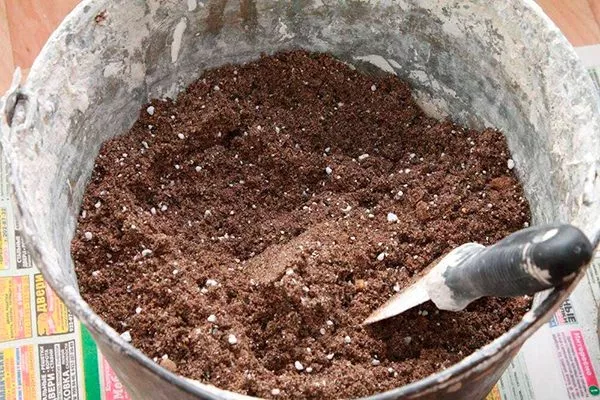
Before planting, prepare a 50x50x70 cm hole and mix a nutritious soil mixture. The composition depends on the quality of the original soil in the garden. Follow these recommendations:
- For more fertile soils, use a mixture of 15 kg of sand, peat, and black soil. To improve poor soils, a mixture of 30 kg of original soil, 15 kg of compost, and 400 g of a complex mineral fertilizer such as nitroammophoska is preferable. Mix the ingredients thoroughly.
- When planting, fill the hole halfway with soil mixture, form a mound in the center, on which place the seedling.
- Carefully spread the tree's roots down the mound and carefully cover them with soil. It's important to gently shake the seedling to compact the soil around the roots. The root collar of the plant should remain 5-7 cm above ground level.
- After planting, compact the soil around the trunk with your hands or lightly trample it down.
- Make a shallow trench 20-30 cm around the tree's trunk to water the tree. Apply 20-35 liters of water per seedling, avoiding the root collar.
- After the water has been absorbed, fill the tree trunk circle with ordinary soil and cover with mulch, for example, peat, shrub branches or compost.
To support weak seedlings or prevent damage from animals, you can install a stake next to them. Secure the trunk with soft tape in a figure-eight pattern.
The apricot planting pattern suggests a spacing of 6 m between rows and 4 m between seedlings within a row. With regular pruning to create a compact crown, the pattern can be adjusted to 5 x 3 m.
Further care of the Northern Champion apricot
Trees grown from seeds are easy to grow and require minimal care. However, various agricultural practices are necessary, such as watering, fertilizing, pruning, and crown shaping, as well as preparing the trees for the coming winter.
Watering
One of the key steps in caring for apricot trees is proper watering. Despite their high drought tolerance, apricots require increased watering during certain periods of their development:
- Spring vegetation stage, when shoots are actively developing, the root system is formed, and flower buds are formed.
- Summer period, in late May-June, when the fruit sets and ripens. Stop watering 2-4 weeks before harvest.
- Autumn watering, which promotes better ripening of shoots and strengthening of plants before winter.
The amount of water needed for irrigation depends on the age of the trees and the time of year. In spring and summer, at least 30-40 liters of water are required per mature tree, while in autumn, this amount increases to 50-60 liters. Young seedlings require 15-45 liters of water per tree.
During the growing season, water at least 3-4 times, and in hot and dry weather, 5-8 times. Water the tree early in the morning or in the evening, 2-3 hours before sunset, to avoid overwatering the apricot root collar.
Direct water into a furrow around the tree trunk (a trench 15–20 cm deep), ensuring the soil is saturated to a depth of at least 50–70 cm. After watering, mulch the surface of the tree trunk with humus, peat, or dry grass.
Feeding scheme
If all necessary fertilizers were added to the seedlings when planting, this stone fruit crop will not require additional feeding for the next 2-3 seasons. Once the trees begin to bear fruit, fertilize three times per season:
- Spring period. Use fertilizers containing nitrogen, such as bird droppings or slurry.
- Summer period. Apply fertilizer containing superphosphate and potassium salt.
- Autumn period. Add fertilizer containing humus or compost to the root circle.
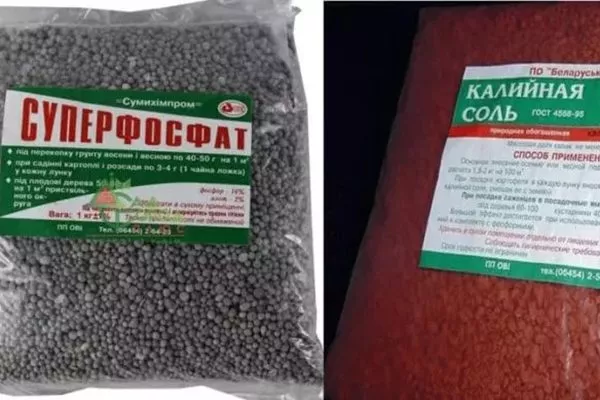
This approach provides the crop with the necessary nutrients at different stages of growth and development, promoting healthy growth and improved fruit quality.
Pruning and crown shaping
In the first few years after planting, apricot trees undergo formative pruning to create the correct crown shape. Subsequently, perform maintenance and sanitary pruning annually:
- Carry out this procedure in early spring, before the sap begins to flow. During the first pruning, leave no more than 5-6 strong, vigorous main shoots on the tree, shaping the trunk to a height of 60 cm, with a minimum distance of 20 cm between the main shoots.
- During sanitary pruning, remove diseased, weak, and damaged branches, as well as those growing inward. Partially or completely cut out frozen sections of shoots.
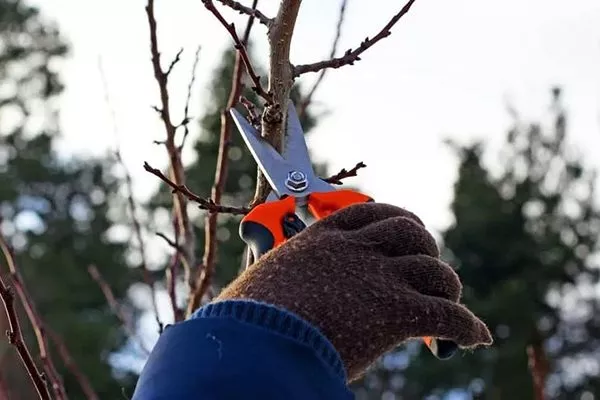
Young and one-year-old shoots should not be removed, as fruit buds will form on them. Treat the cuts with a disinfectant solution, then cover with garden pitch.
Winter hardiness and need for shelter
The Champion Severa variety successfully withstands temperatures down to -35°C, making it resistant to freezing in most Russian regions. For additional protection from adverse winter conditions, gardeners typically whitewash the central trunk and the bases of the skeletal shoots before the onset of frost.
Control of apricot diseases and pests
A disadvantage of the Champion Severa variety is its limited resistance to fungal diseases, which can pose problems for the trees. The main threats to apricots include:
- Monilial burn and monilial rot. With monilial burn, flower stalks and shoots become dark, withering, and falling off. Monilial rot appears on fruits as light gray and brown spots, followed by wilting and fruit drop.
For treatment, treat the trees with fungicides (Botran, Nitrafen, Polihom). - Clasterosporium (shot hole spot). When affected by this disease, light-brown spots with a burgundy border form on the leaves. Over time, the dried spots develop holes, causing the leaves to dry out and fall off.
Effective measures include collecting and destroying affected parts, treating wounds with a solution of copper sulfate and covering with garden pitch.
Damage to leaves and fruit can be caused by pests such as aphids, leaf rollers, and codling moths. Ensure regular maintenance, including preventative fungicide treatments and prompt removal of fallen leaves. This will help increase tree resistance to diseases and pests.
Harvesting and storage
The fruits of this apricot variety begin to ripen in late July, but the main harvest occurs in August. Even if the fruits are already ripe, they remain on the branches, do not fall off, and retain their flavor. After harvesting, the fruits can be stored in the refrigerator for 12-14 days.
Review of reviews
The Champion of the North apricot has earned recognition and popularity among gardeners due to its outstanding characteristics and exquisite taste. With proper planting and proper care, you can grow this easy-to-grow apricot in your garden, delighting you with bountiful harvests.