
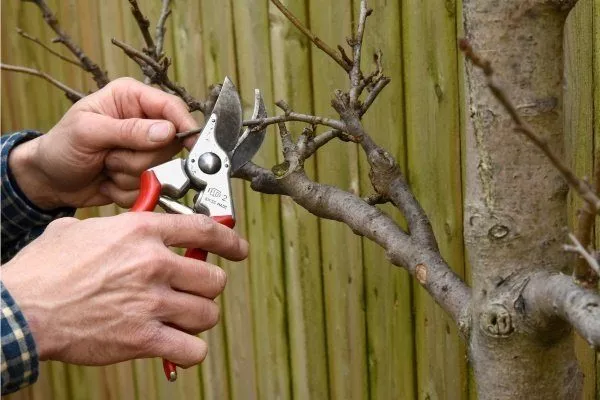
Tree fruiting directly depends on proper pruning. This also ensures a properly growing tree. This procedure determines how the crown will develop and the plant will grow, as well as how much fruit it will produce.
Why do this?
Fruit trees such as apples, pears, and stone fruits especially require pruning, but they are very demanding. Pruning can significantly reduce the overall size of the crown, accelerate growth, and increase fruit production. This preventative measure creates an unfavorable environment for pests and diseases.
The procedure of pruning trees prolongs their life and helps to obtain a rich harvest.
If too little light reaches the crown, the branches within the crown will not bear fruit and will eventually die off. Fruit will only form on those branches that receive light.
Comparing trees by pruning needs
| Culture | Trimming frequency | Intensity | Risk of gum leakage |
|---|---|---|---|
| Apple | Annually | Moderate | Short |
| Pear | Once every 2 years | Weak | Short |
| Cherry | Once every 3 years | Minimum | High |
| Plum | Annually | Moderate | Critical |
| Apricot | Annually | Strong | Critical |
If trees are pruned rarely or not at all, fruit will grow only on hard-to-reach branches that are very high up.
This procedure is necessary for proper crown formation, which allows lateral branches to grow and thus produce a large harvest on the available branches.
Age and variety of trees suitable for the procedure
In the spring, pome fruit trees, such as pears and apples, are pruned. This is only permissible because these trees are more frost-resistant.
Pruning cherry plum, cherry, sweet cherry, apricot, and plum trees is permitted only when the trees are leafing out. Pruning while the tree is dormant can expose the plant to disease and fungal attacks.
During the summer, you can remove dead branches, trim new shoots, and remove branches that interfere with the crown. Avoid pruning shrubs that produce flowers on last year's growth, such as lilacs and climbing roses.
The procedure should begin when tree shoots reach one year of age—this is necessary for crown formation. If a tree is more than 10-15 years old, it is considered old. Such a plant will no longer delight the gardener with growth and fruitfulness. Rejuvenation pruning is required. This involves cutting branches back to 3-7-year-old wood, thereby reducing the crown. However, by the following year, many new shoots will emerge. It is important to carefully ensure that the number of cuts on any one side is no more than three.
Seasons: Do They Matter?
Pruning fruit trees at a particular time of year depends on several factors:
- from the type of trees;
- for what purpose is the procedure performed;
- In what climate conditions does the tree grow?
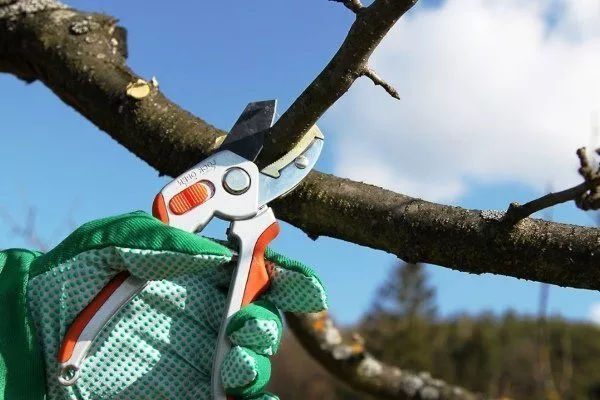
In central and northern regions of Russia, autumn pruning is not recommended, as severe frosts can prevent tree wounds from healing. This can slow sap flow as the tree enters dormancy. Pruning can be detrimental to the tree's health, potentially leading to disease and death.
In these regions, pruning is recommended in early spring, but not in autumn. The process can only be carried out when the air temperature reaches 0 degrees Celsius. It's important to prune older trees, as their buds swell much faster than those of younger trees, and pruning should be done before this period.
In southern regions, pruning is done in winter, as frosts there are not as severe as in the north. This process is necessary in winter to rejuvenate older plants and form a proper crown in young seedlings. However, this will reduce the fruiting of young plants, as they need to rest. It is undesirable to allow a tree to bear fruit for several years in a row.
A large harvest can cause branches to break on young plants. It is recommended to prune excess branches in winter. Gardeners should prune pome fruits first, then stone fruits.
Pruning calendar by region
- Northern regions: March 20 – April 15 (spring only)
- Central regions: March 10–April 30 (spring) / October 1–20 (fall)
- Southern regions: February 1 – March 10 (winter) / October 15 – November 30 (autumn)
However, some gardeners believe that the best time to prune trees is summer, but in this case, they're talking about trees three years old or older. They believe that in hot weather, pruning can stimulate vigorous new growth. Pruning during fruit ripening significantly improves fruit quality. The advantage of pruning in summer is that the tree releases sap, which coats the wound, promoting faster healing and providing reliable protection from pests.
Many gardeners, on the contrary, are convinced that pruning trees is necessary during the dormant period of fruit trees, so they prefer to carry out the procedure in early spring.
Subtleties of the process
Tree pruning must be done with great care and with strict adherence to basic rules to avoid harming the plants. First, it's important to determine the appropriate pruning season. This depends on the type and age of the fruit trees, as well as the garden's location and climate.
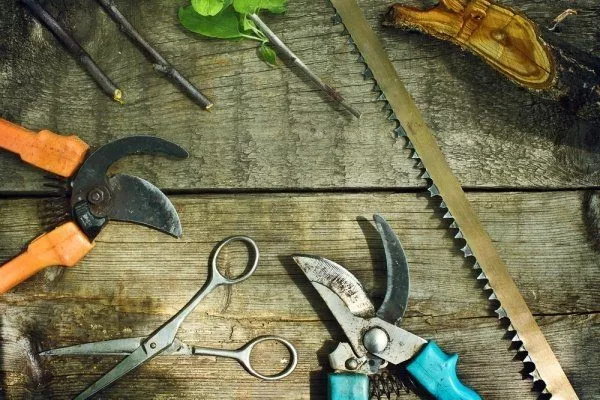
The tools needed for pruning play a major role in the outcome. To avoid damaging the plant, only use sharp stainless steel tools when cutting branches. The following items are included in the kit:
- garden saw;
- glasses;
- pruning shears;
- stairs;
- air pruner;
- garden varnish or paint on drying oil.
Do not use rusty tools, as this can cause the tree to become diseased and die. Before the procedure, determine the objectives:
- preparing for winter;
- formation of the correct tree crown;
- increase in the number of fruiting branches;
- strengthening thin young shoots;
- removal of diseased branches;
- removal of crossing branches;
- thinning the crown to allow sunlight to enter.
Reducing the majority of fruiting buds will help your fruit tree grow as quickly as possible. Once you've determined your goal, learning the technique is equally important. Here's how:
- Cut to a lateral branch. This technique facilitates the reversal of growth direction from one shoot to another. Non-fruiting branches must be pruned, thereby shifting the dominant function to the lateral branches.
- Cut to the bud. This technique helps promote the correct direction of branch growth. Find a branch with good growth. Turn the pruning shears' cutting blade toward the portion of the branch you want to keep. Make the cut at a slight angle, 5 mm in front of a bud. The new branch will grow in the direction of the bud.
- Cut to ring. This technique is used to remove a full-fledged branch growing inward from the crown. This is necessary for thinning and creating space for the remaining branches. Pruning is performed at the junction of the branches, precisely along the outer ring.
We recommend watching this video in which a gardener shares the intricacies of spring tree pruning:
Proper care
It's important to take a responsible approach to post-pruning care. If the cut diameter is less than 1 centimeter, be sure to treat the wound with garden pitch, the same type used for treating tree wounds. If, for whatever reason, garden pitch doesn't adhere to the wound, a drying oil-based paint should be used.
Compositions for processing cuts
| Type of composition | Curing time | Protection period | Application |
|---|---|---|---|
| Garden var | 24 hours | 2 years | Sections >3 cm |
| Paint on drying oil | 4 hours | 1 year | Emergency treatment |
| Wax mixture | 2 hours | 3 years | Standards |
| Clay mash | 72 hours | 6 months | Stone fruits |
It's important to remember that pruning is a crucial part of fruit tree care. It not only helps you achieve an attractive tree but also a good harvest. If you're new to this procedure, it's important to follow all the proper guidelines, as carelessness can kill the plant.