
Hazelnuts are a unique perennial plant with many varieties and cultivars. They are characterized by low maintenance, rapid growth, and good yields. When properly cared for, they produce nuts with sweet kernels. Hazelnuts are extremely popular for many reasons.
Distribution and habitat
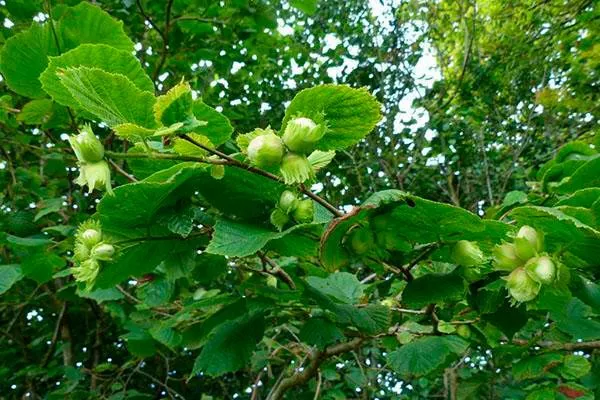
Hazelnuts grow throughout Europe, the Caucasus, and the Middle East. They are also common in Norway, above the Arctic Circle. Hazelnuts are also popular in Russia, particularly in the forest and steppe zones of the European part of the country, as well as in the forest-steppe zone.
Hazelnuts grow in broadleaf, mixed, and coniferous forests as undergrowth, often found at forest edges. The plant thrives in clearings and burnt-out areas, in mountains, and in oak groves.
Hazel has an exceptional ability to reproduce by root suckers, due to which it spreads very quickly in forest clearings and in forestry, which is why it is considered a weed.
Botanical description
Hazel is a perennial plant belonging to the Betulaceae family and the genus Hazel. The average lifespan of a hazel tree is 80 years. The plant gets its name from the shape of its leaves, which resemble the body of a bream fish.
Bush
The hazelnut tree grows as a shrub up to 10 m tall and as a tree up to 20 m. The crown is dense, spherical or ovoid, and features a pyramidal apex. The trunk is long, straight, and flexible. The bark is smooth, gray-brown, and characterized by a robust root system.
The plant is covered with broadly oval leaves with serrated edges and distinct, prominent veins. The leaf blades are tightly attached to strong, hairy petioles.
The plant blooms in the spring. Both male and female flowers are stamens in catkins. Up to five 1-cm-long catkins can bloom from a single bud on the hazel. Female flowers have buds with poorly developed perianths and pistils.
Fruit
The spherical, yellow-brown fruits are enclosed in a helmet-shaped, silvery-brown shell. This indicates full ripening, which typically occurs in August.
Chemical composition
Some people believe that walnut kernels are high in calories. This is true, as 100 grams of the product contains over 650 kcal. This is not recommended for those trying to lose weight, as the calorie content is almost double that of a loaf of bread.
However, hazelnuts' caloric content is due to their large amount of oils. Vegetable fats are essential for the normal functioning of the body, affecting the speed and quality of metabolism.
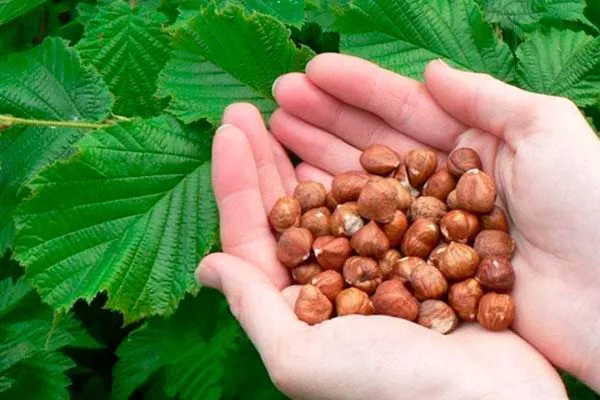
Nutrients per 100 g of product:
- proteins – 13 g;
- fats – 62.6 g;
- carbohydrates – 9.3 g;
- water – 5.4 g;
- ash – 3.6 g;
- dietary fiber – 6 g;
- vitamin A – 7 mcg;
- vitamin B1 – 0.46 mg;
- vitamin B2 – 0.15 mg;
- vitamin E – 21 mg;
- vitamin PP – 4.7 mg;
- potassium – 445 mg;
- calcium – 188 mg;
- iron – 36 mg;
- phosphorus – 310 mg;
- magnesium – 160 mg;
- sodium – 3 mg.
Since nuts contain a large amount of vitamins and minerals, they have a beneficial effect on human health and help reduce the risk of developing various diseases.
Hazelnut properties: harm and benefits
Hazelnuts are a rich source of nutrients. They contain many vitamins, amino acids, fatty oils, and more. Their biological properties are comparable to those of proteins, so it's recommended to eat them on their own, not with other foods.
Hazelnuts have many beneficial properties:
- recommended for people with allergies, anemia, obesity, urolithiasis, anemia, epilepsy;
- permitted for burns, measles, rheumatism;
- helps cleanse the liver;
- enhances hair growth;
- has a positive effect on attention and memory;
- improves health after an illness;
- strengthens the immune system and accelerates metabolism;
- normalizes the functioning of the cardiovascular system.
In addition, infusions made from hazel leaves are recommended for treating trophic ulcers, thrombophlebitis, varicose veins, and prostatic hypertrophy. Infusions made from hazel bark are also recommended for treating diabetic retinopathy.
Economic significance and application
The kernels are eaten fresh and also used for various processing purposes. The nuts are successfully used in the confectionery industry, as well as in perfumes, paints, and varnishes, and soap making. Even the cake left over from oil extraction from the nuts is used in the production of halva.
Many famous artists used charcoal made from burning hazelnuts to create their paintings. It served as a substitute for regular pencils.
Types of hazel
There are many varieties of hazelnuts. Each variety includes different cultivars of hazel. Many were bred from the common hazel.
| Name | Plant height | Crown shape | Leaf color |
|---|---|---|---|
| Common hazel | up to 6 m | Lush, spherical or ovoid | Green |
| Large hazelnut | up to 10 m | Lush, dotted with leaves of a rounded configuration | Green |
| Hazelnut | up to 3 m | Dense, composed of dark green leaves | Dark green, with red hues in spring, golden orange in autumn |
| Manchurian hazel | up to 5 m | Numerous branched shoots | Green |
| Hazelnut | up to 30 m | Cone-shaped | Green |
Common hazel (Corylus avellana)
This multi-stemmed shrub has a lush crown and reaches a height of up to 6 m. A distinctive feature of this variety is that it blooms before the first leaves emerge. Fruit grows singly or in clusters of two or more. The spherical fruits reach up to 1.8 cm in length and up to 1.5 cm in diameter.
Large hazel (Corylus maxima)
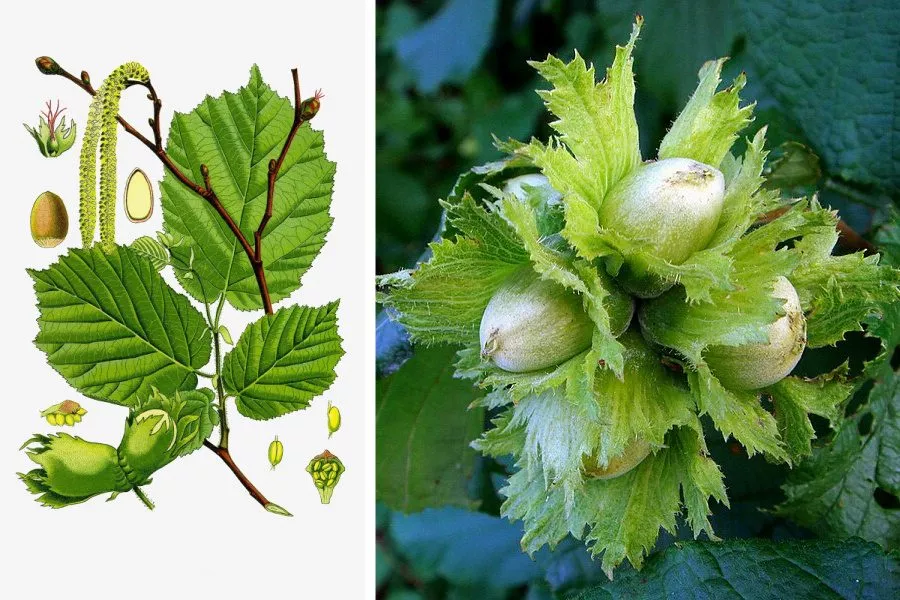
The hazelnut, also known as the filbert, is a crop named after the Lombardy region of Italy. The shrub grows up to 10 meters in height. The plant has a lush crown covered with rounded leaves with serrated edges.
The fruits grow on a long stalk in clusters of 3-6. Each nut is 2.5 cm long and 1.5 cm in diameter. Large hazelnuts are popular in Turkish and Italian forests.
Hazelnut (Corylus heterophylla)
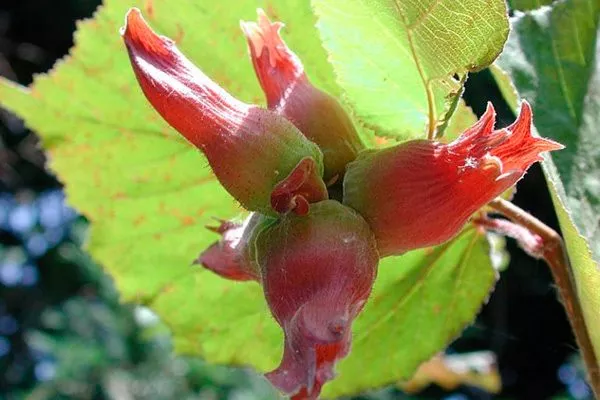
The shrub reaches a height of up to 3 meters. The variegated hazel has a dense crown of dark green leaves. In spring, when they emerge, their hue is dominated by red notes, and in autumn, the foliage turns golden-orange and golden-yellow.
The fruits are rounded, slightly flattened at the top, and have excellent flavor. Among the variety's advantages are its resistance to drought and frost.
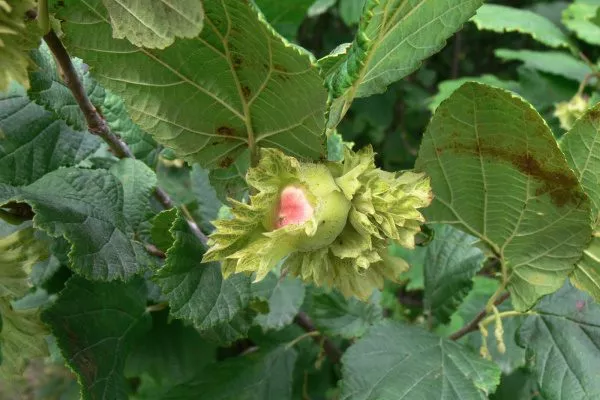
Manchurian hazel (Corylus mandshurica)
A shrub reaching up to 5 meters in height, it has numerous branched shoots. This variety is grown for its medicinal nuts. Manchurian hazel is also an ornamental plant that can brighten up a garden.
The nuts are elongated, thin-shelled, and wrapped in a spiky husk. The variety is resistant to temperature fluctuations and produces good yields when grown in the shade.
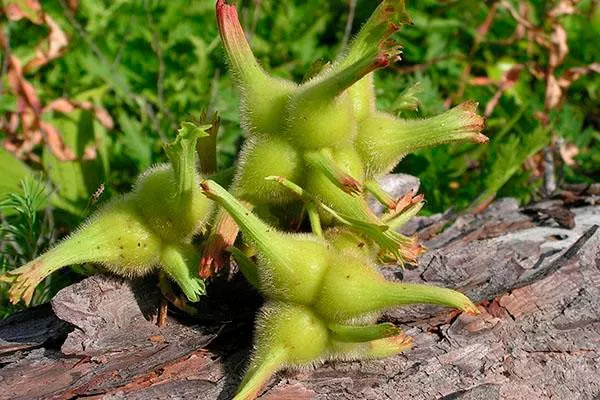
Hazelnut (Corylus colurna)
Other names include Turkish hazel, bear's hazel, or bear's nut. The tree can grow up to 30 meters tall and live for about 200 years. The hazel tree is characterized by a slender trunk, colored white-gray, and a conical crown.
The plant is easy to care for, resistant to environmental pollution, and has high frost and drought tolerance. It produces best in fertile soil.
Popular varieties
There are many varieties of hazelnuts that are popular among both novice and experienced gardeners. These include:
| Name | Bush height | Fruit shape | Fruit weight |
|---|---|---|---|
| Caucasus | up to 3 m | Large, slightly flattened | up to 2.5 g |
| Masterpiece | up to 4 m | Large, with a dense shell | up to 3 g |
| Moscow Ruby | up to 4.5 m | Collected in fruit clusters | about 3.5 g |
| Catherine | up to 5 m | Large, collected in 8 pieces | up to 5 g |
| North 42 | up to 6 m | Oblong | up to 3.8 g |
| Isaevsky | 1.5-2 m | Large, brown in color | not specified |
| Barcelona | up to 5 m | Egg-shaped or cone-shaped | not specified |
| Adyghe 1 | up to 5 m | Round, collected in clusters | up to 2 g |
| Firstborn | up to 3.5 m | Grows in clusters of 3-5 pieces | 2.5 g |
| Purpurea (Purpurea, purple) | up to 10 m | Large, collected in groups of 6 pieces | not specified |
| Red Majestic | up to 4 m | not specified | not specified |
Caucasus
This variety is ideal for cultivation in the Caucasus and is an excellent pollinator for other hazelnuts. It is a mid-season variety with green foliage. The bush reaches a height of up to 3 meters. The crown is narrowly pyramidal, and the trunks are straight and angled relative to each other.
The fruits grow large, slightly flattened, and ribbed. Each nut weighs up to 2.5 g.
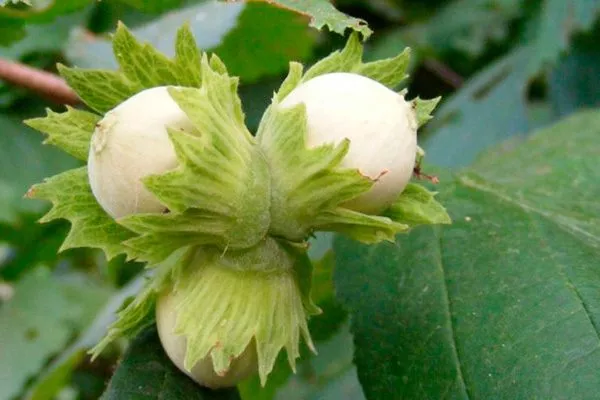
Masterpiece
A variety developed by Ukrainian breeders. This early-maturing hazelnut grows as a bush, reaching up to 4 meters in height. It propagates quickly through layering and root suckers.
It begins bearing fruit in its third year of development. A single bush can yield up to 9 kg of fruit.
The fruits are large, with a dense, brown shell. The nuts have a pointed tip. They have excellent flavor. Each nut weighs up to 3 g on average.
Moscow Ruby
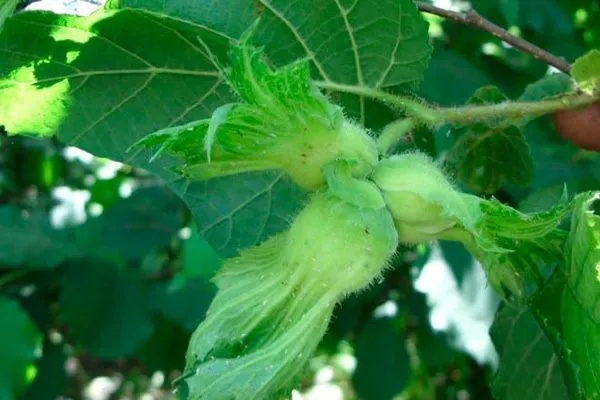
Red-leaved hazelnuts were used in the variety's development. It is a late-ripening, high-yielding variety. The bush grows vigorously, reaching up to 4.5 m in height. It is a good pollinator due to its numerous male inflorescences.
The tree begins to bear fruit in its fifth year of development. A single bush can yield up to 4 kg of hazelnuts. The nuts are collected in clusters of 7-15 nuts. The kernels are sweetish. Each fruit weighs approximately 3.5 g.
Catherine
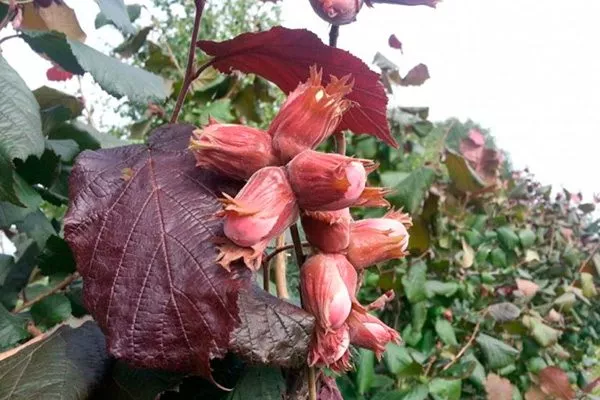
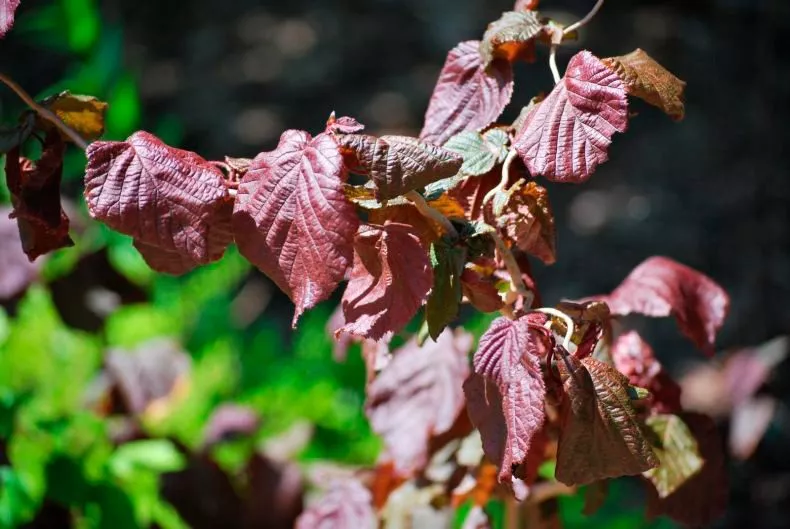
An ornamental and fruit-bearing variety with reddish leaves and cupula. The nuts can be raspberry or pink. Both regular and red-leaved hazelnuts were used in the breeding process. The bush is vigorous and is often planted as a decorative feature.
The nuts are large, clustered in groups of 8. The fruit has a thin shell. It is renowned for its dessert flavor. Each nut weighs up to 5 g.
North 42
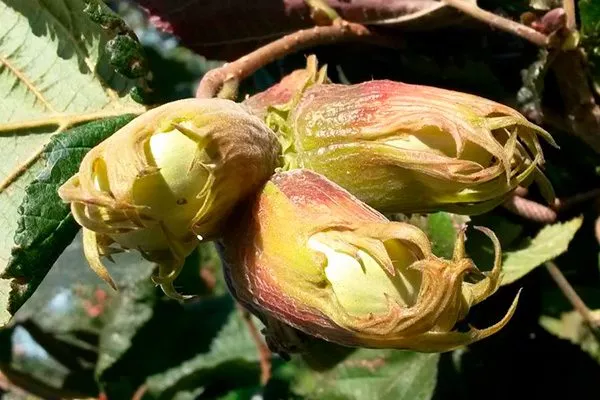
A tall bush, reaching up to 6 m in height. Covered with green foliage, it is intended for cultivation In central Russia. The fruits are large, oblong, with a strong shell and a delicious kernel. The nut weighs up to 3.8 g.
Isaevsky
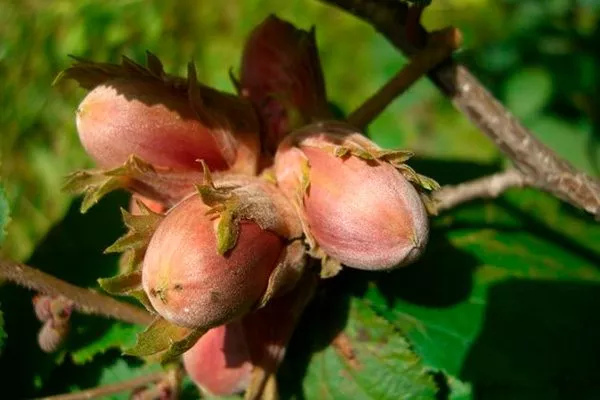
A valuable variety, a cross between Tambov hazel and red-leaved hazel. The bush reaches 1.5-2 meters in height. The fruits are large, brown, and have a distinct dessert flavor.
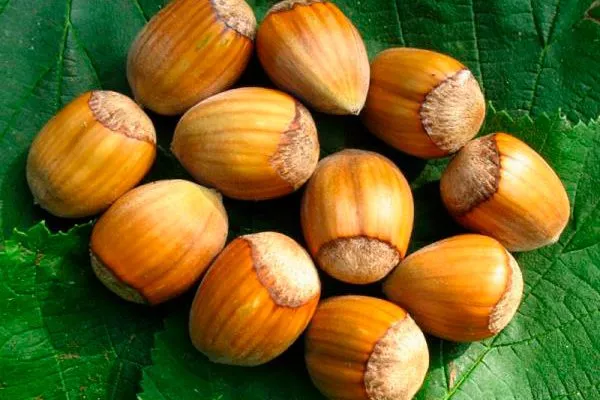
Barcelona
A tall bush up to 5 m tall, it has a dense, branched crown with large, rounded leaves. The fruits are ovoid or cone-shaped, elongated. The shell is strong, thick, and reddish-brown. The kernel is sweetish.
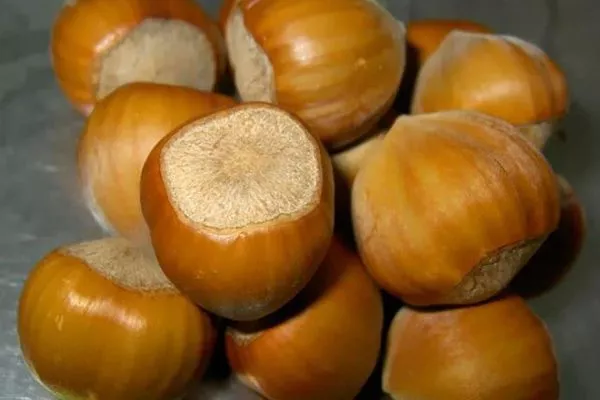
Adyghe 1
A versatile variety grown in the southern regions, the Caucasus, and the Black Sea coast. This multi-stemmed shrub reaches up to 5 m in height and is characterized by a dense, spreading crown.
The nuts are round, gathered in clusters of 4-5. The shell is thin and coffee-colored. The kernel is sweet and tart. Each nut weighs up to 2 g.
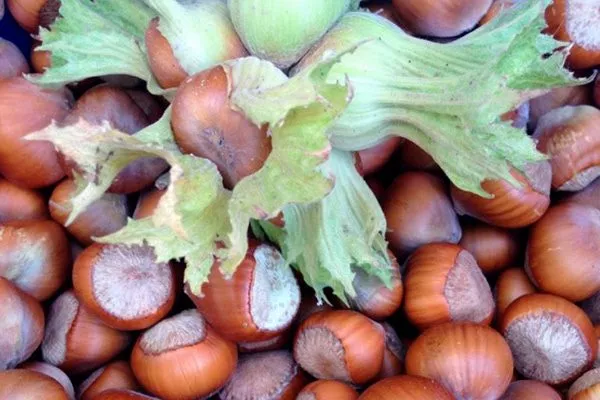
Firstborn
A spreading, low-growing bush, reaching up to 3.5 m. It has abundant basal shoots. The nut wrapper is several times longer than the fruit itself. It grows in clusters of 3-5 nutlets. The shell is light-colored. The average nut weighs 2.5 g.
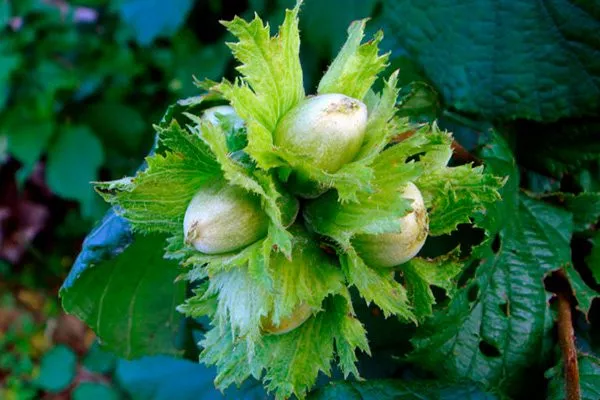
Purpurea (Purpurea, purple)
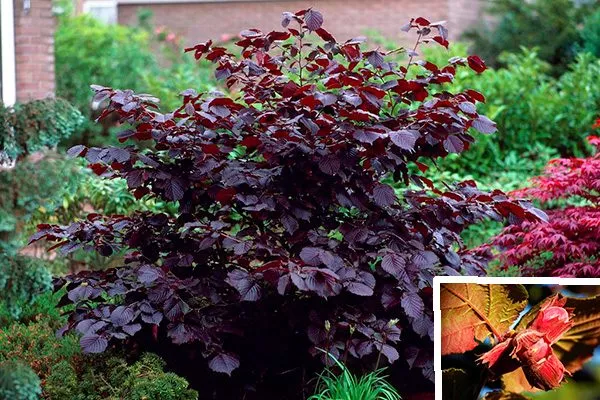
This is a large hazel variety. It is a tall shrub, reaching up to 10 meters in height. The crown is spreading and umbrella-shaped. The plant is covered with rounded, heart-shaped leaves, hued in purple or burgundy.
The nuts are large, gathered in groups of six. The kernel is sweet, without astringency.
Red Majestic
This is a variety of common hazel. The shrub grows up to 4 meters in height. The plant gets its name from its lush, burgundy-colored crown. After flowering, the fruits have a red wrapper, while the kernels are predominantly pink and have an excellent flavor.
Red hazel is a true gem in landscape design. It's used to create hedges and complement individual compositions. From a distance, the plant resembles a huge, red-painted tent.
Reproduction
You can propagate hazelnut trees yourself, avoiding the expense of buying seedlings. There are several propagation methods:
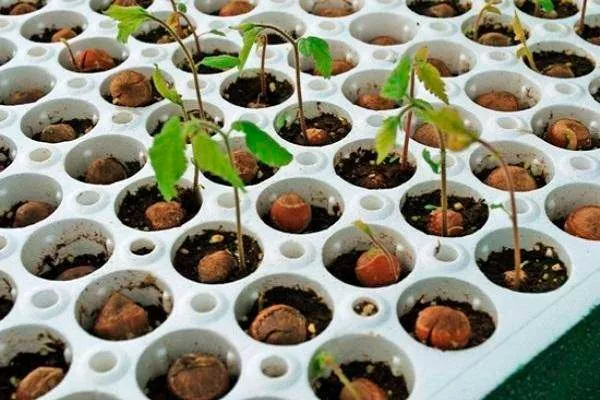
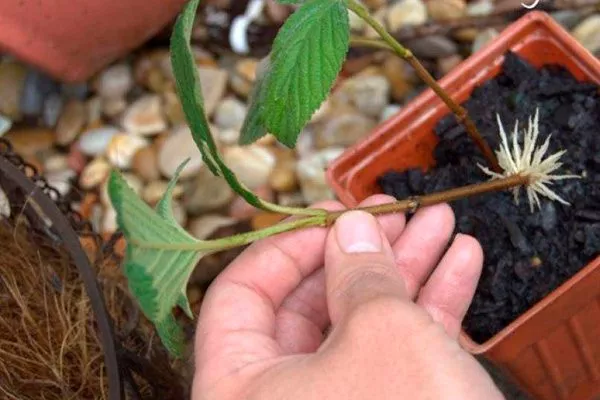
- Seeds. Typically, this is how hazelnuts reproduce in the wild: ripe fruits fall to the ground, overwinter, and germinate in the spring. In your garden, sow hazelnuts this way at the beginning of winter. However, few amateur gardeners choose this method because it's very time-consuming.

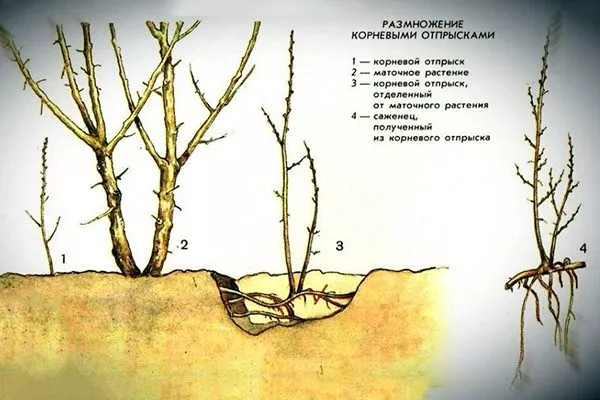
- By shoots. Separate the shoots from the hazel and plant them in a new area.
- Cuttings. A popular method: Cut a young cutting from a mature branch and plant it in a small greenhouse. Use loose soil to ensure rapid rooting.
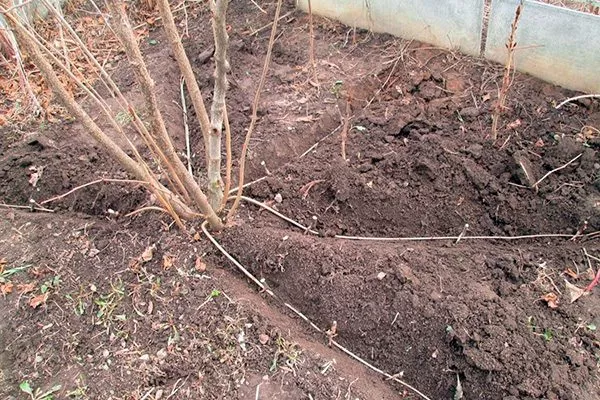
- By layering. Bend the branches to the ground and remove the bark where they touch the soil, then pin them to the ground. Water and cover the areas where the roots will appear with soil.
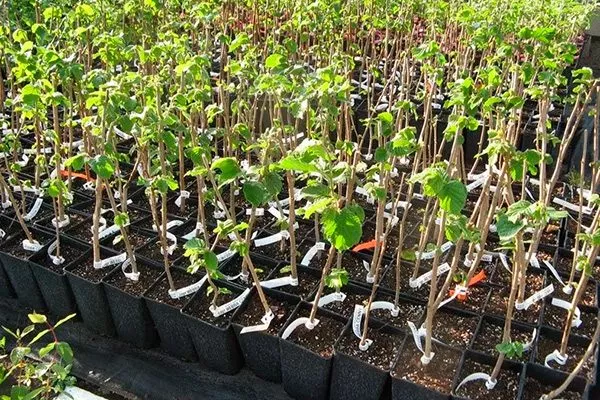
- Seedlings. If you don't want to wait long and aren't confident in your abilities, purchase a ready-made seedling. Just be sure to choose planting stock from specialist stores.
Caring for hazelnuts
During the first year of life, the plant requires special care. This includes watering, fertilizing, pruning, and protection from adverse conditions.
Care instructions:
- Watering. Water your hazelnut tree regularly. If it lacks moisture, flower buds will not form and fruiting will decrease. planting a seedling The first watering should be done no later than 7 days after the first watering. During the growing season, water 6 times. One perennial plant requires 60-80 liters of water.
- Top dressing. Apply fertilizer to the plant's trunk. In autumn, hazelnuts require potassium and phosphorus, so use the following mixture: 30 g of potassium salt, 4 kg of compost, and 50 g of superphosphate.
In spring, hazelnut trees need nitrogen, so add 30 grams of urea to the soil. Repeat this process in July to ensure uniform ripening of the fruit by fall. Fertilize young bushes with humus every two years—approximately 10 kg of organic matter per plant. - Trimming. Perform the first pruning in the spring to shape the plant. This should be done no later than 7 days after planting.
Carry out the second pruning the following spring: remove damaged, broken, and crooked shoots. Leave only strong shoots on the bushes. Subsequently, carry out thinning and sanitary pruning.
Rejuvenate 20-year-old plants: remove 2-3 old stems, leaving 2-3 young shoots to replace them. - Shelter. It's advisable to insulate young shrubs for the first three years of winter. Use spunbond or lutrasil for this purpose. Bend the shrubs to the ground, cover them with spruce branches, and then cover them with snow.
Take care of your hazelnut tree, provide it with regular watering and fertilizing, and a strong and productive plant will grow on your plot.
Diseases and pests
Hazelnuts are disease-resistant, but there are some that can damage the plant. Therefore, it's important to familiarize yourself with them before planting:
- Powdery mildew. A white coating appears on leaves and shoots, which thickens over time and turns brown. This leads to stunted growth, darkening, and death of plant parts. Fruit ovaries fail to form, and frost resistance decreases.
- Rust. A fungal disease that affects the upper surface of leaves, causing dark reddish-brown bumps to appear. It also affects the underside of the foliage, causing round or oval pustules to form. The spots gradually develop into stripes, and the leaves turn yellow and fall off.
- White rot. A dangerous disease that can manifest as mixed branch rot or peripheral rot. It can lead to the death of the hazel tree.
Hazelnuts can also be attacked by pests:
- Kidney mite. A small insect that overwinters in plant buds lays eggs in them in the spring. Swollen buds, which eventually die off, indicate the presence of the pest.
- Aphid. A small pest that sucks plant sap and transmits viral diseases. Aphid activity causes leaf curling and shoot and bud deformation. As a result, development slows, and fruit does not ripen.
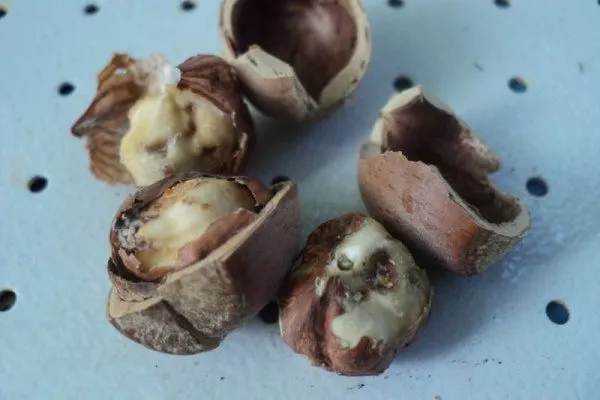
- Nut weevil. A centimeter-long brown beetle. The pest's caterpillar is a yellowish-milky color, and its head is reddish-brown. The female beetle lays eggs in unripe fruit, which can cause up to 50% crop losses.
How to control pests and diseases:
- If you find insects on the hazel, spread a film underneath them and shake them off onto it.
- If hazelnuts are heavily infested, use insecticides, and acaricides against sucking insects. Recommended products include Chlorophos, Actellic, and Karbofos.
- Fungicides such as Bordeaux mixture, copper sulfate, and other copper-containing preparations will help against fungal diseases.
Landing
Hazelnuts prefer sunny areas and loose, neutral soil. Plant before the sap begins to flow. Select strong plants with 50 cm long roots.
- ✓ Soil pH should be between 6.0-7.5 for optimal growth.
- ✓ The depth of groundwater should not exceed 1.5 m to prevent root rot.
Follow the instructions:
- A month before planting, prepare planting holes 80 cm deep.
- Lay a 10 cm thick drainage layer. Use crushed stone.
- Sprinkle a pre-prepared mixture of soil, humus and 200 g of wood ash on top.
- Pour 15-20 liters of water into the hole.
- Place the seedling in the hole and cover it with soil so that the root collar protrudes 20 cm above the soil level.
- Water the seedling and mulch the trunk circle with sawdust or manure.
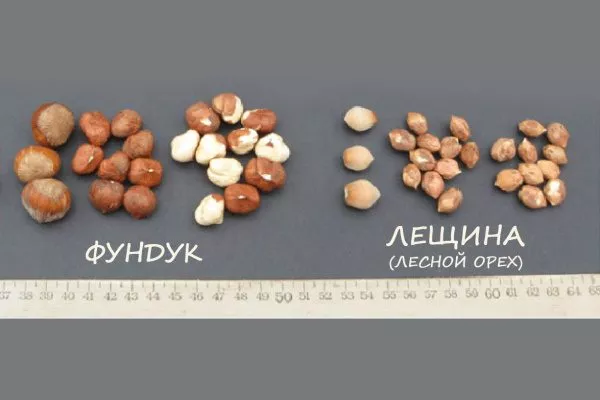
What is the difference between hazelnuts and filberts?
Most people consider hazelnuts and filberts to be the same plant. This is true, as both shrubs belong to the same family and genus, but they also have some differences. First of all, hazelnuts are a wild shrub, while filberts are a cultivated variety.
Other differences:
- nutritional value of the kernel;
- variety of varieties;
- sizes of nuts;
- growing conditions;
- crop yield.
Most people enjoy nuts, so they're often included in their diet. Moreover, nuts are not only delicious but also healthy, containing many vitamins and other nutrients. They're easy to care for and simple to plant.