
The Starry Night serviceberry is popular among Russian gardeners. This is due to its excellent varietal characteristics, rich flavor, and winter hardiness. It is disease-resistant, produces fruit well, and delivers abundant harvests. To ensure strong immunity and high-quality berries, it is important to provide the plant with proper care.
Who developed the variety and when?
The variety was developed in Russia with the participation of experienced breeders E. P. Kuminov and N. V. Khromov.
Description of the plant
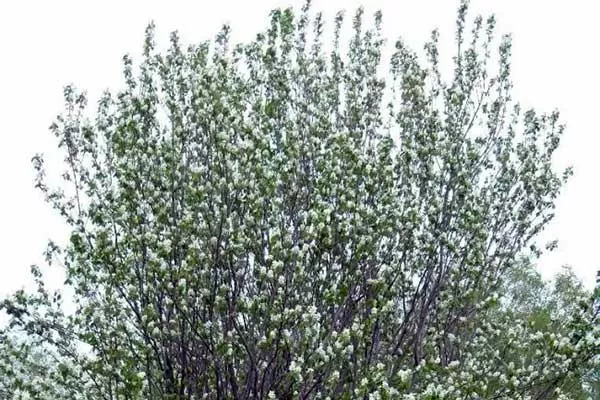
This medium-spreading shrub belongs to the alder-leaved variety. The plant can reach a height of 1.5 to 2 meters. Distinguishing characteristics of the variety:
- The trunk is painted in a brownish-red hue, which turns into curved branches of the same color.
- The surface of the branches is smooth and matte.
- The root system is branched and strong, penetrating into the soil to a depth of 30-60 cm.
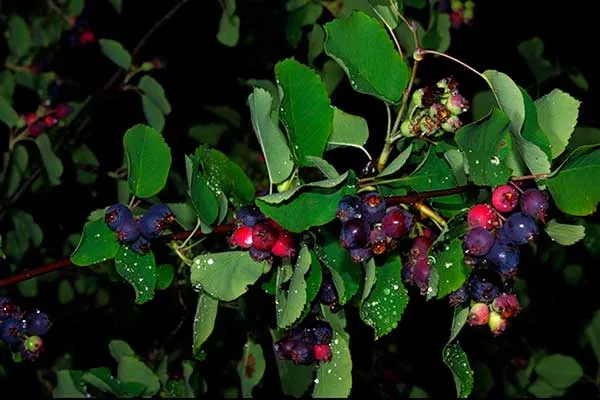
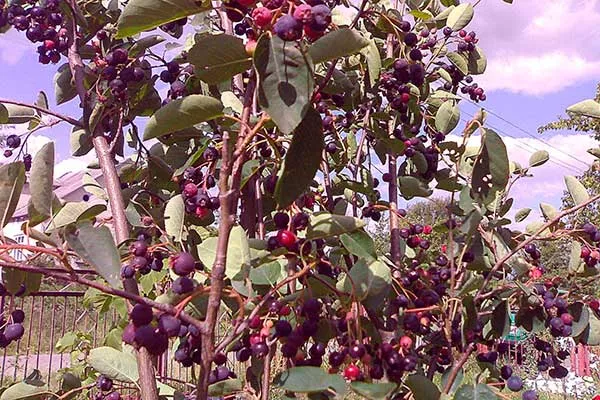
- The leaves are oval or elliptical in shape and smooth in surface. They range from 5 to 8 cm in length. In spring and summer, the foliage is green, turning beautiful yellow-orange in autumn.
Fruits, their taste and purpose
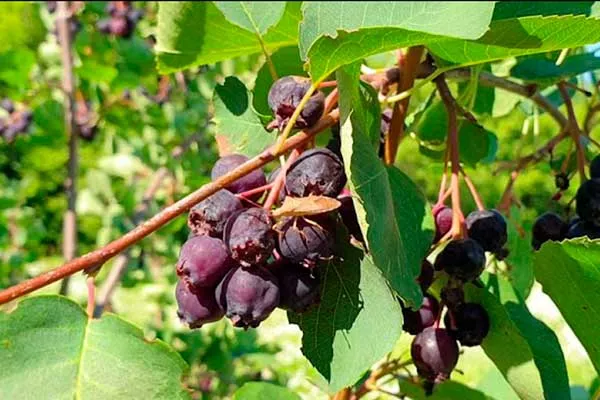
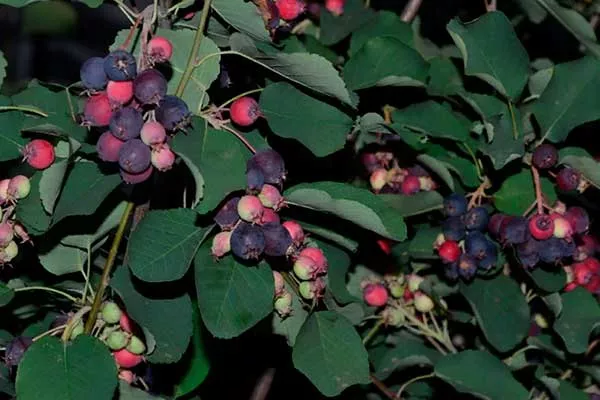
During the fruiting season, the bush produces large, oval berries of a violet-blue hue. They average about 17 mm in size and have an attractive appearance.

The berries are characterized by the following qualities:
- The average weight is from 1.2 to 2 g.
- The pulp is sweet and sour, quite juicy, soft and pleasant to the taste.
- They have good storage properties, can remain fresh for several days after harvesting and do not lose their beneficial properties.
- In terms of taste, they are distinguished by a pleasant sweetness and a balanced sweet-sour harmony, since by the time of full ripening they have accumulated a sufficient amount of sugar, amounting to approximately 12.1%.
Ripening and yield
The fruits ripen evenly and abundantly. This variety is characterized by a medium ripening period. It is highly productive, and under favorable conditions, up to 75 centners of excellent fruit can be obtained per hectare.
Regions for cultivation
It exhibits high tolerance to harsh climates, making it an ideal choice for growing in regions with cold winters. The plant successfully adapts to prolonged frosts and thrives in central and western Russia, and produces fruit in Siberia and the Urals.
Resistance to diseases and pests
The crop is susceptible to various diseases and pest attacks. The most common problems associated with this variety are:
- Powdery mildew. Characterized by the appearance of a white or gray coating on the leaves or stems. To combat the problem, remove the affected parts of the plant and treat with a fungicide.
- Anthracnose. It appears as dark spots on foliage and fruit. Remove the spots promptly and treat the plant with a fungicide.
- Persian moth. Pest larvae found on foliage cause the leaves to dry out. Remove affected foliage from the bushes and use insecticides.
- Bark beetles. These pests damage the shrub's bark. To control them, treat the plants with insecticides such as Calypso, Confidor, or Bifenthrin.
Early detection of the problem will allow you to take the necessary measures and save the bushes from harmful effects.
Landing features
The serviceberry prefers areas with partial shade or filtered light. This variety isn't picky about soil—the main thing is fertile soil with a slightly acidic or neutral pH.
- ✓ The depth of groundwater must be at least 1.5 m from the surface.
- ✓ The optimal soil pH for the Starry Night serviceberry is 6.0-7.5.

Follow these recommendations:
- Avoid areas with high water tables as the plant's roots grow deep.
- Plant the seedling in spring or autumn.
- Before planting, dig the soil and fertilize it with potassium-phosphorus fertilizer. The planting hole should be approximately 60 x 60 x 50 cm.
- When planting several bushes, leave a distance of about 1-2 m between them.
After planting, water the young bush thoroughly and mulch with peat or humus. Then, trim the above-ground portion of the bush by 15 cm, leaving 4-5 living buds on each branch.
Subtleties of care
Understanding proper shrub care is key to ensuring its health and high yield. Follow these agricultural practices:
- Watering. Water mature plants only during periods of prolonged drought, preferably after sunset, to prevent leaf burn.
- Weeding and loosening the soil. After watering, weed and loosen the soil around the plant. Loosening the soil helps retain moisture and provides oxygen to the roots.
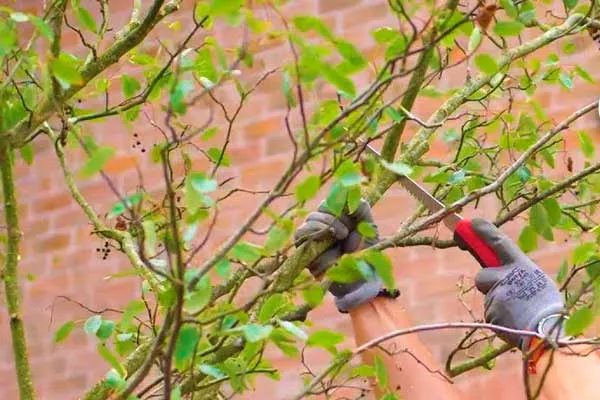
- Trimming. Regular pruning in the first weeks of spring helps form the correct bush structure and stimulates fruiting. Remove damaged and diseased branches and trim off any shoots that are crowding the crown.
- Top dressing. The crop requires regular fertilizing, which is recommended in early spring and midsummer. For this, use complex mineral fertilizers containing nitrogen, phosphorus, and potassium.
Regular care in accordance with these recommendations will help ensure the bush looks beautiful and produces a bountiful harvest.
Pros and cons
Starry Night has both advantages and disadvantages, as is typical for any variety of irgi. Its advantages include the following characteristics:
Review of reviews
The Starry Night serviceberry is an attractive choice for gardeners thanks to its numerous advantages. This variety boasts high yields, frost and disease resistance, and a beautiful decorative appearance during flowering. With proper care, it produces fruit well and rewards with generous harvests.