
The shadberry is an ornamental and fruit-bearing shrub prized for its beautiful blooms, delicious berries, and low-maintenance care. To ensure healthy and robust plants, it's important to choose the right propagation method. There are several effective methods, each with its own benefits and suited to different purposes.
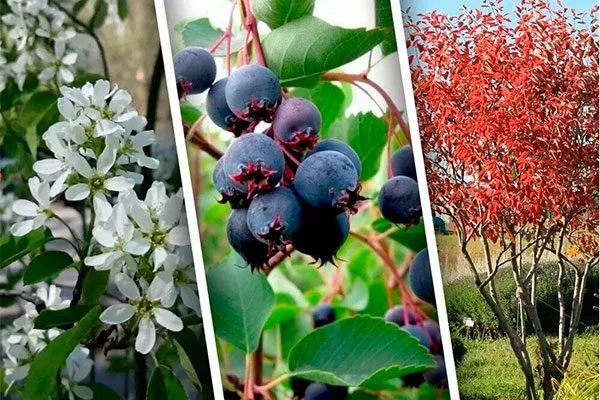
Features of crop propagation
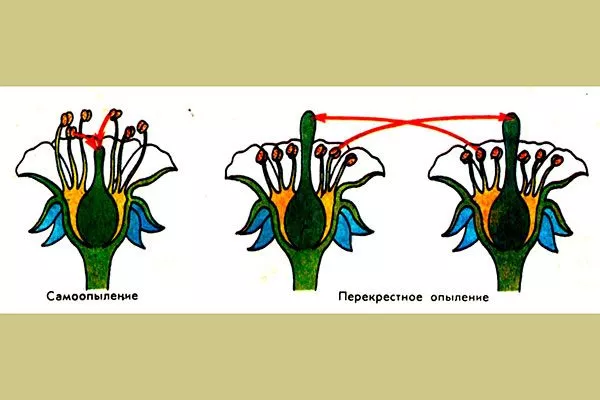
Serviceberry propagation has its own unique characteristics: the plant does not require cross-pollination. It is characterized by apomixis—the formation of seeds without fertilization. This phenomenon is especially important when cultivating the crop by species, as it allows for the production of offspring with identical varietal characteristics.
Generative propagation method – by seeds
Seed (or generative) propagation is one of the most important methods of obtaining new plants, especially when developing varieties or growing crops on an industrial scale.
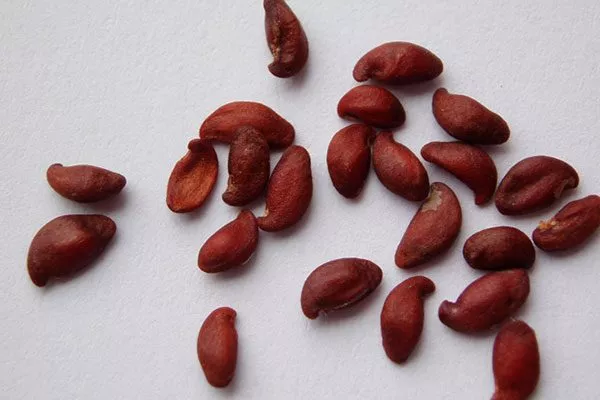
This method allows you to maintain the viability of the plant, and with proper preparation and care, to grow healthy specimens with good characteristics.
Preparation of planting material
To obtain high-quality seedlings, it's important to collect and prepare seeds correctly. Follow these recommendations:
- Collect planting material from fully ripened fruits. Unripe seeds have a difficult time germinating or may not germinate at all.

- Separate the seeds from the pulp by hand or mechanically (for large quantities). Then rinse them in clean water.
- Dry in the shade with good ventilation. Do not overdry: the seeds must remain viable.
- Select only full-weight and whole specimens without signs of damage, rot or mold.
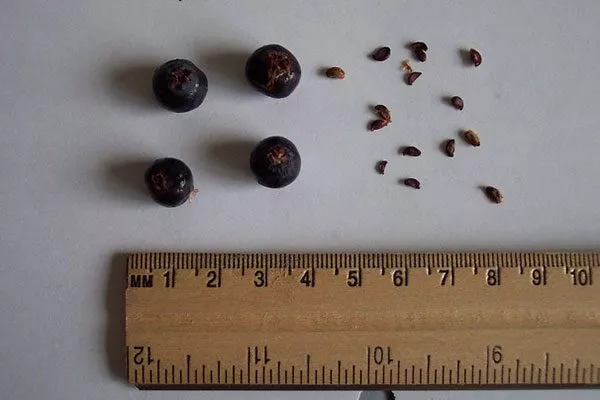
Stratification and other preparatory work
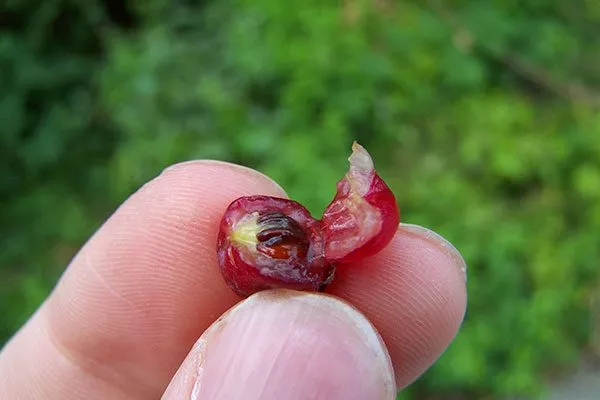
Many plants, especially trees and shrubs, require pre-sowing seed preparation. The most important step is stratification, which involves keeping the seeds in a humid environment at a low temperature (usually 0 to 5°C) for 1-4 months (depending on the plant species).
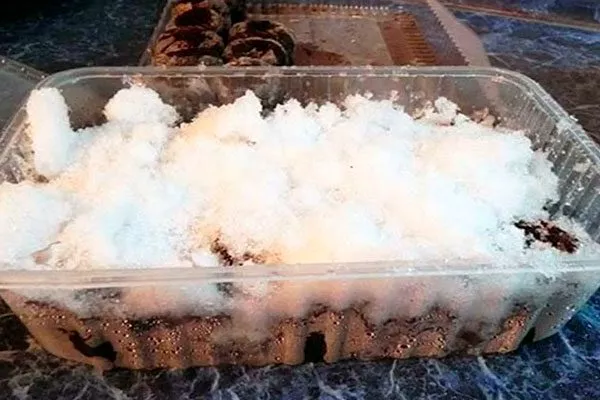
The main features of stratification:
- carry out in a mixture of peat and sand (1:1), moss or simply in damp gauze;
- Place the containers with seeds in the refrigerator or cellar;
- Check humidity regularly and remove moldy specimens.
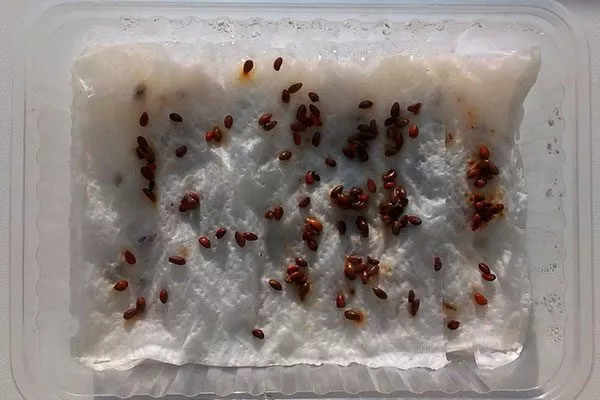
Other important steps:
- Scarification – Mechanical damage to the seed coat of hard-seeded crops (for example, soaking in hot water or filing the seed coat). Used to accelerate germination of difficult-to-germinate seeds.
- Soaking before sowing. Immerse the planting material in warm water for 12-24 hours. You can use growth stimulants (Epin, Zircon, humates).
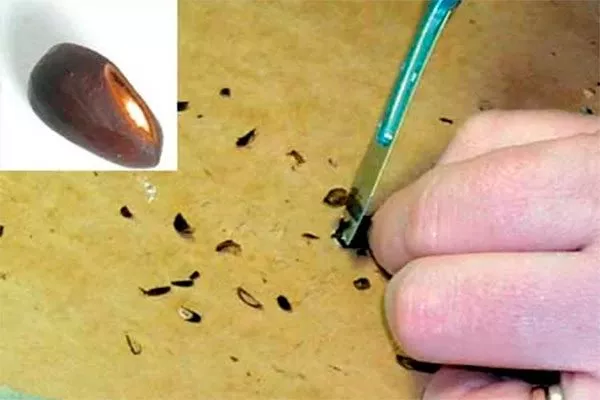
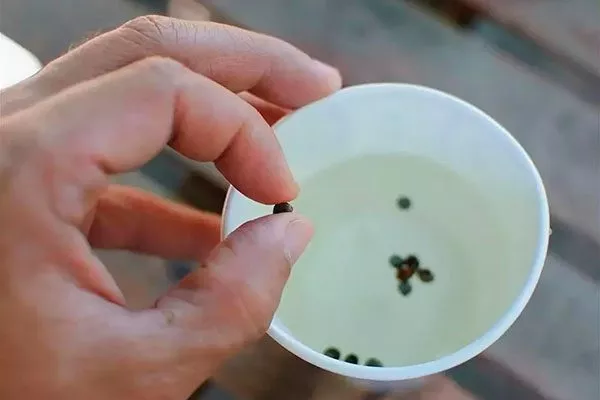
Sowing and caring for seedlings
These measures play a crucial role in the successful development of seedlings. Start sowing seeds:
- Use a pre-prepared, loose, light, and nutritious substrate. The planting depth depends on the seed size: typically 1-2 cm.
- Moisten the containers or beds and cover with plastic wrap or glass until the seedlings emerge. The optimal temperature for germination is 20 to 25°C.
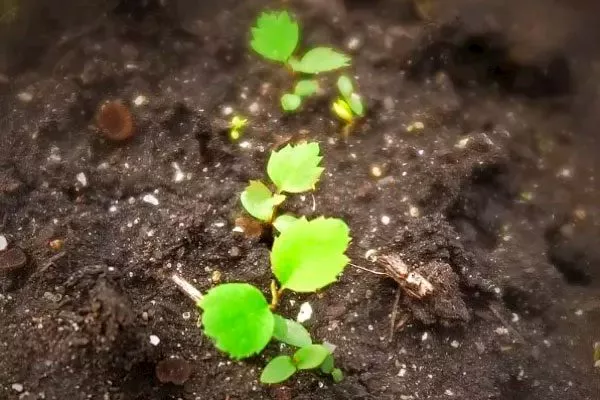
Provide the seedlings with proper care:
- Once the seedlings appear, remove the cover and place the containers in a bright place.
- Water carefully as the top layer of soil dries out. Avoid overwatering.
- Start fertilizing from the stage of two true leaves, using weak solutions of complex fertilizers.
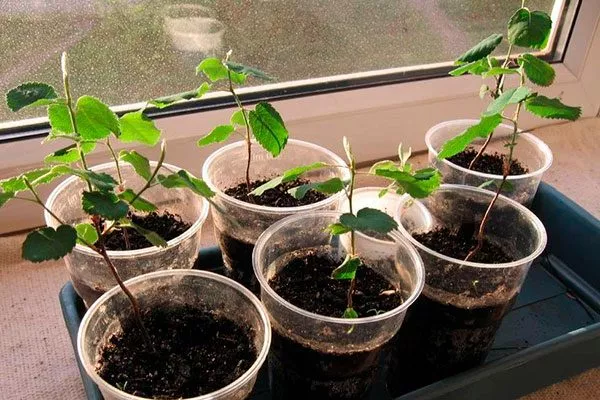
- Pricking out is done when the seedlings have 2-3 true leaves. This allows the plants to better develop their root system.
- Hardening should be carried out 1-2 weeks before planting in open ground: gradually reduce the temperature and increase the time spent outdoors.
Vegetative methods
There are several vegetative methods for propagating serviceberry, allowing you to obtain plants that fully retain the varietal characteristics of the mother plant. These methods are especially convenient for gardeners looking to quickly increase the number of seedlings without waiting for germination and the seedlings to adapt.
Cuttings
Propagate chokeberry with green cuttings using one-year-old shoots 12-15 cm long. This method produces strong seedlings that fully retain the varietal characteristics of the mother plant.
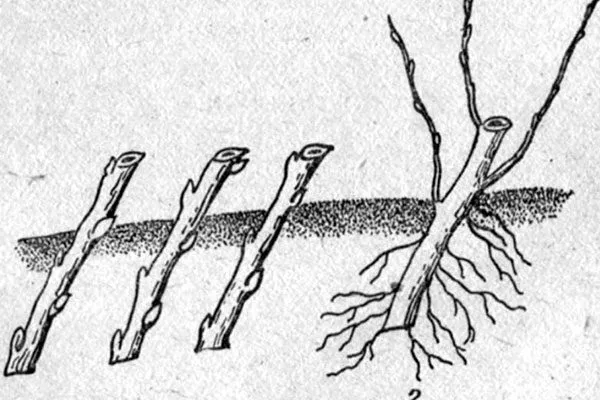
Basic requirements:
- Cut off the tops of shoots from well-developed bushes. Remove the lower leaves from the prepared cuttings, leaving only the top two pairs. Be sure to treat the lower cuts with a rooting stimulant, such as Kornevin or Fiton, and then immediately place the cuttings in a container of water.
- For rooting, prepare a greenhouse or deep pots with good drainage. Place a 30-40 cm layer of pebbles on the bottom, followed by a 25 cm layer of light, humus-rich soil, and top with 4-5 cm of sand.
- Plant the cuttings at an angle, water them carefully with a shallow watering can, and cover them with plastic film. Leave 15-20 cm between the film and the cuttings.
- To ensure successful rooting of cuttings, maintain high air humidity (up to 95%).
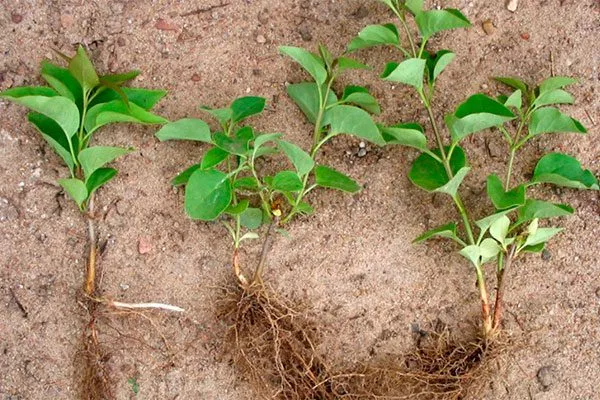
The first roots will appear in 20-25 days. Until then, maintain a temperature no higher than 25°C. Temperatures above 30°C may cause overheating, so periodically open the cover for ventilation or use air vents.
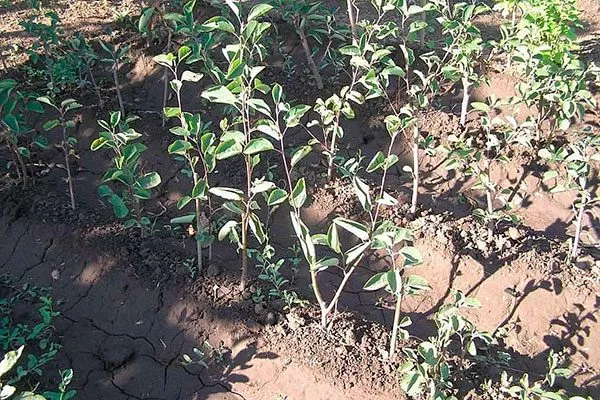
You can leave the rooted cuttings in the garden bed until spring. To ensure they survive the winter, mulch the bed with peat and wood chips. In the fall, water the cuttings to replenish moisture and remove weeds. Transplant the young plants to their permanent location the following spring.
Etiolated shoots for propagation
To accelerate root formation during vegetative propagation of serviceberry, etiolated shoots—those grown in the dark—are often used. This procedure promotes active root development by inhibiting chlorophyll synthesis and altering tissue structure.
Basic rules:
- Plant the mother plants in a single row, spaced 30-50 cm apart. The following year, during the dormant period—early spring or late fall—cut the shoots back to ground level. Then cover the area with black plastic, creating conditions for the shoots to grow in the dark.
The plants should be kept under cover for 4-6 weeks, until new shoots reach a height of about 10 cm. - To prevent overheating and ensure ventilation, secure the film to a frame made of arched structures, such as wire. Equip this covered tunnel with ventilation tubes up to 5 cm in diameter or insert bamboo poles inside.
- Once the shoots under the film reach the desired height, make triangular slits on the north side to create "windows." This allows limited light, stimulates chlorophyll production, and promotes gradual greening of the shoot tips.
It is important that direct sunlight does not fall directly on the shoots, as this can cause burns.
Horizontal or arced layers
Begin propagating serviceberry by layering in the spring or early summer – this gives the young plants enough time to take root and develop before the onset of cold weather.
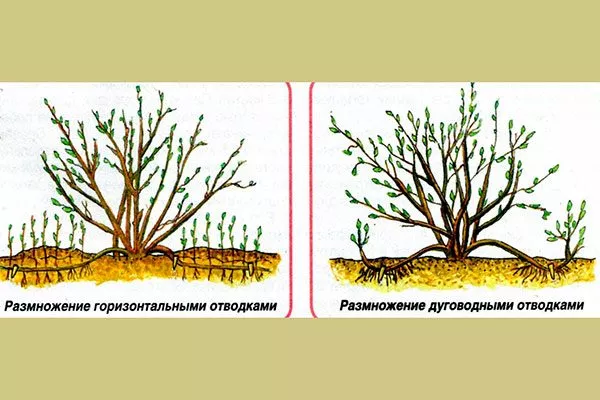
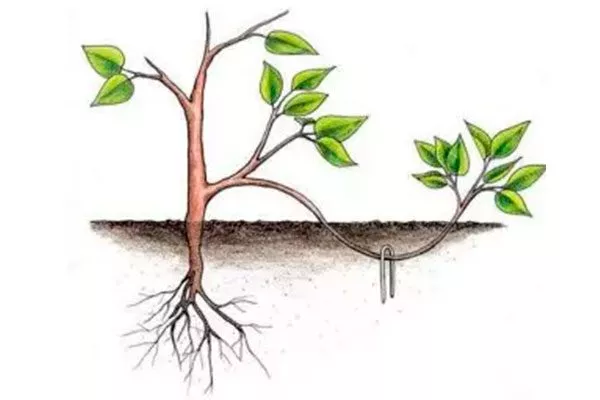
If you only need to get one or two bushes, use the method with arched layering:
- Bend 1-2 strong shoots aged one to two years from the bush.
- Place it on the ground in the form of an arc and lightly sprinkle with nutritious soil where it touches the soil.
- To prevent the shoot from rising, secure it with a pin or wire.
If you need a large number of seedlings at once, use the horizontal layering method:
- First loosen the soil at the base of the plant and make a furrow.
- Place several shoots horizontally, secure them in several places and cover with a fertile layer of soil.
With this rooting method, each node with a bud can produce an independent shoot with roots, which significantly increases the yield of planting material.
When the cuttings produce shoots 10-15 cm tall, hill them up, adding soil to stimulate root formation. By autumn, the seedlings will be sufficiently developed, but it's best to transplant them to their permanent location the following spring, once they've strengthened and tolerated the transplant without any problems.
Dividing the bush
If you need to replant a 6-7-year-old serviceberry plant, you can do so by dividing the bush. However, it's important to note that replanting plants older than 7-8 years is not recommended, as these bushes have a hard time establishing themselves in a new location.
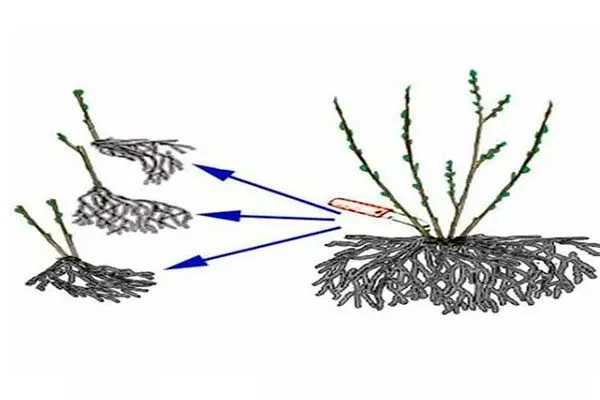
Important rules:
- Carry out the work in early spring before the sap begins to flow and the buds begin to open, or in autumn – no later than 25-30 days before the first steady frost.
- Carefully dig up the bush, thoroughly shake off the soil from the roots, and begin dividing the rhizome. If necessary, use a sharp tool, such as pruning shears or an axe.
- Remove old, damaged branches and dry roots from each division. Leave 2-3 healthy shoots and well-developed roots on each part, trimming them if necessary.
- Plant the finished cuttings in pre-prepared planting holes with fertile soil, water generously and, if necessary, mulch to retain moisture.
Root shoots
Actively growing serviceberry bushes eventually produce a sufficient number of root shoots, which can be successfully used for propagation. With the right approach, this method allows you to obtain a full-fledged seedling with minimal effort.
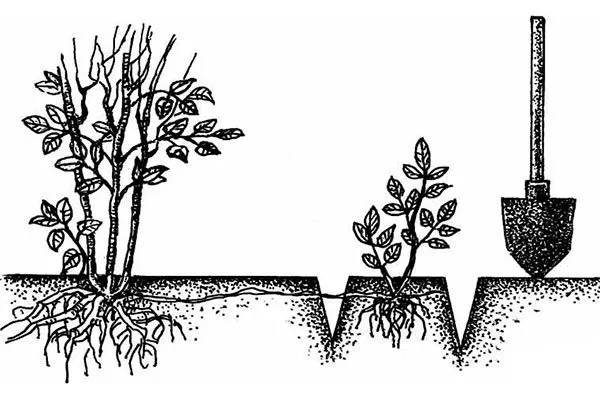
For propagation, select shoots that have emerged some distance from the mother plant. Specimens that have already begun to branch are best—they typically have a more developed root system, which facilitates rapid establishment.
How to propagate serviceberry by root cuttings:
- Carefully dig up last year's shoot, at least 0.5 cm thick and about 10 cm long, and it should have its own well-developed roots.
- Prepare planting holes and plant the cutting vertically to a depth of 5-7 cm in moist soil.
After planting, water the soil regularly to promote rooting.
Propagation by grafting
Rowan seedlings, typically biennial plants found in parks, are often used as rootstock for propagating serviceberry. After rain, these seedlings are easily pulled or dug out of the ground.
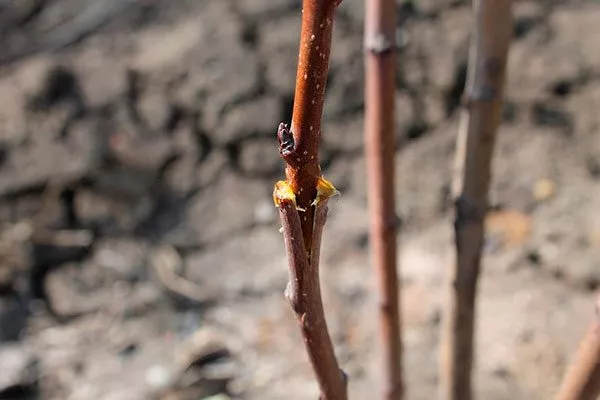
You can also grow them yourself by sowing rowan in the fall: in the spring, friendly shoots will allow you to use young plants as rootstocks in the second year.
Using serviceberry seedlings as rootstock carries the risk of confusing the shoots of the grafted variety with root suckers, which can lead to the loss of varietal characteristics. Besides rowan, two-year-old apple, hawthorn, or holly cotoneaster seedlings are also suitable as rootstocks.
Features of the scion and time of grafting:
- As a scion, use cuttings with vegetative buds - they are more elongated in shape than flower buds.
- Carry out this activity in the spring, when active sap flow begins.
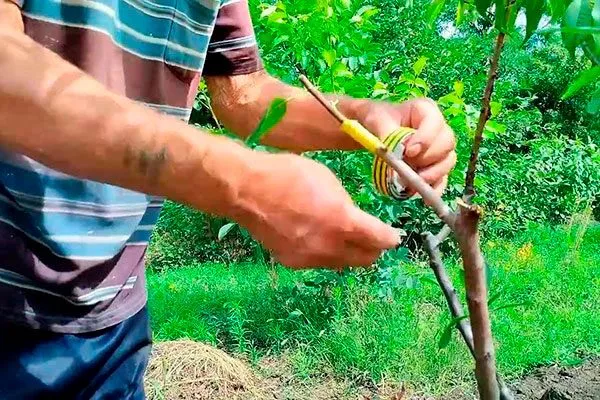
The procedure for performing vaccination:
- Dig up the scion and thoroughly clean it from soil.
- Cut the rootstock horizontally, 10-15 cm away from the root collar.
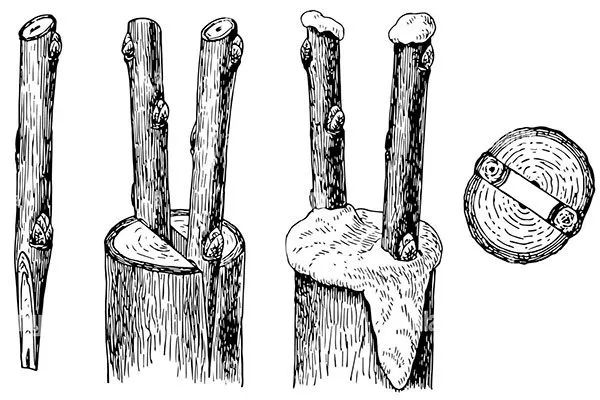
- Make a split in the cut of the rootstock using a clean, disinfected knife, no more than 3 cm deep.
- Cut the scion cutting at an angle from above, and from below make a two-sided, sloping wedge up to 4 cm long so that one side of the wedge is under the bud, and the other is on the opposite side.
- Insert the scion into the rootstock cleft so that the wedge is firmly secured and the top of the scion protrudes above the cleft.
- Gently squeeze the grafting site with your fingers and tie it with a soft but strong rope or tape.
- Coat the top cut of the scion with garden pitch to protect it from drying out and infection.
- Plant the rootstock in a prepared box with sand and peat, leaving the grafting site above the soil surface.
- Place the containers in a cool greenhouse or hotbed, gradually increasing the temperature to ensure better establishment of the graft.
- When callus appears at the grafting border, remove the cord or film.
- After a good root system has formed, plant the irga on the rootstock in open ground.
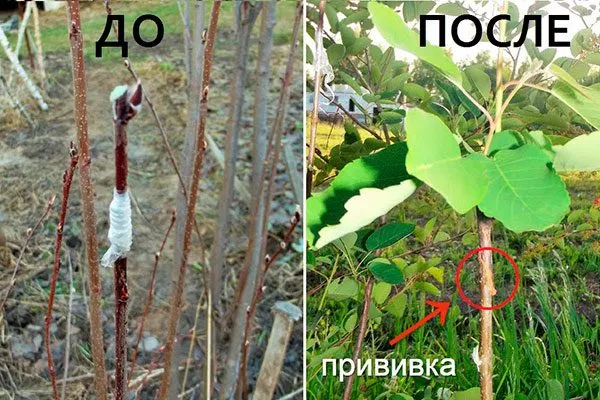
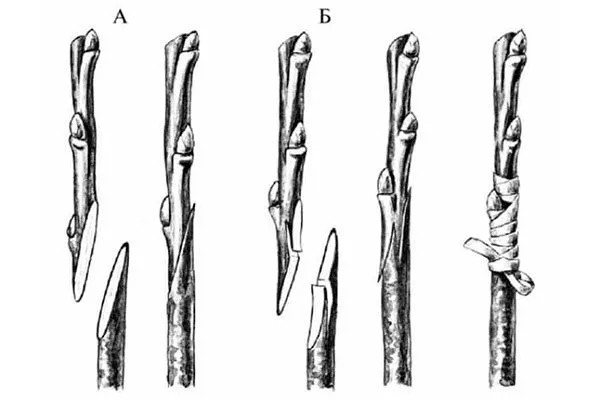
Propagation of irgi by grafting is performed using several methods, each of which is suitable for specific conditions and purposes:
- Copulation. The rootstock and scion diameters should match and be greater than 1 cm. Make the cuts at an angle to ensure a tight and precise fit. If the diameter is less than 1 cm, the cuts may shift, making attachment and ligation difficult.
- Budding. Graft individual serviceberry buds (eyes) onto the branches of young bushes or trees in spring or summer. One to four bud grafts can be made on a single branch.
- Cleft grafting. Insert the cuttings with the sharp ends into the rootstock cleft, ensuring tight contact. This method is not recommended in winter.
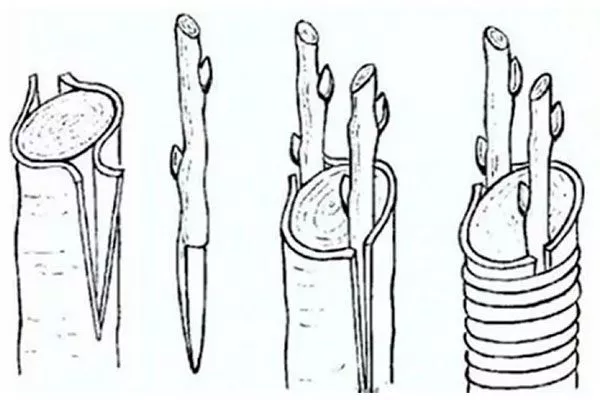
- Grafting "behind the bark". Place cuttings with 5-9 buds under peeling bark of the rootstock, up to 4 cm in diameter. The bark should separate easily from the wood. This method is not suitable for trees with stone fruits.
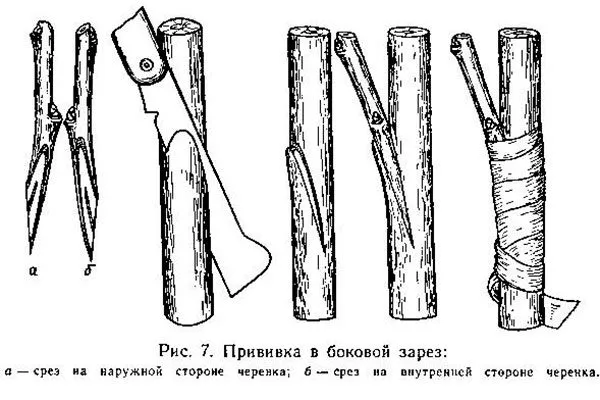
- Grafting "into a lateral incision". Perform the grafting at any time on branches up to 2-2.5 cm thick (preferred). Insert a sharply cut wedge of the scion into the side cut of the rootstock. Tie the grafting site, and check for rooting after 2 weeks.
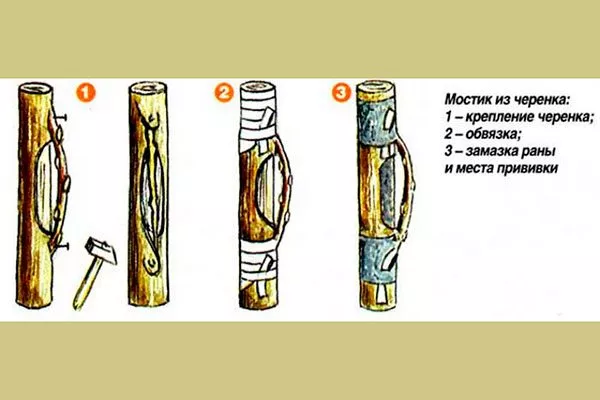
- Bridge grafting. A suitable method for saving a serviceberry plant with a ring-shaped injury to its trunk. Secure the cuttings to both sides of the wound, ensuring they are oriented correctly—roots facing down. Prepare the cuttings in the fall and store them in a cool, dark place, sprinkling the ends with damp sand or sawdust.
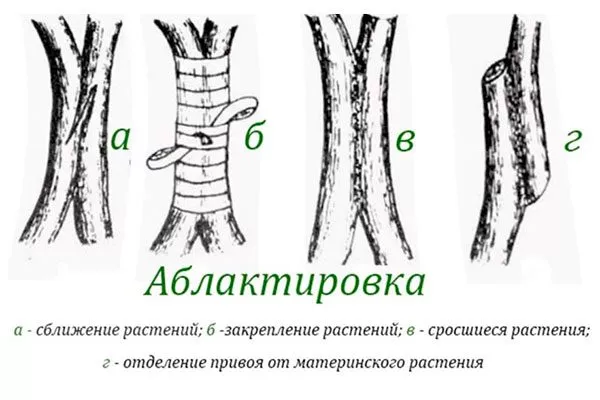
- Ablation (rapprochement). A rarely used method for visually increasing the crown's density. Trim the top 5 cm of wood from the scion and rootstock. Join the cuts and secure them tightly.

Helpful tips
Before grafting, carefully select the rootstock and scion—their compatibility determines the survival and health of the plant. Follow these other recommendations as well:
- Use only sharp and clean instruments to minimize the risk of infection.
- Carry out grafting during the period of active sap flow – in spring or early summer, when the plant takes root better.
- To speed up the rooting of green cuttings, use root formation stimulants (for example, Kornevin or Fiton).
- Provide high humidity and moderate temperatures in the greenhouse or hotbed when rooting cuttings.
- When propagating by root shoots, choose branches that have already begun to branch – such seedlings will take root faster.
- After grafting, inspect the plants regularly and remove any emerging rootstock shoots below the graft site to avoid weakening the scion.
- When using film covers (for example, during etiolation), be sure to provide ventilation and protection from overheating.
- It is best to divide the bush in spring and autumn – this will ensure rapid renewal of the plant and the production of healthy seedlings.
Serviceberry propagation can be successfully accomplished in a variety of ways, each with its own advantages. Cuttings allow for the rapid production of numerous new plants while preserving varietal traits; layering ensures high survival rates; root suckers offer ease and natural propagation; and seed propagation allows for the preservation of genetic diversity.