
The shadberry is a valuable and delicious berry that many gardeners eagerly await. However, protecting the fruit from persistent feathered visitors can be challenging. Birds readily feast on ripe berries, causing significant damage. There are many effective methods and tools that can help reliably protect the shadberry and keep the harvest intact.
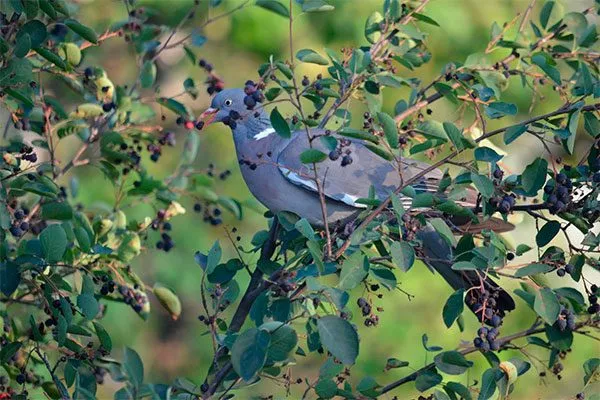
Why do birds love serviceberries?
Birds often prey on the harvest, leaving the bushes "naked." Birds love serviceberries for several reasons:
- Sweet fruits. They are very juicy and sweet, rich in glucose and fructose. They are a valuable source of energy for birds, especially during feeding time or before migration.
- Bright color. Ripe chokeberries have a rich dark blue, almost black hue, making them highly visible to winged animals.
- Availability. The irga produces a bountiful harvest, and the bushes often grow in open areas where it is easy to sit down and pick the berries.
- No danger. Unlike some other garden crops, the fruits of the irgi do not contain substances that are harmful or repel birds.
- Additional feed in a dry or lean year. When other berries or insects are scarce, crops become a salvation.

How to scare birds away from a tree?
To repel birds from serviceberries, you can use safe and humane methods that won't harm either the plants or the animals themselves. Effective methods include:
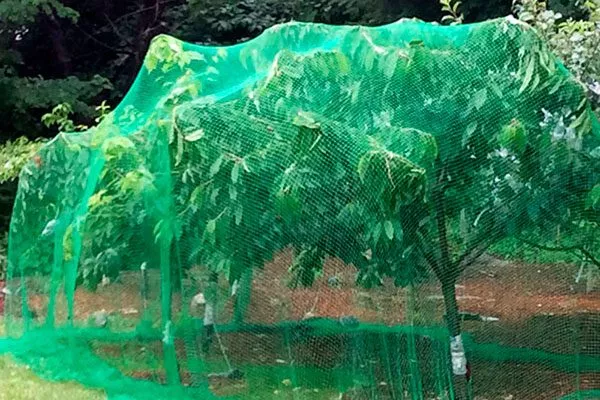
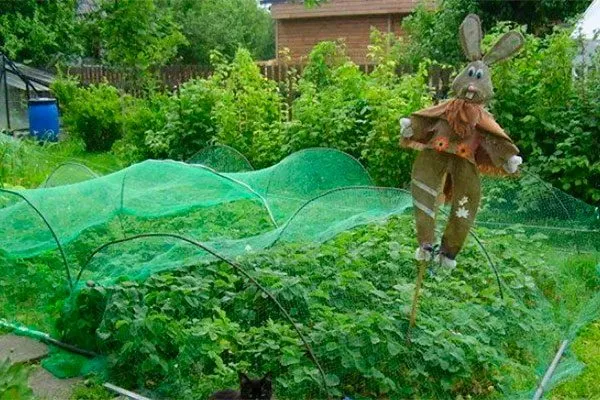
- Mesh shelter. The most reliable method is to cover the bush with fine garden netting. Birds won't be able to reach the berries.
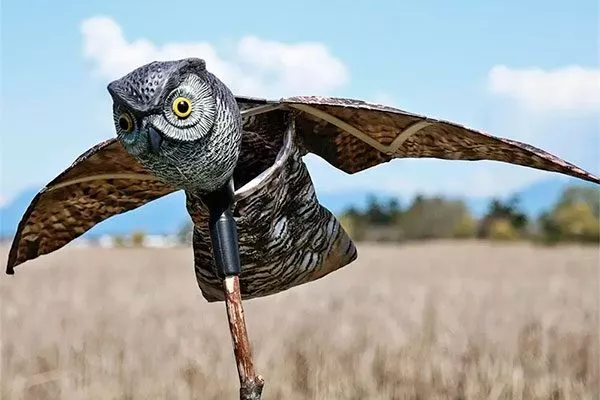
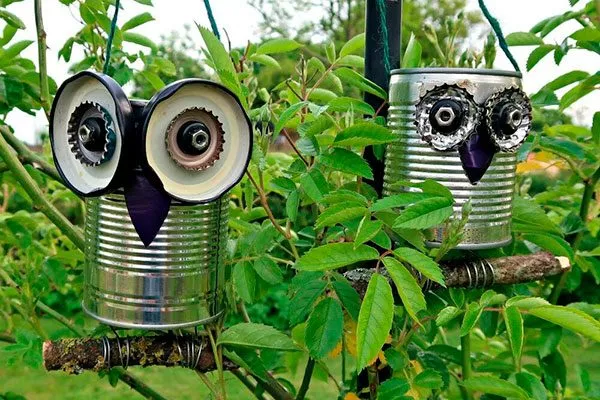
- Plastic owls, hawks or snakes. Some birds are afraid of predators. But it's important to move them periodically, otherwise the birds get used to them.
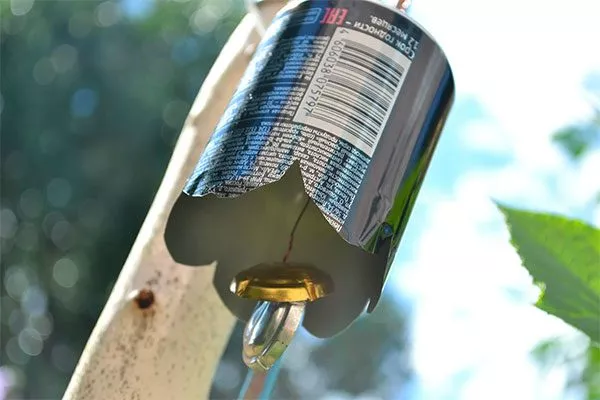
- Jars or tin lids. Tied to ropes, they rattle in the wind.
- Plastic bottles with peas/pebbles. When shaken, they make a noise that scares away birds.
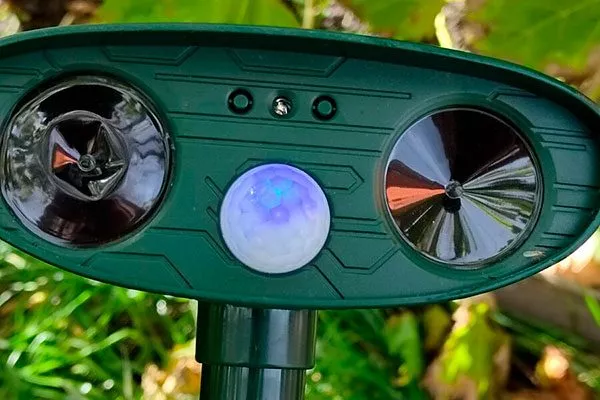
- Electronic devices. They emit the sounds of birds of prey. A more expensive but effective option.
- Scented repellents (in rare cases). Winged insects dislike the smell of menthol, pepper, and vinegar, but use such products with caution so as not to damage the plant or repel beneficial insects.
What doesn't work:
- Scarecrows. Classic decoys rarely work: birds quickly realize that they are harmless.
- One-time measures. If the repeller is not changed, the birds get used to it within 2-3 days.
It's best to use a combination of methods, alternating visual and noise repellents. Otherwise, the birds will quickly adapt and continue to feast on the harvest.
Visual deception: the play of light and shadow
Birds have excellent eyesight, so visual repellents can effectively discourage them from eating serviceberries. There are several suitable options.
Shiny objects
Shiny objects are one of the most effective ways to repel birds. Reflected sunlight from foil, old CDs, or tinsel can cause discomfort and disorientation in birds.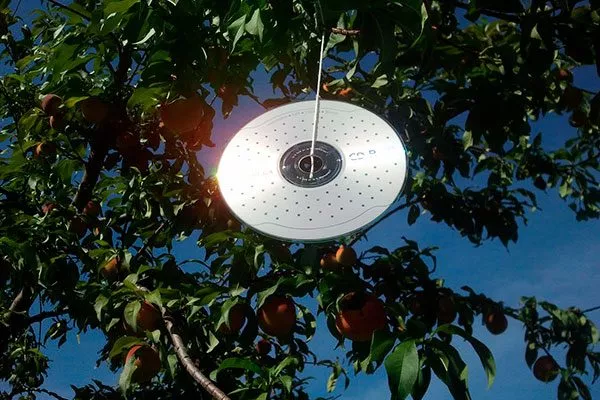
Predator dummies
The instinct for self-preservation in birds is highly developed, so imitation predators are an effective way to protect crops. Figures of cats, falcons, or hawks can scare away small birds, who perceive them as a threat.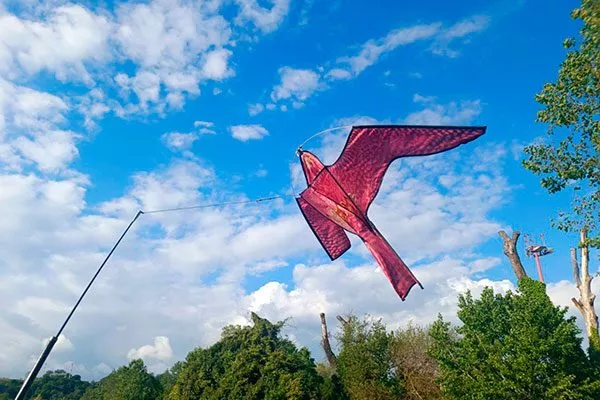
To ensure the method remains effective, change the location of the decoys regularly – this will help maintain the illusion of movement and the presence of a real predator.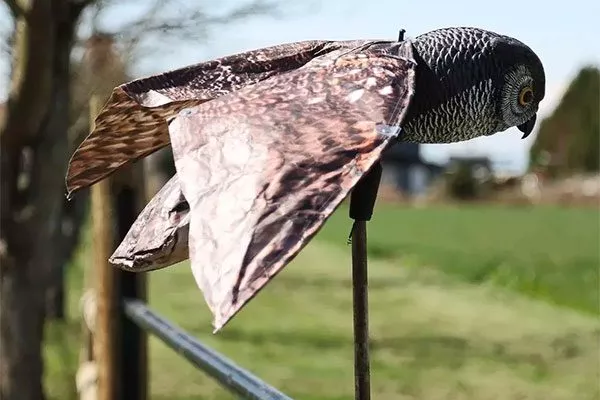
Imitation of a predator's eyes
There are special visual deterrents featuring large, raptor-like eyes. Birds instinctively perceive these as a threat, prompting them to avoid the danger zone and seek a safer feeding spot.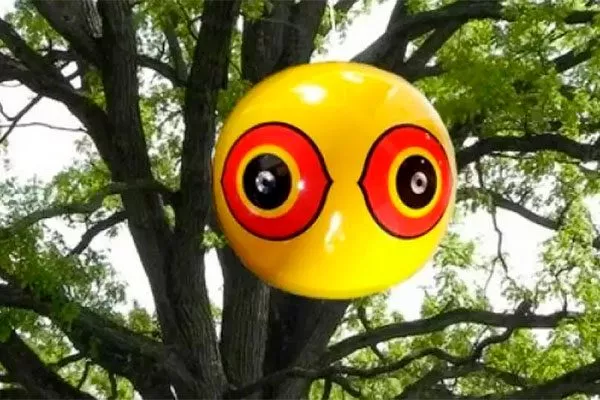
Sound barriers: scaring people away with noise
Birds have sensitive hearing, so unexpected and sharp sounds can scare them away from berry bushes. This is the basis for many effective defense mechanisms: wind noise, rattling tin cans, rustling bottles filled with pebbles, or special electronic devices that imitate predator calls.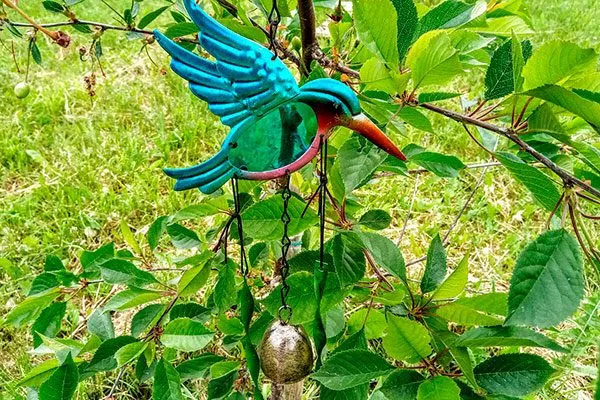
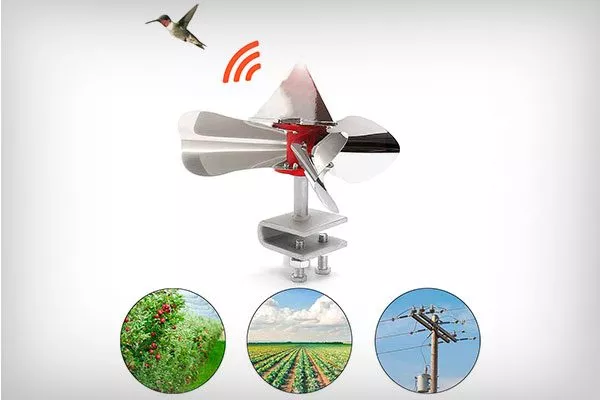
Homemade noisemakers
Get creative and make simple yet effective DIY repellents. For example, you can make a noisemaker out of a plastic bottle: cut it into long strips, leaving the neck untouched, and attach them to a stick. When spun in the wind, it will make an annoying rustling sound.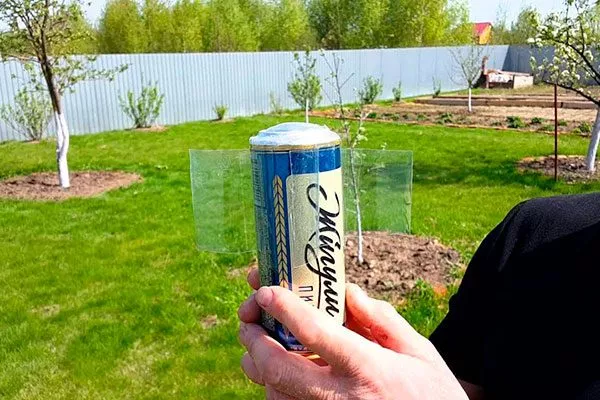
Another tried-and-true method is a traditional scarecrow, which can be reinforced with noisemakers: hang tin cans or foil from it. The wind will move them and make noise, scaring away the birds. These simple structures are inexpensive and can significantly reduce crop losses.
Shiny and rustling materials at the same time
A simple but highly effective way to repel birds is to use readily available shiny and noisy materials. Old CDs or DVDs, tinsel, strips of foil, or even plastic bags hung from branches reflect light and rustle in the slightest breeze, confusing the birds.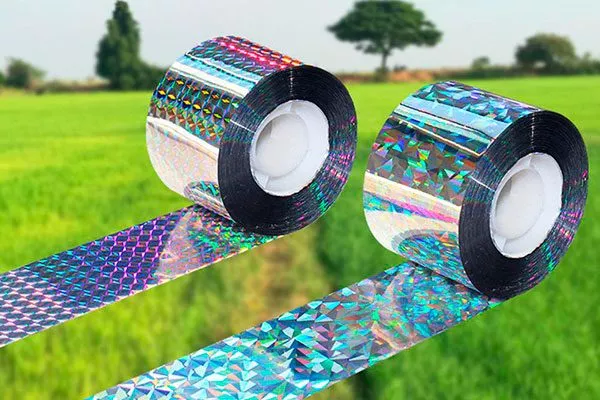
Children's pinwheels also work well—they spin, flash, and make noise all at once, creating an unpleasant environment for the birds. The main advantage of this method is its accessibility and ease of implementation.
Ultrasonic repellers
Modern technology offers an advanced solution: ultrasonic repellers. These devices emit high-frequency sound waves that are imperceptible to the human ear but cause discomfort to birds.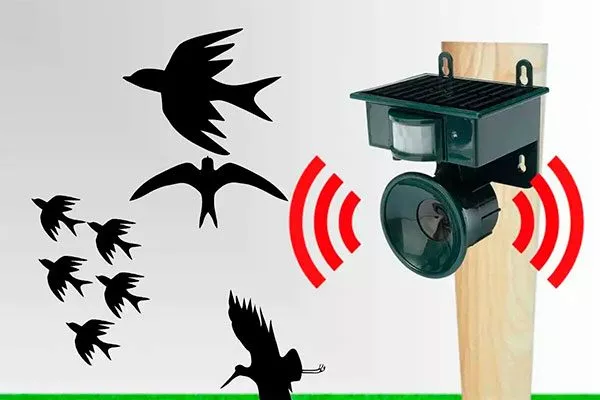
Some models allow you to customize the frequency for specific crops and select the operating range. This method is suitable for those looking for a convenient, low-maintenance method of crop protection that combines effectiveness with minimal effort.
Loud sounds
For larger areas, it's advisable to use more powerful sound-based repellents, such as propane or butane gas cannons and special mechanical rattles. These devices produce loud, gunshot-like sounds, effectively repelling birds from a considerable distance.
However, such devices require careful use, as they can cause noise disturbance to neighbors. Therefore, it's important to follow operating instructions, use timers, and install the devices away from residential buildings.
Physical Barriers: Creating Insurmountable Obstacles
The most effective method of crop protection is to create a physical barrier to prevent bird access. The most popular methods are listed below.
Special nets
Fine-mesh netting is one of the most reliable ways to protect berries from birds. Follow these recommendations:
- Wrap the serviceberry bushes with netting so that birds do not have access to the fruits.
- It is important to carefully secure the net to the ground to prevent penetration from below.
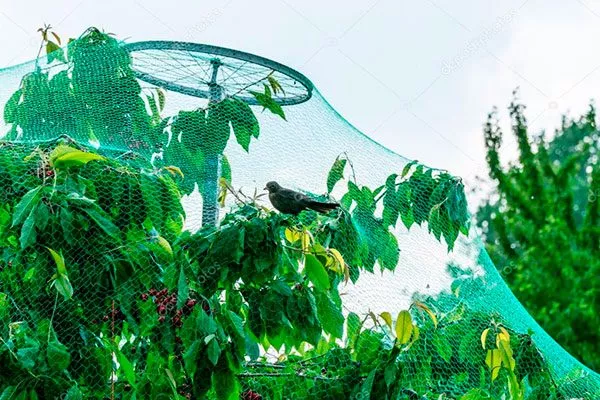
This method provides reliable crop protection, although it requires some time and effort to install.
Barbed fences
If the bird problem is particularly severe, you can install barbed wire fencing around your berry bushes. This will effectively prevent birds from reaching your harvest.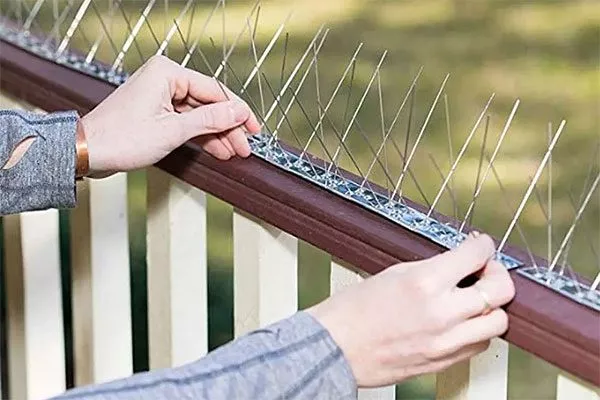
However, this method is not particularly decorative and requires careful installation and regular maintenance to avoid plant damage and ensure safety.
Covering the beds
For small areas with serviceberries, covering material or tulle is ideal. This simple and affordable method is especially effective during the early stages of berry ripening.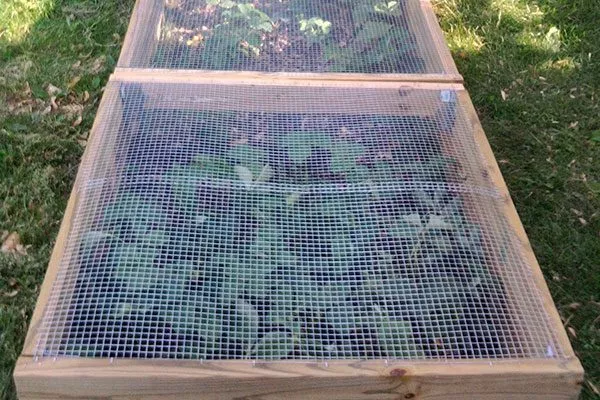
The main thing is to cover the bushes tightly on all sides so that birds cannot get inside and feast on the fruits.
Other barriers
In addition to netting and covering materials, other barriers can be used to repel birds. For example:
- Flooring tapes. These are bright, shiny strips of plastic or foil. Hang them on branches and around bushes. They reflect light and create a shimmering glare that can cause discomfort and disorientation in birds.
These ribbons are easy to attach. Change their placement periodically to maintain the effect. - Water obstacles. If space allows, create a small stream or pond in your yard. Such landscaping elements will make it difficult for birds to access food and reduce their interest in the serviceberries.
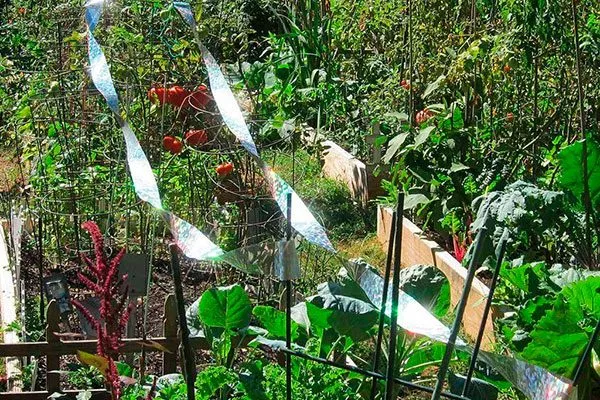
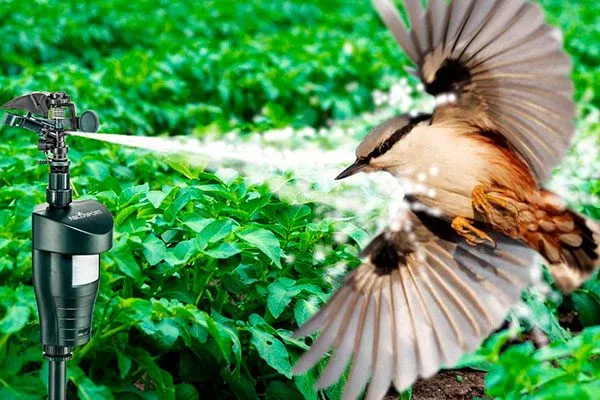
These methods are easy to use, affordable, and complement the basic methods of protecting crops from feathered guests.
Biological control: engaging natural defenders
To protect your garden and berry patches from pests and birds, you can use natural methods—attracting natural enemies and repellents. This biological control helps reduce crop damage without the use of chemicals, preserving the environment and beneficial insects.
Pets
Dogs and cats are not only loyal friends but also excellent protectors of the property. They repel small birds and rodents that could damage berries or plants.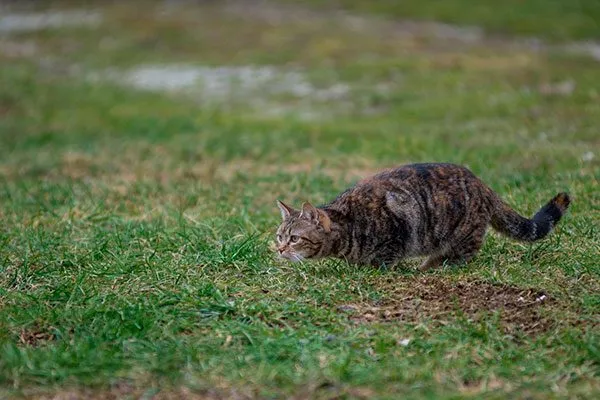
In addition to directly scaring off animals, pets create a sense of activity and presence on the property, which further keeps unwanted guests on edge.
Attracting birds of prey
Natural predators such as owls, hawks, and falcons play a key role in controlling small bird and rodent populations. To attract these birds to your property, you can install special nesting boxes or platforms, as well as provide feeders with suitable food during periods of food shortage.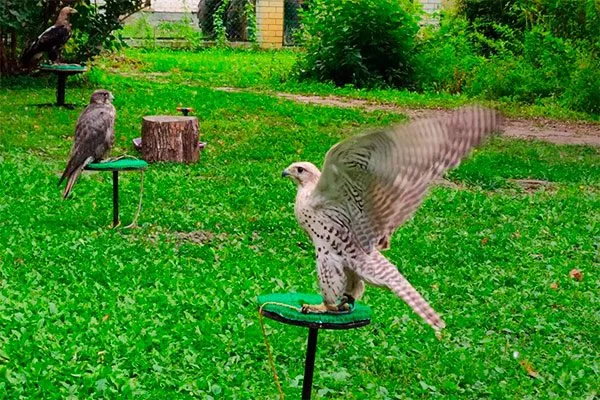
Birds of prey not only directly reduce pest populations but also create a sense of danger in smaller birds, causing them to avoid the area. This is one of the most environmentally friendly and effective methods of biological control.
Use of plant repellents
Some plants have natural repellents and help protect neighboring crops from birds and insects. These include:
- mint;
- garlic;
- basil;
- marigold;
- tansy.
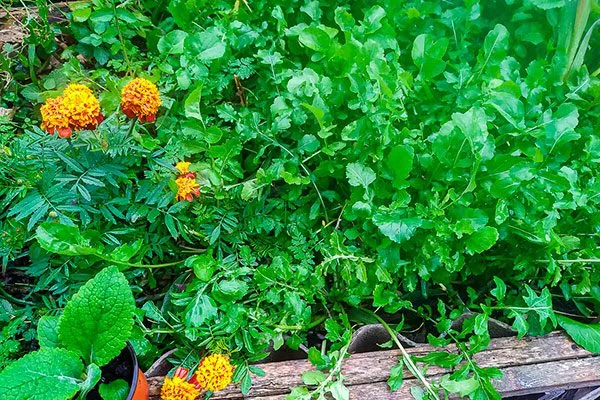
Their bright scents and essential oils irritate the receptors of pests and birds, reducing their activity and desire to be nearby.
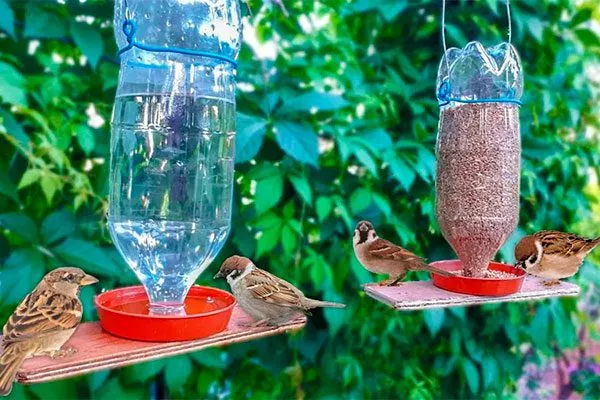
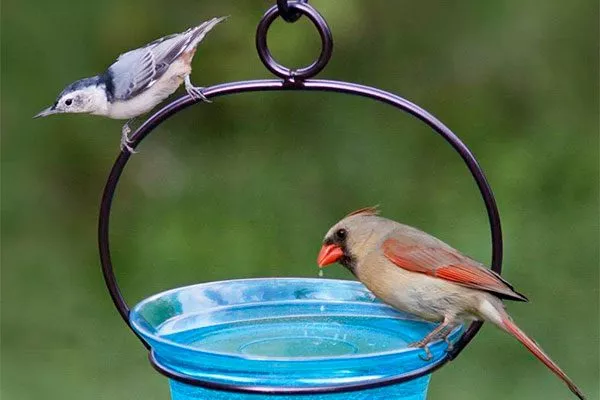
Feeders and drinkers
Installing feeders and waterers is a simple and effective way to reduce bird pressure on berry bushes, including serviceberries. Here's why it works and how to properly implement this approach:
- Alternative power source. Birds, especially during periods of natural food shortage, actively search for food and can damage serviceberry berries.
If you have feeders with grain, seeds, and other treats regularly available in your garden, birds will be less interested in eating berries, as they will be able to satisfy their hunger with other food. - Provision of drinking water. Drinking bowls with clean water are especially important in hot or dry weather, when natural sources of moisture are limited. Birds spend a lot of time searching for fluids, and access to drinking bowls reduces stress and the urge to forage for berries and fruits.
- Attracting birds to a controlled area. Feeders and waterers concentrate birds in specific locations away from serviceberry bushes. This helps control their behavior and facilitates the use of other deterrents.
- Creating a favorable environment. Regular feeding and watering makes the garden a "welcome place" for birds, reducing their aggression and stress. As a result, they cause less damage to your crops, and you gain the opportunity to coexist more peacefully with nature.
Organization tips:
- Place feeders and waterers at least 5-7 m away from serviceberry bushes;
- Keep feeders clean to prevent bird diseases;
- use a variety of foods: grains, seeds, unsalted nuts, etc.;
- Change the water in the drinking bowls daily, especially in hot weather.
Providing birds with food and water in convenient locations will reduce the risk of damage to the chokeberries and preserve the harvest.
Setting up reservations in fields
Reservoirs come in various shapes and sizes, but their primary purpose is to create a barrier that prevents birds from approaching and damaging crops. These structures are typically installed around the perimeter of the entire field or in areas where the crop is particularly valuable.
Helpful tips:
- Use a variety of materials. Use metal rods or wire assembled into a frame that birds cannot climb.
- To increase effectiveness, attach bright and noisy elements to the reservation - multi-colored ribbons, buttons and other objects that sway in the wind and make sounds, scaring away winged creatures.
- When installing the enclosures, follow a few rules: the structures must be high and sturdy enough to prevent birds from climbing through or damaging them. Install them well in advance—before the harvest begins—so the birds don't have time to get used to them and won't be able to avoid them.
- Properly managed reserves significantly reduce damage from birds and are a relatively inexpensive and easy to implement method widely used in agriculture.
Clearing the area of fruit debris
Removing fallen fruit and the remains of overripe or damaged fruit from the plot is an important step in pest control. Fallen fruit attracts not only birds but also insects, rodents, and other organisms that can harm plants and the harvest in the coming season.
Follow the rules:
- Regularly clearing berries and fruits from the ground helps reduce the number of food sources for unwanted visitors and reduce the risk of disease spread. Fruit left on the ground can become a breeding ground for fungal infections and bacteria that can attack the roots and stems of plants.
- To ensure effective cleanup, regularly inspect the area, collect fallen fruit, and dispose of it properly—for example, by removing it from the garden or composting it separately, following proper procedures to prevent the spread of pathogens.
How to make repellents with your own hands?
A childhood hobby of making crafts from plastic, paper, rope, and wire can be very useful for gardeners looking to protect their berry patches from birds. There are several simple homemade bird repellents available.
Noisy repellents made from plastic bottles
Various bird scarers in the form of airplanes and helicopters have long proven themselves to be reliable means of protection against birds. Even beginners can make such a bird "scarecrow"—all you need is the right materials, tools, and desire.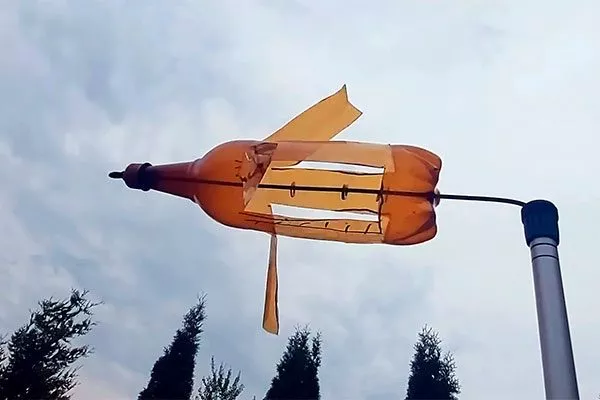
To make it you will need:
- scotch;
- pieces of foil;
- plastic bottle with a cork;
- thick wire about 1 m;
- knife;
- felt-tip pen;
- glue;
- pliers;
- nail or knitting needle.
Recommendations for preparation:
- First, make a hole in the cork and the bottom of the bottle. A heated knitting needle or hot nail held in pliers is helpful for this. If you have a drill, you can make the holes with a drill bit. The wire will be inserted into these holes.
- Using a marker, trace the outline of four vanes on the sides of the bottle and carefully cut slits along the lines to allow the vanes to open outward. Glue foil to each vane—it will reflect light and attract the birds' attention.
- Thread the wire through the bottle so that the ends extend beyond its length. Attach a "brake" to the bottom end protruding from the bottom—this could be a cork, button, or washer—and secure it about 1 cm from the bottom of the bottle. This will keep the wire in place and allow it to rotate freely.
- Thread the top end of the wire through the hole in the cork and wrap it back around the neck of the bottle. Attach the bottom end to the stick, which serves as a stand.
- Place the finished "scarecrow" on a tree or bush, where it will spin in the wind, making noise and flickering, scaring away the birds.
After harvesting, it is better to remove the device so that the birds do not get used to it and become afraid to return to the garden.
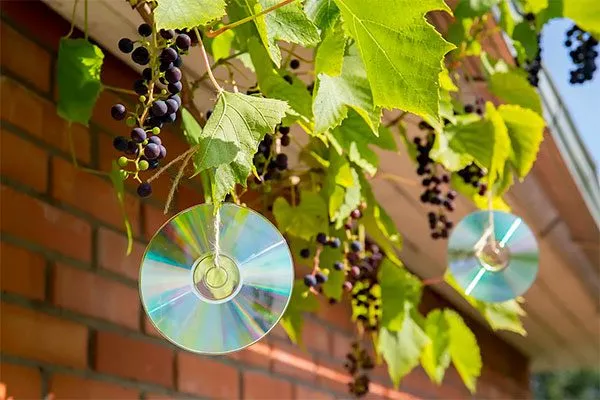
Shiny repellents made from discs
Thanks to the laser surface, CDs reflect bright colored reflections that birds find frightening. To use this effect, follow these steps:
- Attach the discs to long sticks.
- Place near the irgi bushes.
- String them onto ropes like beads and hang them on tree branches, securing them to various structures.
Ultrasonic repellers
Typically, such "scarecrows" are used in small areas. These devices are silent to humans, but they create ultrasonic air vibrations, causing discomfort and fear in birds. However, they do not harm either the birds or people.
Acoustic repellents work differently – they reproduce the sounds of birds of prey, the natural enemies of small animals. These sounds are very loud, so such devices are primarily used in open areas to avoid disturbing people.
Key Features:
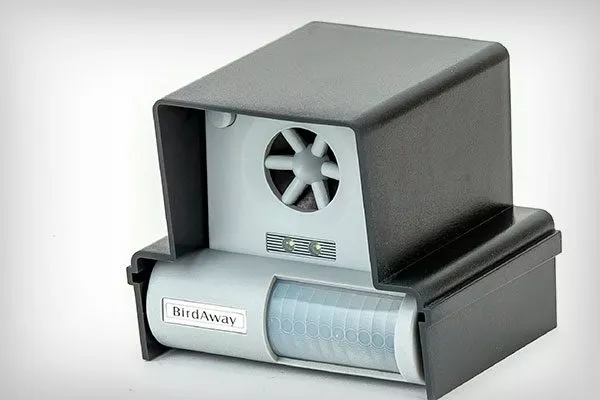
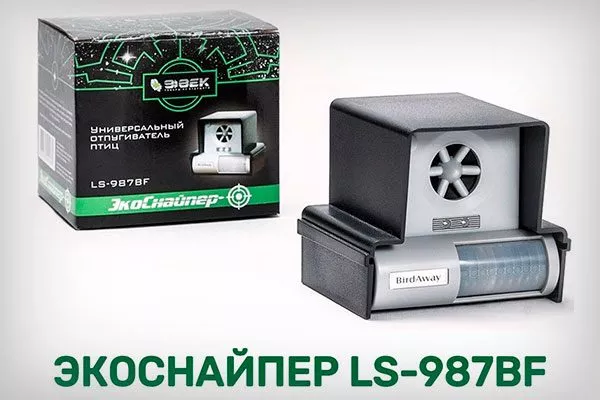
- One of the modern, versatile devices is the LS-987BF electronic repeller. It combines ultrasonic signals and audible sounds, and is accompanied by bright flashing lights.
The device effectively protects flower beds, gardens, building facades, balconies, and parking lots from birds. It operates in a frequency range of 17 to 24 kHz. - The EcoSniper LS-987BF ultrasonic repeller covers an area of up to 85 square meters with a range of up to 12 meters and a 70° viewing angle. It creates an unpleasant environment for birds, forcing them to leave the protected area. The device can be powered by either mains electricity or a 9-volt battery.
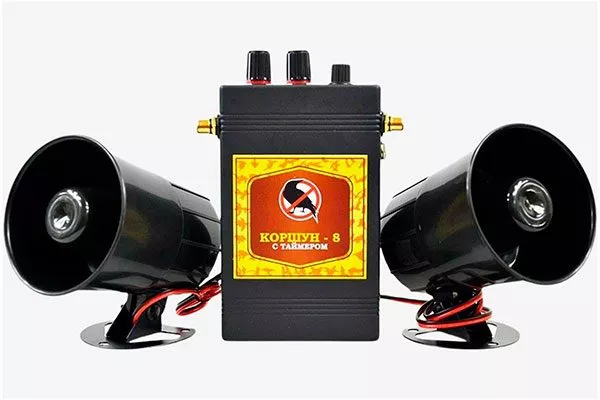
A standby mode is provided to save battery power. - The "Korshun" sound repeller is designed to repel crows, rooks, thrushes, magpies, starlings, and jackdaws. The user can select a set of sounds to specifically eliminate unwanted bird species.
The device plays sounds with a deterrent effect at certain intervals, and a built-in timer allows the device to be automatically turned on in the morning and turned off in the evening after the winged creatures have gone to roost.
Spinning objects
Items that move easily even in the slightest breeze are primarily effective against small birds that lack a keen memory or attention to detail. However, these items are ineffective against larger animals such as crows, magpies, and jackdaws.
In gardens and vegetable patches, pieces of mirrors, foil, and various shiny objects—from tapes to tin cans and CDs cut into blades—are often used to repel birds, suspended on strings. These repellents combine two main effects:
- reflection of light;
- movement.
If objects are secured in such a way that when gusts of wind blow, they collide and make a sound, a third deterrent factor is added – noise.
Practical tips for achieving maximum results
To effectively protect your crop, it's important not just to use individual bird repellent methods, but to properly organize a comprehensive set of measures. The right approach and attention to detail will help achieve maximum results and protect your berries from avian visitors.
Helpful tips:
- Combine methods. The best results are achieved by using multiple deterrent methods simultaneously. Combining auditory, visual, and physical barriers creates the most unpleasant and unfamiliar environment for birds.
- Change the location of repellents regularly. Birds are intelligent animals that quickly adapt to constant stimuli. To maintain effectiveness, periodically move scarecrows, shiny ribbons, and other objects, maintaining the element of surprise.
- Start scaring away early. Don't wait until birds start feasting on berries en masse. The best time to begin protection is when the fruits are just beginning to ripen and attract the attention of birds.
Frequently Asked Questions
When it comes to protecting serviceberries from birds, many people encounter common difficulties. Below are the most frequently asked questions and detailed answers to help you choose the most appropriate and effective deterrent methods.
Protecting your shadberry harvest from birds is a task that can be accomplished with the right approach. Using a variety of repellents, physical barriers, and natural methods will minimize losses and preserve the berries. The key is to combine methods and begin protection early. This will ensure you'll be able to harvest vitamin-rich berries year after year.