
Thanks to its endurance serviceberry Currants, which produce sweet and healthy fruits, are becoming increasingly common in gardens across the country. They are resistant to cold and drought, grow in any soil, and rarely get sick. Caring for them is easy. Familiarize yourself with their characteristics if you want to achieve maximum decorative value and high yields from this shrub.
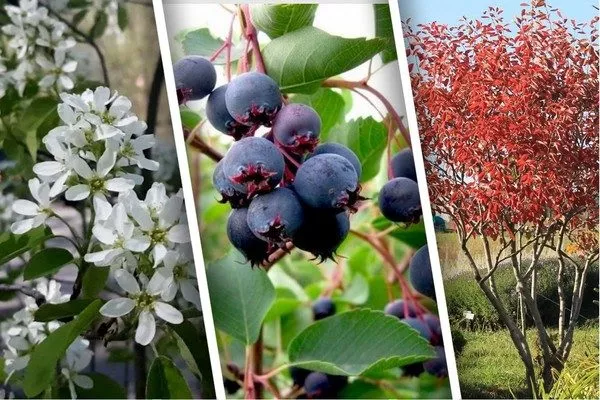
Rules for caring for irga in open ground
This unpretentious plant, like any other fruit crop in our garden, requires proper cultivation. To ensure it maintains its attractive appearance and delights you with an abundance of large, tasty berries, pay attention: water, fertilize, prune, and maintain the trunk area.
Top dressing
Without additional nutrition, it will be difficult to maintain the ornamental beauty and fruitfulness of your serviceberry. Follow these guidelines for fertilizing:
- No fertilization is required for the first three years of the plant's life. The nutrients added at planting (10 liters of humus or compost, 200-300 g of superphosphate, and 1 liter of wood ash should be added to the hole) will be sufficient for the successful rooting of the seedling, its subsequent growth, and development.
- A four-year-old bush needs additional nutrition (3 feedings per season) if it grows on poor soil, especially on sandy or clayey soil.
When growing serviceberry in loose, fertile soil rich in humus, there's no pressing need for it. Adding compost or rotted cow manure once every three years during the fall tillage is sufficient. The recommended application rate is 30 liters (or three buckets) per plant. This prevents soil depletion. - In the spring, after the snow melts, stimulate currant shoot growth with urea or ammonium nitrate. Apply 30-40 g of urea or ammonium nitrate per bush. Nitroammophoska (50 g per square meter of trunk circle) can be used as a substitute. Apply the nutrients before the buds swell.
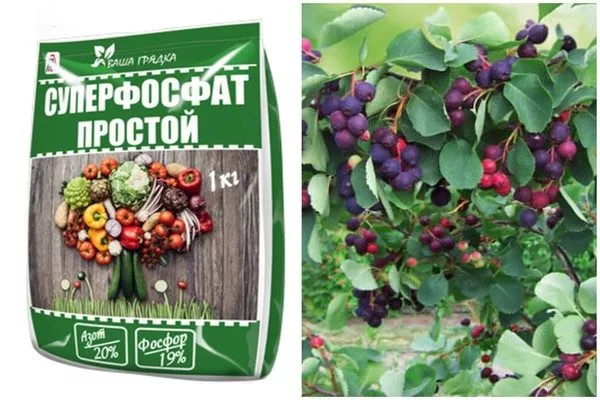
- During the summer, when fruit formation and ripening occurs, opt for potassium-phosphorus fertilizers. Use superphosphate and potassium sulfate in aqueous solutions (15-30 g per 10 l) to feed the shadberry. It's also acceptable to use well-rotted manure (0.5 l of organic matter per 10 l of water) enriched with urea (40 g) as a summer fertilizer.
- In the fall, after harvesting, apply dry superphosphate (30 g per square meter) and potassium sulfate (15 g/sq. m) to the tree trunks. Work the mixture into the soil by digging it. It's a good idea to add 150 g of wood ash. You can also use any mineral fertilizer that doesn't contain nitrogen.
- When applying nutrients, leave a gap of 25-30 cm from the trunk. Do not pour fertilizer solutions onto the root collar of the plant.
- Apply liquid fertilizers after loosening and thoroughly watering the garden crop; scatter dry fertilizers around the trunk circle and then work them into the soil.
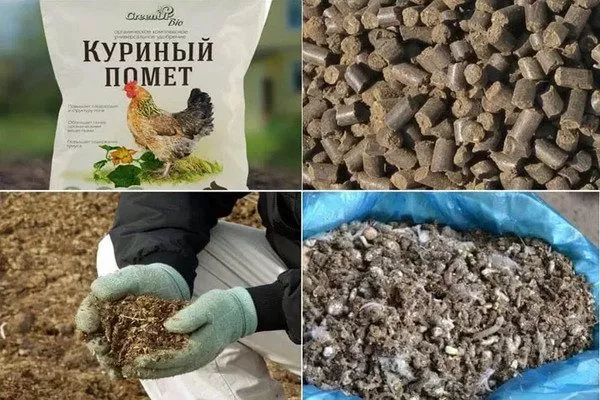
- Serviceberry responds well to a chicken manure solution (1:20 or 0.5 kg per 10 liters of water). Apply it from April to August.
- Avoid contact of nutrient liquids with foliage to avoid burning.
- Apply fertilizer in the evening hours, after sunset.
Loosening the soil, removing weeds and mulching
Keep the area around the shadberry tree's trunk clean, not only for its beauty but also to maintain the health of the fruit bush. Follow these maintenance procedures:
- Loosening the soilIt improves oxygen and nutrient access to the roots and prevents the formation of a dense, air-impermeable crust on the soil surface. Be sure to do this after a rainstorm and after watering the currants.
- Removing root shootsFruit trees are characterized by excessive growth. If the shoots are not removed regularly and promptly, the bush quickly turns into a wild thicket. Dense plantings increase the risk of disease due to dampness, poor lighting, and inadequate ventilation.
- WeedingKeep the area around the chokeberry clear of weeds. They provide a breeding ground for pests and pathogens. Perform this procedure simultaneously with loosening the soil.
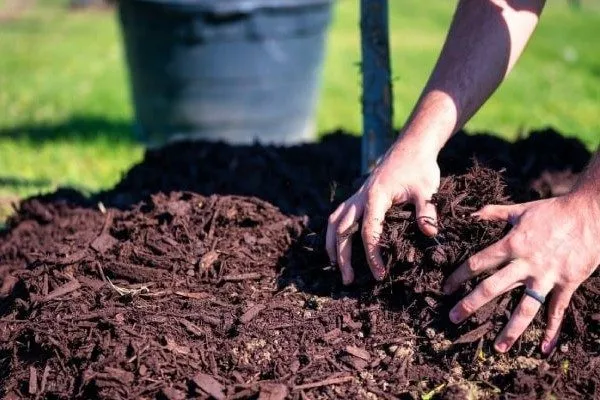
- MulchingAfter watering and loosening the soil, cover it with a layer of organic matter: sawdust, shredded bark, compost or humus, or peat. This technique will help retain moisture better, suppress weed growth, improve the soil structure, and increase its fertility. Mulch is useful for protecting plant roots from freezing in winter and from overheating in summer.
Watering
The serviceberry is drought-resistant. It grows and bears fruit even in conditions of low moisture. If you want the shrub to delight you with its decorative appearance and a rich, high-quality harvest, ensure it receives adequate watering.
During the fruiting period and during prolonged drought, water the mature plant once a week, using 10 liters of water per stem (or less frequently, 20-30 liters per session). The rest of the time, it will receive moisture from precipitation.
Seedlings up to 2-3 years old require regular watering, observing the following rules:
- watering frequency: 1-2 times a week in normal weather (in hot and dry weather it is increased);
- water consumption rate is 5-8 liters per plant.
Water shadberries growing in sandy soils more frequently, while those growing in clay soils should be watered less frequently. Avoid waterlogging. Dampness is more harmful to the plant than lack of moisture.
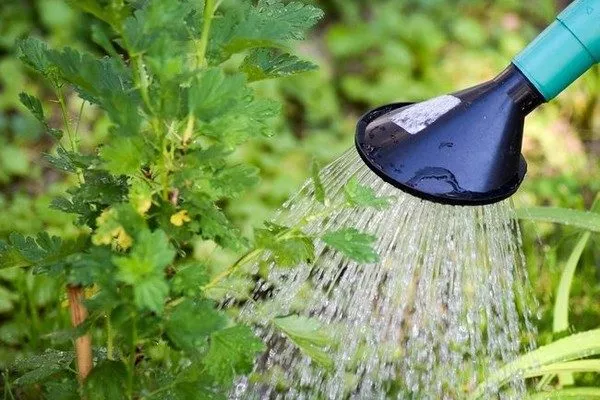
Experienced gardeners water their currant bushes with a hose fitted with a spray nozzle. A shower is especially beneficial for bushes used to form hedges. It washes away dust and exhaust fumes from the foliage.
Pruning and shaping
Gardeners grow serviceberry not only as a bush but also as a tree. Regular pruning is recommended for the plant to enhance its decorative appearance and increase its yield. Gardeners perform three types of pruning:
- formative;
- sanitary;
- rejuvenating.
Begin the process of creating a neat crown in the second year after planting. In the spring, prune the serviceberry, leaving no more than six large buds on each branch. Remove all other buds. This will stimulate the seedling's development and prevent the formation of excess foliage.
Continue pruning in subsequent years. Perform this procedure before the bush awakens in spring. This will give it a well-groomed appearance, increase the quantity and quality of berries, and speed up the ripening of the harvest. Your goal is to maintain its shape while removing any unnecessary growth. You can find more details on pruning serviceberry here. Here.
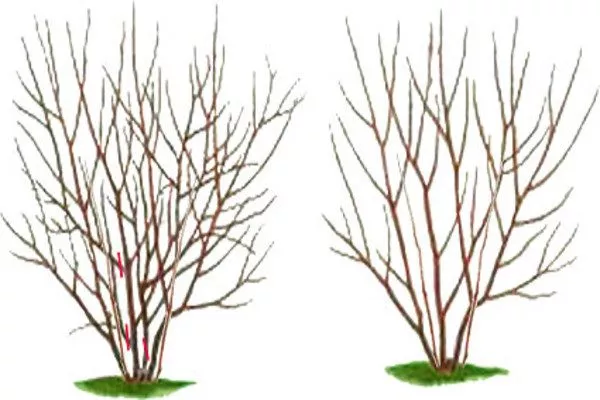
After winter, fruit trees require sanitary pruning. Begin pruning when the first leaves appear. Remove unproductive branches:
- those over 4 years old;
- frozen;
- dried up;
- broken;
- sick;
- thickening, having the wrong direction of growth.
Old bushes will benefit from an autumn rejuvenation treatment aimed at restoring their strength and extending their productive life. This involves shortening branches by two-thirds and removing trunks older than seven years. Prune central shoots back to the fork to restore the crown's fullness.
Harvesting
Korinka doesn't boast of its fruits (popularly called "apples") ripening all at once. Harvesting lasts from mid-June to the end of July (the timing may vary depending on the growing region). Gardeners harvest every 3-5 days.
Ripe berries tend to fall from the bush, especially during dry and hot seasons.
When harvesting, follow a few rules that will help you minimize losses and improve shelf life:
- remove fruits from the branches early in the morning or in the evening when they are firm;
- try not to damage the skin;
- Place apples in shallow baskets or flat boxes.
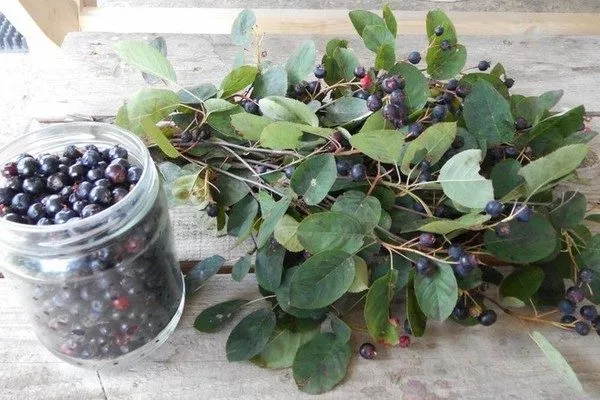
Serviceberries are delicate. They don't keep for long and spoil quickly. Refrigerated, they will stay fresh for up to 5 days. If you've collected a large quantity, you can freeze them, dry them, juice them, or make jam or preserves. They are also useful in winemaking.
If the irga in your garden does not bear fruit or produces few berries, you can find out the reasons for this and how to solve the problem Here.
Preparing for winter
After harvesting, carry out measures for the currants that will allow them to be properly prepared for the cold season:
- thin out the bush (if necessary, carry out sanitary pruning);
- perform moisture-recharging irrigation if the season is dry;
- clear the tree trunk area from weeds, plant debris, and fallen leaves;
- dig up the soil under the irga;
- fertilize it with potassium and phosphorus fertilizers (apply organic matter in combination with Superphosphate once every few years in the fall);
- If you detect symptoms of infection or the presence of pests in the crop, treat it with fungicides and insecticides.
Thanks to their increased frost resistance, mature plants do not require winter shelter. They can withstand temperatures down to -40°C.
Protection from birds, rodents, pests and diseases
Irga is characterized by a strong immune system. It is resistant to diseases and parasites. Health problems may occur in the following cases:
- when grown in an unfavorable environment (in damp and cold lowlands, on flooded soils, in dense shade);
- when agricultural practices are violated, in particular when pruning is not carried out (dense plantings often suffer from fungi and pests);
- in unfavorable seasons (outbreaks of infections are observed from time to time in the southern and central regions with a warm and humid spring period).
Among the diseases that threaten currants that do not receive proper care, gardeners highlight:
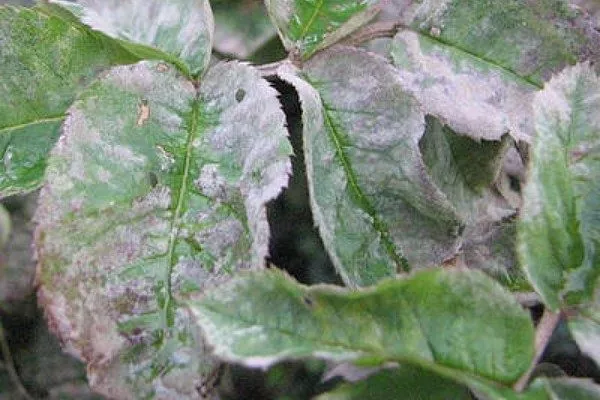
- Powdery mildewIt manifests itself as a white coating on the green foliage of the bush and young shoots, curling of the foliage, and tissue death. Shrubs growing in shade or damp conditions are susceptible to fungal infection.
The best prevention is to spray currant plantings with Topaz or Skor in the spring and early summer.
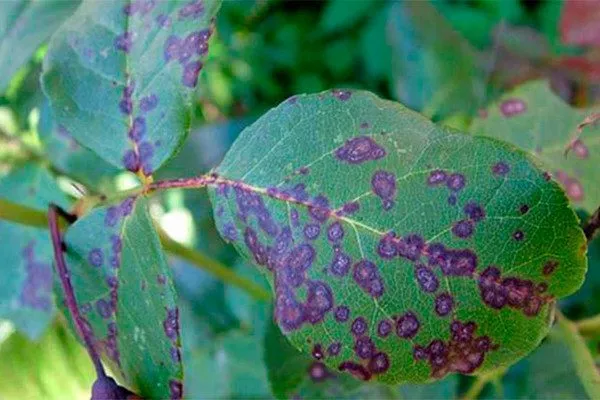
- Spotting (ascochyta leaf spot, cercospora leaf spot)Diseases manifest themselves as brown or gray spots on foliage and premature leaf drop. Their occurrence is facilitated by excessive nitrogen fertilization and dense planting.
Remove infected parts of the bush and treat it with copper-containing preparations.
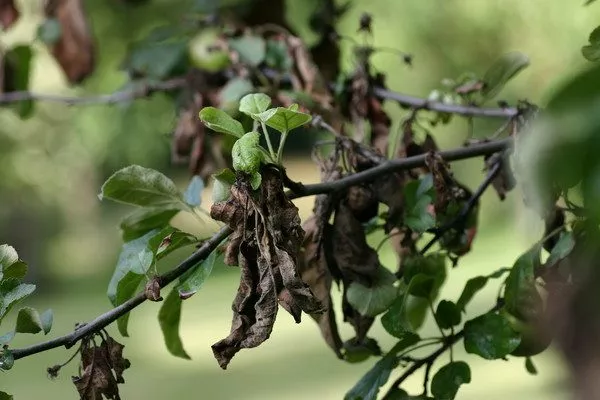
- Fire blightA diseased shadberry is indicated by blackening of the shoot tips and drying of the inflorescences. Trim off the affected parts of the plant. Spray the crown with copper-containing products.
You will find more details about what diseases irga can cause and how to treat it. Here.
Among the pests that attack fruit crops, gardeners single out codling moths and sawflies. They lay eggs in the ovaries and damage the fruit. To control them, use biological products (such as Lepidocide). Chemical insecticides can also be used before and after flowering.
Aphids also plague currants. The parasite settles on shoots and young foliage, feeding on plant sap. Folk remedies (garlic infusion, soapy water) and commercial preparations (Aktara, Biotlin) can help combat them.
Prevention is the best way to prevent garden crop diseases and reduce the risk of pest infestations. This involves the following procedures:
- annual pruning;
- cleaning up fallen leaves and fruits;
- digging the soil in the area around the tree trunk;
- proper application of fertilizers;
- regular inspection of the planting to detect the first symptoms of ill health and the presence of parasites;
- compliance with crop rotation standards on the site.
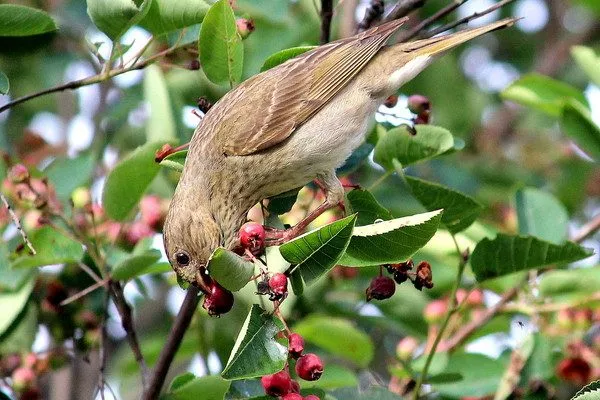
Not only adults and children but also birds enjoy the sweet fruits of the currant bush. If you're not ready to share your harvest with them (birds can eat up to 50% of the fruit), protect the bush from them:
- use grids;
- set up a scarecrow;
- Use sound repellents.
During the winter months, shadberry is a threat to rodents, which damage its bark. To protect it, create a barrier using wire mesh, roofing felt, and spruce branches. Mulch the area around the tree's trunk with sawdust soaked in kerosene. The smell will repel unwanted visitors.
Helpful Tips
To ensure that the unpretentious currant tree rewards you with a bountiful and high-quality harvest, strictly adhere to the rules of agricultural technology and follow the advice of experienced gardeners:
- Practice infrequent wateringThe berry bush is drought-resistant. Water a mature, healthy bush only during periods of prolonged drought and when the apples are ripening. Water after 4:00 PM, when sunlight is at its lowest. After moistening, lightly fluff the soil.
- Apply fertilizer annually., stepping back 30 cm from the root collar. Water the bush generously beforehand. Gradually increase the amount of fertilizer applied (as the irgi grows).
- Remove root suckers regularlyDon't allow the shrub to grow uncontrollably. Otherwise, it will produce less fruit and become more susceptible to fungal diseases and pest attacks.
The shadberry requires little care, making it easy to grow even for a novice gardener. Provide this beautiful and easy-to-grow plant with proper watering, fertilizing, and pruning. Maintain the area around the trunk. Give the shrub attention, and it will reward you with an abundance of sweet and healthy fruits.