
Selecting high-quality, healthy seedlings is the key to successful tree cultivation and a bountiful fruit harvest. If you've decided to plant a persimmon tree, it's important to consider a number of factors, such as the plant's health, growing conditions, and proper storage before planting. In this article, we'll provide step-by-step instructions for choosing the best persimmon seedlings.
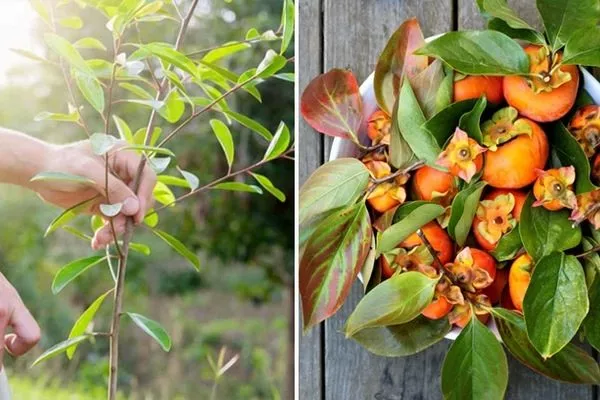
Selecting a variety
Before purchasing a seedling, decide on the variety that best suits your climate and site conditions.
The main factors influencing the choice of variety:
- Climatic features of the region.
- Resistance to diseases and pests.
- Fruit size and taste.
- The period of crop ripening.
Types of persimmon
When choosing a persimmon seedling, pay attention to the plant's species and variety, as each has its own characteristics and care requirements. Let's take a closer look:
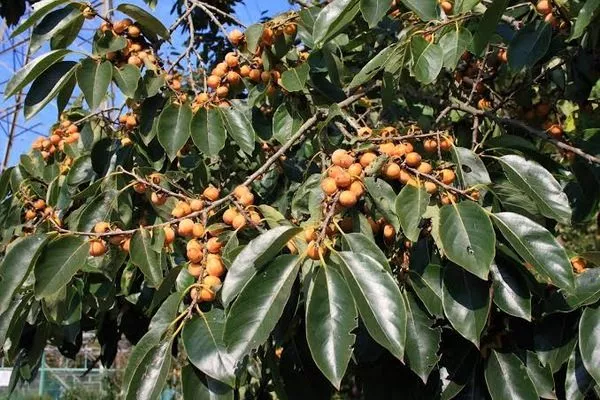
- Caucasian persimmon (Diospyros lotus). This variety is highly resistant to cold and drought. The fruits are small, but very aromatic and sweet. The tree grows up to 8 m tall and produces fruit well in the southern regions of Russia.

- Virginia persimmon (Diospyros virginiana). The tree, native to North America, is characterized by its hardiness and ability to withstand low temperatures. The fruits are small and bitter, but become sweeter after frost. Suitable for northern regions.
- Oriental persimmon (Diospyros kaki). The most common variety, distinguished by its large fruits and excellent flavor. There are many varieties of oriental persimmon, including the popular Hachiya and Fuyu. It prefers a warm climate and fertile soil. Learn more about Japanese persimmon varieties. Here.
- Varying. This category includes various hybrid forms obtained by crossing different types of persimmon (for example, Sosnovskaya or popular among the residents of our country Sharon). Such varieties have unique characteristics and are often used to improve existing varieties.
- Constant varieties. These include classic varieties that have stood the test of time and are widely used by gardeners (for example, Russian woman And Nikitskaya burgundy). They have stable characteristics and are reliable in terms of yield.
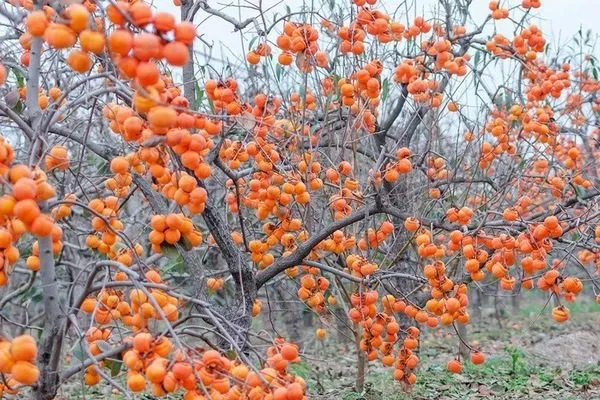
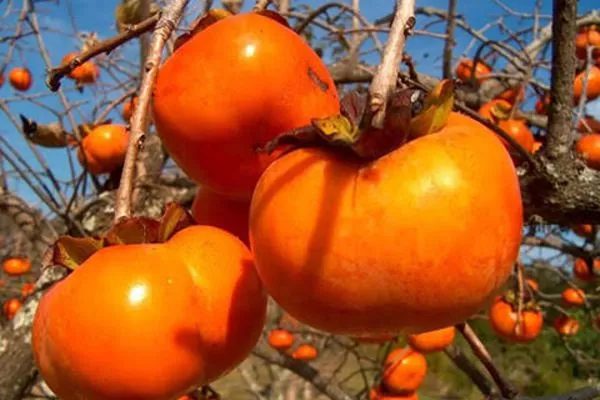
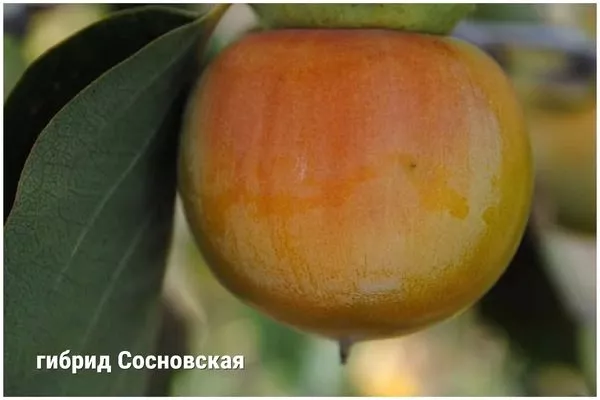
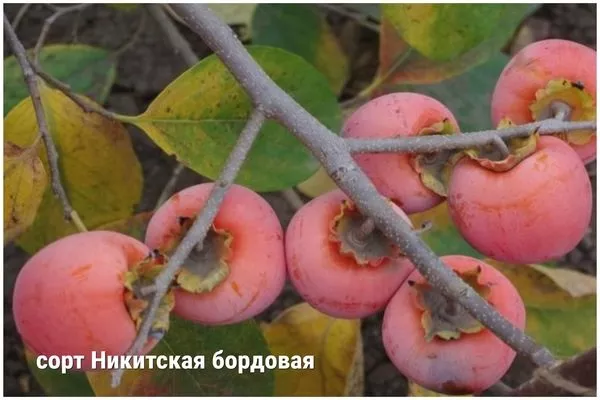
Persimmon varieties
When choosing a persimmon seedling, it's not just the species that are important, but also the specific varieties, whose characteristics clearly reflect the characteristics of the tree and its fruit.
Persimmon varieties with sweet flesh
There are many varieties of persimmon that have soft and sweet flesh that retains its color throughout the ripening and storage period.
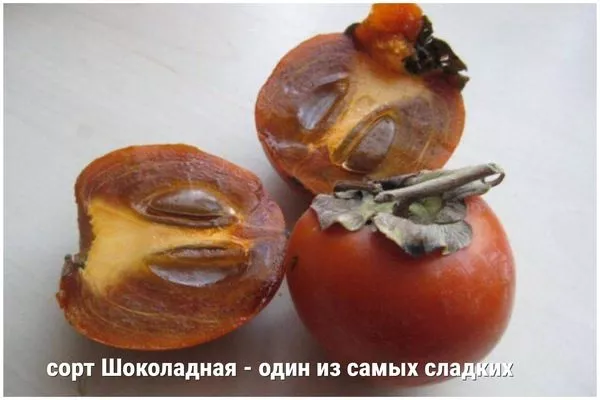
Here are some of them:
- Chocolate.
- Giro.
- Krymchanka 55.
- A find.
- Kiara.
- Меоце саукуне.
- Mishirazu.
- Fuyu.
- Twentieth century.
- Chocolate kinglet.
- Crimean.
- Excellent.
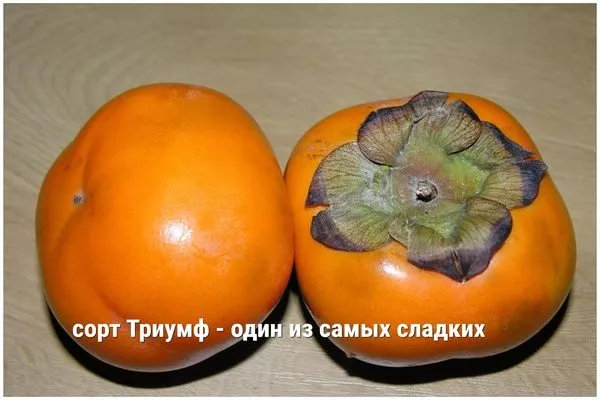
- Triumph.
- Sharon.
- Golden.
- Hope.
- Honey.
- Gypsy girl.
- Fruitful.
- Eastern.
- Hianume.
- Ukrainian.
- Dawn.
- Dawn.
A characteristic of most of these varieties is that their flesh acquires a pleasant sweet taste immediately after reaching the desired color, even if the fruits themselves are still hard.
Persimmon varieties with tart flesh
Some persimmon varieties contain tannins, which impart a tart flavor. Until fully ripe, they can remain quite tough and inedible.
These varieties include:
- Tanenashi.
- Khacha.
- Zorka-187.
- Gosho.
- Midder.
- Soyo.
- Tsuru.
- Sidless.
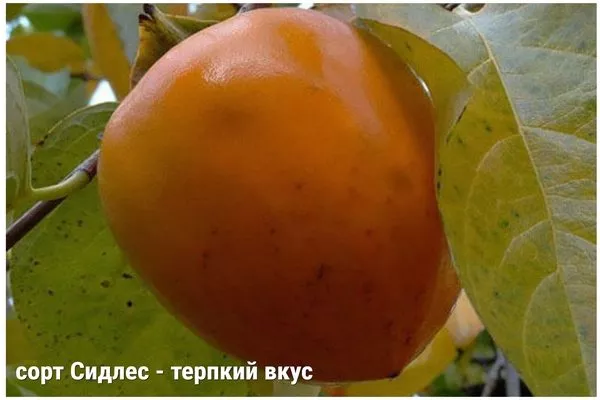
- Costata.
- Andreula.
- Weber.
- Emon.
- Aizu-Mishirazu.
- Dream.
- New.
- Nikitskaya burgundy.
- John Rick.
- Souvenir of autumn.
- Century-old.
- Varying.
- Golden autumn.
- Abundant.
- Yalta.
- Friendship.
- Little crane.
- Adjara.
Persimmon varieties with increased frost resistance
If you live in climates with cold winters, you may be interested in persimmon varieties that are adapted to low temperatures.
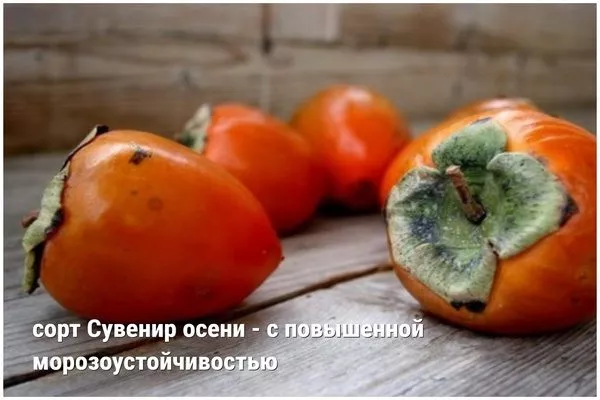
The most famous ones, which can withstand short-term frosts down to -20..-30 degrees Celsius:
- Russian woman.
- Mount Roman-Kosh.
- Eastern.
- Virginian.
- Caucasian.
- Kinglet.
- Mount Hoverla.
- Nikitskaya burgundy.
- Golden.
- Souvenir of autumn.
- A find.
- Dawn.
- Crimean woman.
- Southern beauty.
- Golden autumn.
These varieties are ideal for growing in Crimea, the southern regions of Russia, and certain areas of the central zone, providing the opportunity to obtain a high-quality harvest without additional shelter.
Persimmon varieties by ripening time
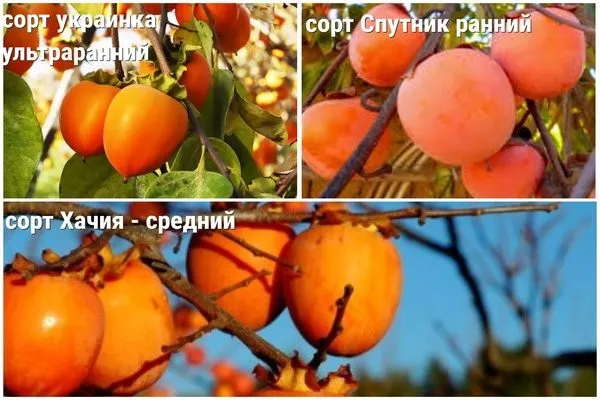
Choosing the right persimmon variety depends on its ripening time. Let's look at the most suitable options for your garden:
- Ultra-early. Ukrainka, Izobilnaya, and Yankin-Tsuru. Their fruits reach full maturity in late August or early September.
- Early ones. Sputnik, Hyakume, Chocolate, Star, Zolotistaya, and Southern Beauty. Harvest begins in the second or third ten days of September.
- Average. Yuzhnoberezhnaya, Batumskiy II, Zamanchivyy, Zarya, Zorka, Khachiya, Souvenir oseni, Mechta, Zhuravlenok, Kuro-Kuma, Gayli, Opylitel-4. Fully ripened fruits appear in October.
Promising persimmon varieties
Particular attention should be paid to promising varieties of fruit crops intended for gardening in our country.
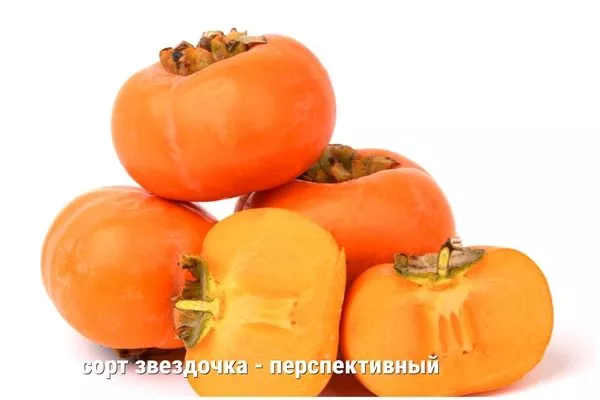
These include:
- Star
- Golden.
- Souvenir of autumn.
- A find.
- Dawn.
- Crimean woman.
- Southern beauty.
- Russian woman.
- Nikitsky burgundy.
- Pollinator-48.
- Tempting.
- Dream.
- Golden autumn.
Before choosing a specific variety, carefully study locally grown species and record them in your garden journal. This will help you choose the right one for your area.
Which rootstock should I choose?
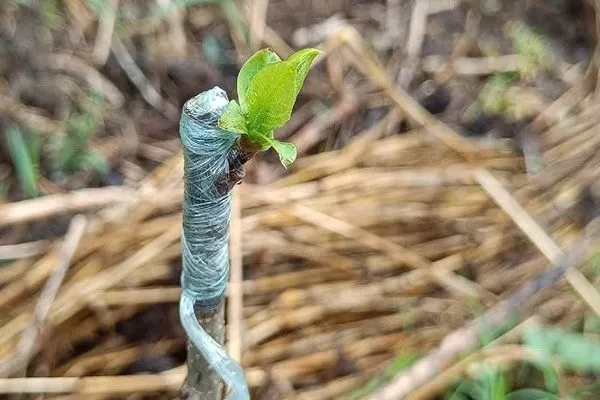
Grafted persimmon seedlings are available exclusively in stores. The rootstock is typically Caucasian or Virginia persimmon:
- Grafting on Caucasian rootstocks They thrive, but they have a branched, shallow root system. This type of root system thrives in warm climates with rich soil and sufficient rainfall, typical of the Caucasus.
- Virginia persimmon A powerful taproot system that reaches deep into the soil, where it finds all the resources it needs for normal growth. Additionally, Virginia rootstocks demonstrate excellent cold tolerance down to -25°C.
Inspection of the root system
This is the most important step when choosing a high-quality persimmon seedling. A healthy root system guarantees a successful planting and the tree's continued growth. First, pay attention to the following aspects:
- Root color. Healthy roots should be white or light brown. Black, gray, or dark spots indicate possible damage or disease.
- Root shape. Pay attention to the presence of lateral and primary roots. The more small, absorbent shoots, the better. The majority of the roots should be evenly distributed around the stem.
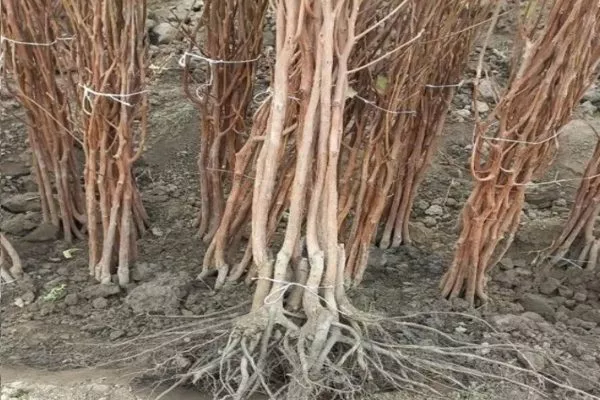
- Damage. Discard seedlings with broken or rotted roots. Any damage reduces the plant's chances of survival.
- Length of roots. It's best to choose seedlings with roots at least 20-30 cm long. Short roots reduce the chances of good rooting.
- Trimmed roots. If the roots are cut too short, this indicates improper cultivation practices. Incorrect pruning can result in poor growth or even death of the seedling.
- Closed root system. It is recommended to choose seedlings with a closed root system (growing in containers), as they tolerate transplantation better and adapt to new conditions faster.
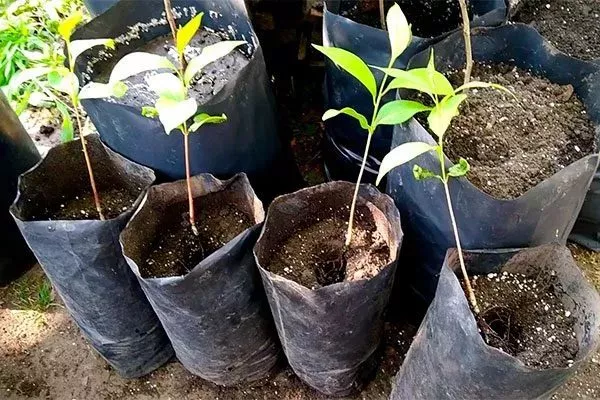
By following these recommendations, you can purchase a healthy persimmon tree that will reward you with a bountiful harvest in the coming years.
Assessment of the condition of the trunk and branches
Assessing the condition of the trunk and branches is important when choosing a persimmon sapling, as this determines the tree's future growth and productivity. Here are a few key points to consider:
- Straightness of the trunk. An ideal persimmon sapling should have a straight, upright trunk without significant bends or defects. A crooked trunk indicates improper care or disease.
- Elasticity of branches. A slight bend in young branches indicates good health and development of the wood. Stiff or brittle branches may indicate a lack of moisture or nutrients.
- Bark covering. Young bark should be smooth and clean, without deep scratches or ulcers. Damaged bark increases the risk of infection and insect pests.
- Presence of leaves. It's a good idea to inspect the seedling's foliage. Green, firm leaves indicate the tree's health. Dry or yellowed leaves may indicate disease or underwatering.
- Homogeneity of structure. It's important to ensure that the branch structure is uniform and balanced. Differences in thickness or length between branches are undesirable, as they hinder the formation of a healthy crown.
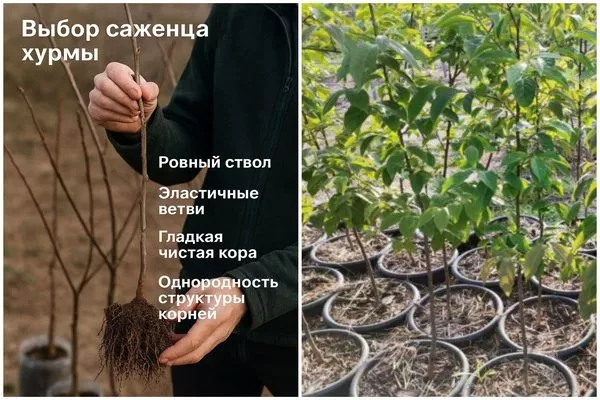
By choosing the right seedling with a strong trunk and healthy wood, you will provide your future tree with favorable conditions for rapid growth and long-term fruiting.
Checking the height and age of the seedling
Determining the height and age of a persimmon seedling helps determine its readiness for planting and subsequent development. Proper seedling selection ensures rapid rooting and growth in the first few years after planting.
Some recommendations for checking:
- Optimal height. It is recommended to select seedlings approximately 70-120 cm tall. This size allows the plant to firmly establish itself in the ground and gradually develop a crown.
- Age of the seedling. The best option is considered to be 2-3 year old seedlings. These plants have already developed a full root system and show the best survival rates.
- Size of the above-ground part. It's also worth paying attention to the length and thickness of the main branch. It should make up at least a third of the seedling's total length and have evenly distributed lateral shoots.
- Signs of aging. Avoid seedlings with signs of excessive aging (wrinkled bark, dry branches). This usually indicates problems with the growing conditions and reduced growth potential.
- Balance of sizes. It's important to check the balance between the root and aboveground parameters. An excessively large volume with a small root will reduce the chances of survival.
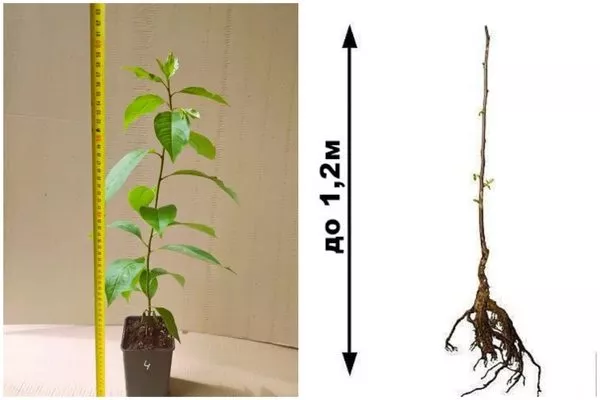
Correctly checking the height and age of the seedling significantly increases the chances of success when landing and further growth of persimmon.
Determination of storage and transportation conditions
Determining storage and transportation conditions plays a key role when selecting persimmon seedlings. The quality of the seedlings depends heavily on how well they are transported and stored before sale.
Before purchasing, please find out the following information:
- How long has the plant been in the container?
- What measures were taken to prevent soil drying out and root damage.
- Were the optimal temperature and air humidity conditions observed?
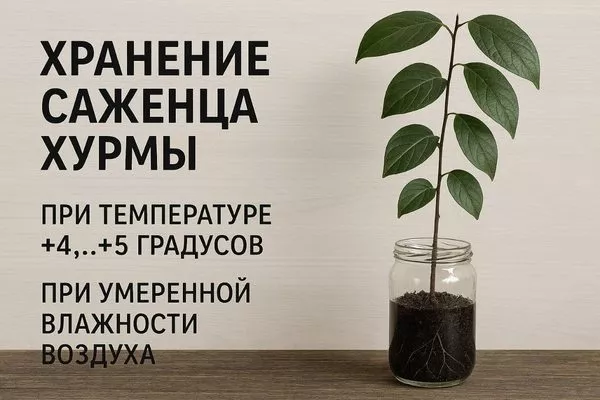
Some important aspects to consider:
- Temperature conditions. Seedlings should be stored at a temperature of +4…+5°C. Prolonged exposure to high or low temperatures negatively affects plant viability.
- Air humidity. Maintain moderate humidity to prevent the roots from drying out. Overly dry soil will damage the roots and reduce the chances of successful replanting.
- Quality of packaging. Proper packaging is important. Contained root systems are preferable to open root systems, as they reduce stress during transportation and improve survival.
- Storage period. Find out how long the seedlings have been in storage. The shorter the period, the higher the likelihood of their viability being preserved.
- Transportation. Transportation must be carried out carefully, avoiding mechanical damage to the roots and above-ground parts of the plant.
Where and when to buy seedlings?
Buy seedlings from reputable suppliers with a good reputation and positive customer reviews. This will reduce the risk of purchasing low-quality material and increase the chances of successfully growing a healthy tree.
Peculiarities:
- It's best to purchase persimmon seedlings from specialized nurseries or reputable producers who guarantee high-quality products. Purchasing directly from the producer guarantees the correct variety and proper care.
- You can consider purchasing seedlings at large garden centers and specialized retailers. They offer a wide variety of varieties, and salespeople typically provide advice on care and planting.
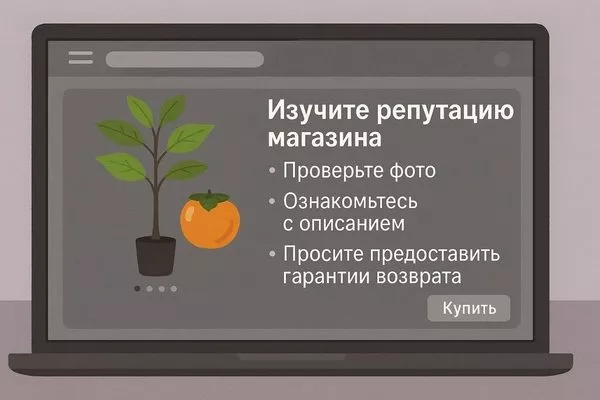
- Online stores offer a wide selection of seedlings, but it's important to verify the seller's reliability and the website's reputation. Be sure to pay attention to product photos, descriptions, and customer reviews.
- The best time to buy is in the spring or fall, when most seedlings are dormant, which makes the adaptation process after transplantation easier.

How to choose a quality seedling in an online store?
Choosing persimmon seedlings online requires special attention, as it's impossible to assess the plant's condition visually. To minimize risks and purchase high-quality seedlings, follow these guidelines:
- Research the store's reputation. Check customer reviews, store ratings, and sales history. A good store values its reputation and offers quality products.
- Check the photos. High-quality stores post real photos of their seedlings, demonstrating the plant's appearance. Low-quality images or no photos are a warning sign.
- Detailed description. Review the details about the variety, seedling height, age, and care instructions. The information should be clear and comprehensive.
- Specifics about delivery. The seller is obligated to provide precise delivery times and shipping methods. Safe delivery, with protection for the roots and top of the seedling, is critical.
- Money back guarantee. The store should offer the option to exchange or return defective goods. Having a guarantee reduces the risk of an unsuccessful purchase.
- Contact a consultant. Ask your questions to an online store specialist. Knowledgeable answers will help you understand the staff's professionalism and serious approach to business.
Following all of the above rules will allow you to select high-quality, healthy persimmon seedlings, thereby ensuring a good start for your new tree and a bountiful fruit harvest in the future. Remember, the variety must be suited to your climate.