
Weber is a persimmon variety prized for its high frost and disease resistance. The fruits are characterized by a bright orange color, juiciness, and a pleasant sweetness without bitterness. The variety adapts to various climates, tolerates drought well, and delivers a stable harvest. It is suitable for both fresh consumption and processing.
Appearance of the plant and fruits
The Virginia (American) variety was created by German breeders Gustav Weber and Adolf Hermann in 1964 by crossing different types of persimmon.
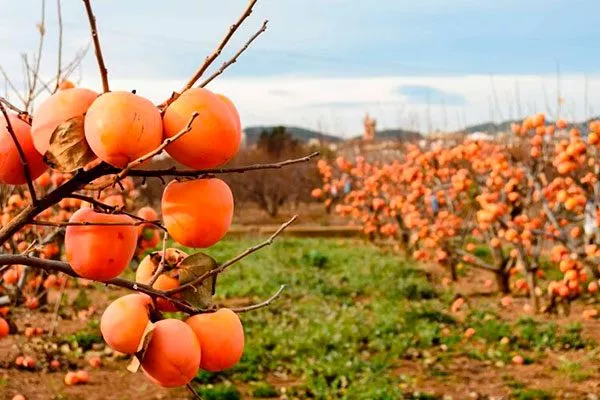
Distinguishing characteristics:
- plant - belongs to medium-sized trees, reaching a height of up to 3 m;
- crown – compact, with small green leaves;
- fruits – They are round in shape, weigh up to 60 g, have thin orange skin and are seedless.
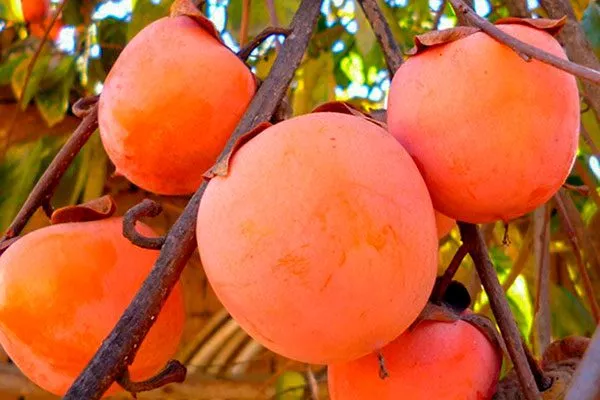
Characteristics of the variety
The average yield can reach 80 kg per plant, which is considered high. Other characteristics of the crop:
- The fruits do not tolerate long-term storage and transportation well, so this variety is more suitable for personal consumption.
- Weber persimmon is self-sterile and requires the presence of other persimmons nearby for pollination. Fruiting occurs 3-4 years after planting.
- The tree has good frost resistance (zone 4, withstands temperatures from -34° to -29°C).

This persimmon variety is widely grown in many countries due to its valuable nutritional qualities and pleasant taste. Persimmon is rich in vitamins and microelements, including:
- vitamins A, C, E, B1, B2, B6;
- potassium;
- calcium;
- magnesium;
- iron;
- other important elements.
Thanks to this composition, it has a beneficial effect on human health:
- strengthens the immune system;
- increases the body's defenses;
- helps to resist colds and infections;
- improves digestion and has anti-inflammatory properties.
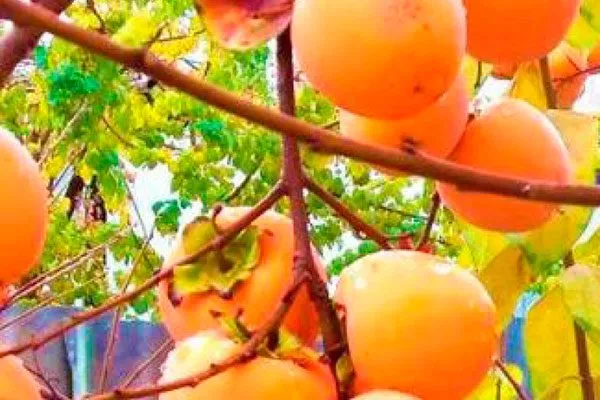
Planting a seedling
Choosing the right planting location is one of the most important conditions for successfully growing Weber persimmon. For optimal growth, the plant prefers the following conditions:
- sunny areas protected from strong winds;
- soils of normal quality, but best of all - fertile and well-drained;
- Places with high groundwater levels are not suitable, as this can cause the roots to rot.
Step-by-step instructions:
- Place a drainage layer of crushed stone or broken brick at the bottom of the hole.
- Fill the hole with a mixture of garden soil, humus and a small amount of mineral fertilizer.
- Place the tree, carefully spread out the roots and cover with soil so that the root collar is at ground level.
- After planting, water the plant generously and mulch the soil around it with peat or sawdust.
Caring for Weber persimmon
Caring for your crops plays an important role – it helps strengthen immunity and improve productivity. Follow standard agricultural practices:
- Watering. The plant requires regular watering, especially during periods of active growth and fruiting. In dry weather, water the tree at least once a week, applying 20-30 liters of water to the roots. Afterward, loosen the soil around it and apply mulch to retain moisture.
- Top dressing. For full development and a bountiful harvest, fertilize the plant several times a season:
- in the spring before the beginning of the growing season – apply nitrogen fertilizers to stimulate growth;
- during the period of flowering and fruit formation – use complex mineral fertilizers with increased phosphorus and potassium content;
- in the fall after harvesting – Use phosphorus-potassium preparations to increase winter hardiness.
- Trimming. This procedure is necessary for proper crown formation, removal of dry and damaged branches, and increased yield. Prune in the spring before the sap begins to flow.
Remove dead, diseased, and crossing branches, as well as shoots by about a third of their length, to encourage the growth of new fruiting branches. Structure the crown to ensure adequate sunlight exposure.

- Protection from diseases and pests. The crop is characterized by strong immunity, but under unfavorable conditions it may be affected by fungal infections and insects.
For prevention, regularly spray the plant with fungicides, and if insects appear, use insecticides, strictly following the instructions and safety precautions. - Preparing for winter. Despite its frost resistance, persimmons require additional winter protection during the first few years after planting. Wrap the trunk in burlap or other covering material. Mulch the soil with a thick layer of peat or sawdust.
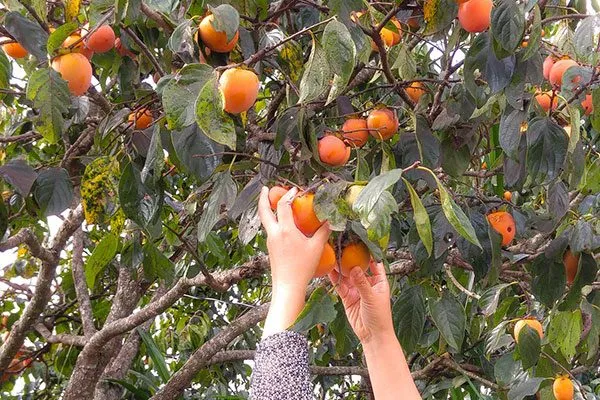
In regions with harsh winters, insulate the crown with spruce branches or other suitable material. - Harvesting. Weber ripens early—in early to mid-September. The fruits are ready for harvesting when they turn a rich orange color and feel soft to the touch. Harvest carefully to avoid damage. Store in a cool place for several weeks.
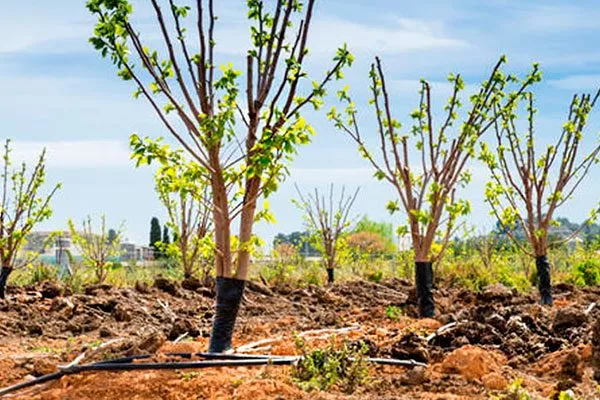
Propagation of Weber persimmon
You can increase the number of seedlings at home. There are three main methods, each with its own advantages.
Seeds
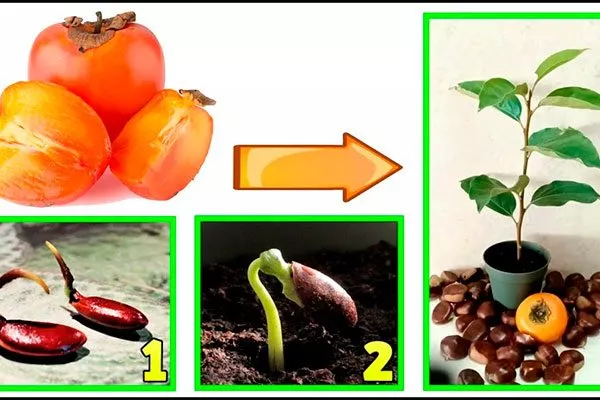
Collect the ripe fruits and remove the seeds. Then follow these instructions:
- Stratify the seeds by keeping them in damp sand for several months at a temperature of +2…+4°C in the refrigerator.
- In spring, sow the seeds in pots with fertile soil. Once the seedlings emerge, water and fertilize them regularly.
- After a few years, transplant the seedlings into open ground.
Cuttings
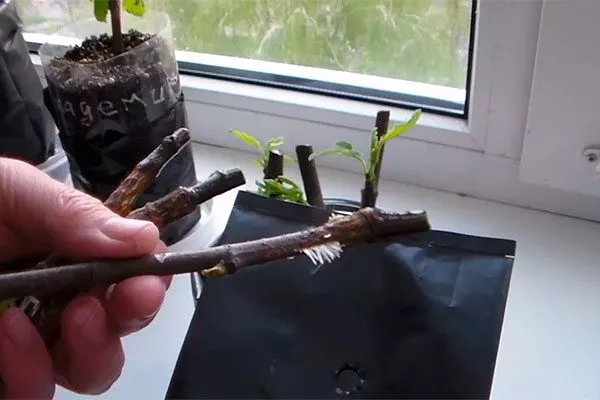
Take 10-15 cm long cuttings from young shoots. Then, proceed to the following:
- Remove the lower leaves and treat the blanks with a rooting stimulator.
- Plant them in pots with damp sand or perlite.
- Create greenhouse conditions by covering the containers with film or glass. Ventilate and humidify regularly.
- After a few weeks, the cuttings will take root, after which transplant them into fertile soil.
By vaccination
Use a rootstock—a persimmon seedling of a different variety that is frost- and disease-resistant. Perform the procedure in the spring, before the sap begins to flow. The main grafting methods are budding, copulation, and cleft grafting.
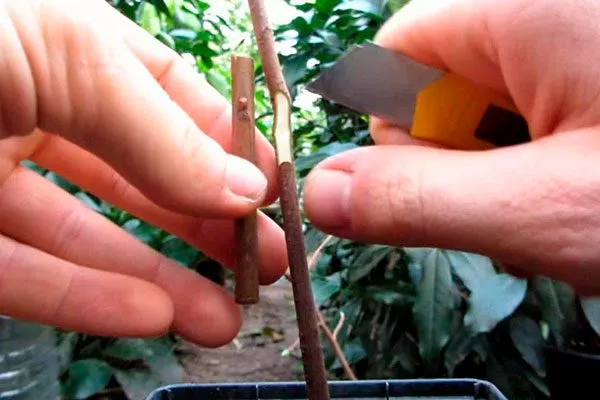
Choose the appropriate method and follow the instructions. After grafting, care for the plant regularly, watering and fertilizing it.
Potential problems when growing Weber persimmon
Various problems can arise when cultivating a crop. It's important to find solutions in a timely manner to ensure the plant continues to grow vigorously and produce fruit.
Fruit shedding
This can be due to a lack of moisture, nutrient deficiencies, disease, and pest attacks. Unfavorable weather conditions are also a frequent factor.
The solution to this problem is simple:
- ensure regular and sufficient watering of the plant;
- carry out timely fertilization;
- Regularly treat the tree against diseases and pests;
- Protect persimmons from strong winds and frosts.
Disease and pest damage
Persimmons are often damaged by various diseases and pests. The most common are:
- powdery mildew;
- anthracnose;
- aphid;
- codling moth, etc.
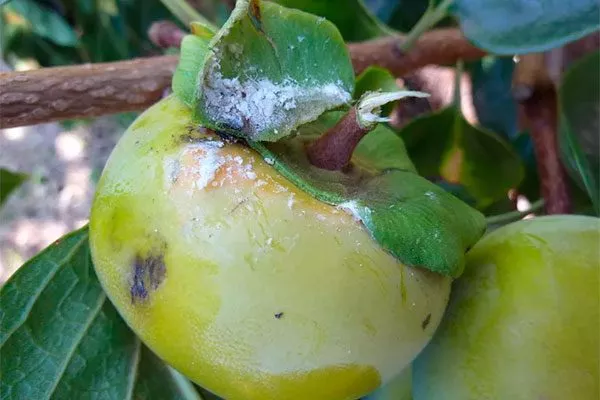
Prevention and treatment:
- Spray the plant regularly with fungicides to prevent fungal diseases;
- If pests appear, use insecticides strictly according to the instructions;
- Observe safety precautions when handling.
Insufficient frost resistance
Despite good frost resistance, Weber persimmon can suffer from severe and prolonged cold, especially in the first years after planting.
Protective measures:
- wrap the tree with burlap or other covering material for the winter;
- mulch the soil around the trunk with a thick layer of peat or sawdust;
- In regions with harsh winters, additionally insulate the crown with spruce branches or other material.
Pros and cons
Reviews
The Weber persimmon is a reliable choice for gardeners seeking a productive and easy-to-grow variety. Its high-quality fruits combine excellent flavor and nutritional value, and its ease of care allows the tree to be grown even in challenging conditions. This variety retains its varietal characteristics during propagation and delivers consistent productivity for many years.