
Persimmon is a fruit tree that delights gardeners with its delicious and nutritious fruits. However, sometimes owners of these trees encounter the problem of dried-out leaves. This phenomenon can signal various problems that require prompt resolution. Dried foliage not only detracts from the tree's appearance but can also lead to reduced yields and even death.
Causes of leaf tips drying out
The drying process often begins at the leaf tips, which can subsequently spread to the entire leaf blade. This is an indicator of various problems requiring immediate attention.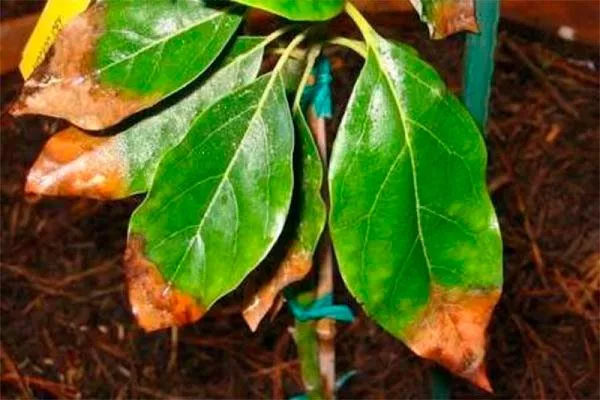
Lack of moisture or overwatering
One of the most common causes of persimmon leaf tips drying out is a water imbalance. Both insufficient and excessive moisture can negatively impact the tree's health and lead to dry tips.
Key Features:
- Without sufficient moisture, persimmon roots cannot obtain enough water to nourish the leaves. As a result, the leaves, especially their tips, begin to dry out, as they are located farthest from the moisture source.
This occurs because the tree directs limited resources to more essential organs, sacrificing peripheral parts. This problem is exacerbated in hot weather and without regular watering. - Overwatering can also cause leaf tips to dry out. When the soil is constantly oversaturated, the roots cannot breathe properly. This leads to root rot and, as a result, to impaired nutrient and water absorption.
As a result, leaves, including their tips, begin to dry out due to lack of nutrition. Overwatering is especially dangerous in heavy clay soils that drain poorly.
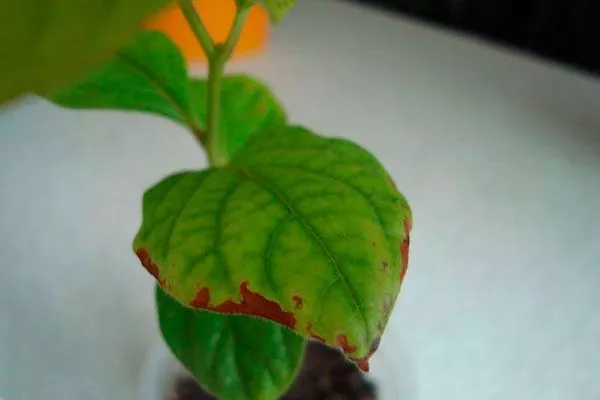
Low air humidity
Persimmon is a plant that doesn't tolerate dry air well, especially in winter when the heating is on. Insufficient humidity causes moisture to evaporate through the leaves faster than the roots can replenish it. As a result, the leaf tips become dry and brittle.
To avoid this, you can use a humidifier, place containers of water nearby, or regularly spray the plant with warm, settled water, avoiding drips on flowers and fruits.
Poor lighting
Persimmons require bright but indirect light. Too much direct sunlight can cause the leaves to overheat and burn, resulting in dry, darkened edges. Insufficient light, however, weakens the plant, reduces photosynthesis, and deteriorates the overall health of the leaves.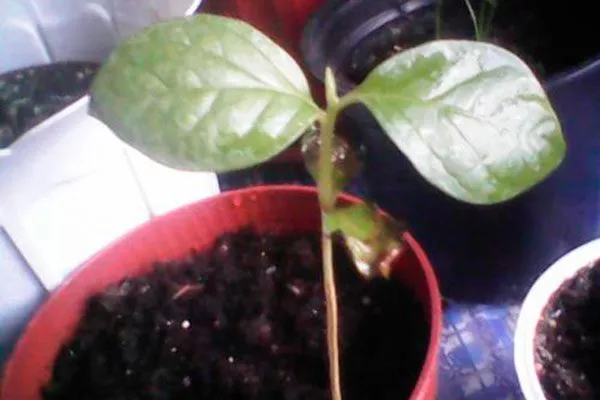
It is optimal to place the plant near windows on the east or west side, and on south windows, shade it during the hours of greatest solar activity.
Pests and diseases
Dry ends can be caused by insect infestation or fungal infections. Common problems include:
- Scale insects, spider mites and thrips They suck the juices from the leaves, weakening the plant, and this affects the condition of the foliage.
- Fungal infections can disrupt the nutrition of the leaf, causing tissue necrosis along the edges.
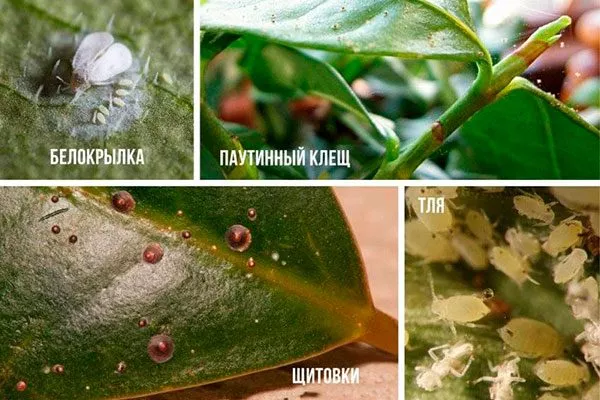
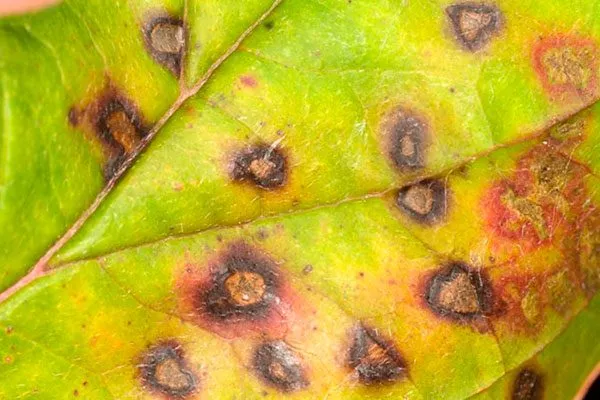
It is important to inspect the plant regularly: at the first signs of parasites, treat with an insecticide, and if you suspect a disease, use fungicides and remove the affected parts.
Lack or excess of fertilizers
An unbalanced diet is another cause of dry ends. A lack of potassium, magnesium, or calcium leads to an imbalance in water levels and weakened cell walls, resulting in dry leaves.
But an excess of fertilizers, especially mineral ones, is no less dangerous: salts accumulate in the soil, damage root hairs and interfere with moisture absorption.
To avoid such problems, it is recommended to feed the persimmon moderately, alternating organic and mineral fertilizers, and also periodically flush the soil with plenty of soft water.
Diagnostic signs
To properly address the problem of dry leaf tips on persimmons, it's important not only to know the possible causes but also to be able to differentiate them. Proper diagnosis allows for timely action and prevents the plant's condition from worsening.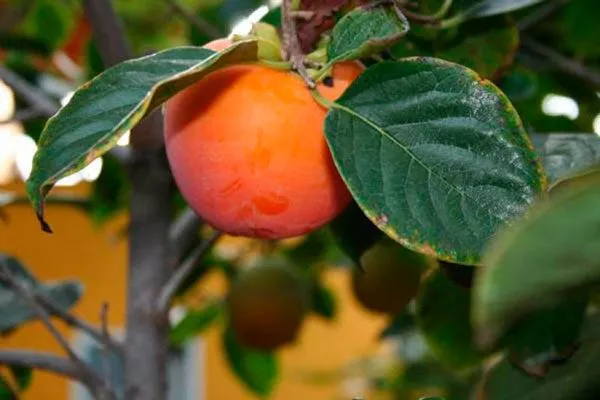
Natural moisture loss or improper care?
Natural drying out can occur on hot days or with a temporary lack of moisture, but the leaves remain green and firm, maintaining their normal shape. If the drying out is due to poor care, the tips gradually darken, become brittle, and affect more leaves.
What should you pay attention to when examining a plant?
When inspecting persimmons, there are several signs to consider. Pay attention to the following:
- Color of leaves. Uniform yellowing along the edges usually indicates a lack of moisture or nutrients, while spotty yellowing indicates disease.
- Structure of the leaf blade. If the leaf becomes soft and wilted, the cause is most likely overwatering or poor soil aeration. A dried-out and brittle leaf indicates dry air.
- Condition of the stem and soil. Rot at the base or an unpleasant odor indicate stagnant water, and a whitish coating on the surface of the soil may indicate an excess of salts.
- Presence of pests. It is worth carefully examining the underside of the leaves and young shoots, where insects most often hide.
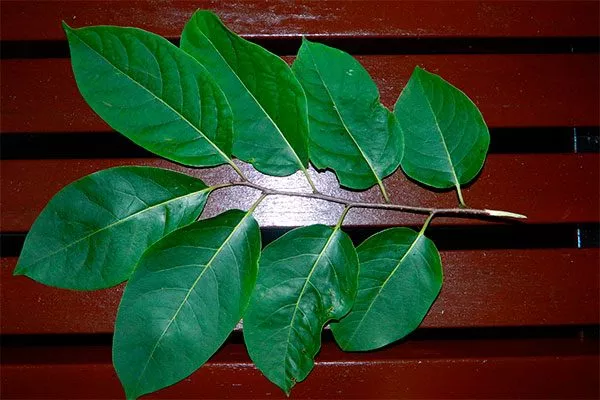
This kind of attentiveness helps to quickly distinguish a temporary phenomenon from a serious problem and choose the right care measures.
Solution to the problem
Dry leaf tips on persimmons are always a consequence of unfavorable conditions or care errors. For the plant to recover, it's necessary not only to address the visible symptoms but also to adjust the overall care. These important steps will help you overcome the problem.
Adjusting watering and maintenance conditions
Persimmon is sensitive to both drought and waterlogging. When the soil dries out, the plant begins to lose turgor, the leaves become stiff, and the edges dry out. Overwatering damages the roots, making them less able to absorb water, causing the leaves to dry out as well.
In this situation, follow these steps:
- water moderately, without waiting for the soil to dry out completely, but also without allowing water to stagnate;
- use water that has been left to stand for at least 24 hours to remove chlorine and excess salts;
- if the soil becomes over-watered, transplant the persimmon into fresh, looser soil, adding drainage;
- Consider the season: in summer the crop requires more moisture, in winter in cool conditions reduce watering.
Setting the required level of air humidity
Dry air often causes the tips of a plant's leaves to suffer first. This is especially noticeable in winter when heating is turned on.
To maintain a comfortable microclimate in a greenhouse or other room, follow these recommendations:
- use a humidifier;
- place the container with the seedling on a tray with wet expanded clay or pebbles;
- Spray the leaves in the morning or evening, but with a fine spray so that no drops remain that could cause burns or fungal spots;
- Place the plant away from radiators, heaters and hot air currents.
Treatment of diseases and pest control
If the drying out is caused by disease or parasites, simply adjusting your care won't help. Follow the instructions
- Pests (spider mites, scale insects, aphids). Leaves turn yellow, and spots or plaque appear. In such cases, first wash off the insects with soapy water or wipe the leaves with a cotton swab soaked in alcohol, then treat the plant with an insecticide. For mild cases, you can use biological products such as Fitoverm.
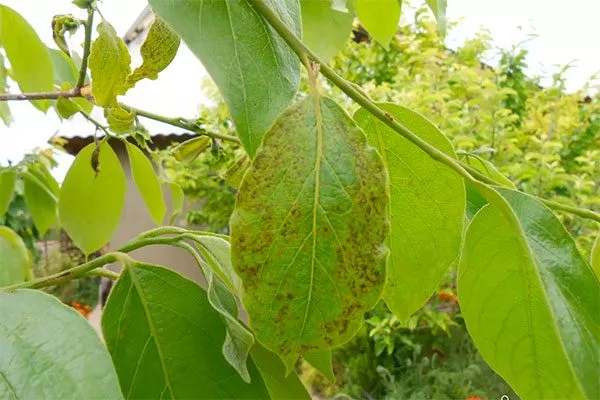
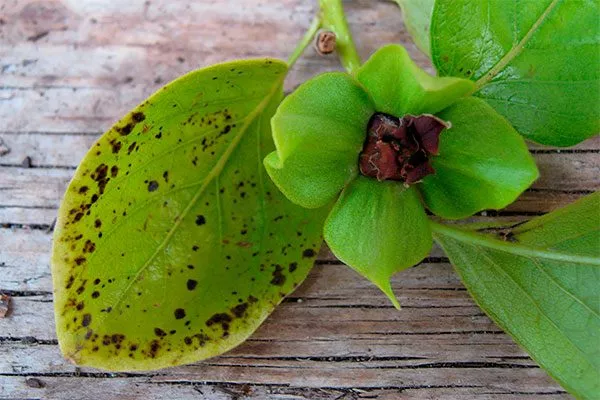
- Fungal diseases (spotting, powdery mildew, gray mold). Spots appear on the leaves, and the edges become dry and brittle. Remove the affected parts and spray the plant with a fungicide such as Topaz or Fundazol.
Removing damaged parts of the plant
Dried leaves and shoots not only spoil the plant's appearance but also hinder its proper development. They continue to drain resources but no longer fulfill their intended function.
Things to consider:
- use sharp, disinfected pruning shears or scissors;
- cut off only those leaves that have completely lost turgor and are more than half dry;
- It is better to prune in the first half of the day so that the wounds dry out faster;
- After removing the damaged parts, apply a light fertilizer to stimulate the formation of new healthy leaves.
Prevention of repetitions
To prevent the problem of dry leaf tips on persimmons from recurring, it's important not only to address the root cause but also to establish a proper care system. Regular monitoring and preventative maintenance will help keep the plant healthy year-round.
Persimmon care recommendations
Regular monitoring of the plant allows you to notice changes early and prevent them from developing. Follow these recommendations:
- Inspect the leaves regularly for signs of drying, spotting, webbing, or plaque.
- Check the soil before each watering to avoid either over-drying or over-watering.
- Monitor the level of air humidity, especially in winter when the radiators are on in the room.
- Periodically clean the leaves from dust with a damp soft cloth so as not to disrupt the process of respiration and photosynthesis.
How to prevent relapse?
To prevent this problem from recurring, persimmons require systematic care that takes into account their biological needs. Follow these guidelines:
- Maintain a stable watering and humidity regime.
- Provide proper lighting: bright, diffused light without prolonged exposure to direct sunlight.
- Apply fertilizer sparingly, alternating organic and mineral fertilizers to avoid soil salinization.
- Use a good quality, loose substrate with good drainage.
- Carry out preventative treatments against pests with biological agents in early spring and autumn.
These simple measures will help prevent the recurrence of dry ends and maintain a decorative appearance.
Frequently Asked Questions
Gardeners often encounter the problem of dry leaf tips on their persimmon trees. Below are the most common questions and answers to help you understand the cause and find the right solution.
Why do only the tips of my persimmon leaves dry out?
Most often, this is due to a water imbalance—either the roots don't have enough moisture, or too many salts have accumulated in the soil. Dry indoor air can also be a cause.
If the leaves remain green and firm, but only the edges dry out, this is not always dangerous, but it does indicate that the conditions need to be adjusted.
Is it possible to save leaves with dried edges?
It's impossible to completely restore damaged areas: dry tissue won't revive. However, the process can be stopped. To do this, adjust watering, increase humidity, and fertilize if necessary.
How do you know if the problem is disease or pests?
In addition to dry leaf tips, disease and pest infestations can also cause additional symptoms: spots, plaque, webbing, and stickiness. If only the edges are dry without other symptoms, the plant's growing conditions are likely to be the cause.
At the slightest suspicion, it is worth carefully examining the plant and, if necessary, treating it with a fungicide or insecticide.
Do I need to change the soil if the leaves start to dry out?
Yes, in some cases this is beneficial. If the cause is soil salinity or waterlogging, repotting into fresh, loose soil with drainage will help the plant recover more quickly.
In this case, it is worth using a lighter substrate, to which sand, perlite or vermiculite has been added.
What are the most effective preventative measures?
To avoid a recurrence of the problem, follow these helpful tips:
- maintain a stable watering regime;
- humidify the air in the room;
- use soft, settled water;
- Feed moderately, avoiding excess fertilizer;
- Inspect the plant regularly for diseases and pests.
Do I need to spray persimmons if the tips of their leaves dry out?
Yes, but proceed with caution. This procedure helps increase air humidity and alleviate the plant's condition, but it's important to use only soft, settled water at room temperature.
Drops should not run down the leaves or accumulate, as this can cause fungal diseases. It's best to spray with a fine mist in the morning or evening, when there's no bright sun.
Could drying leaves be due to improper lighting?
Yes, lighting directly affects the plant's health. If there's insufficient light, persimmons' photosynthesis is impaired, and their leaves weaken and begin to dry out. On the other hand, if the sun is too bright, the leaves may burn, especially along the edges.
Dry tips on persimmon leaves are a common problem faced by gardeners when growing the plant. At first glance, dry edges may seem like a minor defect, but they actually indicate poor care or unfavorable conditions. If left untreated, this symptom can weaken the plant.