
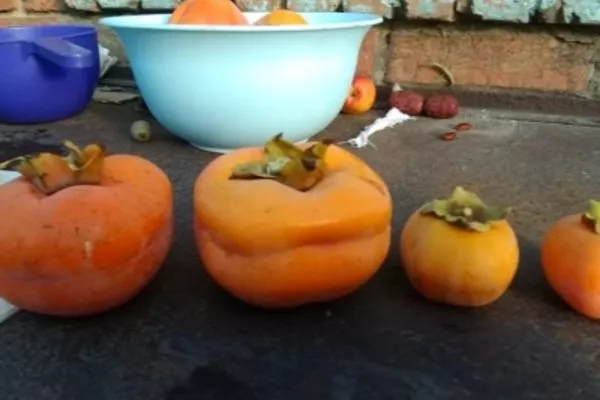
Tamopan Bolshoi is the name of a mid-season variety of oriental persimmon, characterized by excellent yields, shade tolerance, and winter hardiness, and is easy to care for. Its signature feature is its large, interestingly shaped fruits, which have a caramel-sweet flavor when overripe.
Description of the variety and characteristics
This variety of fruit has long been familiar to Russian gardeners. Its origin is considered to be Japan. It belongs to the oriental type. It has enjoyed popularity for many years, holding its own against other varieties of this sunny fruit.
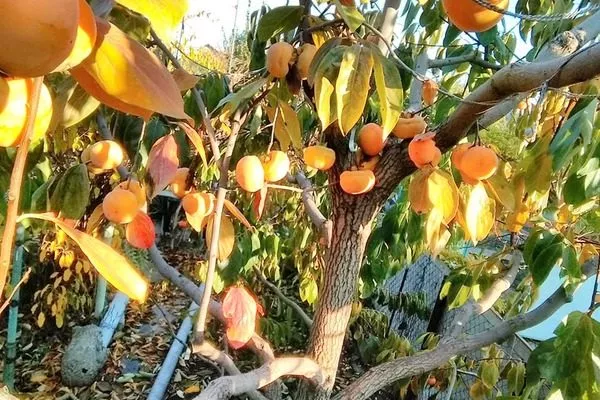
The Tamopan major tree is characterized by medium growth. Its appearance is described as follows:
- height — 3-5 m;
- crown: spreading, well-foliated;
- foliage: large, glossy green, lush.
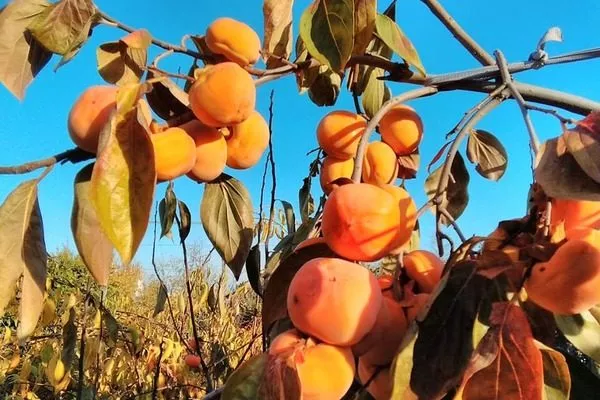
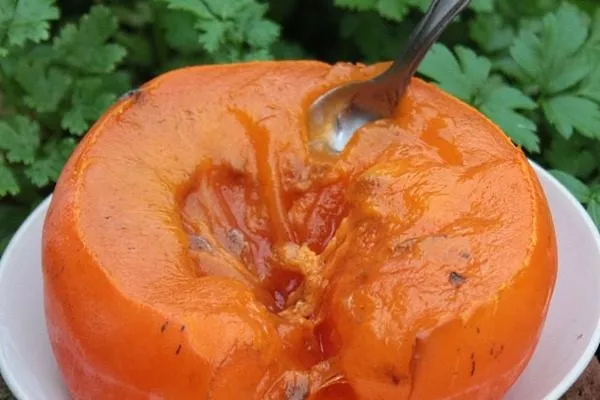
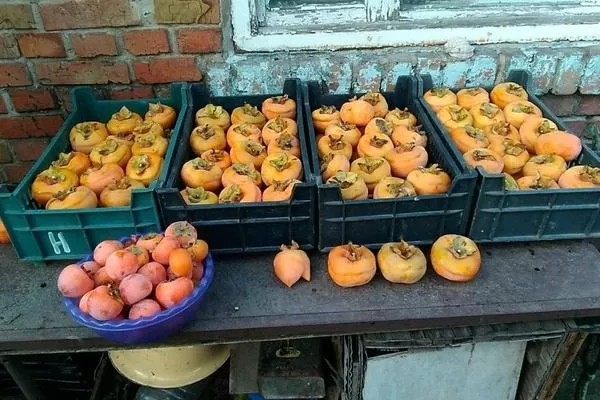
Plants of the Japanese variety produce large quantities of persimmon fruits, a somewhat unusual appearance for a persimmon. Their shape resembles a champignon or acorn. They are flattened at the top and bottom, with a longitudinal dent in the center. The fruits are characterized by the following external features:
- weight — from 155 g to 300 g (when grown in the south of the country, the weight of the fruit can reach 550 g);
- large size —the diameter ranges from 6 to 10 cm;
- coloring - rich, orange (when ripe);
- pulp - juicy, aromatic, melt-in-your-mouth.
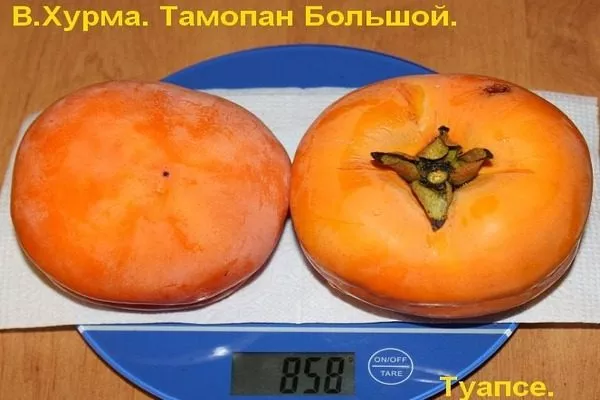
The taste of the oriental persimmon is very good. It's sweet as honey, with a slight tartness. Fruits harvested after frost or ripened in storage develop an even more sugary flesh, developing a delightful caramel flavor.
The fruits of this Japanese variety can be used to make jam, pudding, syrup, marmalade, or jelly. Unripe astringent fruits are frozen to enhance their flavor, and are also preserved, stuffed, served dried with tea like candy, or used to make compote.
This garden variety is a mid-season persimmon with consistently high yields. Its main technical characteristics are as follows:
- flowering period: May-June;
- harvest - October-November;
- productivity of 1 adult tree is 89-90 kg.
The Tamopan persimmon is distinguished by its self-fertility. It doesn't require trees of other varieties for cross-pollination to produce abundant fruit. It reaches productive maturity at three or four years of age, after which it produces abundant harvests annually.
Fruits of this variety are distinguished by good transportability and shelf life (up to 3 months in a cool room, provided they are carefully picked).
This fruit crop delights domestic gardeners with its unpretentiousness and increased endurance:
- it can withstand temperatures down to -35°C (with proper preparation for wintering);
- can grow on any soil, including poor soil;
- adapts perfectly to any growing conditions.
Thanks to its good frost resistance, this Japanese variety can be grown in many regions of the Russian Federation, including areas with cold winters. The variety shows best results when grown in the south.
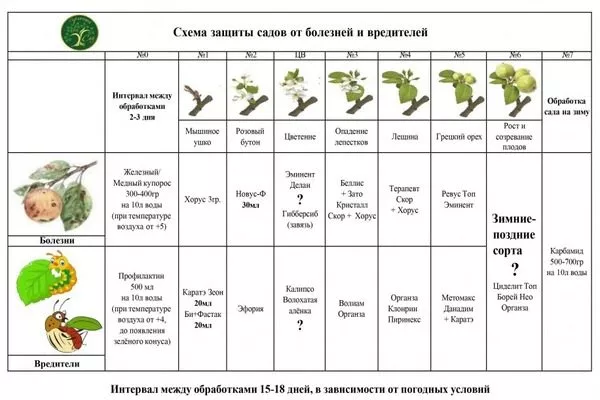
Tamopan large is moderately resistant to diseases and pests. It requires preventative treatments and pest control to prevent problems.
Planting and growing conditions
This fruit crop, originally from Japan, grows and develops well in areas that meet the following requirements:
- sunny (in the shade, persimmon trees bear fruit less well, the harvest is smaller and less tasty);
- protected from drafts and strong gusts of wind;
- elevated, without close groundwater levels (they must be at a depth of at least 1 m from the earth’s surface);
- located in the southern or southeastern part of the garden.
Persimmon cultivars are undemanding when it comes to soil conditions. They can thrive even in clayey or poor soil. Feel free to plant them in areas with normal-quality loam or black soil. The tree thrives especially well in soil with the following characteristics:
- loose;
- air- and water-permeable;
- fertile;
- characterized by neutral acidity (6.0-6.5 pH).
When purchasing planting material from a nursery, choose a two-year-old tree with well-developed roots, strong, and healthy. It should be free of damage, disease, and insect infestation.
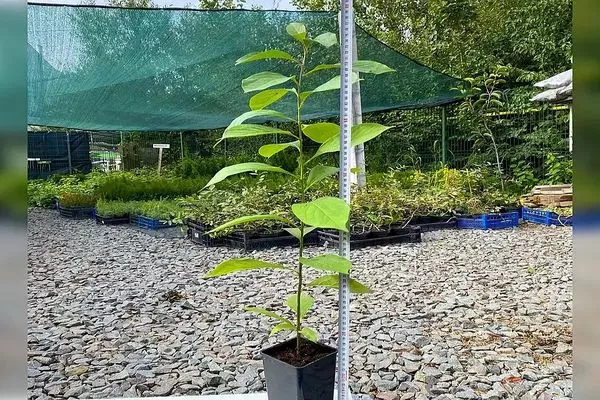
Plant the Tamopan persimmon in your garden in the spring. Soak the bottom of the persimmon in water the day before planting. Then follow these step-by-step instructions:
- Dig a planting hole. Make it large enough to accommodate the root mass. The minimum dimensions are 60 x 60 x 60 cm. If the soil is heavy, increase the depth to 80 cm.
When planting in groups, maintain a distance of 3-5 m between holes. Allocate at least 8 square meters of space per plant. - Line the bottom of the hole with a layer of pebbles, expanded clay or broken brick.
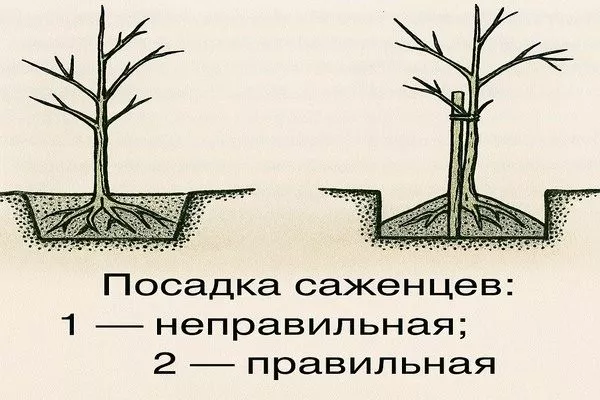
- Partially fill it with garden soil mixed with humus or compost. Form a mound out of the resulting mixture.
- Place the seedling at the top of the mound. Carefully spread out the roots. Cover them with soil, burying the root collar 5-7 cm deep.
- Drive a stake into the hole to provide support for the young persimmon tree.
- Water the plant generously with lukewarm water. Use at least 20-30 liters.
- Mulch the soil around the tree trunk with straw or hay to better retain moisture.
Provide the planting of the Tamopan major with proper care, which includes the following mandatory measures:
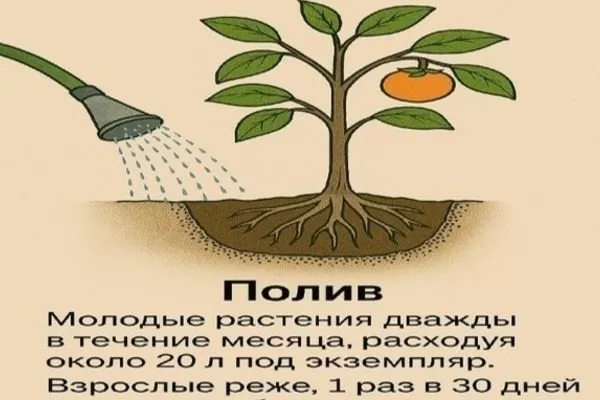
- WateringFruit crops require adequate watering, especially on hot and dry days. Water regularly and moderately, avoiding overwatering or waterlogging.
Water young plants at least 2-3 times a month, using 20-30 liters of water per trunk. Mature trees require less frequent watering—once every 3-4 weeks, maintaining a rate of 80-100 liters per plant. Use river water or rainwater, heated in tanks in the sun.
- Loosening and weedingDon't neglect the tree's trunk area. Loosen the soil after watering to prevent a dense, air-impermeable crust from forming on the surface. Remove weeds while doing this. Cover the soil with a layer of organic mulch.
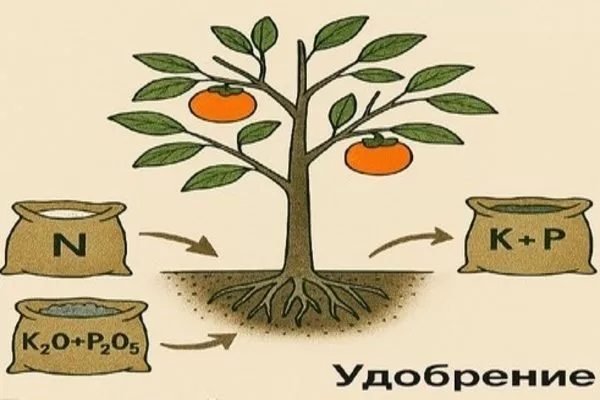
- FertilizationFeed your fruit tree several times during the season to maximize yields.
In spring, when the buds are opening, use a nitrogen-rich fertilizer (urea or mullein solution).
During flowering and fruiting, choose potassium-phosphorus fertilizers, such as superphosphate or potassium sulfate. Apply them dry (spread evenly under the persimmon tree and work into the soil to a depth of 7 cm, then water).
After harvesting, repeat the application of the same fertilizers. The tree requires potassium and phosphorus in the fall to increase its winter hardiness.
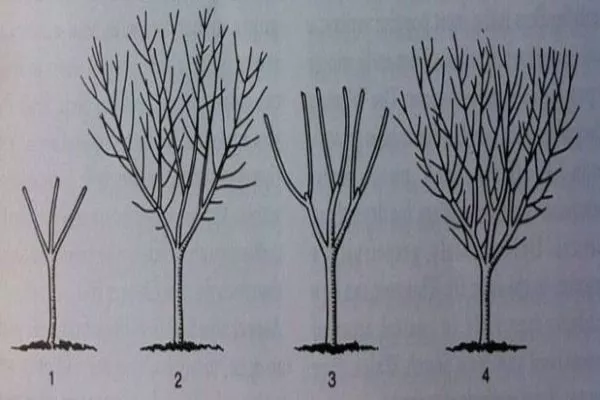
- TrimmingThis variety requires shaping to create a beautiful crown, which should be done especially carefully during the first few years of life.
Immediately after planting, shorten the central stem to 80 cm to encourage branching. The following year, prune the top and side shoots that exceed 50 cm in length. Remove branches that crowd the top of the tree or grow irregularly. In subsequent years, thinning the crown to maintain its shape will be sufficient.
Persimmon also requires sanitary pruning, which involves removing dry, damaged, broken, frozen branches, and those that show signs of disease or damage by harmful insects.
- Preventive treatmentsThe variety has average resistance to infections. To prevent disease, treat the tree with solutions of pesticides (Fitosporin-M, Mukosan, Ridomil Gold) or Bordeaux mixture before flowering.
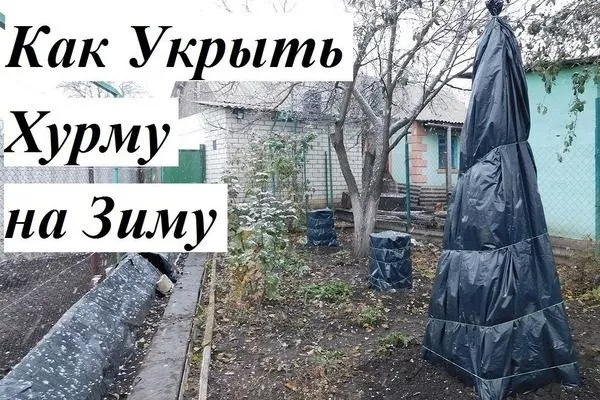
To combat pests, spray the crown with insecticides or folk remedies such as tobacco infusion. - Preparing for winterAlthough the Tamopan persimmon has good cold tolerance and can grow in a variety of climates, it still requires adequate insulation to protect it from severe frosts. This is especially true for young plants and those not grown in mild, warm climates.
In late fall, mulch the tree's trunk area thoroughly with peat or humus (5-7 cm thick) to protect the roots from freezing. Wrap the tree in burlap or a non-woven material like spunbond, or build a frame shelter.

To protect against rodents, wrap the trunk with metal mesh.
Reviews
Tamopan Bolshoi is a Japanese persimmon variety beloved by Russian gardeners for its large fruits, consistently high yields, tolerance to cold and shade, and excellent consumer qualities. It thrives especially well in the south of Russia, where gardeners manage to grow the sweetest giant fruits, weighing up to 0.5 kg.