
Persimmon pruning is a key part of caring for this fruit tree. Proper pruning helps create a strong crown, improve the quality and quantity of the harvest, and extend the life of the plant. Although seemingly simple, this procedure requires knowledge of the rules and regularity to ensure the tree produces fruit for many years to come.
Why does persimmon need pruning?
The plant requires regular pruning—once a year in spring or fall. This involves removing weak, damaged, and old shoots.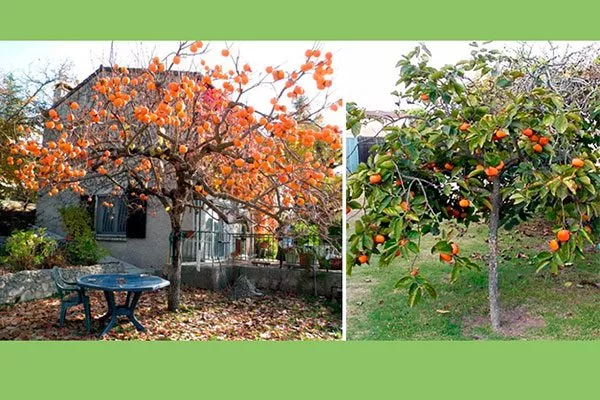
Pruning allows you to achieve several goals at once:
- stimulates the growth of new shoots;
- promotes uniform development of the crown and root system;
- maintains stable yields;
- helps to form the crown, including its thinning;
- ensures tree stability by evenly distributing the load between the branches.
Types of persimmon pruning
There are several types of pruning, each serving a specific purpose at different times in a tree's life. Formative, sanitary, and rejuvenating pruning help maintain the plant's health, create a strong crown, and extend the period of active fruiting.
Rejuvenating
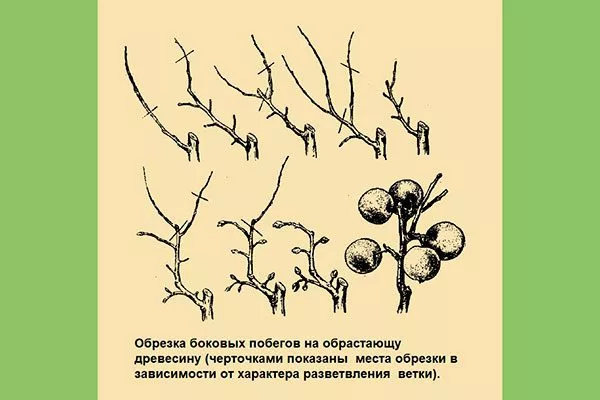
Perform this procedure on mature trees once every 2-3 years. Begin this procedure only after the young shoots have finished actively growing. The main goal is to remove old, weak, damaged, or poorly producing branches. Don't cut them off completely; leave a few buds to allow new shoots to develop from them.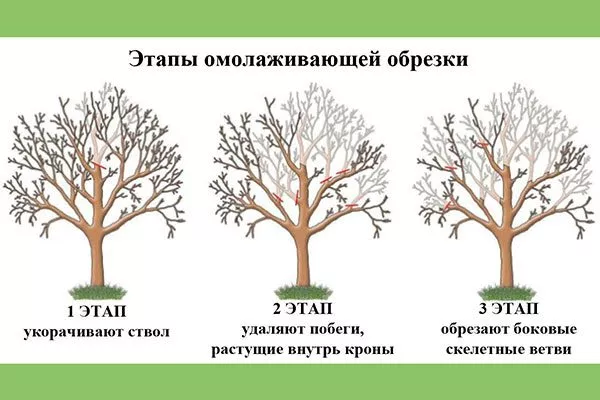
Carry out the procedure in stages, preferably in the spring:
- At the first stage Remove the old branch on the south side, while shortening the young shoots by about a third of their length.
- In 2-3 years proceed to the second haircut - also from the south side.
- Another year later Perform similar actions on the north side.

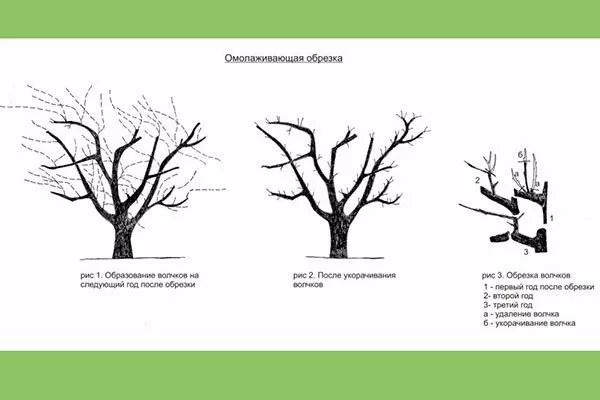
This phased approach allows for gradual rejuvenation of the tree without causing it significant stress. As a result, the crown renews itself evenly, the lower tiers receive more nutrients, and the persimmon's productivity increases.
Formative
Begin structuring the plant in the second year after planting. The optimal time for this procedure is spring, although fall pruning is also acceptable.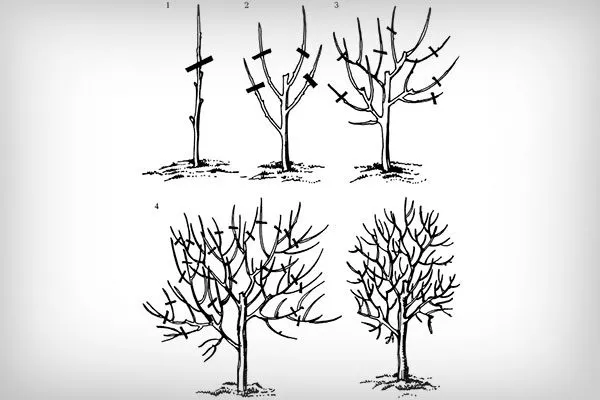
Carry out the activities in stages:
- First year: shorten the tallest shoot to 80 cm, and leave the side branches unchanged.
- Second year: Cut all skeletal branches to 40 cm, laying a strong foundation for the crown.
- Third year: Begin regular formative pruning: thin out the crown, removing inward-facing shoots. Don't touch the young skeletal branches, as they provide stability to the tree.
Sanitary
In addition to formative and rejuvenating pruning, persimmons also require sanitary pruning. This involves removing dry, diseased, damaged, or overcrowded branches that interfere with the development of fruiting shoots.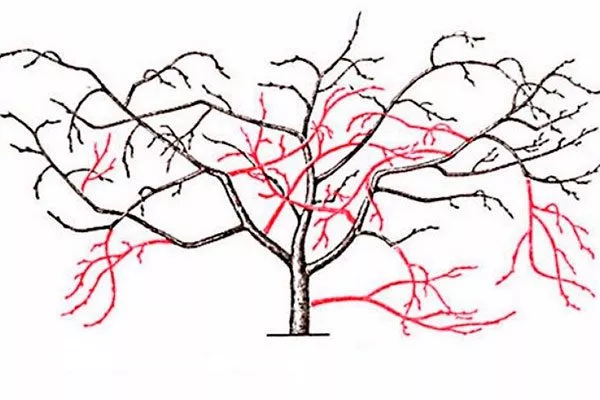
This preventative measure helps prevent the spread of diseases and maintain the tree's health. If pruning is too severe, the tree may not bear fruit this season—all its energy will be spent on recovery. Therefore, perform sanitary pruning carefully, without overloading the plant.
Basic rules for pruning persimmons
Now that you have healthy seedlings, it's time to master the basics of pruning. Below is a step-by-step guide to help you approach this important procedure with confidence:
- Assess the condition of the tree. Before pruning, carefully inspect the plant. Assess its vigor, crown structure, and the presence of dead, damaged, or diseased branches. This will help you determine which parts need to be removed and which should be preserved.
- Determine the pruning plan. Consider which branches need to be removed. Typically, remove old, weak, damaged ones, or those growing inward. This will improve ventilation and light, reduce the risk of disease, and stimulate the growth of new shoots.
- Remove branches correctly. Work carefully and slowly. Make cuts at an angle of about 45 degrees to prevent moisture from lingering at the cut site and promote faster healing. Don't remove all branches; try to leave a few buds to encourage new growth.
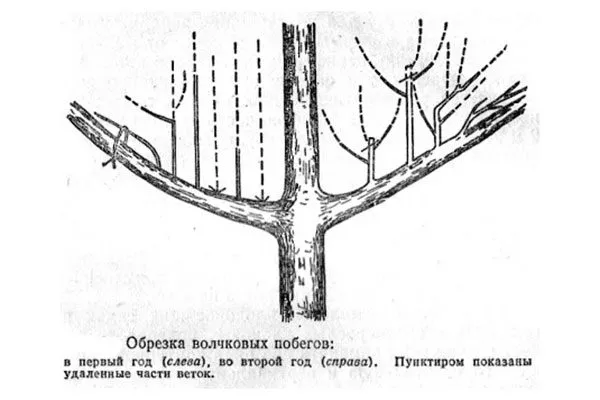
Proper pruning is the key to creating a strong, productive and long-lived tree.
When is the best time to prune persimmon?
Trim persimmons either in early spring or late fall. Since the tree is grown primarily in the southern regions of Russia, the optimal timing is as follows:
- in the spring – in the first half of March, before the buds begin to swell;
- in autumn – at the end of October, approximately 3-4 weeks before the onset of stable frosts.
Outside of these periods, pruning is not recommended. However, in exceptional cases, it is permissible to remove damaged shoots or foliage in the summer if they are broken by wind or affected by disease.
What tools are needed for pruning?
To ensure the event is successful, it is important to prepare garden tools by disinfecting them with a 1% potassium permanganate solution, rubbing alcohol, or any other antiseptic. This will reduce the risk of tree infection.
To prune persimmon branches, use standard garden tools:
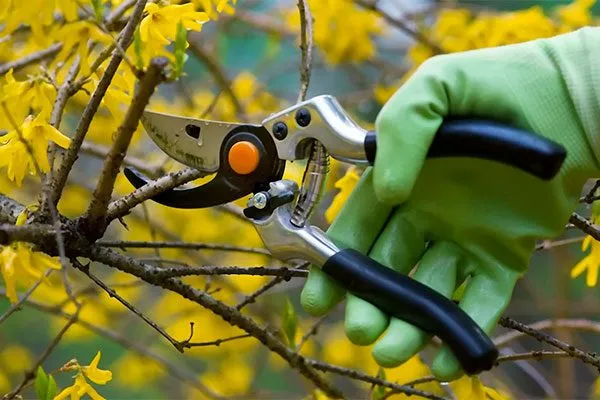
- Secateurs. It's the most convenient to use and can handle a variety of tasks. Choose models with a single-sided sharpening: a sharp blade ensures a clean cut and reduces the risk of damaging the branch tissue.
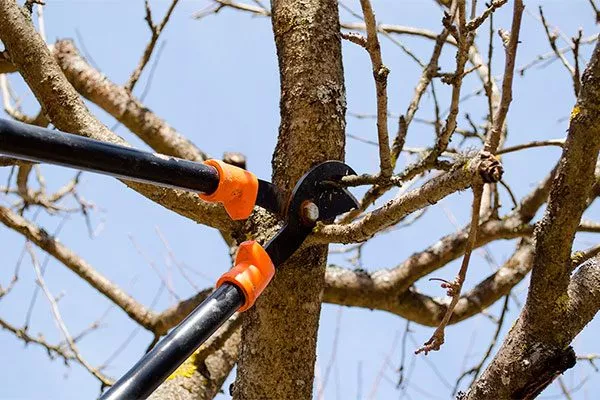
- Loppers. It's very convenient for structuring pruning to shape and thin out the crown. This tool makes it easy to remove old, woody shoots during rejuvenation.
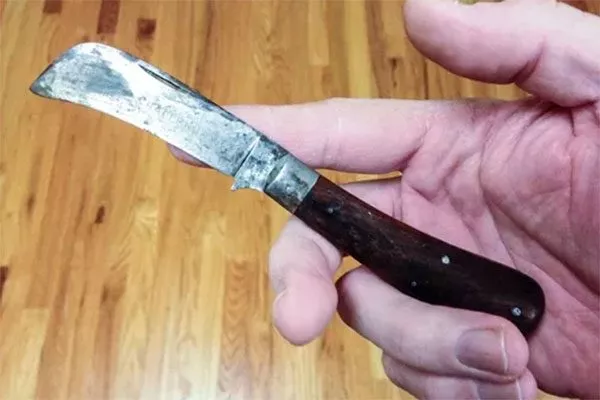
- Garden knife. Necessary for cutting thin shoots and leveling out uneven areas after working with pruning shears.
How to prune persimmon in autumn?
Fall pruning of persimmons is an important procedure that prepares the tree for winter and lays the foundation for a future harvest. Perform this procedure in late October, approximately 3-4 weeks before the onset of sustained frost.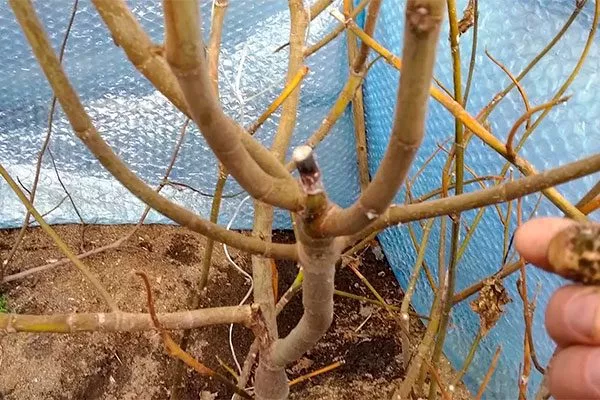
Key recommendations:
- The air temperature should be stable, no lower than +5°C. Avoid rainy and damp weather, as this increases the risk of fungal infection of the cuttings.
- Remove dry and frostbitten branches, diseased and damaged shoots, and those that grow inward into the crown or rub against each other.
- If the tree is 2-5 years old, correct the crown's shape in the fall: shorten overly long side branches and remove shoots that deviate from the overall shape. Avoid touching the main skeletal branches—such interventions are best performed in the spring.
- Cover cuts with a diameter of more than 2 cm with garden pitch or a paste based on copper sulfate.
How to prune persimmon in spring?
In the spring, after winter has ended, prune your persimmon according to a specific schedule. Follow these rules:
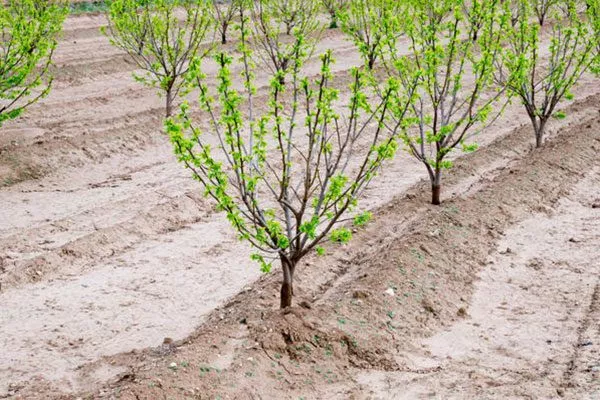
- One year after planting Shorten the main (central) shoot to a height of no more than 80 cm. This promotes uniform development of roots and branches, ensuring the stability of the tree.
- In the second year Form 3-4 skeletal branches, placing them at an equal distance from each other.
- On thin shoots leave 5 buds on each bud, and 2 on each skeletal bud.
First pruning after planting
During the first few years of the persimmon's life, shape its crown by pruning. Perform the first pruning procedure in the first year after planting.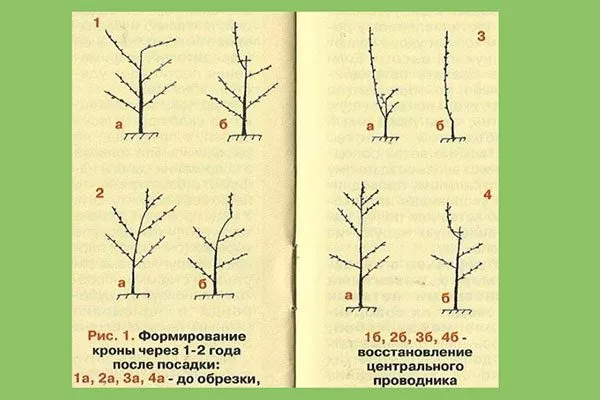
Experienced gardeners recommend using modified leader pruning, which promotes good strength and optimal light exposure for the branches. In the first year, shorten the central shoot to approximately 1 m, leaving no more than three secondary branches 30-35 cm long.
Processing of cuts
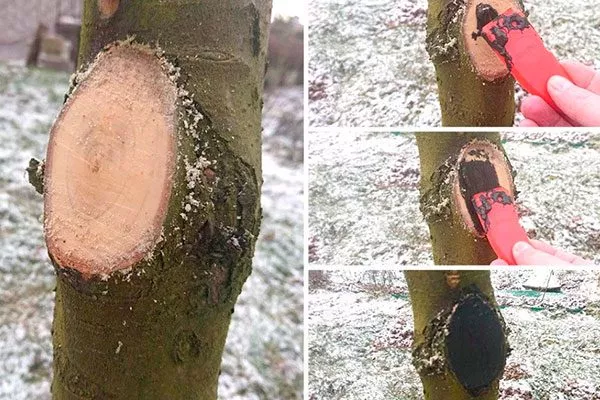
After spring pruning, wounds remain on the branches that must be treated. Follow these guidelines:
- First, carefully clean the cuts with a knife.
- Then, cover the wounds with special products available at gardening stores. It's best to apply the product with a clean brush or spatula.
Why is it necessary to ration persimmons and how to do it correctly?
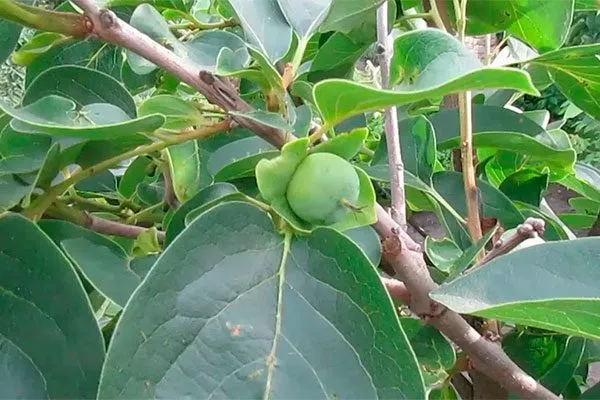
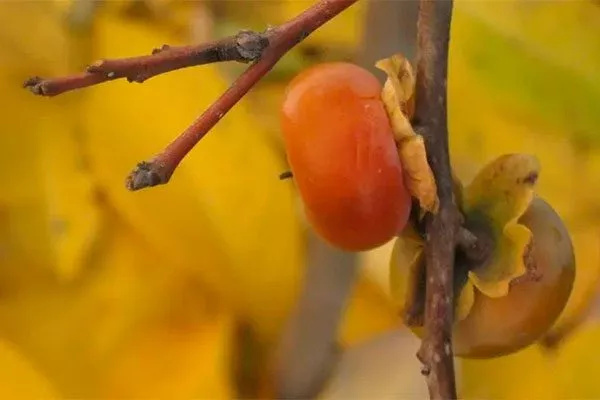
Persimmon rationing is the process of regulating the number of ovaries and fruits on a tree to improve crop quality and plant health. This procedure is necessary for several reasons:
- Increasing the size and taste of fruits. By reducing the number of fruits, the tree directs more nutrients to the remaining specimens, which improves their quality and size.
- Crop stability. Regular pruning helps avoid excessive stress, which can lead to weakening of the tree and reduced yield in subsequent years.
- Preventing branch breakage. Excess fruit increases the weight of the branches, which can lead to their breakage, especially in windy weather or snowfall.
- Improving ventilation and illumination of the crown. Removing excess fruit allows for better ventilation and light penetration, which reduces the risk of disease.
How to properly standardize persimmons:
- Choose the right time. It is optimal to carry out thinning 2-3 weeks after mass flowering, when the ovaries have already formed, but the fruits are still small.
- Remove small and damaged ovaries. Leave only healthy and well-placed fruits.
- Keep distance between fruits. The distance between the remaining berries on the branch should be at least 15-20 cm.
- Leave an equal amount of fruit on different branches and tiers. This will help to evenly distribute the load on the crown.
- Don't overdo it. Remove only excess fruit to avoid depriving the tree of its harvest.
Proper persimmon rationing is the key to the tree's robust health and a high-quality, abundant harvest.
Errors and their consequences
Persimmon pruning is a simple process, but it requires consistency and a thoughtful approach. It's done annually, with the desired crown shape determined in advance and several main branches identified to distribute the load evenly.
To ensure a good harvest from your tree, it's important to avoid mistakes, especially those often encountered by inexperienced gardeners:
- Formative pruning begins in the first year after planting. Don't rely on the tree taking its desired shape on its own. Persimmon fruits are quite large (weighing 120-150 g), and without a symmetrical, strong crown, the branches won't support their weight and may break.
- When selecting skeletal branches, choose those that branch off from the main trunk at a moderate angle. Branches with a sharp angle tend to break off over time under the weight of the fruit.
- Old shoots are not completely removed; at least two buds are left on them so that the plant can rejuvenate and produce new growth.
- After pruning, all cuts should be treated: sealed with garden pitch or sprinkled with charcoal or activated charcoal. You can also use specialized products, such as a copper sulfate solution.
This will protect the tree from infection and winter damage. The exception is summer pruning, when no treatment is required. - Removed branches and leaves must be collected and burned, as they may harbor overwintering pests. Afterward, the tree is treated with a fungicide, such as 1% Bordeaux mixture, the area around the trunk is sprinkled with ash, and the tree is watered generously.
- To protect the root system, it's helpful to mulch the soil under the tree with sawdust, peat, or straw. Even in warmer regions, persimmons should be slightly insulated for the winter.
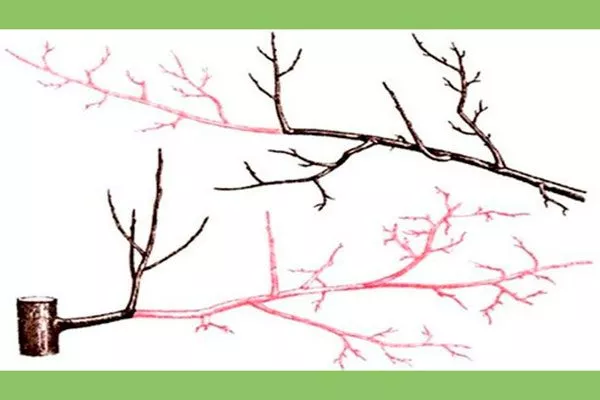
It's important to remember that fruit forms on the current year's shoots. Therefore, when pruning, it's important to properly manage the growth of new branches—they should be pruned further during the period of active fruiting.
Helpful Tips
Pruning persimmons helps create a strong tree, improve its yield, and extend its lifespan. Proper and timely pruning strengthens the crown, prevents branch breakage, and improves the quality of the fruit.
Helpful tips for pruning persimmon:
- Start shaping the crown from the first year of life. The sooner you begin to properly guide the tree's growth, the stronger and more stable its structure will be.
- Prune annually. Regularity is the key to healthy and productive persimmons. This work is best done in the spring before the buds swell or in the fall, 3-4 weeks before the first frost.
- Remove diseased, dry and damaged branches This will help prevent the spread of diseases and pests.
- Make branches at the optimal angle. Branches growing at an angle of 45-60° to the trunk are less susceptible to breakage under the weight of the fruit.
- Leave at least two buds on old shoots. This will ensure the emergence of new young branches and help rejuvenate the tree.
- Process the cuts. After pruning, be sure to protect the wounds with garden pitch or special preparations to prevent infections and frost.
- Don't overdo it with removing branches. Do not remove more than 25-30% of the crown at one time to avoid weakening the tree.
- Collect and destroy cut branches and leaves. This will protect the plant from overwintering pests.
- Treat the tree with fungicides and mulch the trunk circle. Bordeaux mixture, wood ash and mulch will help maintain healthy roots and protect against diseases.
Following these recommendations will make the persimmon pruning process simple and effective, and the tree will be healthy and highly productive.
Questions and Answers
This section contains the most common questions gardeners have about caring for persimmon trees, as well as explanations and tips on proper pruning. The most common questions include:
In addition, persimmon fruits are quite heavy, and without proper pruning, branches can break, which over time will lead to the destruction of the crown and weakening of the tree.
It is important to make the cut correctly so that enough buds remain on the branch for further growth of new shoots.
Rejuvenation pruning aims to renew aging branches. The pruning is done so as to leave a few buds for new growth. It is usually carried out in two stages: first, the branches on the south side are pruned, shortening even the small shoots, and after 2-3 years, the procedure is repeated on the north side. This gradual approach allows for crown renewal without causing significant stress to the tree.
To ensure the persimmon tree's robust health and consistent fruiting, regular and proper pruning is essential. Even novice gardeners can easily manage this task, provided they strictly follow the rules. This will help avoid common mistakes and ensure the procedure is carried out correctly and carefully. Taking care of the tree's crown today means a bountiful and high-quality harvest tomorrow.