
The Sosnovskaya persimmon is a hardy, self-fertile variety. It adapts well to the conditions of the temperate zone. Large, bright red fruits with firm flesh have a rich, slightly tart flavor. This versatile variety is suitable for both fresh consumption and processing. With proper care, it yields generous harvests.
Description of the variety and characteristics
The tree is tall – it grows up to 2.5-2.8 m. Distinctive features of the plant:
- crown – wide, spreading, giving a decorative and expressive appearance;

- trunk – straight and powerful, provides resistance to wind and other weather conditions;
- leaves - dense, elongated and richly green in color, contrasting beautifully with the bright fruits;
- fruits – large, weighing about 90-100 g;
- form - rounded or slightly elongated;
- shade – bright red;
- skin – thin, with a light waxy coating;
- pulp – dense, has a characteristic taste similar to oriental persimmon, and a slight astringent note.
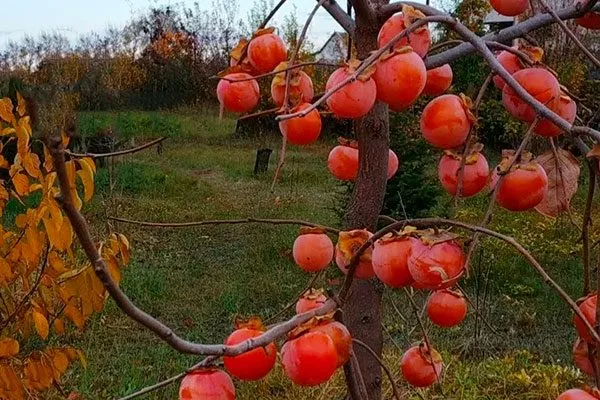
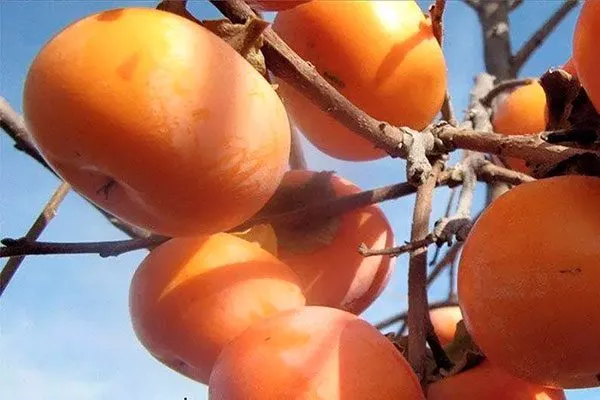
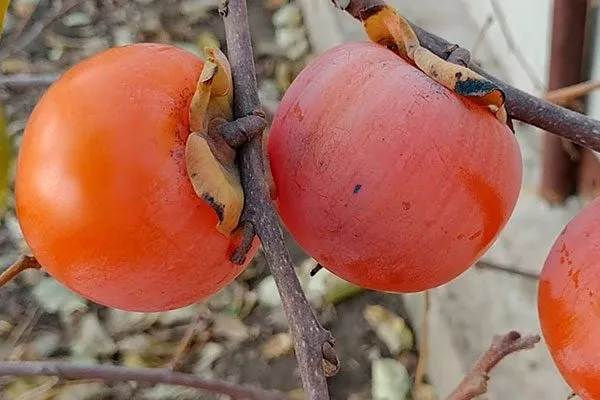
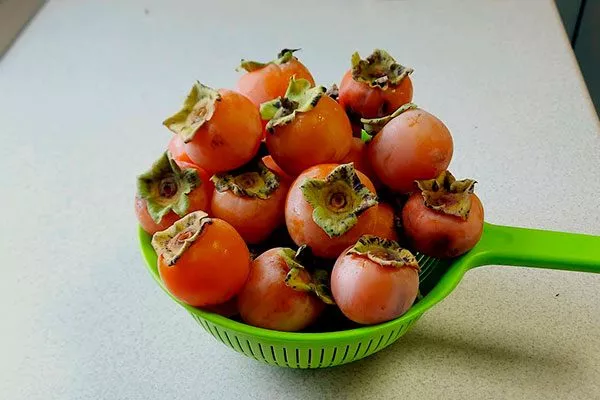
The variety begins bearing fruit in the fourth year after planting. Harvesting occurs in mid-October, when the fruit is fully ripe. The tree is characterized by good productivity – up to 100 kg per tree per season. Sosnovskaya is self-fertile, so it does not require additional pollinators.
Planting and growing conditions
Choose a well-lit location protected from drafts and northerly winds—a south or southwest-facing site is best. The soil should be light, loose, and neutral or slightly acidic (pH 6-6.5). Loamy or sandy loam soils with good drainage are suitable for planting.
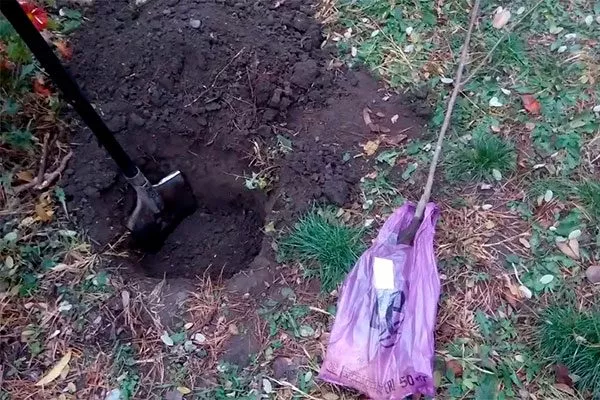
Two to three weeks before planting, prepare a hole measuring 60 x 60 x 60 cm. Add a layer of drainage material (crushed rock or expanded clay) to the bottom, then add a mixture of humus, garden soil, and 200 g of superphosphate. If the soil is acidic, add a little wood ash or dolomite flour.
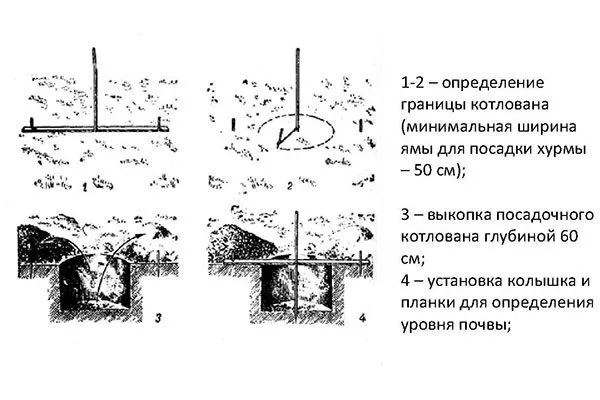
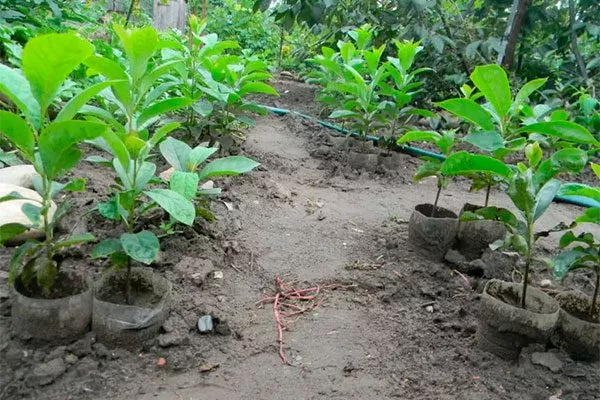
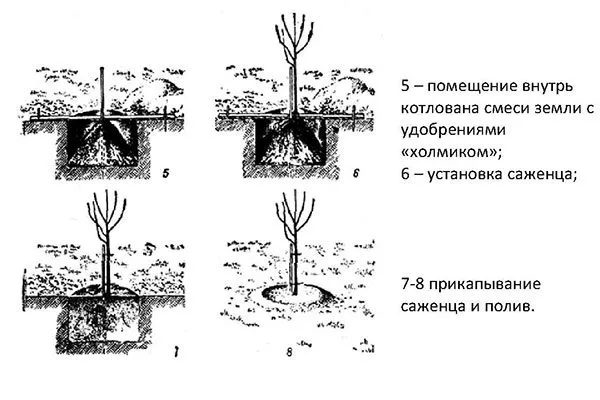
Step-by-step instructions:
- Carefully place the seedling in the planting hole and straighten the roots.
- Fill with soil mixture and compact lightly.
- Water generously (10-15 liters of water) and mulch the tree trunk circle with peat or sawdust.
- If the plant is tall, tie it to a support.
Provide the crop with comprehensive care. Follow standard agricultural practices:
- Watering. Water young plants every 7-10 days, especially in hot and dry weather. Mature trees require 2-3 waterings per month. Avoid standing water, as this can cause root rot.
- Top dressing. In spring, fertilize persimmon with nitrogen fertilizers (urea or mullein infusion), in summer - with complex mineral substances, in autumn - with phosphorus-potassium compounds to establish fruit buds.
- Trimming. In early spring, perform sanitary pruning: remove dry, damaged, and crown-thickening shoots. Form the tree with 3-4 main skeletal branches.
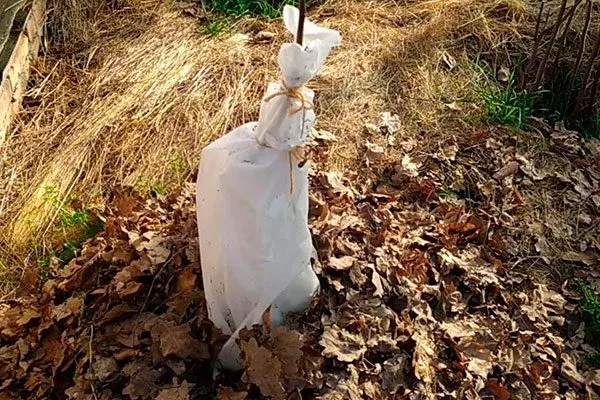
- Shelter for the winter. Young seedlings require protection for the first 2-3 years: wrap the trunk with burlap or agrofibre, and mulch the area around the trunk. Mature trees in the central part of the country overwinter without protection, especially if they are growing in a sheltered location.
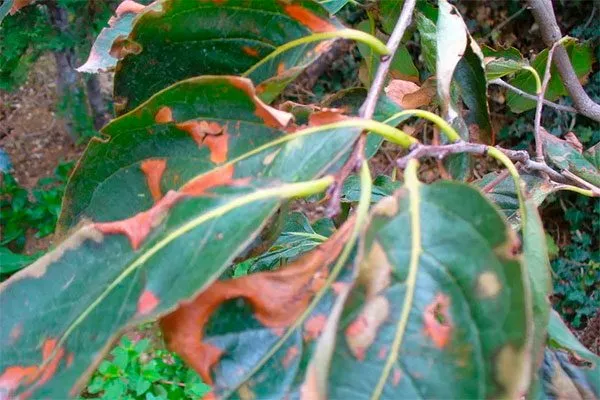
- Protection from pests and diseases. Persimmon is resistant to most diseases, but for prevention, spray the crop with a fungicide solution or ash infusion twice a season (in spring and summer).
Reviews
Sosnovskaya is a promising persimmon variety with good productivity, strong immunity, and excellent flavor. The tree is easy to establish and requires little care. The sweet, juicy fruits with a firm texture are suitable for both canning and fresh consumption. These qualities have made this variety popular among gardeners.