
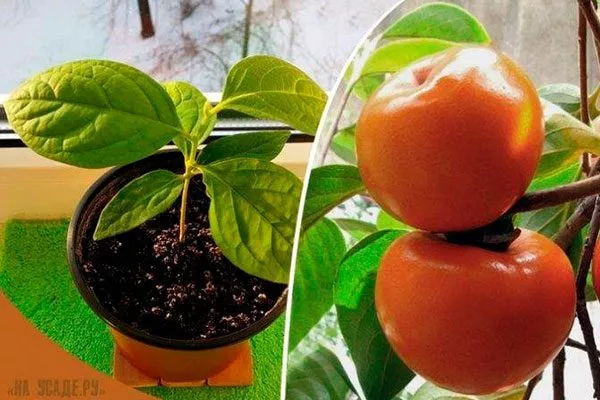
Growing persimmons at home is a fascinating pastime that not only allows you to decorate your interior with a beautiful evergreen tree but also harvest delicious fruits right from your own windowsill. Indoor varieties are adapted to apartment or greenhouse conditions, are compact, and relatively easy to maintain, making them accessible even to novice gardeners.
Indoor persimmon varieties
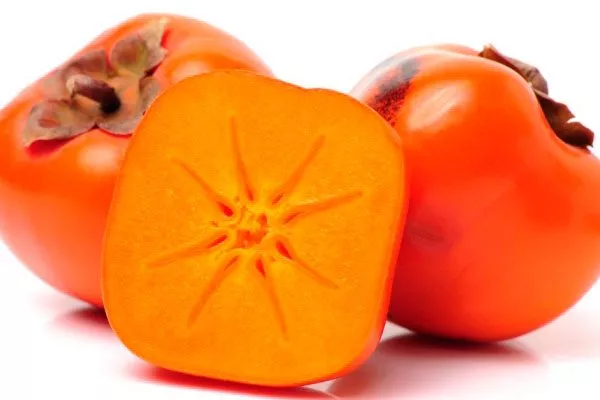
The decorative appearance, large, vibrant fruits, and the ability to harvest directly from a windowsill or in a winter garden attract lovers of exotic fruits. However, success depends on choosing the right variety. Below are the most suitable persimmon varieties for indoor cultivation.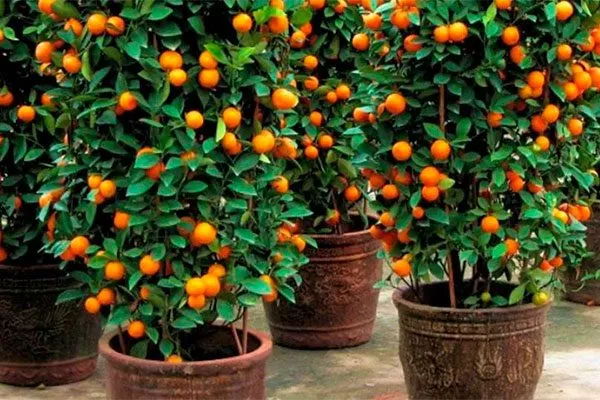
Natsu Persimmon (Natsu Persimmon)
This persimmon variety is characterized by high yields and a harvest time of mid-October. The tree begins to bear fruit approximately three years after planting. It is considered a mid-season variety.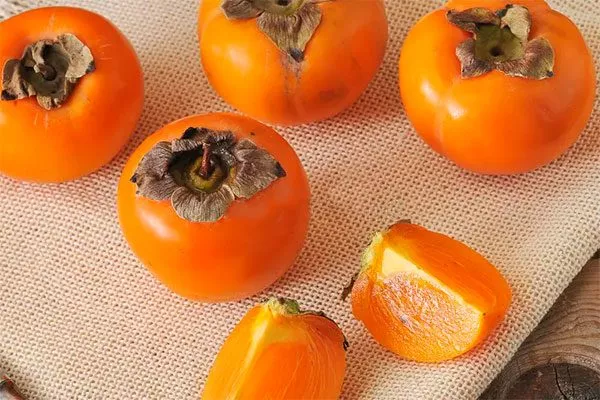
Distinguishing characteristics:
- tree - reaches significant sizes, its height varies from 10 to 12 m;
- crown – spreading, reminiscent of an apple tree in shape;
- foliage – dark green, leaves have an elongated shape;
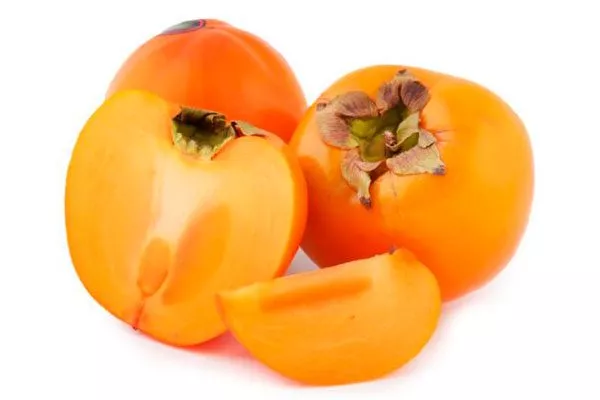
- fruits – spherical, their weight ranges from 500 to 700 g, the skin is orange, the surface is smooth and shiny;

- fruit flavor – moderately sweet.
Izu Persimmon (Izu Persimmon)
One of the most dwarf persimmon varieties, bred specifically for small gardens and container growing. The fruits are large, round, with dense, sweet flesh.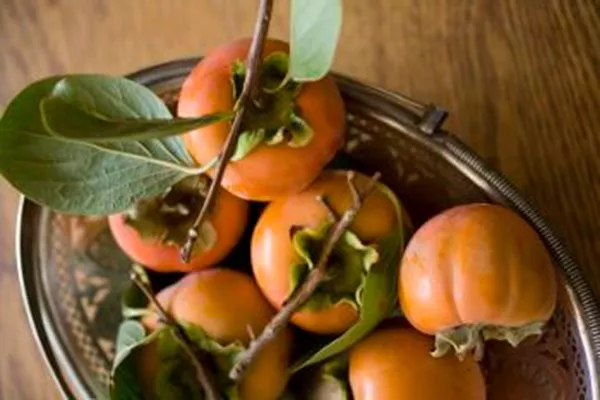
Calypso Persimmon (Calypso Persimmon)
A variety with a decorative, dense crown and bright, large fruits. It is distinguished by its long fruiting period—the fruits can ripen on the plant until spring. The flesh is dense, sweet, and slightly spicy.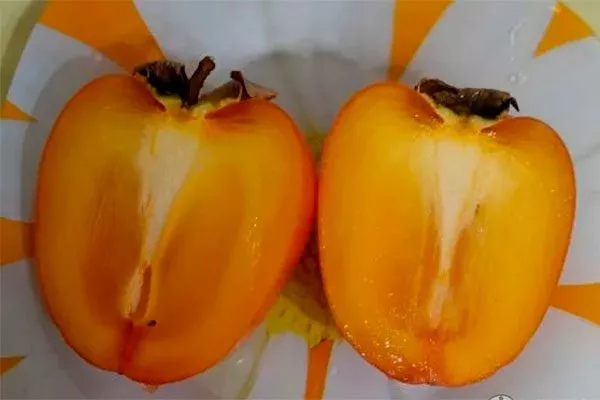
Honey Jar
A relatively new persimmon variety, distinguished by its honey-like flavor and compact growth habit. The fruits are oval, amber-orange, and have tender, sweet flesh.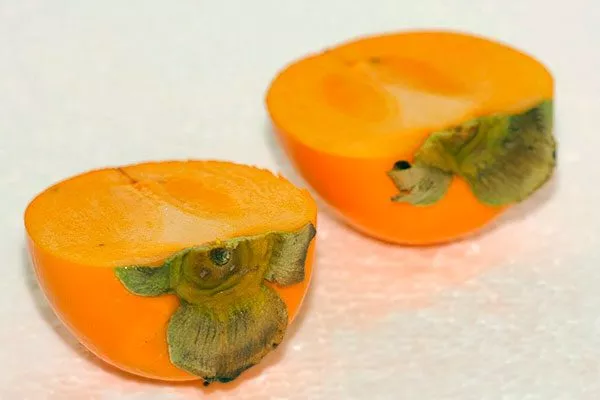
Other varieties suitable for home growing:
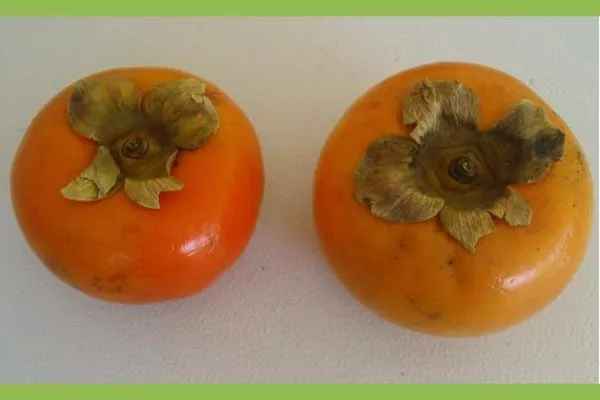
- Jiro (Jiro). One of the most famous Japanese varieties, the dwarf form is suitable for container growing. The fruits are large, flat-round, sweet, and store well.
- Fuyu (Fuyu). A versatile variety that can be grown in large pots. The fruits are sweet even when firm, with a crunchy texture.
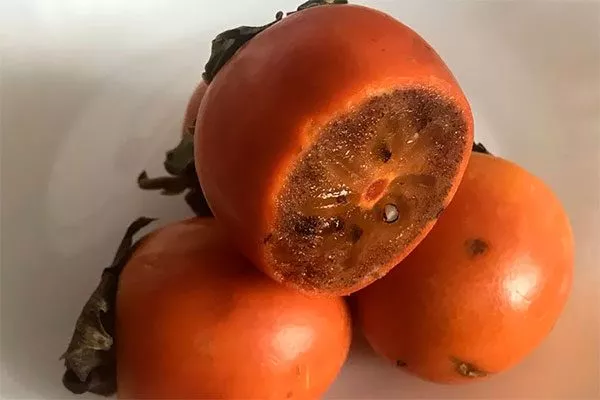
- Chocolate Persimmon (Chocolate Persimmon or Tsuzumi). An ornamental variety with dark brown flesh, unusual taste and attractive fruits.
- Suruga (Suruga). A compact variety with high yields and very sweet flesh. It requires a lot of light.
Purchase and preparation of materials
Before you begin growing persimmons at home, it's important to select the right planting material, container, and suitable soil. This directly affects how quickly the plant will take root and yield its first harvest.
Purchasing seeds or ready-made seedlings
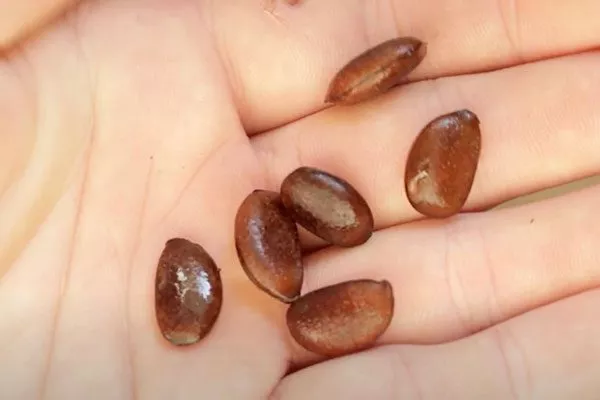
Indoor gardeners have two options: sowing seeds or purchasing a seedling. Seeds are readily available and inexpensive, but fruiting with this method takes several years. To speed up the process, they are pre-soaked and stratified.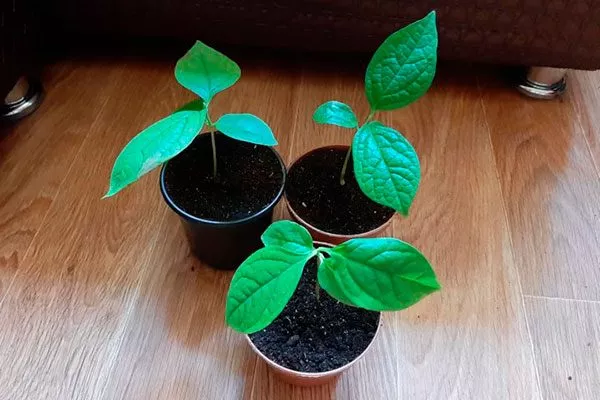
The choice depends on the goals:
- If you want to watch a plant grow from scratch, seeds are better;
- To obtain a harvest in the near future, ready-made seedlings are recommended.
Selecting containers and soil
Small pots are suitable for the initial stage, gradually replacing them with larger ones as the tree grows. A mature plant requires a spacious container with drainage holes to prevent the roots from becoming waterlogged.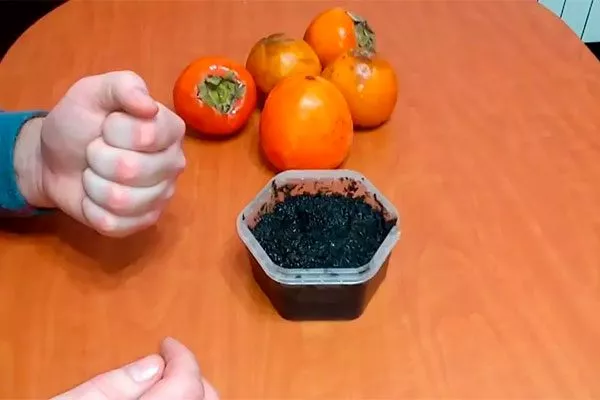
You can buy ready-made soil, for example, for citrus or fruit crops, or create your own. The optimal composition includes:
- 2 parts of turf soil;
- 1 part humus;
- 1 part sand.
This mixture will be loose and nutritious enough for the roots to develop well.
Are special fertilizers and additives needed?
When planting a persimmon seedling in a pot, there's no need to fertilize it immediately. Fresh soil, especially if it's made with compost or a universal fruiting medium, usually already contains enough nutrients for the first 2-3 weeks of growth.
Applying fertilizer immediately upon planting runs the risk of burning the roots, especially if using concentrated mineral fertilizers. Therefore, it's best to give the seedling time to establish roots and apply the first light feeding a couple of weeks after planting, when the plant begins to actively grow and adapt to the new soil.
Planting persimmon at home
Growing persimmons indoors begins with proper site preparation. The more carefully this step is carried out, the stronger and healthier the plant will grow.
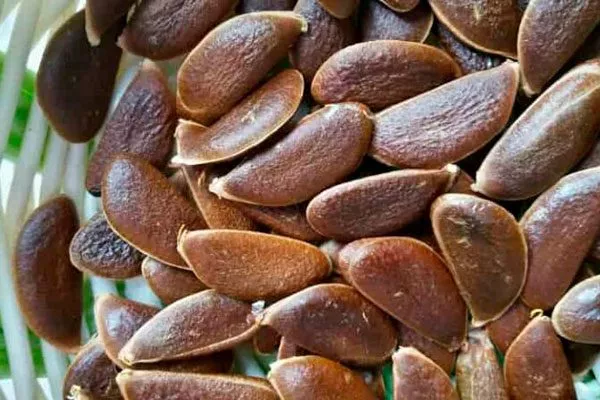
Persimmon seeds require minimal preparation, but proper sowing technique significantly increases the chances of uniform germination.
Step-by-step instructions:
- Rinse the seeds under running water and dry them slightly.
- Soak in warm water for 24-48 hours to soften the shell.
- Prepare a container with loose, slightly moistened substrate.
- Make indentations to a depth of 2-2.5 cm.
- Place one seed in each hole.
- Fill with soil and compact the surface lightly.
- Spray the soil with a spray bottle to avoid washing it away.
- Cover the container with film or glass to create a greenhouse effect.
- Place in a warm place with a temperature of +22…+25°C.
Ventilate the mini-greenhouse daily and monitor the soil moisture. If you follow these steps, the first shoots will appear in 3-4 weeks.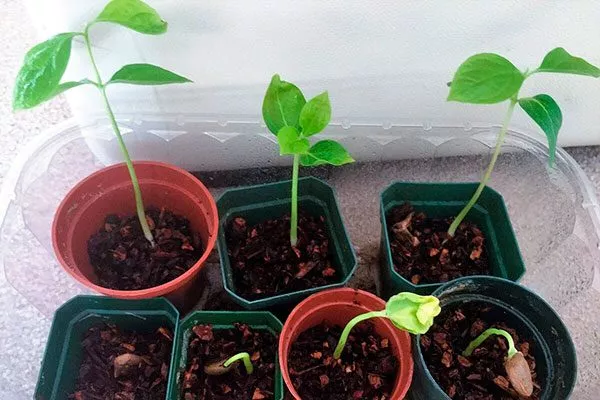
A 5-7 liter container with drainage holes is suitable for a young tree. Make sure the pot is stable and won't tip over under the plant's weight.
Persimmon seedling planting technology:
- Place a 2-3 cm layer of expanded clay, pebbles, or broken brick on the bottom. This will prevent water stagnation and root rot.
- Use a light, loose soil mixture: 2 parts turf, 1 part humus, and 1 part sand. You can add a little wood ash to improve fertility.
- Carefully remove the plant from its container or bag, being careful not to damage the roots. If the roots are dense or tangled, gently straighten them out with your hands.
- Make a hole in the soil the size of the root ball and place the seedling in it. The root collar should be level with the soil surface.
- Carefully cover the roots with soil, compacting it slightly so that the plant stands firmly.
- Use settled warm water to ensure the soil is soaked but not overly wet.
- Place the pot in a bright location away from direct sunlight and drafts. For the first week, you can provide the plant with some shade and avoid watering too frequently to allow the seedling to adapt.
After rooting, apply a light top dressing of organic or complex mineral fertilizer to stimulate the growth of green mass.
Caring for a young plant
Caring for the persimmon tree requires special attention: during the first few months, it requires stable warmth, regular watering with warm water, and good lighting. It's important to keep the soil slightly moist and the seedlings receiving sufficient light, otherwise they will become leggy and develop poorly.
Watering and fertilizing rules
Proper watering and fertilization helps a young persimmon tree develop a strong root system and thrive in a home environment.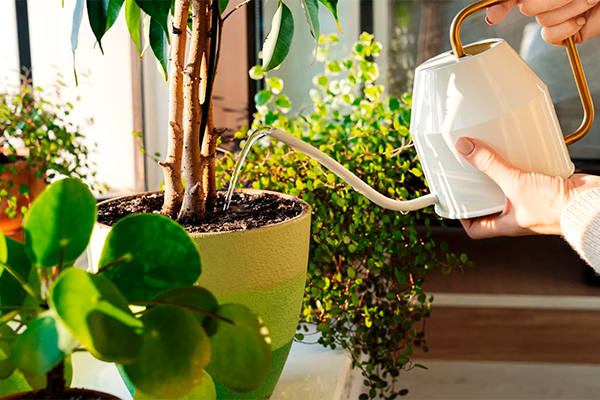
Helpful tips:
- Persimmon prefers moderate moisture but does not tolerate stagnant water. Water the plant only with warm, settled water when the top layer of soil is slightly dry.
- In summer, watering is required more often, sometimes up to 2-3 times a week, and in winter, during the dormant period, reduce it to a minimum.
- To avoid overwatering, always use pots with drainage holes and a layer of expanded clay at the bottom.
- In the first months after planting, the young plant receives nutrition from the soil mixture, so apply fertilizer only after 2-3 months.
- In spring, persimmons require nitrogen fertilizers to promote foliar growth; in summer, complex fertilizers with phosphorus and potassium to promote fruit formation; and as autumn approaches, opt for potassium-rich compounds to strengthen the tree.
- Organic additives such as vermicompost or wood ash have proven themselves to be effective in safely increasing soil fertility.
Lighting and ventilation modes
To successfully grow persimmons indoors, it's important to properly manage light and fresh air. These two factors directly influence growth, crown formation, and fruiting.
Key Features:
- Persimmons are sun-loving plants, so it's best to place the pot on a south- or southeast-facing window. Prolonged exposure to shade will cause the shoots to stretch and the leaves to develop poorly.
- In winter, when daylight hours are short, it's recommended to use phytolamps, extending the light to 10-12 hours. However, in summer, direct sunlight should be slightly diffused to prevent burning of the tender young leaves.
- A regular supply of fresh air strengthens the plant's immune system and prevents fungal diseases. During warmer months, the pot can be moved to the balcony or garden, but it's important to avoid drafts and sudden temperature changes.
- It is sufficient to regularly ventilate the room, while protecting the young tree from direct cold air flow.
Frequency of loosening and mulching
To ensure successful persimmon growth indoors, it's important to maintain good soil condition. Loosening the soil and applying mulch help the roots obtain oxygen, retain moisture, and prevent a hard crust from forming on the surface.
Follow these recommendations:
- Loosen the soil approximately every 2-3 weeks using a small garden trowel or stick. Keep the soil no deeper than 3-4 cm to avoid damaging the persimmon roots, which are located close to the surface.
- After each watering, light fluffing is especially useful – it prevents soil compaction and improves air exchange.
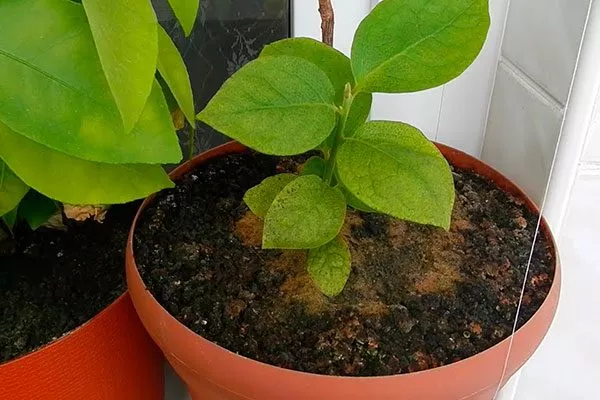
- A layer of mulch (coconut fiber, dry moss, sawdust, or decorative wood chips) helps retain moisture longer and prevents weeds. Renew the mulch every 1.5 to 2 months, and it's best to completely remove the old layer to prevent mold buildup.
Diseases and pests
Even when grown indoors, persimmons can be susceptible to diseases and insects. Most problems arise from improper care: overwatering, insufficient light, or poor ventilation. To keep the tree healthy, it's important to promptly diagnose problems and take protective measures.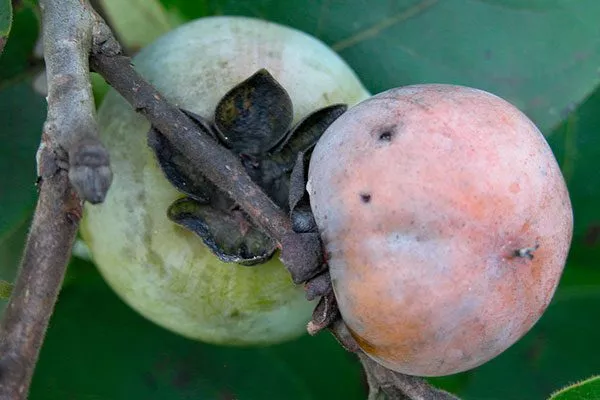
Signs that something is wrong with the plant include leaf discoloration, spotting, wilting shoots, or stunted growth. The most common persimmon diseases include several dangerous ones:
- Powdery mildew. It manifests itself as a white, powdery coating on leaves and shoots, which gradually spreads across the entire leaf blade. Over time, the leaves curl, become brittle, and may fall off.
To combat powdery mildew, remove affected leaves and shoots, provide good ventilation and use fungicides (Topaz, Fundazol) or biofungicides (Fitosporin). - Gray rot. Wet, brown spots appear on leaves, stems, and fruit, and the fruit begins to rot. This condition most often occurs due to excess moisture and poor air circulation.
To treat the disease, trim and destroy damaged parts of the plant, and spray the remaining parts with fungicides. Improving ventilation and reducing watering will help prevent re-infestation. - Root rot. It occurs when there is overwatering and stagnation of water in the pot, and is accompanied by the wilting of the plant even with moist soil, the leaves become wilted and pale.
Replant the diseased plant into fresh, loose substrate with drainage, treat the roots with a fungicide, and reduce watering to moderate.
Pests often appear on persimmons:
- Aphid. Small insects congregate on young leaves and shoots, causing curling and stickiness of the leaf blades. They can be controlled with a soap solution, garlic or tobacco infusions, and in case of severe infestation, use insecticides (Aktara, Fitoverm).
- Scale insect. They form brown or yellow, hard plaques on stems and leaves, slowing growth and weakening the plant. To control them, brush off the scale insects with a soft brush or cotton swab, treat the affected areas with an alcohol solution, and in case of widespread infestation, use insecticides.
- Mealybug. White, cottony lumps appear in leaf axils and on shoots, damaging leaves and disrupting plant nutrition. Remove the mealybugs by hand or with a cotton swab and soapy water. For severe infestations, biological or chemical insecticides may be helpful.
- Spider mite. It manifests itself as a fine webbing on the leaves and light-colored, pinpoint lesions; the leaves eventually turn yellow and fall off. Control the mite by increasing air humidity, spraying with warm water, and, if necessary, using acaricides or insecticides for houseplants.
Regular inspection of the plant, maintaining moderate humidity, good ventilation, and promptly removing affected parts significantly reduce the risk of disease and pest infestation, ensuring healthy growth and fruiting of persimmons even at home.
Harvesting and preserving fruits
Persimmons are carefully cut when they are ripe but not overripe to avoid damage. For long-term storage, they are stored in a cool, well-ventilated area or slightly ripened at room temperature to ensure they remain sweet and juicy.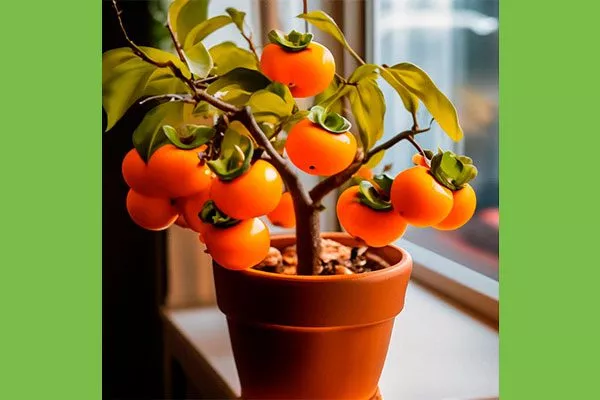
Fruit ripening time
Fruit ripening times depend on the variety and growing conditions. Dwarf indoor varieties such as Izu, Natsu, and Honey Jar typically begin bearing fruit 2-3 years after planting grafted seedlings, while seed-grown plants may not produce their first fruit until 5-7 years later.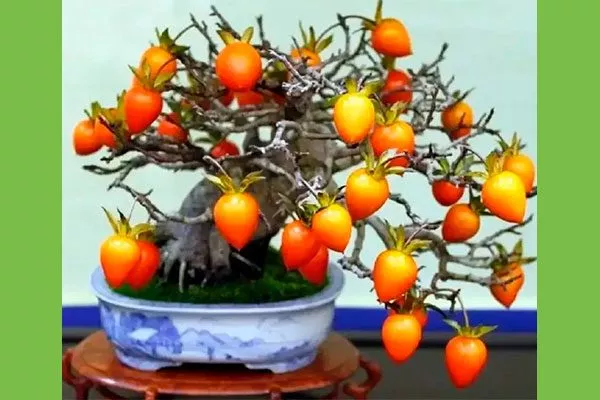
Key Features:
- Persimmons ripen gradually at home. The fruits change color from green to deep orange or reddish, become softer to the touch, and acquire a characteristic sweet taste.
- Depending on the variety and room temperature, maturity typically occurs between late fall and early winter. Some ornamental or late-ripening varieties may continue to ripen on the plant for several weeks after the end of the main season.
- If necessary, the fruits can be ripened indoors by leaving them on a windowsill or in paper packaging at a moderate temperature.
It's important to ensure that the fruit doesn't overripe on the tree: overly soft fruit is easily damaged, loses its marketable appearance, and spoils faster. Correctly timing the ripening process helps ensure the sweetest and juiciest fruit possible.
Harvesting technology
Harvesting persimmons at home requires care to avoid damaging the fruit and weakening the plant. Begin harvesting when the fruit is fully ripe or has reached the typical color and size for the variety, but is still firm.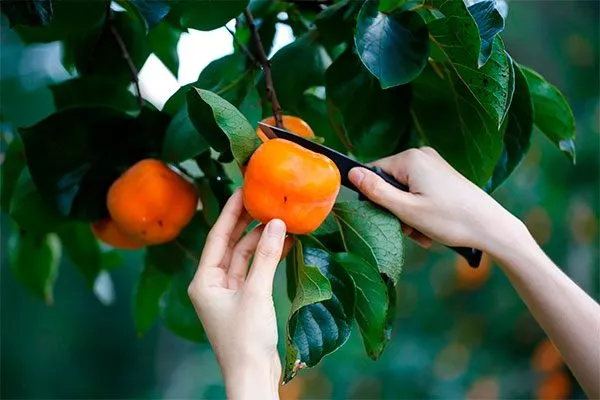
It is recommended to cut them using pruning shears or sharp scissors, leaving a small stalk - this prevents damage to the skin and prolongs shelf life.
Follow the rules:
- When harvesting, do not pull or pluck the fruit with your hands to avoid damaging the branches and bark of the tree.
- Place the fruits in a single layer in boxes or on a tray, avoiding contact with each other to prevent mechanical damage and rotting.
- If some of the fruit is not yet ripe enough, you can ripen it in a room at a moderate temperature, placing it in paper bags along with an apple or banana – the ethylene gas released accelerates the ripening process.
After harvesting, perform a light sanitization of the tree: remove dry leaves and weak shoots, inspect for pests to prepare the persimmon for the next growing season.
Storage of harvested fruits
After harvesting, it's important to store persimmons properly to preserve their flavor, aroma, and freshness for as long as possible. Follow these guidelines:
- Carefully sort the fruits, removing any damaged or overripe ones, then arrange them in a single layer in boxes or containers so that they do not touch each other.
- For short-term storage (a few days), keep the fruits at room temperature, ripening them until completely soft and sweet.
- For longer shelf life, store persimmons in a cool, well-ventilated area with a temperature of approximately 5–8°C, such as the bottom compartment of the refrigerator. It is recommended to use perforated bags or containers to ensure air circulation and prevent condensation.
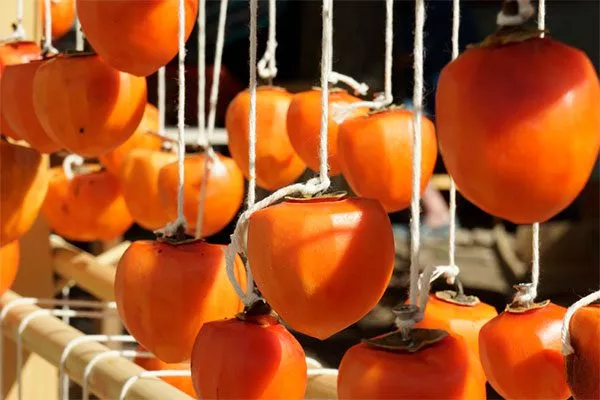
- If you need to preserve the harvest for several weeks, the fruits can be lightly air-dried or laid in layers with paper between them, which prevents contact and reduces the risk of rotting.
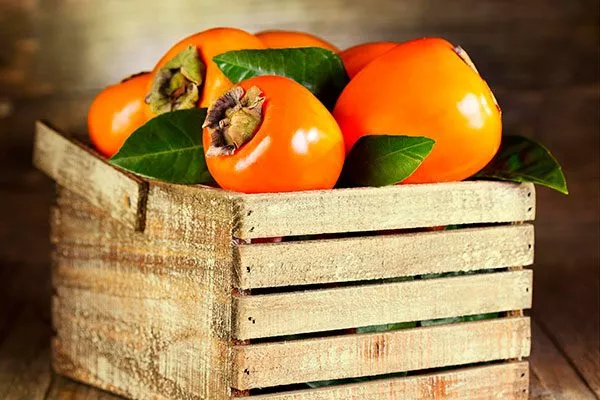
It is important to regularly check persimmons and remove any that are rotten or very soft to prevent spoilage from spreading to others.
Useful tips and life hacks
Growing persimmons at home requires attention to detail, but with the right approaches, care can be significantly simplified and results can be improved.
General recommendations:
- Choose containers with sufficient volume and drainage holes. For young plants, 3-5 liter pots are suitable, while mature trees are best planted in 15-20 liter tubs.
Be sure to place drainage material made of expanded clay, pebbles, or broken brick at the bottom to prevent water from stagnating and the roots from rotting. - When replanting, try to use a light and loose substrate, mixing turf soil, humus and sand, so that the roots receive enough oxygen.
- Indoor persimmon tolerates temperatures well within the range of +18…+25°C, but can also adapt to cooler wintering at +5…+10°C if the plant is prepared in advance.
- Young seedlings are sensitive to drafts, but mature plants can be carefully placed on a balcony or loggia during the warmer months, avoiding sudden temperature changes and direct sunlight.
At the same time, the plant demonstrates amazing vitality: even after slight over-watering or a temporary lack of light, it can recover when conditions return to normal.
Interesting observations and unconventional growing techniques:
- Tying shoots to a support helps form the crown and improves the illumination of the leaves.
- Some gardeners use the method of "ripening" the fruit directly on the tree indoors, which allows for sweeter and more flavorful fruit.
- Lightly spraying the foliage with warm water not only increases humidity but also helps get rid of dust and small pests.
- You can experiment with stands and adjustable lamps for additional lighting in winter - this will speed up growth and increase yields.
These life hacks help create optimal conditions for persimmons, simplify their care, and make the growing process more enjoyable and efficient.
Growing persimmons indoors requires patience and careful care, but if you follow the basic rules, the plant will grow healthy and bear fruit. Knowing the characteristics of each variety, properly preparing the soil and containers, and timely protection from diseases and pests will help you enjoy the tree's ornamental value, as well as its delicious, sweet fruits.