
Sharon persimmon is a popular Israeli-bred variety with juicy and sweet fruits. This hybrid of Japanese persimmon and apple is very productive and relatively easy to grow, but it can only be grown in the south and in regions with relatively warm winters.
Description of Sharon persimmon
The Sharon persimmon tree is tall. Its average height is 3.5 m, but it can reach 10 m.
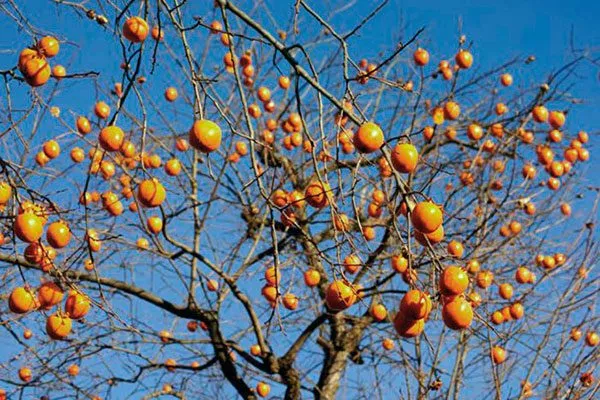
Brief description of the tree:
- Crown - wide, round and thick.
- Escapes - straight, medium thickness.
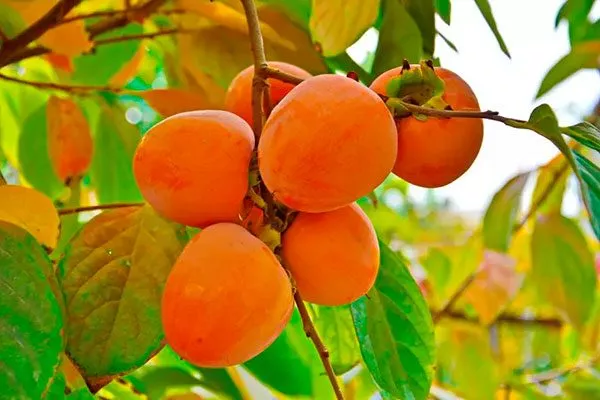
- Leaves — oblong, dark green, turning reddish-brown in autumn.
- Flowers - yellowish-white.
The Sharon persimmon tree produces three types of flowers: male, female, and mixed. They are located in the leaf axils, singly or in groups.
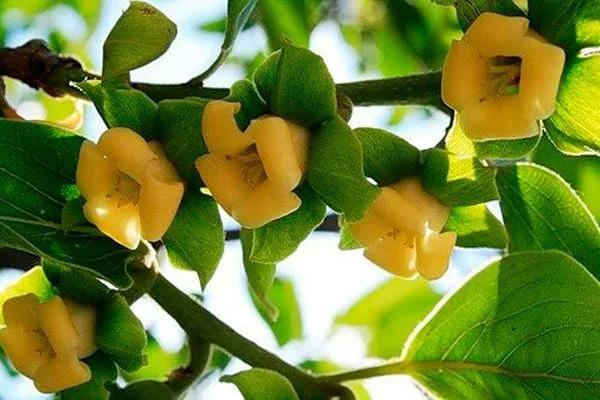
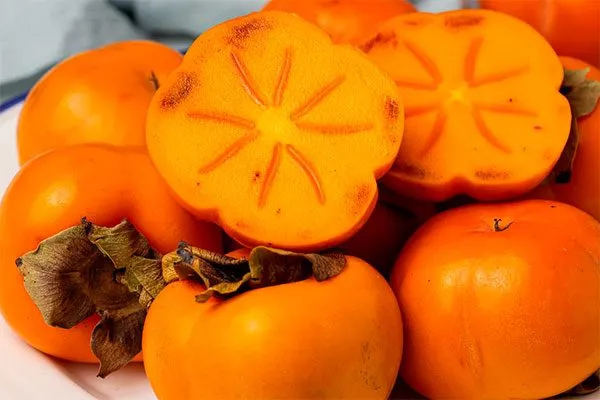
The fruits of the Sharon persimmon variety are quite large and seedless.
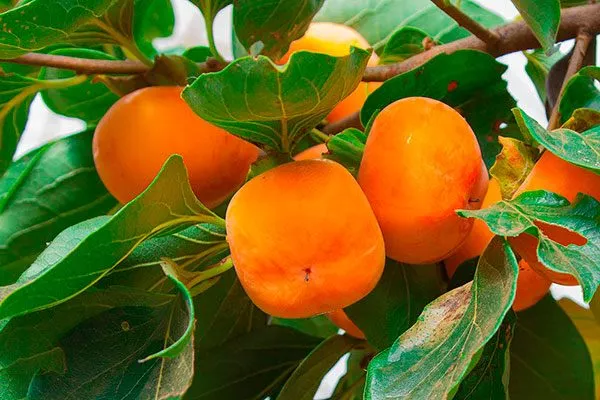
Main characteristics of fruits:
- Coloring - orange.
- Skin - thin.
- Form - rounded.
- Weight — 100-150 g.
Who and when developed the Sharon variety?
The Sharon variety was developed by Israeli breeders in the 1970s. It was named after the daughter of one of its creators.
Characteristic
The Israeli Sharon persimmon has excellent agronomic characteristics, making it suitable for cultivation in our gardens.
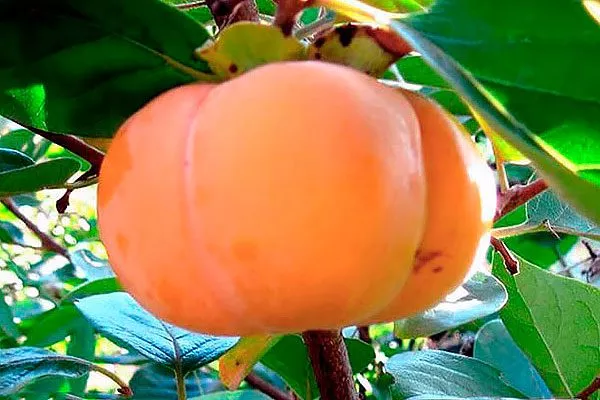
Features of the variety:
- Taste qualities and purpose. The fruit has a moderately sweet flavor. The flesh is quite juicy and slightly astringent. If unripe, the fruit is firm and tastes like raw potatoes or turnips. Ripe fruit can be used in compotes and other preserves.

- Ripening periods. Sharon persimmon is a mid-season variety. Its fruits ripen in October, and in some cases even as late as November.
- Precocity. The variety is moderately early-bearing; gardeners can enjoy the first fruits as early as 2-3 years after planting. However, maximum yields are achieved only after 7-10 years.
- Productivity. Sharon persimmon is a high-yielding variety. Under favorable growing conditions and proper care, a single tree can yield between 80 and 120 kg of fruit.
- Frost resistance. Sharon persimmon is a frost-hardy variety, able to withstand temperatures down to -18°C. However, this is not sufficient for cultivation in temperate regions.
- Drought resistance. Droughts negatively impact the tree's health, so it requires regular watering during dry periods. However, this persimmon also does not tolerate overwatering or flooding. However, the Sharon variety can tolerate high groundwater levels or short-term droughts.
- Disease resistance.The Sharon variety is relatively resistant to diseases, but under unfavorable growing conditions and severe violations in care, the risk of damage increases significantly.
- Regionality. Sharon persimmons are successfully grown in the southern regions of Russia, as well as in the central part of the country, with winter shelter. In particular, this variety is widespread in Crimea, Ossetia, Dagestan, and the Volgograd region.
Pros and cons
Before planting Sharon persimmon in your garden, carefully consider all its advantages and disadvantages. This will help you understand how suitable this variety is for your specific climate, garden, and intended use.
Landing
To grow persimmon in your garden, it is important not only to provide it with good growing conditions, but also to choose a good location and plant it correctly.
Site selection and preparation
The Sharon variety, like the plant in general, thrives in warm, well-lit areas. This persimmon does not tolerate shade well—the tree slows in growth and produces little fruit. It also requires protection from wind, as it can damage the rather fragile shoots.
The Sharon variety grows best in loamy or sandy loam soils with a neutral or slightly acidic pH (6.0-6.5). The groundwater level should not exceed 0.75 m. The nearest trees and shrubs should be at least 5 m away.
Sharon persimmon requires loose and fertile soil, so the area is dug over and fertilized, adding organic matter—humus or compost—at a rate of 10 kg per square meter. If the area has clayey soil, river sand or wood shavings are added; if sandy, clay and peat are added. Acidic soils are deacidified with wood ash or lime.
Selecting a seedling
It is recommended to purchase seedlings from specialized nurseries or reliable suppliers.
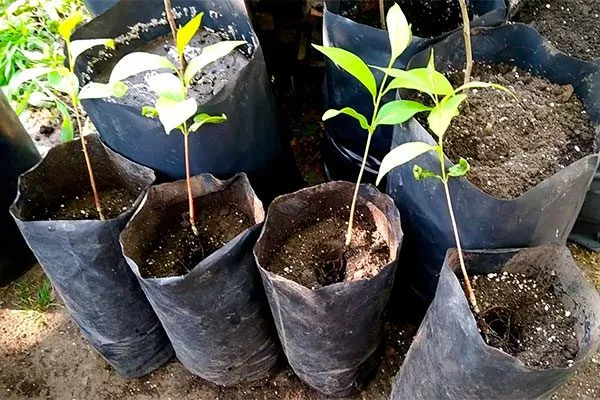
What to look for when choosing a persimmon seedling:
- The optimal height is 50-70 cm, the trunk diameter is about 1-1.5 cm.
- The roots should be well developed, with many thin rootlets.
- The bark is smooth, without spots, damage or signs of disease.
- The optimal age for a seedling is two years. At this age, the tree takes root best in its new location.
It is better to buy seedlings with a closed root system; they are less susceptible to damage during transplantation.
Preparing the seedling
Before planting, soak the seedling in water for 24 hours or in a rooting stimulant. Also, inspect the roots and trim off any broken or diseased shoots. Any rhizomes that are too long should be trimmed.
Planting hole
Prepare the persimmon planting hole 2-4 weeks in advance. It should be approximately a third larger than the root system. The average volume is 30-40 liters. A drainage layer—pebbles, broken brick, etc.—is placed at the bottom of the hole. The drainage layer should be 15-20 cm thick.

Fill the hole 2/3 full with a soil mixture of fertile soil, humus, and mineral fertilizer. You can make it, for example, from 2 parts turf, 1 part humus, 1 part coarse sand, and 1/2 part peat. You can add 250 g of nitroammophoska to the mixture.
Planting dates
In regions with mild winters (where temperatures rarely drop below -10°C), persimmons can be planted even in winter, during thaws. This option is particularly suitable for the Black Sea coast.
In other zones suitable for growing persimmons, planting is done in the spring - before the sap begins to flow, or in the fall - a month before the onset of serious cold weather.
Planting a seedling
It's best to plant persimmons on a cloudy, windless day. Drive a wooden or plastic stake 10-15 cm from the center of the hole to tie the planted tree to.
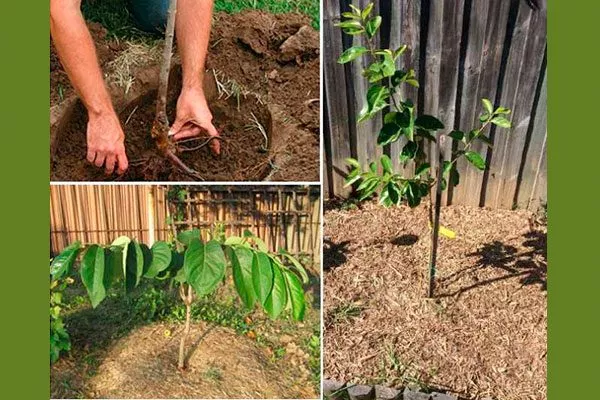
In the planting hole, form a mound of soil from the previously filled soil mixture. Place the seedling's roots on top of this mound and gently straighten them out—the shoots should not bend upward or sideways. If persimmons are being planted with closed roots—in containers—transplanting is done by transshipment.
After planting, the root collar of the seedling should be 5 cm below ground to protect the tree from frost. The planted persimmon is watered generously with warm, settled water. Once the moisture has been absorbed, the area around the trunk is covered with straw or dry grass.
Care
Sharon persimmon is easy to care for. If it's placed in favorable conditions—a suitable climate, a good planting site, etc.—then minimal care, consistent with standard agricultural practices, is sufficient for its growth and development.
Watering
The quality of watering largely determines the yield, taste, and size of persimmon fruits. It's best to water with soft water, either settled or rainwater, and be sure to warm it in the sun.
During the first year after planting, persimmons are watered three times a month. As they mature, the frequency of watering decreases to three to four times per season. If the summer is rainy, persimmons may not require watering.
Fertilizing
If the persimmon tree is growing in fertile soil, the first fertilization is carried out only in the 8th year after planting; in poor soil, in the 5th year. The tree is fertilized three times per season.
Approximate feeding regime:
- In spring, before the buds open, nitrogen-containing fertilizers are added, such as urea or rotted manure.
- In summer, when the tree finishes flowering, potassium-phosphorus fertilizers are applied, which have a positive effect on fruiting, taste, size and quantity of fruits.
- Phosphorus and potassium are also applied after harvesting; they have a beneficial effect on the crop's frost resistance.
Pest and disease control
Sharon persimmon has a fairly good immunity. However, under unfavorable conditions and improper care, the risk of infectious diseases and pests increases significantly.
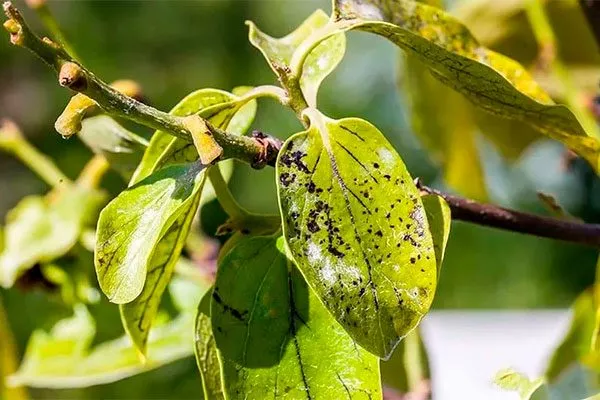
Sharon persimmon can be affected by:
- Powdery mildew, causing a white-gray coating and leaf deformation. Affected parts are removed and burned, and the tree is sprayed with fungicides such as Skor, Bravo, or Topaz.
- Fusarium, which is accompanied by the appearance of dry spots on the leaves and blackening of the trunk. Diseased plants are removed, and the soil is treated with copper sulfate.
- Scab. It causes brown-black spots on leaves and shoots. Trees are treated with a 1% Bordeaux mixture or fungicides such as "HOM," "Skor," or "Rayok."
The most dangerous pests for Sharon persimmons are spider mites, mealybugs, scale insects, and the Mediterranean fruit fly, which is controlled with sticky traps. Insecticides such as Iskra, Fufanon, and Aktara are used against other insects.
Harvesting and storage
Sharon persimmons are harvested in October, depending on their intended use. If they are to be eaten fresh, they are picked as late as possible, when they have acquired a rich orange color.
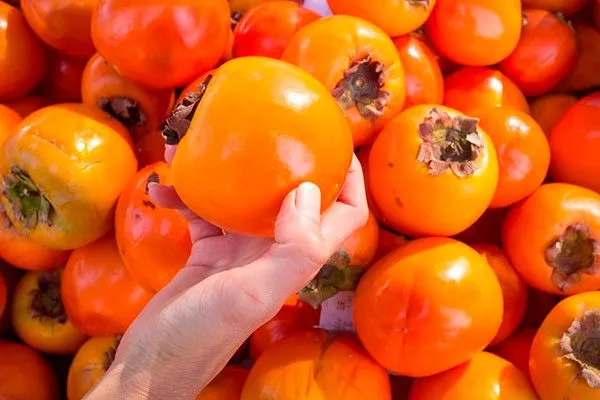
The fruits are firmly attached to the tree, so it's recommended to cut them off with pruning shears or scissors rather than picking them. If the fruit breaks away from the calyx, it will quickly rot and spoil. Also, avoid scratches, dents, or other damage when picking the fruit.
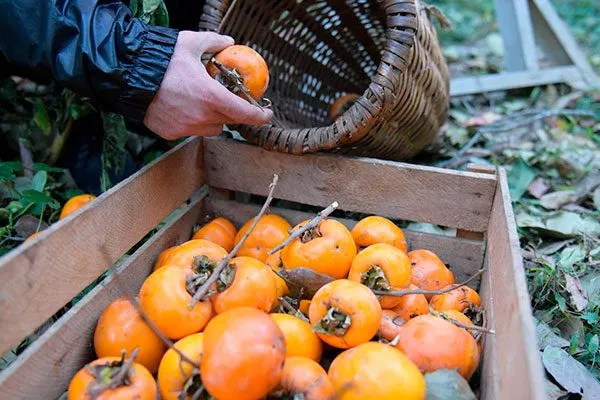
Store the fruits in a cool, dark, well-ventilated area. The optimal storage temperature is 0 to +1°C. The optimal relative humidity is 85–90%. Sharon persimmons can be stored in the refrigerator for 2–3 months or more.
Reviews
The Sharon persimmon is undoubtedly one of the most interesting and noteworthy varieties. Growing it presents no particular challenges for gardeners; the tree is undemanding and easily adapts to a variety of conditions. Most importantly, the Sharon variety boasts consistent fruit production. A single tree will produce enough fruit to provide even a large family with delicious and nutritious fruits.