
Persimmon is one of the most vibrant and unusual fruits, gaining popularity in many countries. Its fruits are prized for their sweet flavor, nutritional value, and diverse culinary uses. However, this common name conceals different groups of varieties, each with its own distinctive characteristics. Eastern and Western varieties have many distinctive characteristics.
Eastern group of persimmon varieties
Eastern persimmon varieties occupy a special place among cultivated varieties of this fruit. They are distinguished by their ancient history, rich genetic diversity, and unique flavor.
Many modern hybrids were developed from the eastern group, which still retains key importance in breeding and commercial cultivation.
Origin of oriental varieties

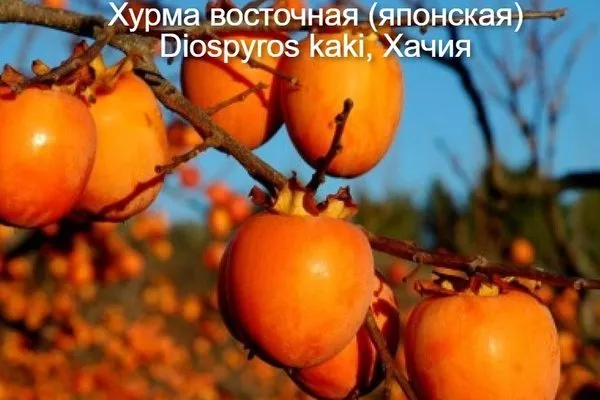
The history of the oriental persimmon traces its roots to Asia, primarily China and Japan. Interesting facts:
- Archaeological evidence indicates that its cultivation began several millennia ago, during the Han Dynasty in China. It was here that the plant became widespread and gradually became an integral part of culture, art, and cuisine.
- Persimmon was used not only as a food product, but also for medicinal purposes: its fruits were used to improve health, prevent colds, and as a source of vitamins in the winter.
- Over time, the oriental persimmon spread to the Far East, including Korea, Taiwan, and southern Russia, where the climate permitted its cultivation. In Japan, it became the national fruit, symbolizing autumn and harmony with nature, and is often mentioned in literature and art.
Many modern varieties, such as Hachiya (Bull's heart) and Fuyu, were developed in Japan and China. They differ not only in fruit shape and size, but also in the level of tartness, sweetness, and texture of the pulp. You can learn more about Japanese varieties. Here.
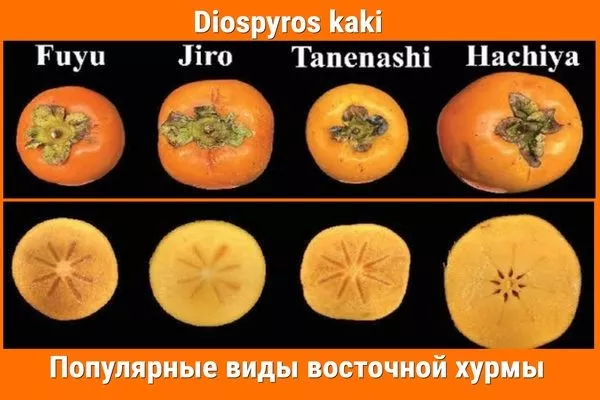 Oriental varieties played a key role in breeding and became the basis for the creation of hybrids used in various countries around the world. Thanks to its ancient history and cultural significance, oriental persimmon remains an important and sought-after crop to this day.
Fruit characteristics: shape, color, density, taste
Oriental persimmon fruits are strikingly diverse, making them attractive to both consumers and breeders. This diversity manifests itself in appearance, flesh texture, and flavor.
The shape of the fruit can be very different:
- round, almost spherical;
- oval, slightly elongated;
- conical, with a pointed end;
- slightly flattened or flattened-rounded.
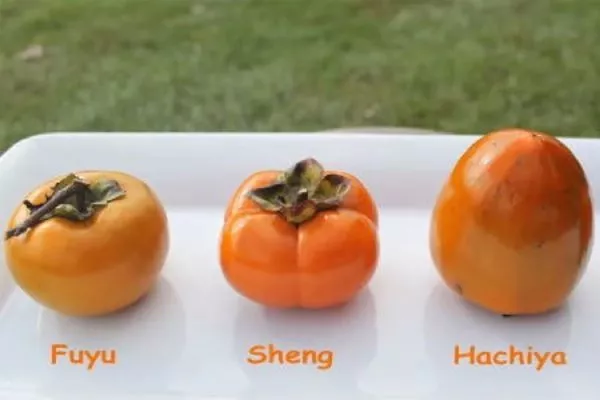 The fruit's color ranges from bright orange to a rich red-orange. Golden hues are also found, lending the fruit a particularly decorative appeal, which is important for sales and market presentation.
The density of the pulp depends on the variety:
- solid – retain their crispness even after full ripening, are easy to cut and are convenient for salads and fresh consumption;
- soft and juicy – The pulp is thick, reminiscent of puree, suitable for making desserts, jams, smoothies and other processed products.
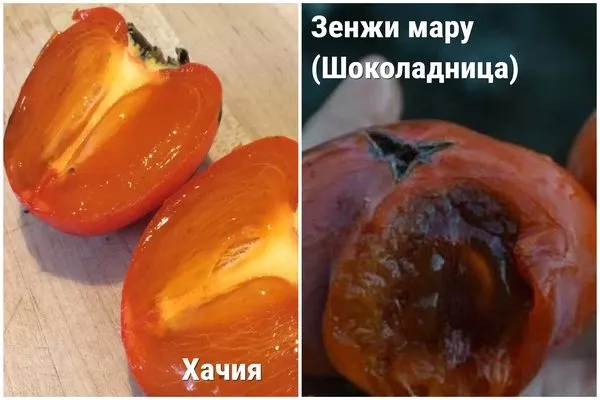
The taste of the fruits is also varied:
- unripe fruits have a tart and astringent taste in the mouth;
- fully ripe persimmon acquires a sweet, rich, honey-like taste;
- Some varieties are practically devoid of astringency and can be consumed in solid form immediately after harvesting;
- Other varieties require aging or special ripening methods to reveal their flavor qualities.
This diversity makes the oriental persimmon versatile for a variety of purposes: from fresh consumption to industrial processing and culinary use.
Features of cultivation and growing conditions
Eastern persimmon varieties traditionally prefer a mild subtropical climate with warm winters and long, dry summers. They are more demanding of warmth and sunlight than western varieties.
Successful persimmon cultivation depends largely on proper site selection and agricultural practices. Read on for planting and caring for this fruit tree. Here.
For the full development of trees the following conditions are necessary:
- areas protected from strong windsso that branches and fruits are not damaged, and microclimatic stability is maintained;
- well-drained, loose and moderately fertile soils, which provide the root system with oxygen and nutrients;
- sufficient moisture level, especially during the period of fruit formation, but over-watering should be avoided, as it can lead to root rot and reduced yield.
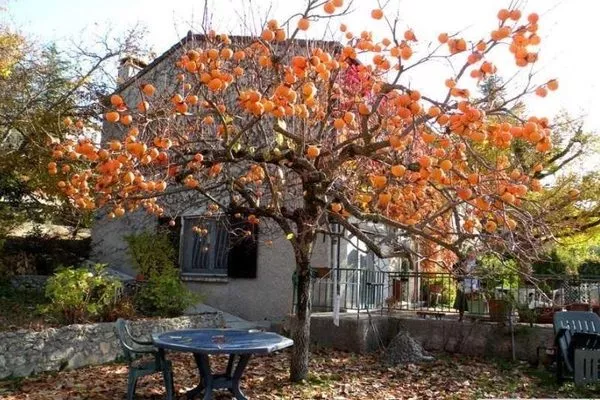
In regions with cool climates, special methods are used:
- covering technologies (film, agrofibre) for protection from frost;
- selection of regionalized varieties adapted to harsher conditions.
A characteristic feature of eastern varieties is their tendency to produce large yields. To maintain fruit quality and tree health, it is necessary:
- regular crown formation;
- proper pruning and removal of weak or damaged branches;
- timely fertilizing and soil care.
Uses of oriental persimmon in cooking
Oriental persimmon is prized not only for its fresh flavor but also for its culinary versatility. Thanks to the variety of varieties, it can be used in both desserts and more complex gastronomic recipes.
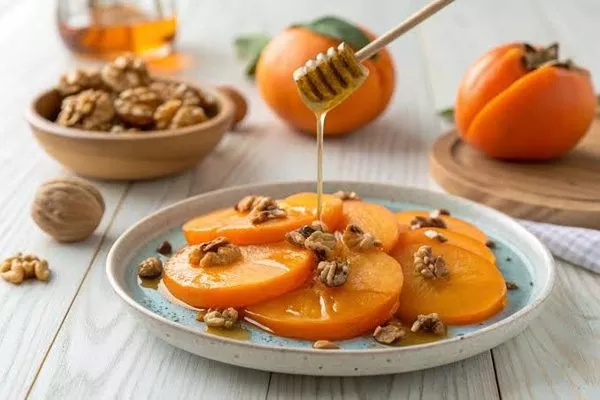
Hard varieties, such as Fuyu, are eaten fresh, sliced into fruit and vegetable salads, and used to garnish holiday dishes. Their texture allows them to be paired with nuts, cheeses, ham, or seafood, creating unusual flavor combinations.
Soft varieties, such as Hachiya, are especially delicious when fully ripe. Their flesh resembles a thick cream, making it often used:
- in the preparation of smoothies, milkshakes, yogurts;
- in baking – for pies, cakes, puddings, muffins;
- in sauces and dressings for meat dishes, especially duck or chicken;
- in desserts – ice cream, mousses, creams.
Dried persimmons occupy a special place. Hoshigaki, a traditional drying technique, is popular in Japan:
- First, the fruits are hung on ropes;
- then massaged during the drying process.
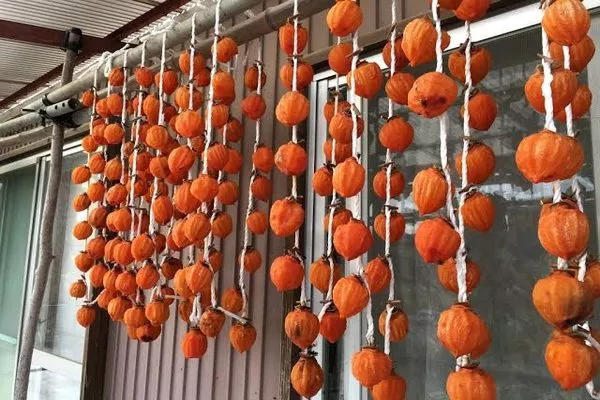
The result is a sweet, soft product with a white coating of natural sugars, which is served with tea or eaten as a holiday treat. China and Korea also have their own drying methods, which impart a unique texture and aroma to the fruit.
Don't forget about healthy drinks: the pulp of the oriental persimmon is used to make vitamin-rich fruit drinks, compotes, and fermented infusions. Thanks to their high antioxidant and sugar content, persimmon drinks are not only delicious but also have invigorating properties.
Western group of persimmon varieties
The Western group of varieties is not as widely known as the Eastern group, but it occupies an important place in global breeding and horticulture. It is distinguished by its exceptional cold tolerance and ability to grow in temperate climates.
Pedigree of Western varieties
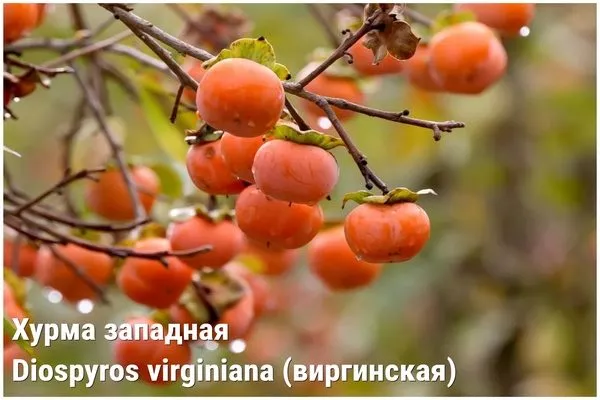
Western persimmon, a species of Diospyros virginiana, is native to North America (where it can be found growing wild across vast areas, from the southern US to Canada). Wild trees have traditionally been used by indigenous peoples not only as a food source but also as a medicinal plant.
With the development of agriculture and increased interest in cultivation, targeted breeding of cultivated varieties of Western persimmon began. The main goals of this breeding work were as follows:
- increasing frost resistance so that trees can successfully survive harsh winters and expand their growing area;
- improving the taste and reducing astringency to make fruits more enjoyable to eat fresh;
- increasing the size of fruits, which increased their attractiveness to consumers and ease of processing;
- Adaptation to various soil types, including less fertile or slightly saline areas.
As a result of these efforts, the Western persimmon has become a kind of "bridge" between the wild and modern cultivated varieties. It has retained its natural hardiness and resilience while simultaneously acquiring the qualities necessary for commercial and home cultivation.
Description of the appearance of the fruits, their density and taste
Western persimmon fruits are more modest in appearance compared to eastern varieties, but they have a distinctive appeal for connoisseurs of unusual taste and dense texture.
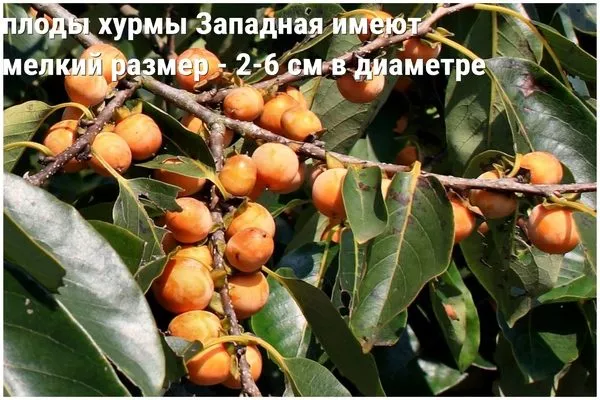
Main characteristics:
- dimensions – small (2-3 cm) or medium (5-6 cm in diameter);
form - round or slightly oval, without distinct edges; - coloring – from light yellow and amber to deep orange with a brown tint when fully ripe;
- pulp – dense, sometimes granular, with well-defined fibers;
- taste - Unripe fruits are tart, but when ripe they acquire a soft, sweet taste with hints of honey, caramel and nuts.
The dense structure of the pulp makes them convenient for processing, baking and preparing various desserts.
Cultural preferences and growing methods
Western persimmon is prized for its high frost resistance and ability to thrive in conditions that would kill eastern varieties. It is adapted to temperate climates and is less demanding of heat and light, a feature particularly appreciated by gardeners in northern and temperate latitudes.
The main conditions for successful cultivation of western persimmon:
- frost resistance – trees can withstand temperatures down to -25…-30°C;
- soil – prefers light, drained soils, does not tolerate swampy areas;
- illumination – sunny areas are optimal, but plants can tolerate light shade;
- watering – moderate moisture is required, especially during dry periods;
- root system – deep, which allows the tree to survive in the absence of moisture and maintain stability in variable climate conditions.

Western persimmon is often used as a rootstock for grafting eastern varieties, allowing the winter hardiness of the American variety to be combined with the large-fruitedness of the Asian variety, creating new hybrids that thrive in a variety of climates and demonstrate high productivity.
Cooking Uses of Western Persimmon
Western persimmons are widely used in North American cuisine, particularly in traditional recipes where their dense flesh and rich flavor are fully realized. The fruits are used both fresh and processed, imparting a unique flavor and texture to dishes.
The main uses of Western persimmon:
- bakery - adding pulp to puddings, muffins, pies and breads makes desserts flavorful and nutritious;
- sweets and preserves – jams, pastilles, marmalade, fruit purees, and fruits are also boiled or baked for long-term storage;
- drinks – fruit drinks, compotes, fermented drinks;
- fresh dishes – adding to oatmeal, fruit and vegetable salads, but it is important to use only fully ripe fruits due to the astringency of unripe persimmons;
- dried persimmon – less popular than the eastern one, but is also used as a winter reserve or snack.
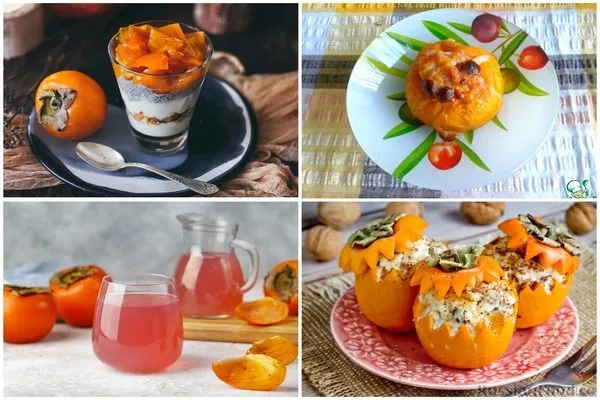
Persimmon pudding, a classic American dessert, deserves special attention. It's made with ripe persimmons, flour, sugar, eggs, and spices. The result is a dense and flavorful pudding reminiscent of British Christmas cake, but with a bright caramel-fruity flavor.
Comparative analysis
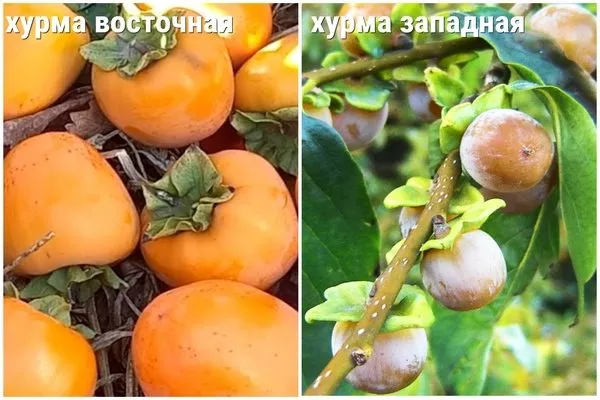
When choosing a persimmon variety, it's important to consider not only the fruit's taste but also its origin, storage characteristics, and culinary uses. The eastern and western persimmon varieties developed in different climates, which affected their appearance, flavor, and uses.
The comparison table allows you to clearly see the key differences between them:
| Criterion | Eastern group (Asian) | Western group (American) |
| Appearance | The fruits are large (up to 8-10 cm), bright orange or red, regular in shape, attractive for sale. | The fruits are small or medium (2-6 cm), yellow-orange, less spectacular in appearance. |
| Taste | Sweet, honeyed, sometimes without astringency, the flesh is tender and juicy. | Dense and fibrous flesh, sweet taste with caramel-nutty notes, tartness in unripe fruits. |
| Shelf life | Hard varieties are stored and transported well, while soft varieties require quick consumption. | They are stored worse and are more often processed or consumed immediately. |
| Scope of application | Consumed fresh, dried, in desserts, sauces, baked goods, and drinks. | Traditional North American cuisine: puddings, cakes, marmalade, jams, fermented drinks. |
| Price | Higher, especially for premium varieties and imported hybrids. | Below, more often used in the domestic market. |
Eastern persimmon varieties boast large, sweet fruits, but require a warm climate and are more expensive. Western varieties are hardy and frost-resistant, but produce smaller fruits and are less versatile. The choice between these groups depends on the intended use: Eastern persimmons are suitable for gourmets and dessert lovers, while Western persimmons are suitable for gardeners and practical home use.