
Growing persimmons can be a fascinating endeavor for any gardener, but beginners often encounter a number of difficulties and mistakes that negatively impact the tree's health and the quality of the harvest. It's entirely possible to avoid these problems by understanding the basic rules of cultivation and the care of this exotic plant.
The main mistakes and what to do to avoid them
Growing persimmons requires careful attention and adherence to certain rules. Beginners often encounter problems that lead to poor harvests or even plant death. Let's look at the main mistakes made by novice gardeners and offer recommendations on how to avoid them.
Wrong choice of variety
Selecting the right variety is one of the key factors in successfully growing persimmons. It's important to consider the climate conditions in your region, as different varieties have varying tolerances to frost and other adverse environmental factors.
The importance of choosing the right persimmon variety for a specific region
Each region has its own unique climatic and environmental conditions, such as air temperature, precipitation, daylight hours, and others. These factors significantly influence the growth and development of persimmons. For example:
- Some varieties require a warm climate with long sunny days;
- while others are resistant to cold winters and less demanding of heat.
This is why an unsuitable variety may fail to thrive, produce a low yield, or even die. Therefore, the approach to variety selection must be carefully considered and based on knowledge of the local climate and the specific requirements of the chosen variety.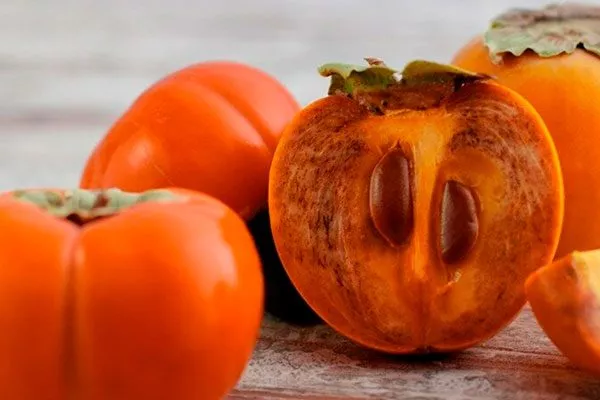
Other factors influencing variety selection
When selecting a persimmon variety, it is important to consider the following aspects:
- Soil type. The soil must meet the requirements of the chosen variety. Persimmon prefers fertile, light, and permeable soils with a neutral pH. However, there are varieties that can grow in heavy clay soils, albeit with less success.
- Illumination level. The amount of sunlight significantly influences photosynthesis and the formation of sugars in fruits. Most varieties prefer sunny locations, but shade-tolerant varieties also exist.
- Resistance to diseases and pests. Some varieties exhibit increased resistance to diseases and insect pests, such as powdery mildew, leaf spot, and spider mites. This factor is especially important in regions with high disease and pest infestations.
Recommendations for choosing persimmon varieties
Here are some popular persimmon varieties that are suitable for different regions of Russia:
- For southern regions (Krasnodar Krai, Crimea, etc.). These regions are characterized by a warm climate and a long growing season, which makes it possible to grow heat-loving persimmon varieties:
- Honey kinglet: distinguished by large sweet fruits and good transportability.

- Shokoladnitsa: produces large, dark-brown fruits with a high sugar content.
- Fuyu: characterized by early ripening and excellent taste.
- Honey kinglet: distinguished by large sweet fruits and good transportability.
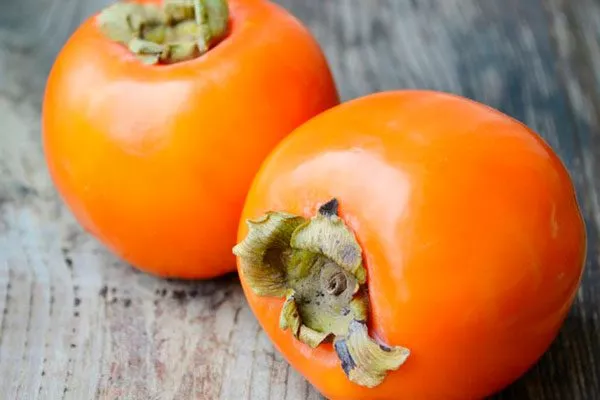
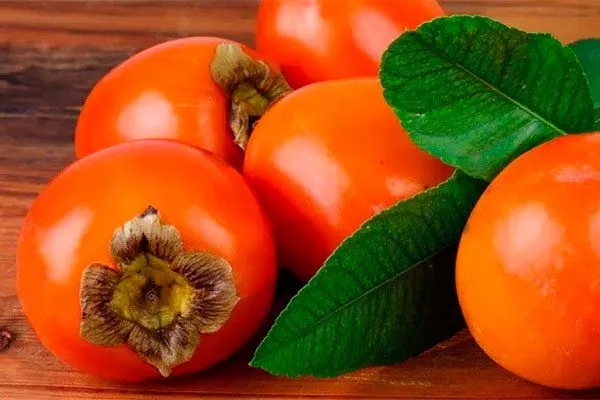
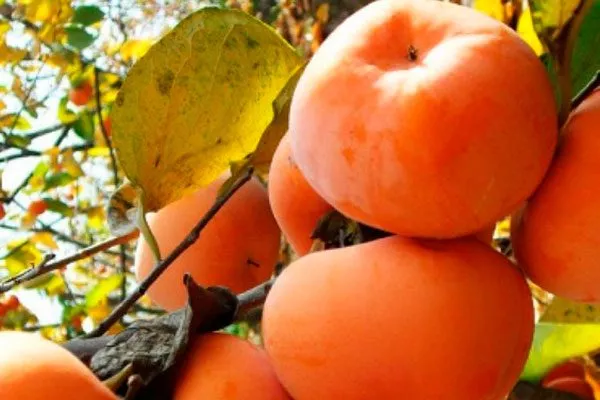
- For central regions (Moscow, Moscow region, Voronezh, etc.). The central regions of Russia are known for their temperate continental climate with an average length of summer season and relatively cold winters:
- Russian persimmon: a variety specially bred by breeders that is resistant to low temperatures and produces good yields.
- Nikitinskaya: has high winter hardiness and is ideal for the central part of Russia.
- Russian persimmon: a variety specially bred by breeders that is resistant to low temperatures and produces good yields.
- For northern regions (St. Petersburg, Leningrad region). The northern regions of the country are famous for their short summers and harsh winters, which imposes certain restrictions on the choice of varieties:
- Winter Queen: a highly resistant variety that can withstand low temperatures without yield losses.
- Dessert persimmon: an early-ripening variety that allows you to get ripe fruits even in short summer conditions.
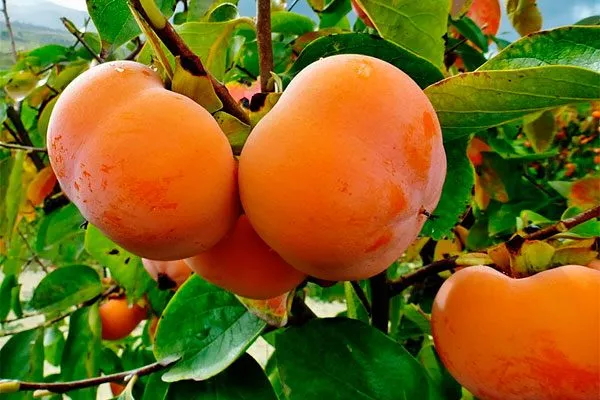
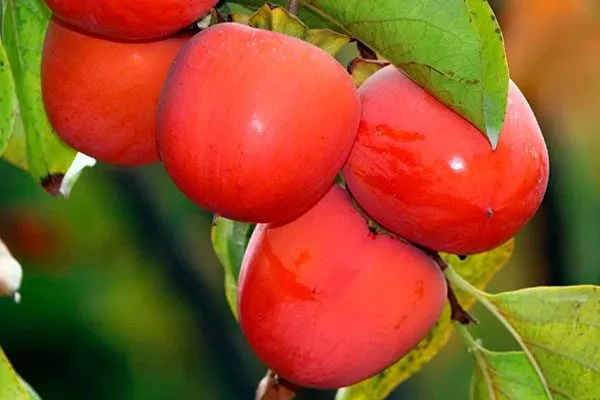
What to do:
- Explore the characteristics of different varieties: learn about the hardiness, flavor, and fruiting characteristics of each variety.
- Choose a variety that is suitable for your region: choose those that are well adapted to local conditions.
- Buy certified seedlings: buy from trusted sellers to be sure of the authenticity of the variety.
Lack of pollinator
Many persimmon varieties are self-sterile, meaning they require the presence of another variety for cross-pollination. Without a donor tree, the tree may flower, but the fruit will be small and inedible.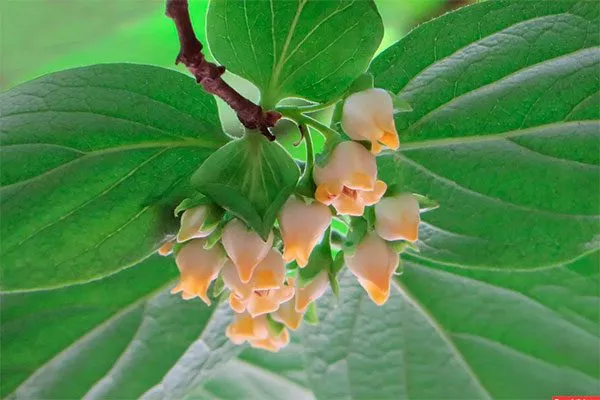
What to do:
- Plant two different varieties: Make sure the varieties you choose can pollinate each other.
- Use artificial pollination: If it is not possible to plant a second variety, hand pollination can be done using pollen from another tree.
Incorrect watering
Persimmons require moderate but regular watering. Overwatering can lead to root rot, while insufficient water stresses the plant and reduces yield.
What to do:
- Water the plant regularly: it is especially important to monitor soil moisture during the period of active growth and fruiting.
- Monitor soil moisture: Test the soil with your finger before each watering to ensure the top layer is dry.
- Provide drainage: A good drainage system will prevent waterlogging and root rot.
Lack of fertilizers
Persimmons require regular fertilizing to ensure healthy growth and a good harvest. A lack of nutrients leads to poor growth, reduced fruit production, and poorer fruit quality.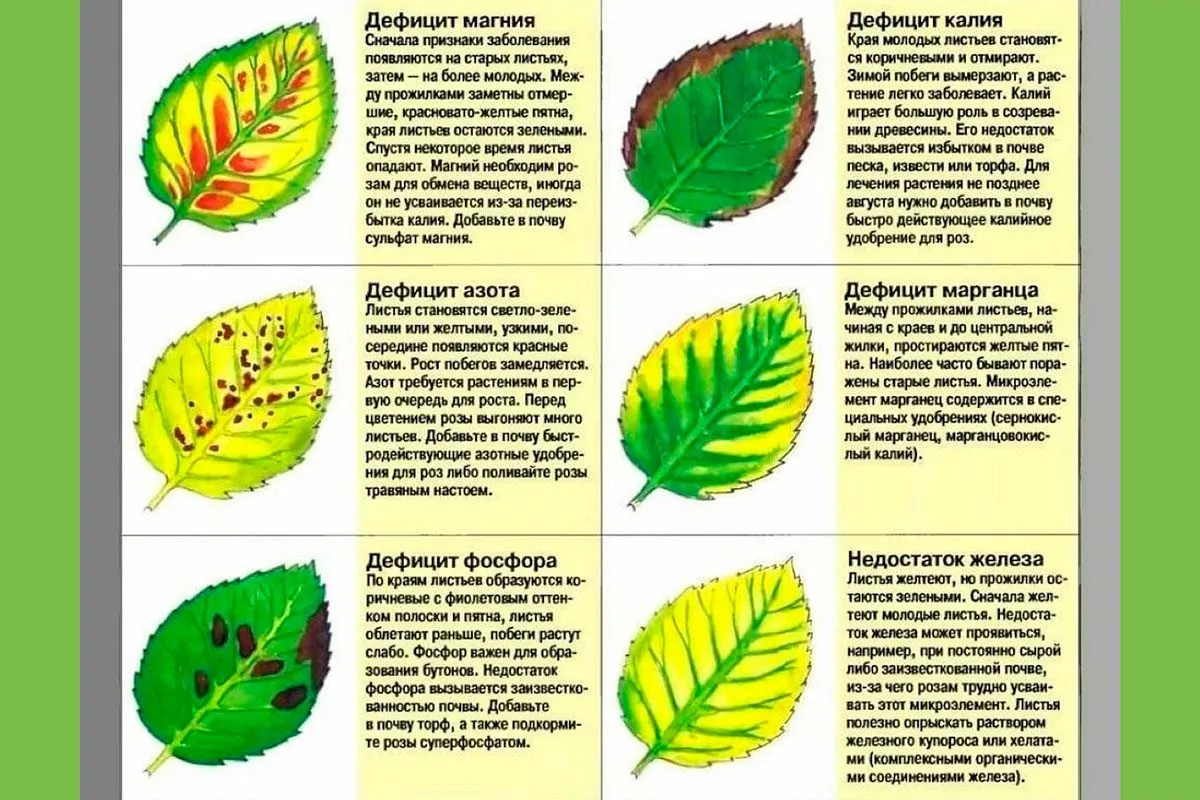
What to do:
- Add organic fertilizers: compost, humus, or rotted manure will help enrich the soil with essential elements.
- Use mineral preparations: complex compositions containing nitrogen, phosphorus and potassium promote active growth and development of the plant.
- Monitor the condition of the leaves: yellowed leaves may indicate a lack of iron or magnesium, so periodically add the appropriate micronutrients.
Incorrect planting of the plant
One of the main reasons for failure when growing persimmons is improper planting. This error involves several factors, each of which can affect the future of the plant.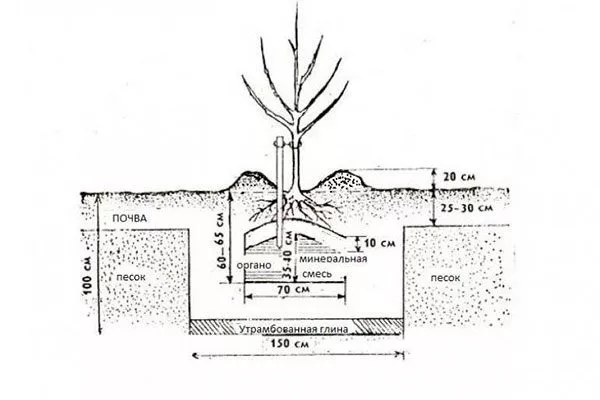
What mistakes do gardeners make?
This mistake is common among novice gardeners. What exactly are they doing wrong?
- Incorrect planting depth. If planted too deeply, the roots begin to experience oxygen deficiency, growth slows, and the risk of rot increases. If planted too shallow, the roots are susceptible to low temperatures and wind erosion.
- Insufficient distance between trees. Enough space must be left between plants to allow for normal growth and air circulation. Planting trees close together reduces sunlight, reduces ventilation, and increases the risk of fungal infections.
- Mismatch of landing location. Saplings are often planted in areas with insufficient sun, waterlogged soil, or exposure to strong drafts and winds. These conditions negatively impact the tree's overall health and reduce yield.
How to avoid mistakes?
To ensure your persimmon grows healthy and produces a bountiful harvest, follow these planting guidelines:
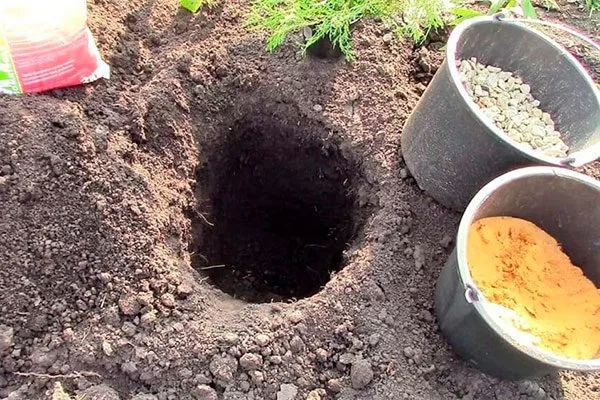
- Preparing the hole and soil. Dig a spacious hole about 70 cm deep and 90-100 cm wide. Add a mixture of organic fertilizers (humus, compost), mixing it with the top layer of soil. Place drainage (gravel or broken brick) at the bottom.
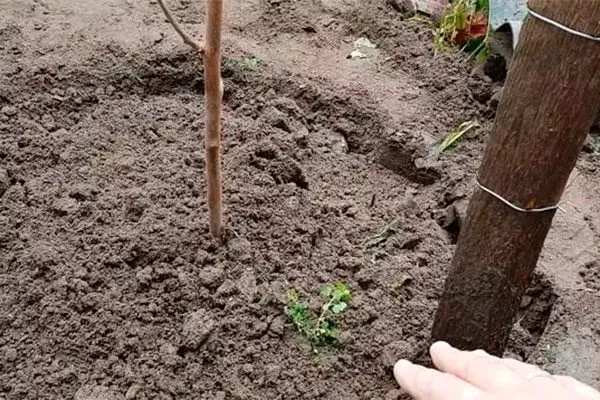
- Planting a seedling. Position the seedling so that the root collar is slightly above the soil surface. Make sure the roots are evenly distributed in the soil and not curled up. After filling, gently compact the soil around the trunk.
- Spacing between trees. The optimal distance between mature trees is at least 4.5-5 m. More space allows for better access to sunlight and reduces the risk of disease spread.
- Lighting and wind protection. Choose an open, sunny location, protected from strong winds and drafts. The more sunlight the tree receives, the sweeter and larger the fruit will be.
Lack of regular pruning
One common misconception among beginners is that persimmon trees are capable of maintaining their shape and developing on their own without gardener intervention. However, a lack of regular pruning can significantly reduce yields, weaken the plant, and increase the risk of disease and pest infestation.
Reasons for the need for regular pruning
Why is it important to structure the persimmon tree's crown in a timely and correct manner?
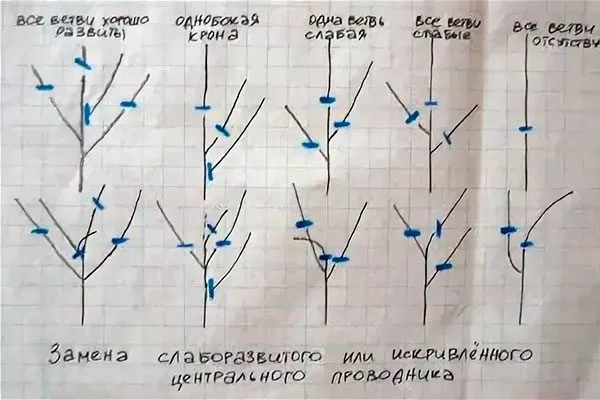
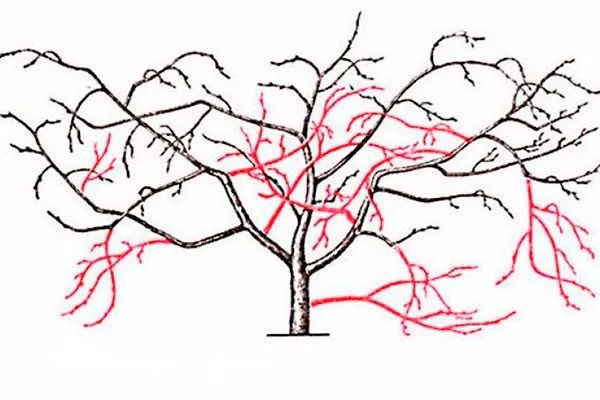
- Crown formation. Pruning helps form the tree's proper structure, ensuring even distribution of energy and light within the crown. A properly formed crown ensures better ventilation and light for all parts of the plant, which positively impacts fruit formation.
- Increased fertility. By removing excess branches and weak shoots, you direct the plant's energy directly toward fruit production. This improves the size and flavor of the persimmon.
- Prevention of diseases and pests. Dense tree crowns create favorable conditions for the proliferation of pathogenic microorganisms and insect pests. Regular pruning prevents infection and facilitates disease prevention.
- Extending the life of a tree. By maintaining the tree in good condition through timely sanitary treatment, you extend the duration of its active fruiting phase.
Rules for regular pruning of persimmon
To achieve maximum effectiveness, follow these guidelines:
- Pruning period. The best time to shape the crown is late winter or the first month of spring, before the sap begins to flow. Light corrective pruning is performed in the summer.
- Haircut technique. Pruning begins with removing dead, diseased, and crossing branches. Then, thin, vertically directed branches are pruned, leaving horizontal shoots.
- Tools and cutting processing. Use sharp instruments that have been sprayed with antiseptic before use. Treat large wounds with garden pitch to prevent infection.
- Regular inspection. Periodically inspect the crown for damage, diseases, and the emergence of new shoots that require correction.
Ignoring pest and disease protection
Many novice gardeners underestimate the danger of these threats, relying solely on the plant's natural defense mechanisms. This approach leads to crop losses, deterioration of the tree, and increased restoration costs.
Common pests and diseases of persimmon:
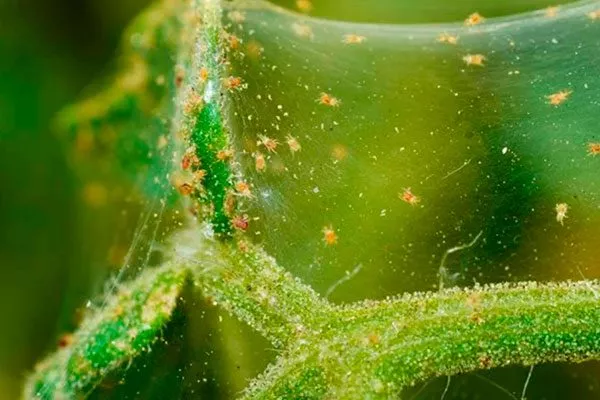
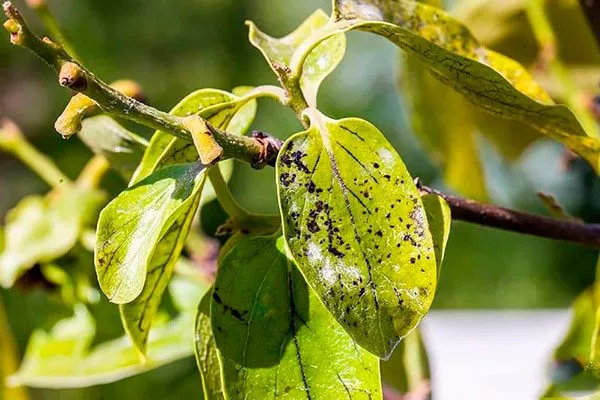
- Spider mite. It primarily parasitizes young shoots and leaves, causing yellowing and wilting. Excessive dryness and heat promote mite reproduction.
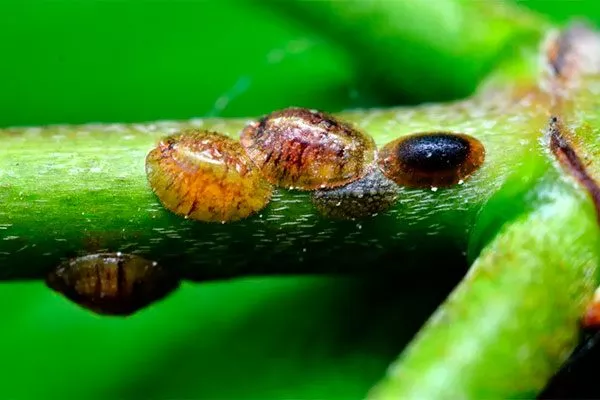
- Scale insect. The insect forms brownish scales on branches and trunks, damaging plant tissue and interfering with normal metabolism.
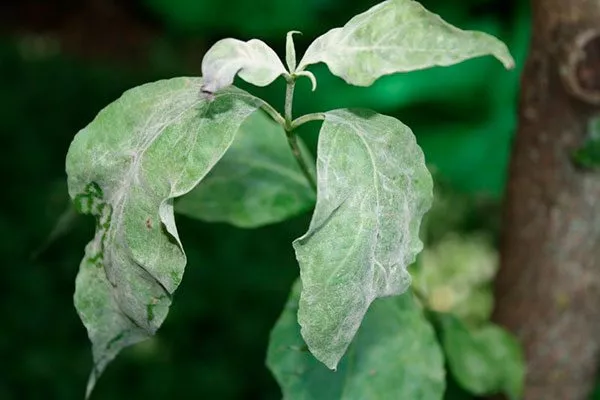
- Powdery mildew. The fungal disease manifests itself as a white coating on leaves and fruits, leading to stunted growth and fruit deformation.
- Anthracnose. The disease affects young leaves and shoots, manifesting itself as dark spots and ulcers, gradually destroying plant tissue.
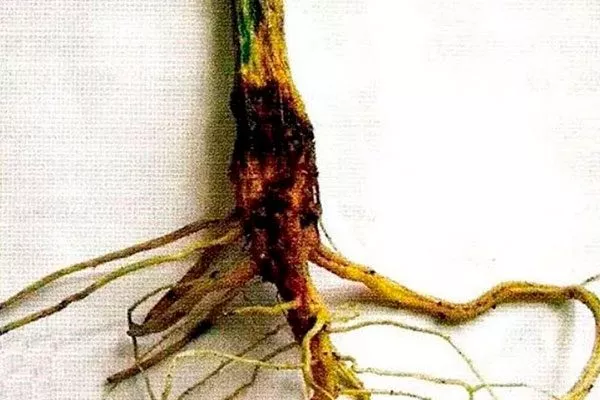
- Root rot. The disease occurs due to excess moisture and poor soil aeration, leading to gradual decomposition of the roots and subsequent death of the plant.
Methods of prevention and control of pests and diseases:
- Timely diagnosis. Visually inspect your plants regularly, looking for any signs of damage or discoloration of leaves and stems.
- Agrotechnical measures. Follow recommended watering and fertilization rates, avoid over-watering and over-saturation of the soil with minerals.
- Biological methods. Use natural remedies such as herbal infusions, biological preparations and entomophages (insect predators to destroy harmful parasites).
- Chemical protection. In case of severe damage, the use of insecticides and fungicides is permitted strictly according to the manufacturer's instructions.
- Quarantine measures. Introduce new plants into the general planting only after quarantine and checking for diseases and pests.
Premature harvesting
Picking unripe fruit is one of the most common mistakes made by novice gardeners. Unripe persimmons have a sour taste, a hard texture, and an unpleasant, tart tannin flavor. Furthermore, prematurely picked fruits lose their ability to fully ripen and develop their characteristic flavor.
Reasons for early harvest
Early harvesting is often motivated by the desire to protect the crop from birds, rodents, or adverse weather conditions. Many believe that storing unripe fruit at home will speed up ripening. However, this approach doesn't always produce the desired effect.
Negative consequences of early harvesting:
- Loss of taste and aroma. Unripe fruits contain a lot of tannins, which give them a bitter taste and viscosity.
- Small size and weight of fruits. Prematurely picked persimmons remain small and light, which negatively affects the overall yield.
- Increased risk of spoilage. Untimely harvesting increases the chances of fruit damage during transportation and storage.
How to determine if persimmon is ready for harvesting?
The fruits are considered fully ripe when they acquire their characteristic color, become soft, and separate easily from the stem. The following signs can be used as a guide:
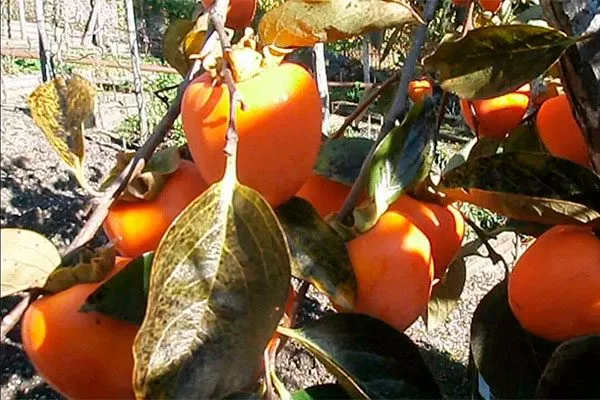
- The color of the fruit takes on a rich yellow or orange hue.
- The surface is slightly soft and elastic to the touch.
- The skin is smooth, shiny, without cracks or spots.
There are many nuances to growing persimmons, and following them will guarantee a bountiful harvest and healthy plants. Only systematic effort and attention to detail will create ideal conditions for the tree's growth and a bountiful harvest. Pay attention to detail, tend to your garden, and enjoy the fruits of your labor.