
Japanese persimmons are not only a delicious and healthy fruit, but also a cultural heritage rooted in Japan's centuries-old traditions. Thanks to their diverse varieties, shapes, and flavors, they attract the attention of gardeners and gourmets worldwide. Different varieties have unique characteristics, allowing you to choose the perfect one for your garden.
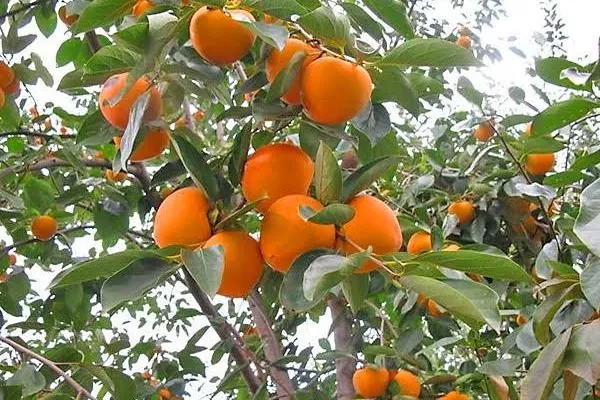
Name of the variety
Japanese persimmons come in a variety of varieties, each with its own distinctive flavor, fruit shape, and other characteristics. The variety name in Japanese is transliterated to make it easier to pronounce and recognize outside of Japan.
Some of the popular Japanese varieties are:
- 蜂屋 (Hachiya) – a hard variety known for its tartness until fully ripe. Once ripe, the fruits become very sweet and soft.
- 富有 (Fuyu) – a soft, sweet variety that can be eaten even when hard. The fruits are round and fleshy.
- 次郎錦 (Jiro Nishiki) – is distinguished by moderate astringency, a round shape and a sweet taste when ripe.
- 一倍市 (Ichibeechi) – a soft variety with bright orange fruit, sweet and aromatic when ripe.
- 国明 (Kunigake) – a lesser-known variety that is distinguished by its dense flesh and sweet taste when fully ripe.
- 竹島 (Takejima) – a rare species with juicy flesh, sweet and mild taste, suitable for fresh consumption.
Appearance
The crop attracts attention with its visual characteristics, which depend on the variety, climate, and ripeness of the fruit. The visual appeal of the fruit is important not only for consumers but also for farmers, as shape and color often influence the choice of variety for cultivation and sale.
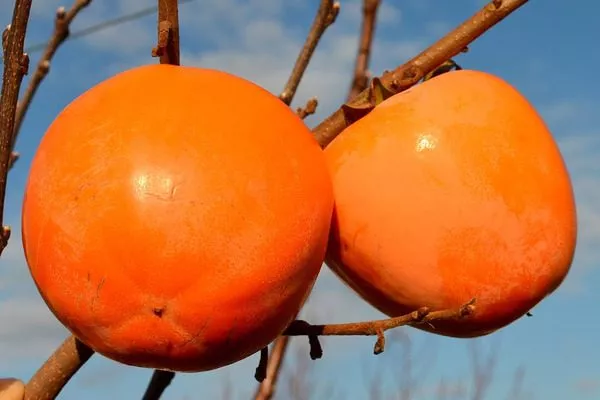
General characteristics of the appearance of Japanese persimmon:
- Form - Cone-shaped, oval, round, flat-round, or slightly elliptical. Some varieties have a fruit that tapers slightly toward the base, making them recognizable.
- Size - From 5 to 12 cm in length, the average fruit usually reaches about 7-10 cm. Weight varies from 70 to 200 g, depending on the variety and growing conditions.
- Color - From green to bright orange and red-orange when fully ripe. Some varieties may develop red, burgundy, or golden hues on the skin, adding a decorative touch.
- Surface – Smooth or slightly wrinkled. The presence of small dots or spots is acceptable and does not affect quality.
- Texture and density – Hard fruits retain their shape until ripening, while soft fruits are round, juicy, and sometimes almost gelatinous after ripening. The density of the flesh affects the flavor and transportability.
- Decorative features – Some varieties have unusual shapes or colors, making them attractive for fresh sale. Some varieties have a slightly ribbed or knobby surface.
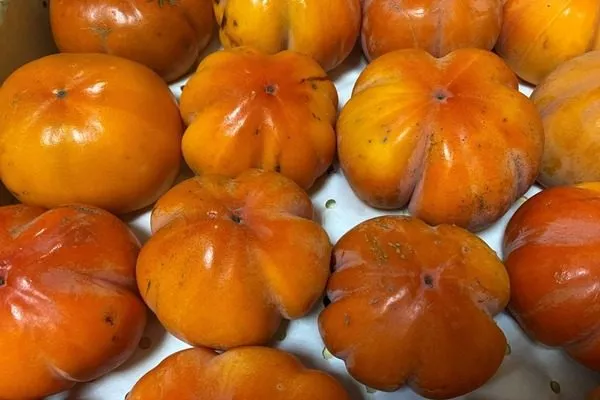
Japanese persimmons combine aesthetic appeal with practicality: a variety of shapes, sizes, and colors allows for a choice of options not only for home consumption but also for commercial cultivation, ensuring both beauty and high-quality fruit.
Features of taste
Flavor depends directly on the variety, ripeness, and growing conditions. One of the key characteristics is the difference between hard and soft varieties, which affects the tartness, sweetness, and aroma of the fruit.
General characteristics:
- Astringency. This is common primarily in hard varieties (such as Hachiya). Unripe fruits can be very astringent due to their high tannin content. This astringency disappears once fully ripened, when the fruit becomes sweet and soft.
- Sweetness. It's most pronounced in soft varieties (such as Fuyu), which can be eaten while still firm. In ripe, hard varieties, the sweetness appears after the flesh softens.
- Aroma. Ripe fruits are characterized by a bright fruity aroma, with subtle honey or floral notes. The aroma intensifies with full ripening and depends on the variety and storage conditions.

- Pulp. Hard varieties are dense and slightly creamy after softening, while soft varieties are juicy, tender, and almost gelatinous. Consistency directly influences the taste and consumption.
- Aftertaste. Sweet, soft, and delicate in most ripe fruits. Unripe, firm varieties may retain a slight tartness.
Culinary uses
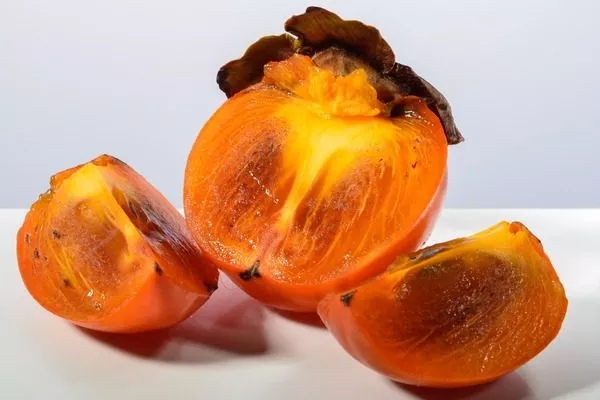
Japanese persimmons are widely used in cooking due to their varied flavors and textures. They are suitable for both fresh consumption and processing, making them a versatile fruit in the kitchen.
Basic recommendations for use:
- Fresh. Soft varieties can be eaten immediately, sliced or whole. Hard fruits are best left to ripen before eating to remove the astringency.
- Desserts. Persimmon pairs well with yogurt, ice cream, baked goods, and fruit salads—its sweet flesh adds a natural caramel flavor to dishes.
- Preservation and drying. Firm fruits are suitable for pickling, marinating, or making jam. Dried persimmons become sweet and aromatic while retaining their vitamins.
- Culinary experiments. Persimmon can be used in sauces, purees, mousses, and smoothies—the soft flesh makes the texture of dishes delicate and creamy.
- Combination with other ingredients. The fruit pairs well with nuts, spices (such as cinnamon or cardamom), citrus fruits, and berries, creating interesting flavor combinations.
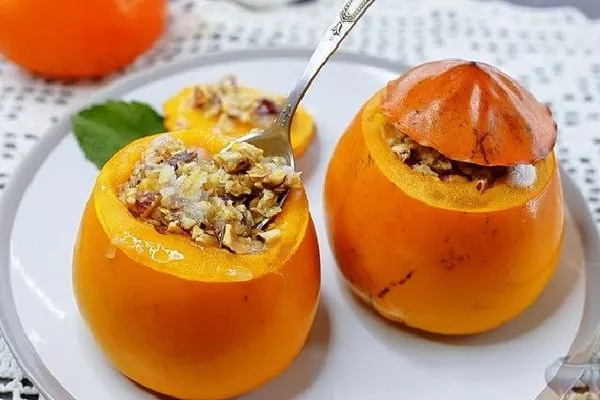
Persimmon is an ideal choice for both everyday eating and gastronomic discoveries.
Recommendations for storage and transportation
Japanese persimmons, due to the variety of textures and density of the fruit, require careful storage and transportation to preserve their flavor, aroma, and appearance.
Key recommendations:
- Temperature. Hard fruits can be stored at +0…+5°C for up to 2-3 weeks, soft ones – at +5…+10°C to avoid damage to the pulp.
- Humidity. Optimally – 85-90%, which prevents drying out and wrinkling of fruits.
- Deadlines. Hard fruits can be ripened at room temperature for 3-7 days before consumption, soft ones are stored less - 5-10 days in the refrigerator.
- Package. It is better to place fruits in cardboard or plastic containers with ventilation, avoiding tight pressure so that they do not get crushed.
- Transportation. Maintaining a moderate temperature and protecting from impacts is important. Soft fruits are best transported refrigerated, while hard fruits should be transported in protected packaging.

If necessary, fruit can be ripened at room temperature using paper bags or by placing the fruit near apples, which produce ethylene.
Optimal ripening and harvesting time
Determining the correct ripening time for Japanese persimmons is important for producing sweet, flavorful, and safe-to-eat fruits. Harvest time depends on the variety, weather conditions, and whether the fruit is intended for fresh or storage.
Key recommendations:
- Hard varieties. Pick the fruit before it's fully ripe, when it's bright orange but still firm. Let it ripen at room temperature for 3-7 days until the tartness fades and the flesh softens.
- Soft varieties. Pick the fruit when it's ripe, a rich orange color with soft, sweet flesh. These fruits are ready to eat immediately after picking.
- Definition of maturity. For most varieties, ripeness can be determined by the fruit's color, softness when lightly pressed, and the sheen of the skin. For some varieties, a slightly wrinkled surface indicates readiness for consumption.
- Time of year. Harvest from late September to November, depending on the region and variety.
- Collection technique. Carefully cut the fruit with the stems attached or twist it off slightly to avoid damaging the skin. Damaged fruit quickly loses quality.
Following these rules will allow you to obtain fruits with maximum sweetness, aroma, and attractive appearance, as well as prepare them for storage or further processing.
Notes on cultivation and care
Japanese persimmons vary widely in appearance, flavor, and texture. Each variety has its own unique characteristics and care requirements, which are important to consider to ensure healthy plants and a high-quality harvest.
Main differences and description:
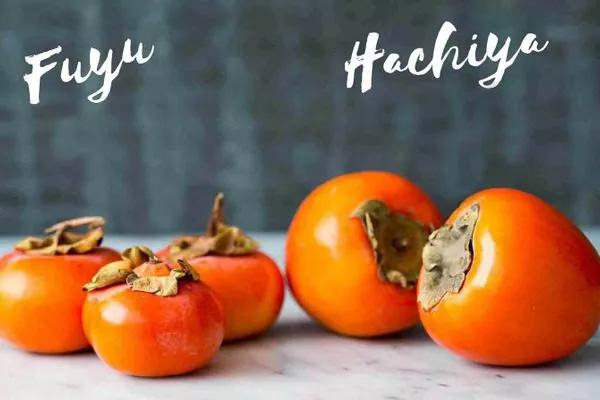
- Hachiya (Hachiya). A firm, cone-shaped fruit of a bright orange color. Tart before ripening, sweet and soft after ripening. Prefers sunny, sheltered areas.
The soil should be loose and well-drained. Regular watering is necessary during the fruit formation period. The fruit ripens after harvesting, making it easy to store and transport. - Fuyu. The fruit is soft, sweet, and flat-round. It's fleshy and juicy. It ripens on the tree and can be eaten immediately. It's less picky about soil and tolerates slightly heavier soils. Sunlight is essential. Pruning is recommended to shape the crown and improve ventilation.
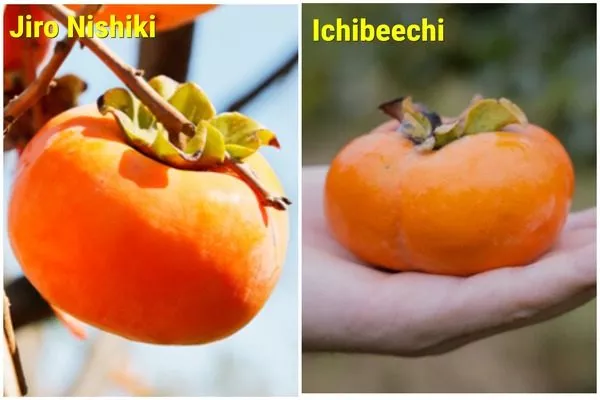
- Jiro Nishiki. A round fruit with a medium tartness. It becomes sweet when ripe. It tolerates moderate shade, but the fruit ripens best in full sun.
Suitable for regions with mild winters. Mulching the roots is required to protect them from frost. Regular watering is necessary during flowering and fruiting. - Kuniake (Kunigake). Firm fruit with moderate sweetness and vibrant color. Prefers sunny sites with light, organically rich soil. Requires moderate watering and root protection in winter. Fertilizing with organic and mineral fertilizers increases yield and fruit sweetness.
- Ichibeechi. The soft, juicy, and aromatic fruit is bright orange. It requires fertile, well-drained soil. Regular pruning and removal of weak shoots is recommended for a high yield. Bird protection may be necessary.
- Takejima. The fruit is rare, juicy, and soft when ripe. It requires a warm, sheltered location. Mulching and regular pruning are recommended to create a strong crown. Water moderately, especially during ripening, to prevent the fruit from cracking.
Tips for choosing a Japanese variety
The choice of persimmon variety depends on your goals, climate, growing conditions, and personal preferences for flavor and texture. Read on to learn how to properly plant and grow persimmons. Here.
To avoid mistakes and make the right decision, consider the following points:
- Soft varieties are better for fresh consumption, while hard varieties are better for ripening after harvesting and storage.
- Some varieties are more resistant to cold, while others require warm and protected places.
- Large fruits are convenient for consumption and sale, small ones are suitable for desserts and pickling.
- Hard varieties can be tart when unripe, while soft varieties can be sweet right away.

Varieties with unusual shapes and colors attract attention and decorate the garden, but may require more care. Easy-to-care varieties are suitable for beginning gardeners.
Japanese persimmons combine aesthetic appeal, a variety of flavors, and practicality. Understanding the characteristics of each variety, their climate, soil, and care requirements, helps gardeners grow high-quality, flavorful, and sweet fruits. Following these recommendations ensures trouble-free cultivation.