
Nanus is a miniature version of the common persimmon, developed for easy cultivation in confined spaces. Abroad, this variety is known as Nanus, but its origins are linked to Japan. It is suitable for direct consumption, drying, and making pies, and is ideal for decorating small gardens due to its low growth rate.
Description of the variety
The dwarf persimmon Nanus is a small tree 250-300 cm high and up to 150-200 cm wide, with a compact crown, making it an excellent solution for narrow gardens and limited spaces.
Varietal characteristics:
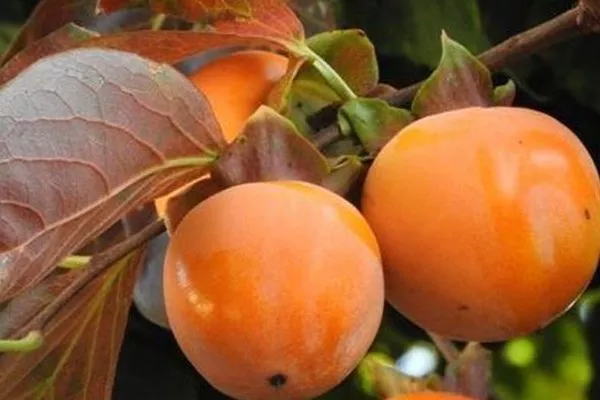
- The fruits of Nanus are round in shape;
- weigh 100, but some specimens reach 150 g;
- their color is bright orange, which gives the fruits an attractive appearance;
- the taste of persimmon is sweet, but with a slight tart tint;
- the pulp is juicy and densely compacted.
Main characteristics
The tree's vibrant budding begins in early spring, and the fruit is ripe for consumption in the fall. Thanks to its small size and attractive appearance, the dwarf persimmon Nanus promises to be a visual highlight in any garden corner, even on a balcony.
But there are other key characteristics:
- the harvest period begins on October 20, and their shelf life is approximately three months;
- One small tree of this variety can yield a harvest of 50-70 kg, which is considered a highly productive property;
- Dwarf persimmon Nanus is distinguished by its impeccable resistance to various diseases and insects, which makes its cultivation easier and more effective;
- the variety has the ability to self-pollinate, which is an additional plus;
- The tree begins to bear fruit in the fourth or fifth year after planting.
Planting and care
To ensure that persimmons develop quickly and grow without interference, several important points should be taken into account:
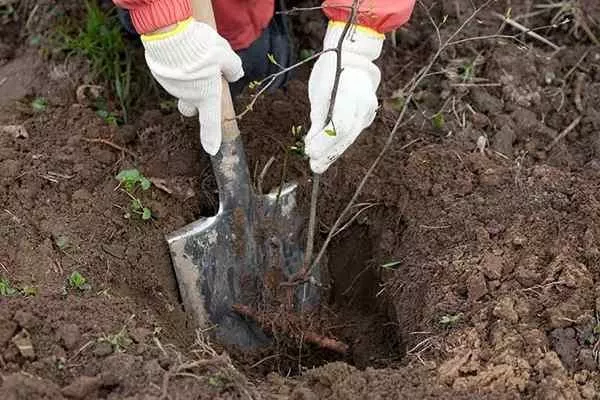
- the ideal period for planting seedlings is spring (from March to May) or autumn (until October and even early November in the southernmost half of the country);
- the selected area should be maximally illuminated by the sun, which has a positive effect on the quality and sweetness of the fruit;
- The soil suitable for persimmon is either neutral or slightly acidic, with loam or sandy loam being ideal for the root system;
- the minimum distance between plantings is 200-300 cm to ensure free passage of air to the crowns;
- Moisturizing is a key procedure in the process of caring for a tree of this variety - in the first five years of the persimmon's life, it is necessary to ensure that the soil is always moist, after which one watering per month is sufficient;
Pros and cons
This variety has exclusively positive characteristics:
Gardeners do not mention any shortcomings in their reviews – perhaps this is due to the fact that the Nanus variety appeared in our country relatively recently.
Reviews
The dwarf Nanus tree doesn't take up much space in the garden, quickly begins fruiting, and produces a bountiful harvest of sweet, honey-sweet fruits. Persimmon is frost-resistant and easy to grow, but acquiring seedlings in our country is still problematic.