
Medovaya is a popular persimmon variety among Russian gardeners, producing a harvest in the fall. Its signature feature is its incredibly delicious, marmalade-like flesh. These beautiful, sunny fruits are a rich source of vitamins, essential for boosting our immune system as winter approaches.
Description of the variety: features of appearance and characteristics
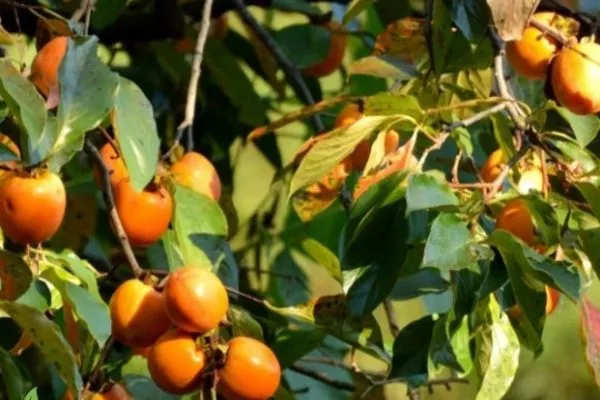
The persimmon tree vaguely resembles an apple tree. It is distinguished by its relatively short stature, averaging 5 meters. The appearance of this garden tree includes the following characteristics:
- trunk: twisted, knobby, covered with dark brownish-gray peeling bark;
- crown: wide, sparse, "torn";
- shoots: intensively branching, covered with smooth grey bark;
- foliage: oval with a pointed tip, dense, leathery, with clearly defined veins, glossy, dark green on the outside, light green on the back;
- flowers: small in size, pale in color (white or yellowish), cup-shaped, consisting of 4 petals.
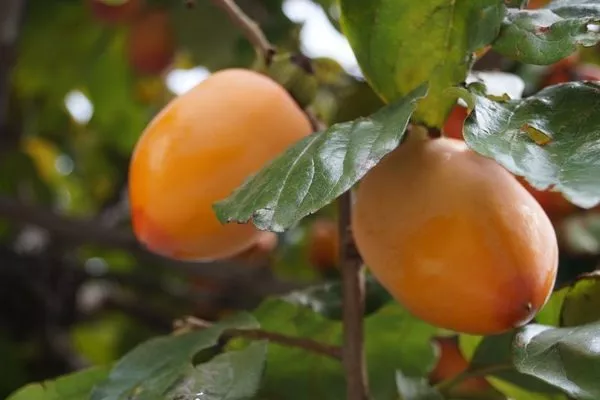
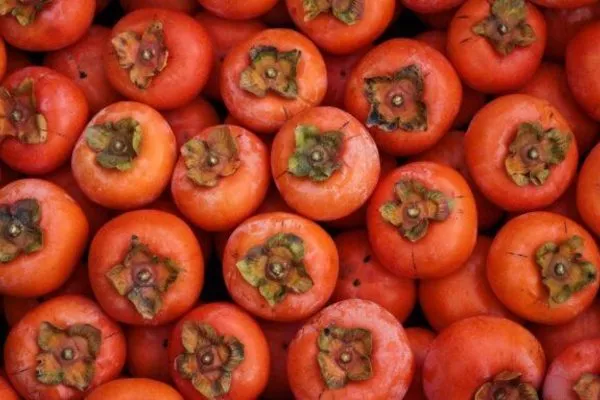
The honey variety's harvest delights gardeners with its large size and attractive appearance. The fruits possess the following characteristics:
- weight - 250 g;
- ovoid shape;
- beautiful yellow-orange color;
- skin: thin, smooth, fragile;
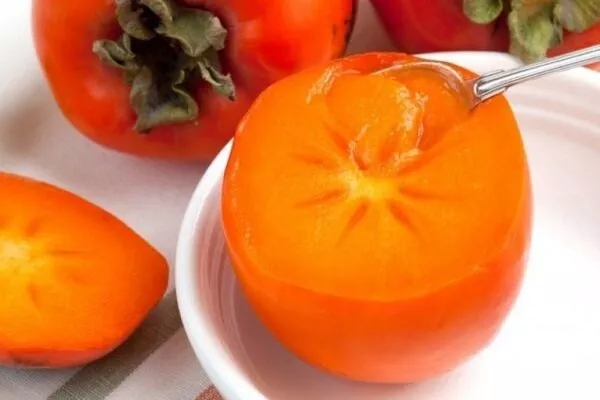
- pulp: dark orange with a reddish tint, jelly-like when ripe, juicy, seedless.
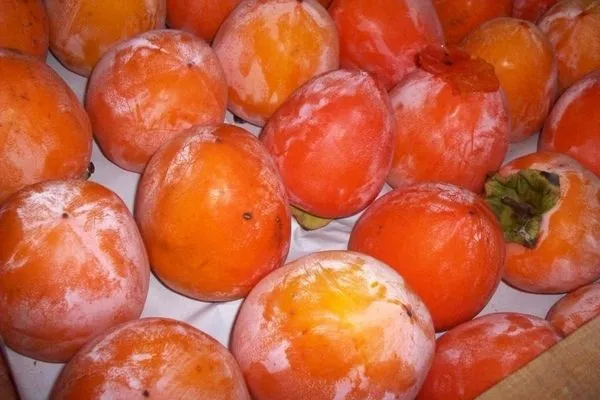
Due to its thin skin and soft, runny interior, persimmons are unsuitable for long-term storage and transportation. They bruise, leak, and lose their marketable appearance during transport. When grown for sale, they are picked from the tree when unripe.
The fruit's taste is superb. Ripe specimens have a rich, sweet flavor with honey-melon notes. The fragrant flesh is tender and juicy, melting in the mouth. It's reminiscent of marmalade eaten with a spoon. It can be a bit cloying. It's not astringent (a characteristic of ripe fruit).
This persimmon variety blooms in late May or early June. The fruit begins to be harvested from the branches at the following times:
- In October, unripe fruits intended for transportation and sale are harvested;
- In the first half of November - slightly overripe fruits left for personal consumption.
This variety is self-sterile. Other persimmon varieties must be grown nearby to ensure pollination. The best companions for Medovaya are considered to be:
- Royal;
- Furuga.
These plants thrive on warmth and sun. They have moderate frost resistance. They can withstand temperatures as low as -20°C if properly insulated for the winter. They are recommended for cultivation in the south of the country or in Crimea.
The harvest has versatile uses. The fruits are eaten fresh and used in home cooking. They are used to make desserts and sweets (marmalade, jam, jelly), juices and smoothies, added to baked goods as a filling, and used to make compotes and jelly. They are also paired with soft cheese and nuts for a unique snack.
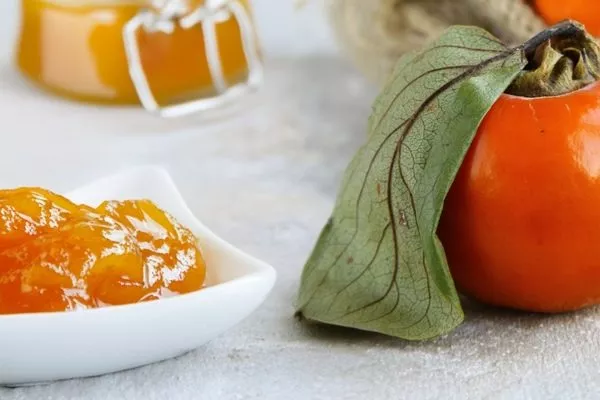
Persimmons are not only suitable for preparing various delicacies and culinary delights. Housewives also use them in cosmetology and folk medicine:
- freshly squeezed juice is a cure for scurvy, an expectorant;
- Tea made from dried fruits is a source of vitamin C, strengthens the immune system, and helps fight infections;
- pulp masks rejuvenate the skin, improve complexion, relieve irritation, tighten pores, and prevent acne;
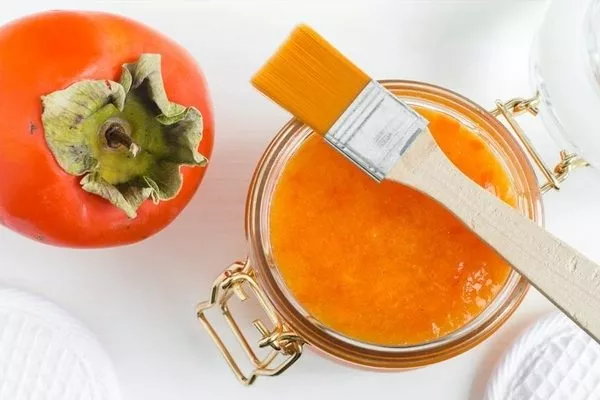
- Persimmon juice lotion helps with acne, eczema, burns, and boils;
- Dried fruit powder is a remedy for age spots.
Chemical composition
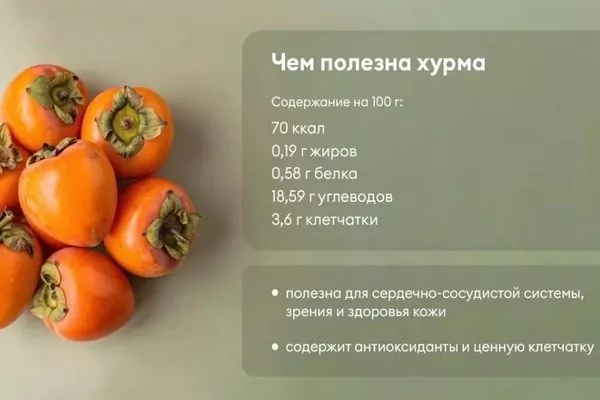
The honey variety's healing properties are due to its rich chemical composition. The pulp of this exotic fruit is rich in beneficial substances:
- vitamins C, A, PP, E, group B;
- pectins;
- natural sugars;
- fruit acids;
- tannins;
- minerals (potassium, phosphorus, sodium, calcium, magnesium, zinc, iron, selenium, manganese, iodine).
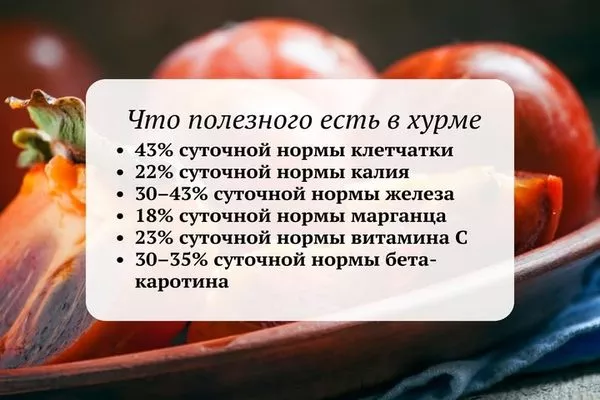
This natural delicacy is considered a low-calorie product. 100 g of pulp contains 53 kcal. Fresh, the fruit is suitable for dietary nutrition.
Benefits of Honey Persimmon
By regularly enjoying fresh, sunny-colored fruits, you will improve your health and experience many different healing effects:
- Improve your gastrointestinal function. Due to its high pectin content, the pulp has a soothing effect on the intestinal mucosa. The product improves peristalsis and promotes the elimination of undigested food. Overripe fruits that are not astringent are a good remedy for constipation.
- You will activate your brain, increase your resistance to stress, get rid of anxiety and insomnia, and calm your nerves.
- Increase your vitality thanks to the fruit's invigorating properties and get rid of chronic fatigue.
- Improve your vision thanks to the abundant carotene content in the pulp, which gives it an orange color.

- Prevent cancer. This effect is due to the presence of naphthoquinones in persimmons—substances that have the ability to suppress the development of tumors, including malignant ones.
- Improve your heart and blood vessel health thanks to the fruit's rich minerals, potassium and magnesium. This delicacy also helps lower blood pressure and bad cholesterol levels.
- Normalizes blood composition, which will help alleviate anemia. This sunny fruit contains a lot of iron, which increases hemoglobin levels.
- Get rid of swelling thanks to the diuretic effect of this sweet treat. This delicacy helps the body eliminate excess fluid.
- Strengthen your immune system thanks to the abundance of ascorbic acid in the pulp. This fruit is recommended for those who have undergone surgery or are weakened by a long illness.
- Improve your mood. Eating honeysuckle fruits increases endorphin levels, inducing a feeling of happiness. It's a natural antidepressant that helps balance emotions.
Contraindications and possible harm
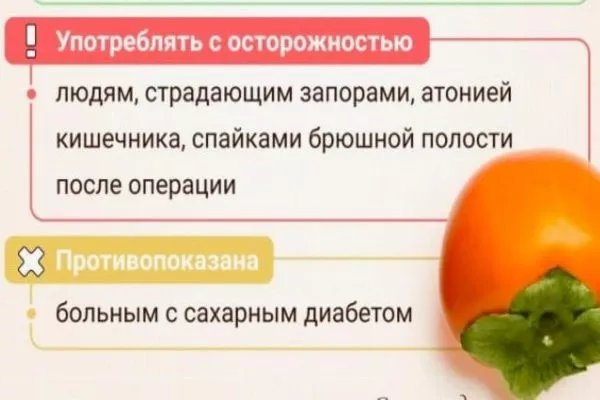
Honey persimmon also has some restrictions regarding its consumption. It is contraindicated for those suffering from the following health conditions:
- diabetes mellitus;
- stomach ulcers and acute gastrointestinal diseases;
- renal pathologies;
- allergies.
Doctors do not recommend pregnant women, nursing mothers, or children under one year of age to consume this exotic fruit due to the risk of developing individual intolerance reactions, diarrhea, and dehydration.
What is the difference between Honey and Mandarin?
You can purchase honey persimmon seedlings labeled "Mandarin" at nurseries and online stores. This name refers to a subspecies that has some differences from the original, including the fruit's appearance and flavor:
- SizeThe Medovaya persimmon yields a larger harvest, with fruits weighing 250 g. The Mandarin persimmon yields a smaller harvest (150-180 g).
- ColorThe original variety's color is yellow-orange. Its subspecies is more intense, with a reddish tint.
- TasteThe pulp of the honey fruit is cloying, with hints of melon and fragrant honey. The Mandarinova harvest has a slight citrus tartness, harmoniously balanced with a nectarine sweetness.
Landing conditions
Set aside a plot of land in your garden for this southern crop that has the following characteristics:
- protected from cold winds and drafts (preferably with protection in the form of a fence and other trees);
- sunny (the planting site should be well lit during the day to speed up the ripening of the crop and ensure its better quality);
- elevated (do not grow persimmon in lowlands where it is damp and cold);
- not flooded by groundwater;
- with loose, fertile, drained soil (loamy or sandy loam), characterized by a neutral or slightly acidic reaction.
Begin planting in the fall or spring, between September and November or March and May. Follow these step-by-step instructions:
- Dig a hole based on the size of the root ball containing the persimmon seedling's roots. It should hold at least 50 liters. If you plan to plant several trees, leave 3-5 meters between the holes.
- Create a drainage layer at the bottom. Use pebbles, expanded clay, or broken brick for this purpose.
- Partially fill the hole with a mixture of fertile soil and compost (or humus). Form it into a mound.
- Place the Medovaya plant in the center of the hole on a mound of nutritious soil mixture. Spread out the roots and cover them with soil. The root collar should be 5 cm deep.
- Drive a stake in. Tie the tree to it.
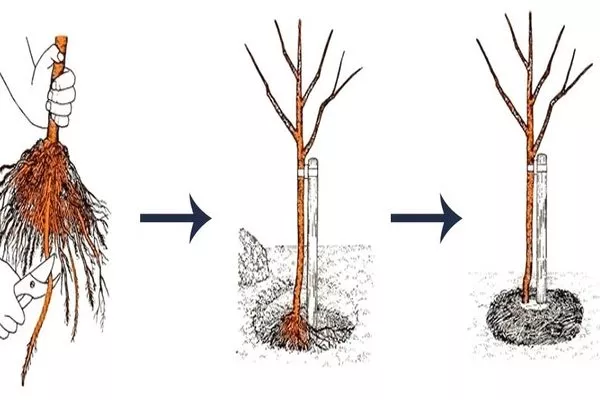
- Water the seedling generously with lukewarm, settled water.
- Cover the area around the tree trunk with straw or hay to better retain moisture in the soil.
Care
To maintain the health of your fruit tree and ensure abundant fruiting, provide it with proper care. Pay special attention to watering, fertilizing, and crown shaping.
Watering
During the persimmon's active growth period, from March to October, moisten the soil regularly. Don't allow the soil to dry out too much. This plant thrives on moisture. Avoid waterlogging to prevent root rot. When watering, follow these rules and recommendations:
- During periods of prolonged heat, water the tree frequently (every other day) and also spray the crown;
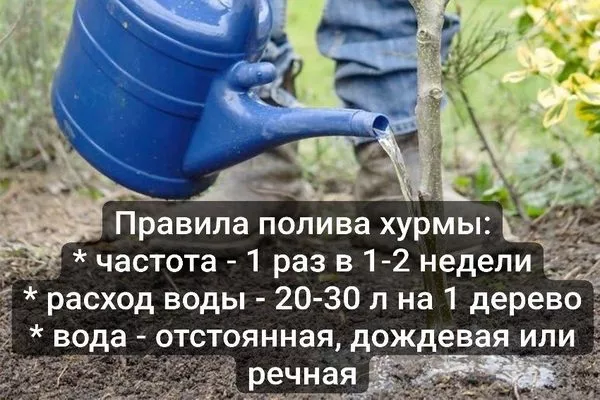
- water mature trees once every 2-3 weeks, increasing the frequency during flowering and fruiting to once every 7 days;
- do not allow the soil to dry out to a depth of 30 cm (the plant may die);
- use river or rainwater, heated in tanks in the sun;
- use 20-30 liters per 1 plant;
- If possible, set up a drip irrigation system.
Don't forget to loosen the soil around the tree trunk to improve air circulation. Remove weeds, as they can harbor insects and pathogens.
Fertilizer
Apply nutrient solutions from spring to late summer to ensure abundant fruiting of the Honey plant. Feed once a month. Use the following fertilizers:
- organic matter (compost extract, humus, overripe manure);
- mineral, including NPK complexes.
In spring, water the tree with a solution of mullein or urea. During flowering and fruiting, apply a phosphorus-potassium fertilizer. Repeat this application in the fall after harvesting to increase winter hardiness.
Trimming
Carry out a formative procedure to create a beautiful crown. Immediately after planting, shorten the central stem to 80 cm to stimulate branching. After a year, prune the top and side shoots longer than 50 cm again. Remove any branches that grow incorrectly.
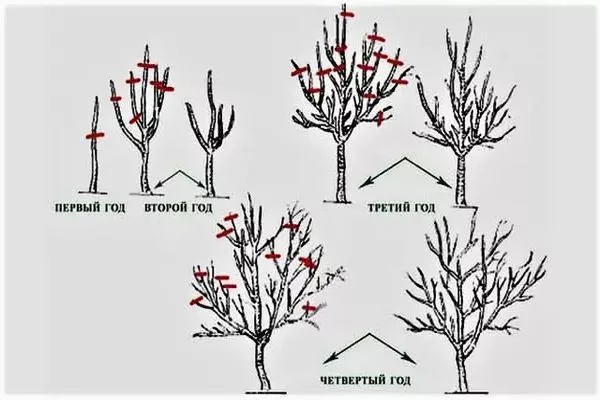
Once the persimmon tree reaches fruiting age, thin out the crown from time to time and regularly carry out sanitary pruning, removing unproductive branches:
- dry;
- damaged;
- broken;
- frozen;
- with signs of disease;
- affected by parasites.
Pros and cons
The variety is popular in the Russian Federation due to its many positive characteristics:
Gardeners note that the Honey persimmon has several significant drawbacks:
Reviews
Medovaya is a popular persimmon variety, whose main advantage is its excellent taste. It is chosen by those who enjoy this exotic fruit without astringency or bitterness. It is not suitable for commercial cultivation due to its thin skin and liquid, gelatinous flesh, but it is good for personal consumption and is suitable for making healthy sweets.