
Chocolate Kinglet (Diospyros lotus) is the name of one of the most popular persimmon varieties in Russia, characterized by good yields and disease resistance. Its hallmark is the dark color of its flesh, which is incredibly sweet.
Description of the Korolek persimmon variety
Trees of this variety are tall, visually resembling cherries. Their height ranges from 8 m to 12 m. The appearance description includes the following characteristics:
- dark colored bark;
- lush rounded crown;
- leaves: dark green (the back side is a lighter shade), oblong.
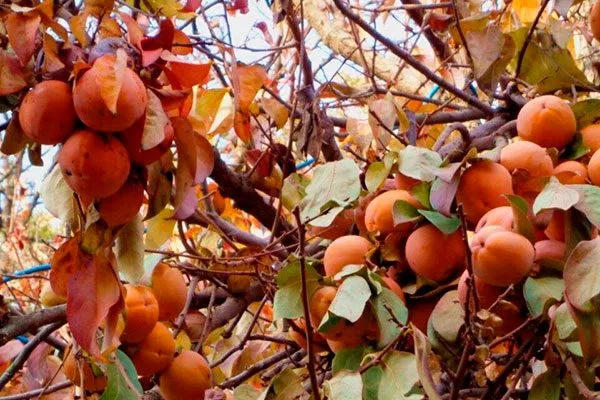
An interesting feature of the Korolek persimmon is its ability to shed unwanted ovaries on its own.
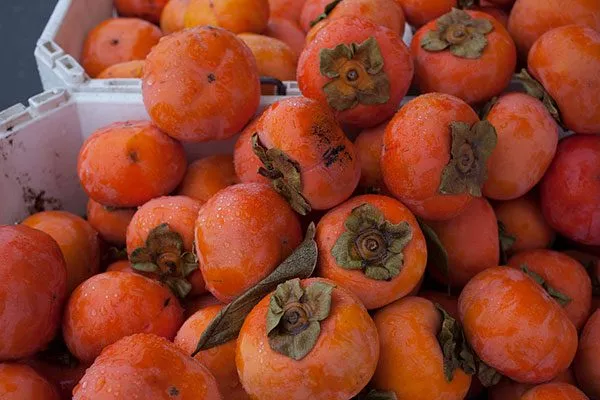
The fruits of the Chocolate variety are quite large, averaging 130-150 g. Under favorable growing conditions and with proper care, giant specimens can be grown, reaching 700 g.
Fruits are characterized by their external appearance:
- rounded shape, somewhat flattened on the sides;
- thin skin of a rich orange color;
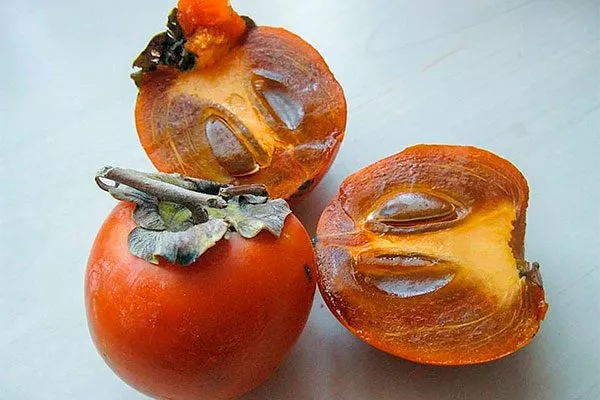
- pulp: dark chocolate color, moderately soft, tender, juicy, with a creamy consistency and a large number of oblong seeds (up to 10 pcs.).
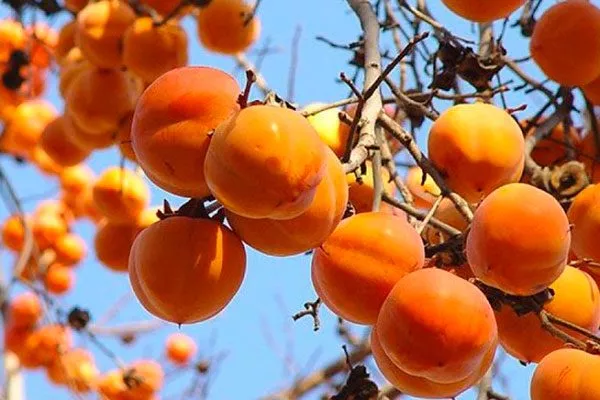
This persimmon variety is considered the sweetest of all existing varieties. The harvest yields excellent tasting fruit. Fully ripened fruits delight the consumer with their lack of bitterness, astringency, and astringency.
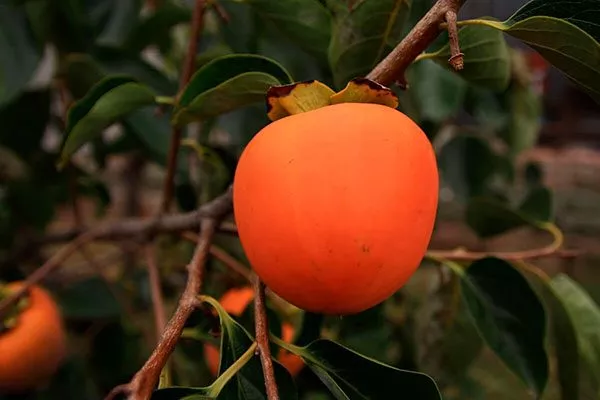
To identify the sweetest, melt-in-your-mouth chocolate kinglet fruits, look for these signs:
- richly colored skin through which the brown flesh can be seen;
- the presence of dark spots and stripes on the surface of the persimmon.
The chocolate variety's harvest is characterized by good shelf life and transportability. Those picked from the branches at technical maturity have the longest shelf life.
Characteristics of persimmon
This fruit variety boasts many excellent technical characteristics. Familiarize yourself with them if you plan to grow it in your garden.
Frost resistance of Korolek persimmon and growing regions
The Chocolate variety has average winter hardiness. Trees tolerate temperatures within the following ranges:
- from -12°C;
- up to -18°С.
The recommended frost hardiness zone for growing garden crops is zone 7. This is a warm subtropical climate, humid, with mild winters.
Korolok can be grown in the southern regions, Crimea, and the Caucasus. It is successfully grown by gardeners in the Stavropol and Krasnodar Krais and the Volgograd Oblast. In the rest of the country, greenhouse cultivation is recommended.
To ensure persimmons survive the winter safely, experienced gardeners resort to measures that help increase the plant's cold resistance:
- carry out pruning on time;
- fertilize the crop;
- Young trees are carefully insulated.
When does the Korolek persimmon ripen?
This fruit variety blooms in May. At this time of year, the trees are covered with an abundance of burgundy-green or yellow buds. These are pollinated by insects attracted by their rich aroma.
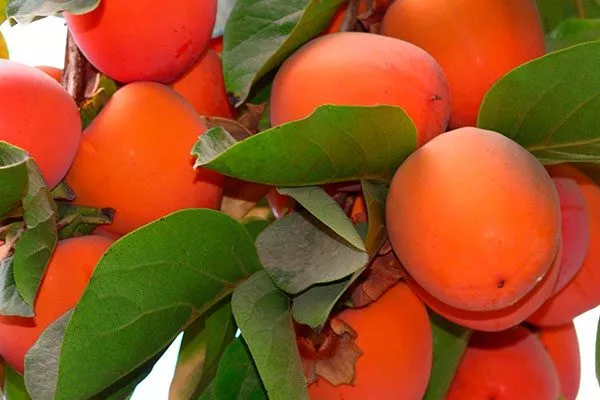
The Chocolate variety is self-fertile. Having other persimmon varieties in the garden is encouraged, as it increases plant productivity and improves the taste of the fruit. The most suitable varieties for this purpose are:
- God's gift;
- Mider;
- Mount Hoverla;
- Nikitskaya burgundy;
- Sosnovskaya.
Persimmons reach productive maturity in their third to fourth year. The Korolok harvest is considered mid-season. The fruits begin to ripen in October, after the leaves have fallen and frost has set in. They remain on the branches until late November, becoming even juicier and sweeter. One tree yields between 40 and 60 kg of fruit.
Composition and benefits of Korolek persimmon
Chocolate-colored persimmons are a healthy, natural treat. 100 grams of pulp contains 50 kcal. Due to their low calorie content, the fruit is suitable for dietary use. It is 80% water and 20% carbohydrates. Persimmons are rich in many nutrients beneficial to human health, including:
- retinol (vitamin A), which improves visual acuity, improves skin condition, and strengthens the immune system;
- ascorbic acid (vitamin C), which provides the body with protection from free radicals, making it more resistant to infections;
- tocopherol (vitamin E), which has a positive effect on the reproductive system, is necessary for the health of the heart and blood vessels, and combats dry skin;
- phylloquinone (vitamin K), which ensures the strength of bone tissue and plays an important role in blood clotting;
- thiamine (vitamin B1), which is involved in the process of metabolism and hematopoiesis, contributing to the normal functioning of the brain, heart, and muscles;
- pyridoxine (vitamin B6), necessary for the normal functioning of the immune and nervous systems, helping with gastrointestinal disorders, skin diseases and anemia;
- potassium, maintaining water-salt balance, ensuring heart health, necessary for the body for cellular metabolism;
- copper, influencing the activity of hormones and enzymes, promoting the production of energy by cells, having an anti-inflammatory effect, and increasing immune protection.
Enjoying the Chocolate King will improve your health, enhance your appearance, and lift your mood. The fruit also provides numerous benefits for your heart, nervous system, and endocrine system.
The product also has contraindications. It should not be included in the diet of people suffering from the following pathological conditions:
- acute gastrointestinal diseases, in particular ulcerative colitis, gastritis, enteritis;
- chronic constipation (the fruits contain tannins, which aggravate the problem);
- kidney stones (the fruit has a diuretic effect);
- diabetes due to the high sugar content in the pulp;
- individual intolerance to the product.
Korolek should be included with caution in the diets of young children, pregnant women, and nursing mothers. It can provoke an allergic reaction.
Landing
Whether the persimmon will take root in your area, grow well, and bear fruit depends on the correct execution of the work.
Growing site and soil requirements
Plant the Chocolate Kinglet fruit tree in your garden on a plot that meets a number of requirements.
It should be:
- sunny;
- protected from drafts and gusts of wind;
- not subject to flooding (with deep groundwater);
- well drained;
- with loamy soil or black soil containing sand impurities.
Other crops should not shade the Korolka seedling or compete with it for water and nutrients. Avoid planting tall, spreading fruit trees too close to it. Currant or gooseberry bushes make good neighbors.
Planting in the garden
Plant in spring (April) or fall. In the first case, wait until the weather warms up and the soil reaches 15°C. The plant will gain strength during the summer and survive the winter. In the second case, you'll need to plant before the cold weather sets in. Plant 3-5 weeks before the first frost.
- in September - in areas with a temperate climate;
- in October-November - in the subtropics.
A tree purchased from a reputable nursery has a better survival rate than one grown from a seed.
Follow the recommendations of experienced gardeners when choosing planting material for the chocolate variety:
- inspect all parts of the plant: aboveground, root system;
- refuse to purchase if you see damage, rot, signs of disease or the presence of pests on the persimmon seedling;
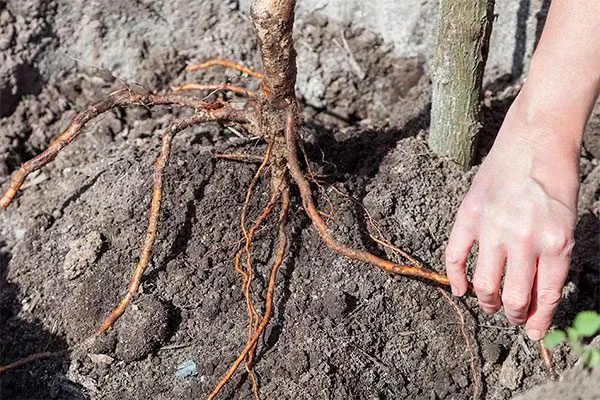
- the tree trunk must be strong, the foliage must be healthy, without spots, the roots must be well developed;
- give preference to a two-year-old tree (you can also buy a one-year-old one, but it will require more attention and care);
- It is advisable to buy a persimmon with closed roots (a seedling with a lump of earth, growing in a container).
Hurry to plant the plant you bought from the nursery. Do this on the same day or the following day, no later than that. Before planting, soak the plant in water for 2-3 hours. Follow these step-by-step instructions:
- Dig a hole based on the size of the seedling. Its diameter should be 20-30 cm larger than the root system. Optimal dimensions: depth – at least 50 cm, length – 50-60 cm, width – 50-60 cm. Volume – at least 50 liters.
- Line the bottom of the hole with broken brick or expanded clay. Partially fill it with a mixture of black soil and manure (or humus). Form it into a mound.
- Place the persimmon on the mound and spread out its roots.
- Cover them with soil. Deepen the root collar no more than 7-10 cm.
- Water the plant. Use warm, settled water.
- Mulch the seedling with compost or peat
If you're planting multiple Korolka trees, maintain a distance of 4 meters between them. Provide support to prevent the plant from leaning. Be sure to bury the grafting site.
Care instructions
Fruit crops aren't easy to grow in the garden. They're quite demanding when it comes to proper agricultural practices. Mistakes in care can lead to weakened immunity, disease, and poor fruiting.
Watering, fertilizing
Persimmons are moisture-loving. They don't tolerate prolonged periods of drought well. They also don't tolerate overwatering or waterlogged areas. In such conditions, they become susceptible to disease and can even die.
To avoid problems, follow the rules for watering the planting:
- On hot days, carry out the procedure once a week, arrange a shower for the crown, place open containers of water nearby;
- water adult trees once every 2-3 weeks (more often during the fruiting period);
- let the soil under the plant dry out to a depth of 5-7 cm between waterings;
- water the crop generously (use 80-120 liters per adult tree);
- do this in the evening;
- use warm, settled water (preferably river or rainwater);
- Adjust the watering regime taking into account the amount of precipitation to prevent waterlogging of the area and the development of root rot.
To retain moisture in the tree trunk area, mulch it with organic matter after each watering. Use straw, humus, peat, or compost.
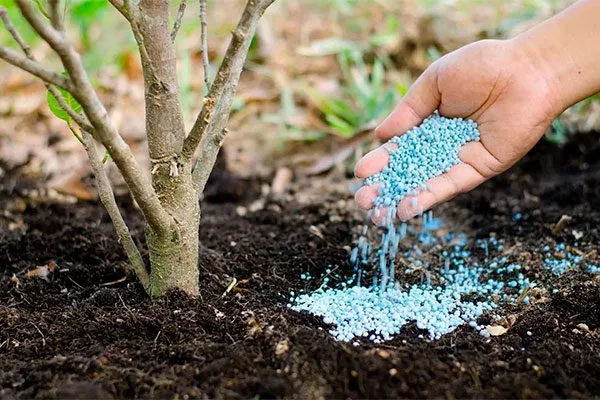
Persimmons respond well to fertilizing. Fertilize the fruit tree three times per season, following this schedule:
- in the spring, when the buds are opening, apply nitrogen fertilizers such as urea and saltpeter or organic matter (for example, a solution of mullein, chicken manure);
- during the flowering period - phosphorus-potassium mixture such as superphosphate, potassium sulfate or NPK mineral complex;
- in the fall, after the harvest, Re-apply a fertilizer rich in potassium and phosphorus to increase the crop's winter hardiness.
At the end of the summer season, apply foliar fertilizer to your persimmon. Spray the foliage with a 0.5% solution of potassium sulfate or 0.02% potassium iodide.
Preparing for winter
This variety isn't particularly frost-resistant. When grown in a temperate climate, it's essential to insulate the trees before the cold weather sets in, especially for young specimens under four years old.
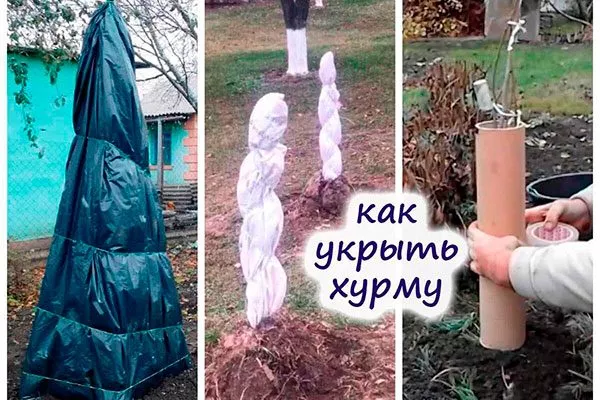
Conduct events:
- mulching the tree trunk circle (organic layer - at least 20 cm);
- hilling the trunk (pour mulch into a mound, covering the grafting site);
- wrapping the lower part of the tree up to the lower branches with burlap, agrofibre, paper or cardboard in several layers.
Experienced gardeners build a frame structure for the Korolok for the winter using pegs, wire, and agrofibre, ensuring the temperature inside does not drop below +5°C.
Trimming
When growing the chocolate persimmon variety, remember to carry out shaping procedures. Begin this immediately after planting the persimmon in your garden.
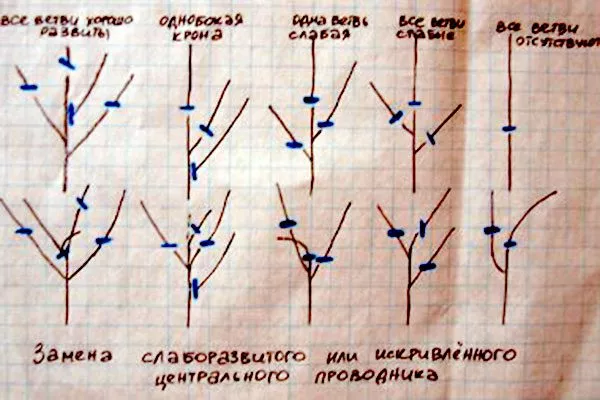
Follow the rules:
- trim the central conductor to a height of 80 cm to stimulate the growth of skeletal branches;
- after a year, shorten it again, fixing it at a level of 1.5 m, trim the side shoots, remove excess branches: damaged, dry, having the wrong direction of growth and thickening the crown;
- if the branch length is up to 50 cm, there is no need to shorten it;
- Use sharp and disinfected tools to avoid introducing infection and damaging the tree;
- Carry out the procedure, making sure that the persimmon is in a dormant state (do not perform it during the period of sap flow).
Once the plant reaches productive age, only thin out the crown and perform sanitary pruning.
Pest and disease control, prevention
The chocolate kinglet delights gardeners with its strong immunity. When grown in favorable conditions and properly cared for, the tree is disease-free. However, poor agricultural practices, particularly overwatering, can cause it to suffer from infections:
- powdery mildew;
- root and gray rot;
- bacterial cancer;
- fusarium;
- black spot;
- scabies.
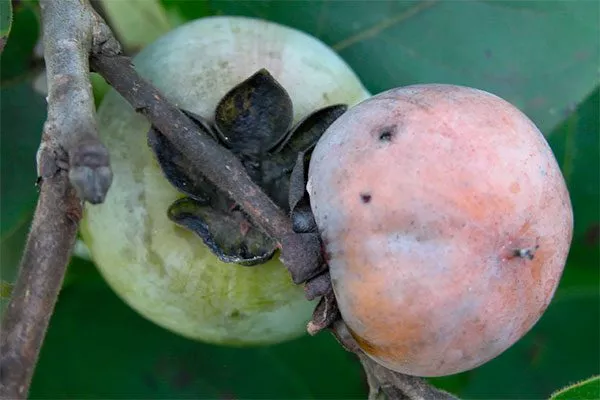
Inspect your persimmon regularly to detect the first signs of disease. Pruning, proper watering and fertilizing, loosening the soil, and preventative treatments in the spring and during flowering can help prevent their development:
- Topaz;
- Fitosporin-M;
- Horus;
- copper sulfate;
- Actofit.
If a problem is identified, apply a suitable fungicide, such as a weak solution of potassium permanganate or Bordeaux mixture. If necessary, replant the tree in a new location with disinfected soil.
If poorly cared for, the Chocolate Kinglet suffers from pest attacks, including spider mites, scale insects, fruit flies, cockchafers and their larvae, mealybugs, and others. These pests damage the bark, young branches, and foliage, causing a decline in yield and even death. Use insecticides and folk remedies to control them.
Methods of reproduction
To obtain new plants of this persimmon variety, experienced gardeners use various methods, in particular:
- by cuttings;

- vaccination;
- growing from a seed.
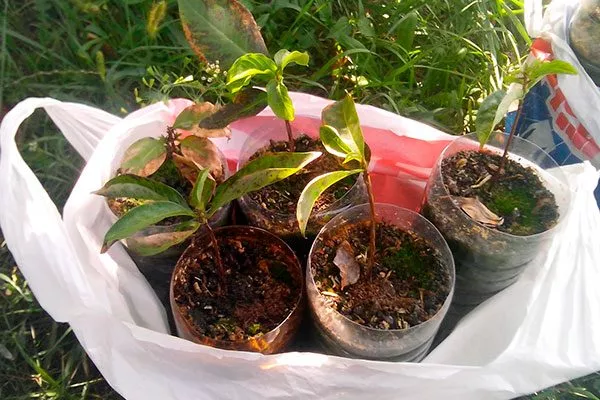
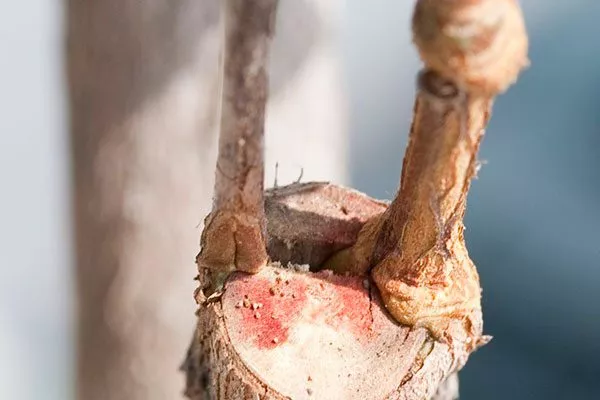
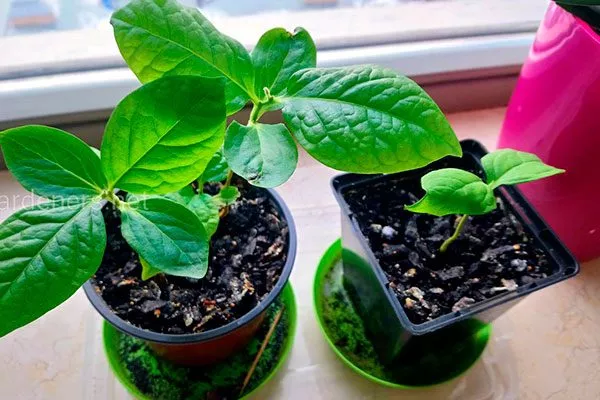
The first method is the easiest way to propagate Korolek. Cuttings allow you to quickly obtain mature plants and ensure the preservation of all the characteristics of the chocolate variety. Grafting, on the other hand, allows you to combine the desired qualities of different varieties.
Growing seedlings from seeds is a long and labor-intensive process. Gardeners rarely practice it. It doesn't guarantee a tree with the varietal characteristics.
Pros and cons
The chocolate variety of this fruit crop is popular with domestic gardeners due to its many excellent qualities:
Reviews
The Chocolate King is a popular persimmon variety among Russian gardeners and farmers, considered the sweetest of all existing varieties. It is prized for its lack of astringent aftertaste, high tree productivity, and disease resistance. It thrives especially well in Crimea and southern Russia.