
Persimmon is a popular autumn and winter fruit, renowned for its nutritional properties and rich flavor. To enjoy all the benefits of this delicacy, it's important to know how to determine the fruit's ripeness. Knowing the correct ripeness level ensures maximum flavor enjoyment and the preservation of all its valuable components. Let's look at the key criteria for assessing persimmon ripeness.
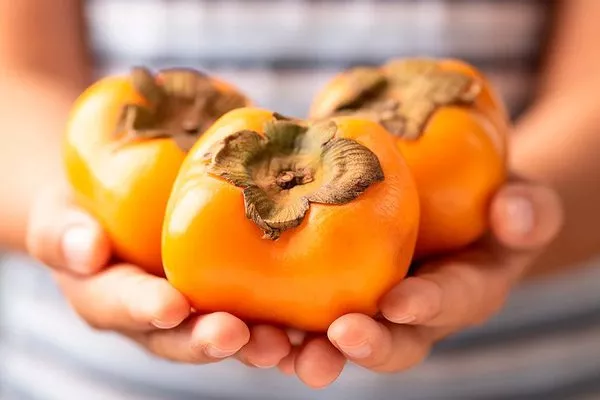
The benefits of ripe persimmons and the harm of unripe ones
Ripe persimmons are a treasure trove of vitamins and beneficial microelements essential to our bodies. This delicious fruit possesses a number of unique properties that make it a valuable food.
What are the benefits of ripe persimmons?
- A good source of antioxidants. Persimmon is rich in vitamins A, C, and E, beta-carotene, lutein, and zeaxanthin. All these antioxidants help protect the body from free radicals, reduce the risk of cardiovascular disease, and improve vision.

- Rich in dietary fiber. The high fiber content supports the digestive system, reduces cholesterol and blood sugar levels, and improves metabolism.
- Supports immunity. Thanks to its high content of vitamin C and zinc, persimmon strengthens the immune system and increases resistance to infectious diseases.
- Help for the heart and blood vessels. Potassium and magnesium, contained in persimmon, have a beneficial effect on cardiac function, maintain normal blood pressure, and improve blood circulation.
- Promotes weight loss. Despite its sweetness, persimmon is low in calories and contains minimal fat. It creates a feeling of fullness, suppresses appetite, and helps with weight management.
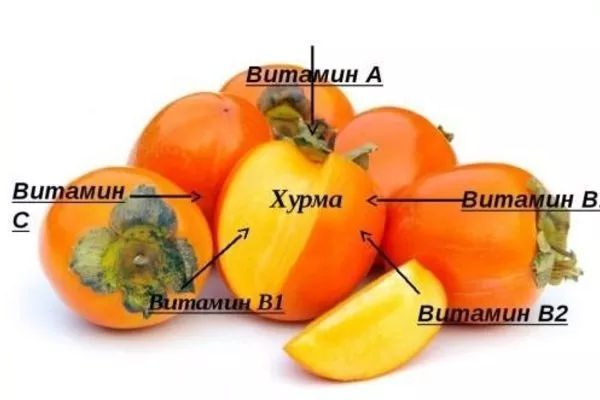

- Has a beneficial effect on the skin. The antioxidant properties of persimmon make it an excellent remedy against aging, pigmentation and skin inflammation.
- Strengthens bone tissue. Calcium and phosphorus, present in persimmon, help strengthen bones and teeth and prevent osteoporosis.
Unripe persimmons have their drawbacks and can cause more harm than good. What are the dangers of eating unripe persimmons?
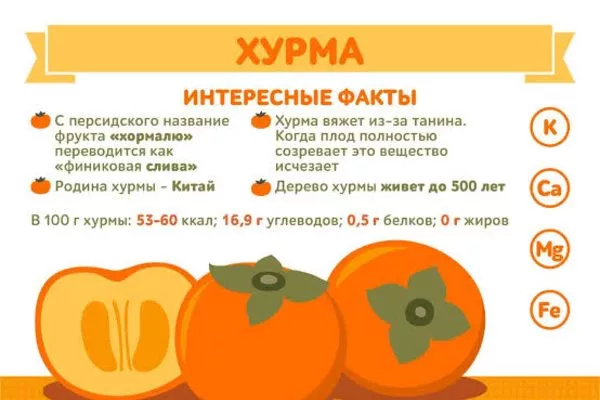
- High content of tannins. It causes an unpleasant sensation in the mouth (viscosity, astringency), irritates the mucous membrane of the stomach and intestines, causing pain and digestive problems.
- Causes constipation. Unripe persimmon increases the binding effect, makes defecation difficult, and impairs intestinal peristalsis.
- May cause allergies. Tannins present in unripe fruits often cause irritation of the mucous membranes of the mouth, throat and esophagus, as well as allergic rashes on the skin.
- Risk of developing stomach stones. Eating large amounts of raw and unripe persimmons can sometimes lead to the formation of phytobezoars – lumps of food that harden in the intestines and require surgical treatment.

To get the most out of persimmons, choose fully ripe fruits that are brightly colored, firm, and pleasantly aromatic. Store the fruit at room temperature until fully ripe, avoiding rapid cooling or freezing.
Japanese persimmons are considered some of the most delicious. You can learn more about them here. Here.
Maturity assessment criteria
Choosing the perfect persimmon is no easy task, as the enjoyment of the taste and maximum health benefits depend on proper selection. There are several ways to determine the ripeness of this amazing fruit, including its appearance, flesh consistency, smell, and taste. So, let's figure out how to choose a ripe fruit.
Appearance of the fruit
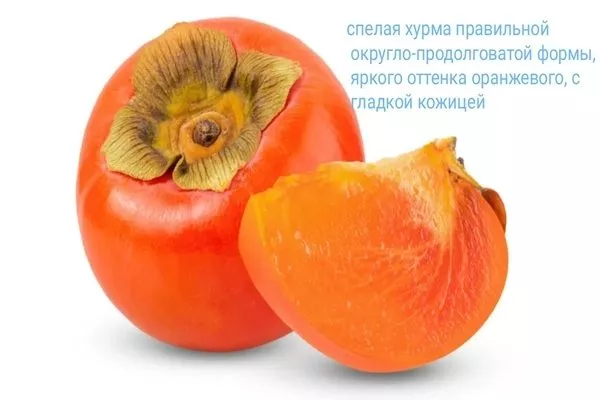
The first impression is formed by visual characteristics:
- A ripe persimmon should have a perfectly rounded, oblong shape, a smooth surface, and even edges. However, there are exceptions to this rule, for example, Chamomile with an unusual ribbed fruit shape. Cracks or signs of spoilage indicate a poor-quality product.
- The skin color varies by variety, but ripe persimmons are characterized by vibrant shades of orange with a golden sheen. Green patches on the skin indicate underripeness, while brown spots indicate the onset of fermentation or insect infestation.
- The skin should be thin, smooth, and elastic. If the skin is hard or spotted, the fruit is not ripe enough or has begun to spoil.
Pulp consistency
The most important indicator of maturity is the structure of the inner part of the fruit:
- Hardness. Unripe persimmons are firm and dense, reminiscent of an apple. As they ripen, they soften, becoming more tender and juicier. Persimmons are particularly delicate in texture. Chocolate kinglet.
- Viscosity. Another characteristic of an unripe product is its high tannin content, which imparts astringency and an unpleasant bitterness. A sweet and soft texture indicates its readiness for consumption.
- Seed structure. The presence of dark seeds and thin partitions between them indicates the full development of the fruit and a high sugar content.
Smell and taste
Aroma and taste also play an important role in assessing ripeness:
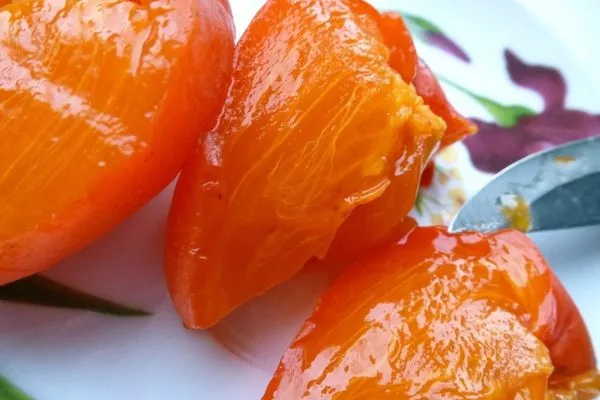
- Ripe persimmons have a distinct aroma, a characteristic scent of the tropical forest, and a light honey flavor, while older ones have an unpleasant sourish tint.
- The ideal persimmon flavor is sweet and mild, somewhat reminiscent of peaches or apricots. Overripe persimmons have an unpleasant taste and a strong fermentation odor.
The aroma of the persimmon species is especially pronounced and sweet. Honey.
Signs of immaturity
Persimmon is a beloved autumn treat, rich in vitamins and minerals. But to fully appreciate this fruit, it's important to learn how to distinguish ripe from unripe persimmons. Today, we'll discuss the signs you can use to recognize unripe persimmons and avoid disappointment when eating them.
Appearance
One of the main indicators of persimmon unripeness is its appearance. Pay attention to the following characteristics:
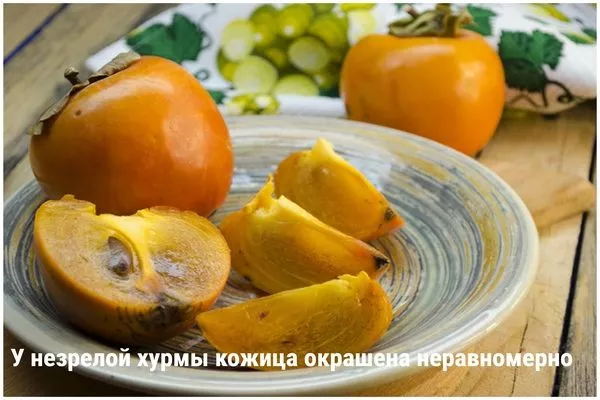
- Unripe persimmons are unevenly colored. Most often, the skin features green areas that gradually transition to a light yellow or pale orange hue.
- The unripe fruit's skin is dense, tough, and rough in places. The ripe fruit has a glossy surface, velvety texture, and translucent skin.
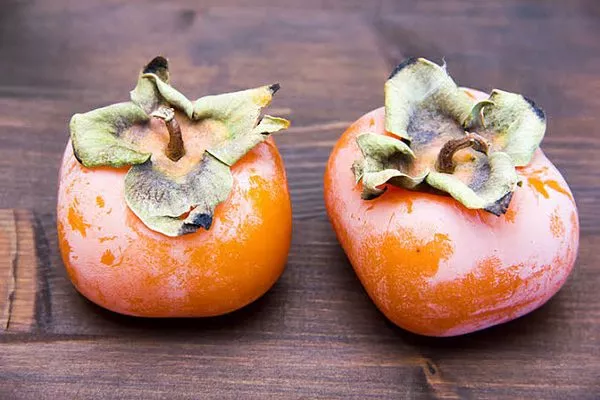
- The petiole and the petals surrounding it at the top of the fruit serve as an additional indicator of ripeness. If they are dry and firm, the persimmon is ready to eat. Wet, greenish, and flexible petals indicate unripeness.
Consistency
It is also important to pay attention to the internal structure of the fruit:
- Rigidity. Young persimmons are usually firm and firm, like an apple. Only when ripe will they become soft and yielding when pressed with a finger.
- Bitterness. Unripe persimmons are very bitter and sticky in the mouth due to their high tannin content. Gradually, as they ripen, the flavor changes, losing its astringency and developing a pleasant sweetness.
- Seeds. Another indicator of ripeness is the condition of the seeds. Unripe persimmons contain small white seeds, while ripe ones have large, dark, fully developed ones.
Taste and smell

These indicators are subjective, but important in determining maturity:
- Unripe persimmons have almost no smell, and if they do emit any aroma, it is a weak, grassy or sour one.
- The main difference between unripe persimmons is the high concentration of tannins, which cause strong astringency and bitterness.
Typical mistakes buyers make
Consumers often face challenges choosing fresh and delicious persimmons. Ignoring important ripeness and fruit condition can lead to poor choices. The result is underripe, overly soft, or even spoiled persimmons that are difficult to eat. We'll discuss the most common mistakes shoppers make and offer recommendations on how to avoid them.
Selecting unripe fruits
Many shoppers choose persimmons based solely on price or appearance, ignoring true signs of ripeness. Unripe persimmons are not only tasteless but also dangerous to health:
- Bitterness and viscosity. Unripe fruits contain a large amount of tannins, which gives them an extremely tart taste and causes a feeling of discomfort in the mouth.
- Problems with the gastrointestinal tract. Eating unripe persimmons may cause stomach upset, nausea and diarrhea.
- Risk of parasite infestation. Unripe fruits are less protected from external threats, which increases the risk of infection by various bacteria and microorganisms.
Buying overripe fruits
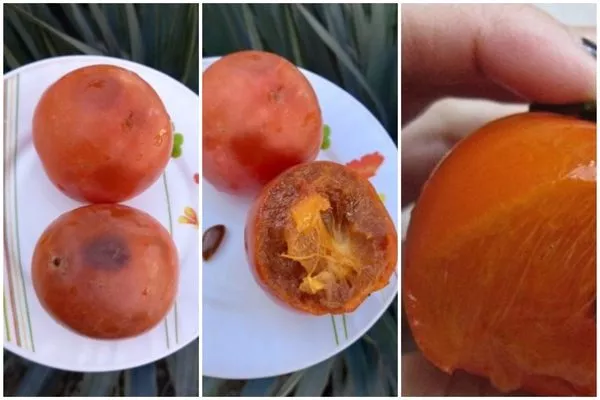
The other extreme is buying an overripe persimmon. This type of persimmon can easily be mistaken for a ripe one if you ignore certain signs:
- Softened texture. Overripe fruits lose their density and turn into mush, becoming unsuitable for slicing and tasting.
- Color change. Instead of bright shades, grayish or brownish tones appear, indicating staleness.
- Loss of aroma. Old fruits lose their pleasant smell and acquire a sour or rancid aroma.
Gently feel the fruit with your fingers. It should be soft but firm, without any signs of deformation or damage.
Buying by eye without checking the condition of the skin and pulp
People often buy persimmons solely based on their appearance, forgetting to examine the inside of the fruit. This can lead to the following consequences:
- Surface defects. Stains, scratches and cracks in the skin can hide serious internal damage.
- Uneven shape. Distorted or misshapen fruits usually contain tough, fibrous pulp and small seeds.
- Unpleasant aroma. A spoiled persimmon is indicated by a distinct sour or winey smell.

Be sure to inspect the fruit's surface, feel the texture of the peel, and evaluate its overall appearance. Even a small defect can significantly spoil the fruit's impression.
Storage and Ripening Tips
Unripe persimmons often end up on our tables, but they require additional time to reach optimal ripeness and flavor. Proper storage and timely ripening will allow you to fully enjoy all the benefits of these delicious and healthy fruits.
Optimal conditions for storing unripe fruits at home
If you have purchased unripe persimmons, remember that proper storage is key to preserving the quality of the fruit.
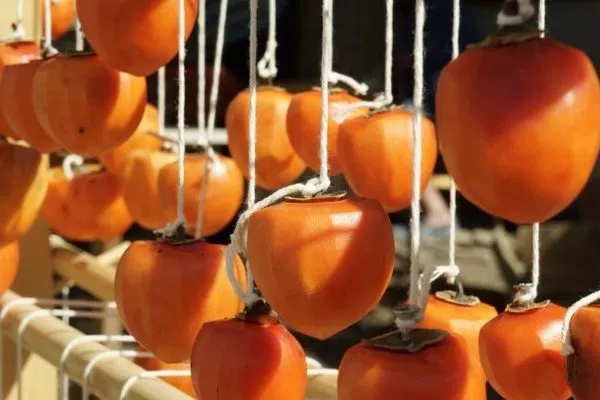
Here are some recommendations:
- Temperature conditions: Store persimmons at temperatures between +10°C and +15°C. Lower temperatures lead to rapid loss of freshness, while higher temperatures lead to premature aging and spoilage.
- Ventilation: Ensure good ventilation in the storage area. Insufficient fresh air will accelerate the decomposition of the fruit.
- Light: Keep persimmons in the dark or in a dimly lit area. Direct light destroys vitamin A and carotene, reducing their nutritional value.
- Package: Place the fruit in wooden or cardboard boxes with ventilation holes. Place paper or a layer of fabric between the layers to prevent them from touching each other.
Methods for accelerating the ripening of persimmons
If you want to speed up the ripening process of fruit, use simple methods:
- Ethylene gas: Place unripe persimmons alongside apples, bananas, or tomatoes. These fruits produce ethylene gas, which accelerates the ripening process of persimmons.
- Warm conditions: Leave the persimmon on a windowsill or table, providing a constant flow of warm (not hot!) air. This will help it ripen much faster.
- Paper bag method: Wrap the fruit in a paper bag and leave it in a warm place for a couple of days. The paper retains heat and accelerates the conversion of starches into sugars.
- Freezing: Freeze persimmons for a short period (up to 24 hours), then defrost them in the refrigerator. This will reduce the tannin concentration and improve the flavor.
Important tips
Experienced gardeners and persimmon lovers are happy to share some secrets. Consider these tips:
- Never refrigerate unripe persimmons immediately after purchase. Low temperatures slow down biochemical processes, making the fruit inedible for a long time.
- If fruit begins to show the first signs of mold or other diseases, dispose of it immediately.
By following these recommendations, you will learn how to properly store and ripen unripe persimmons, extracting maximum benefit and pleasure from their consumption.
Other important factors
In addition to the criteria listed, pay attention to the following aspects:
- Growing conditions: Fruits grown in natural climate conditions have better ripeness and quality.
- Place of purchase: Buy persimmons from trusted sources, giving preference to seasonal, locally produced goods.
- The best proof of maturity is your own taste buds. Try different varieties, experiment with different stages of ripeness, and find your perfect match.
When choosing persimmons, it's important to consider many nuances to ensure you're purchasing a quality product. Pay attention to their appearance, texture, and aroma, and try to buy fresh, healthy fruits. Then you're guaranteed to enjoy the wonderful flavor of persimmons and experience all the benefits of this oriental fruit.