
Persimmon is a tropical and subtropical fruit, familiar to many for its distinctive orange color and pleasant taste. Despite its widespread popularity and availability today, few know the true origins of this remarkable fruit. Let's take a closer look at the origins of the persimmon and how it achieved its current popularity.
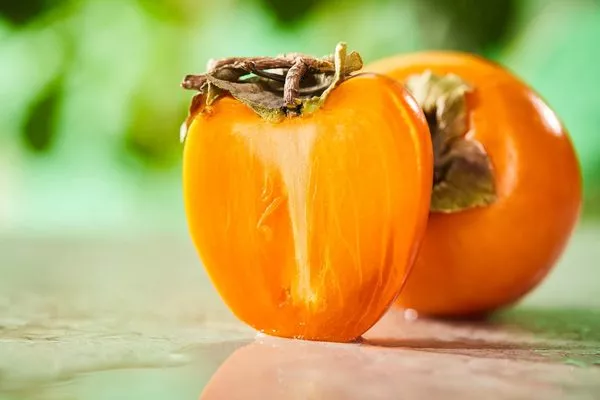
The birthplace of persimmon
The first representatives of the persimmon genus (Diospyros) appeared in China. According to scientific research, this country is recognized as the ancient homeland of the persimmon, where a representative of the wild ancestors of modern edible varieties grew.
Originally, wild persimmons were small trees whose fruits were sour and very tart in taste.
The first mention of persimmon
The first written references to persimmon date back to the second century BC. Ancient Chinese treatises describe the fruit's medicinal properties and recommend its consumption for health and disease prevention. For example, the Chinese philosopher Laozi wrote about the medicinal properties of persimmon, calling it one of the most important natural medicines.
Moreover, ancient Chinese artists often depicted persimmons on canvases, symbolizing it as a sign of abundance and grace.
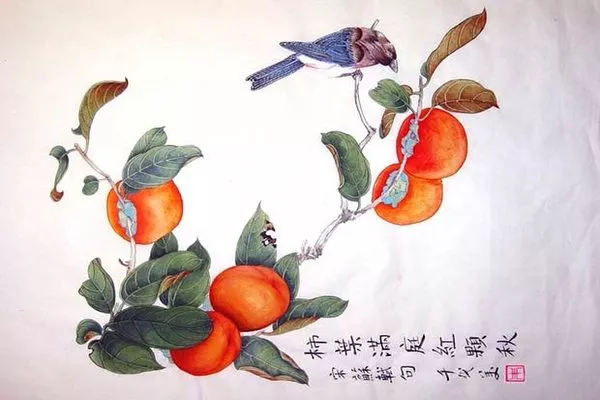
Such paintings testified to the high importance and respect that persimmon fruits enjoyed in Chinese culture.
Further distribution
Centuries later, the persimmon began its "journey" to other countries and continents. One of the first neighbors of China to receive this fruit was Japan. Farmers there immediately appreciated the fruit's unusual taste and health benefits, and began cultivating it themselves.
It later reached Europe, India, and the Middle East. Europeans learned of it during the Age of Discovery, when Portuguese sailors brought the fruit to Italy and Spain. It was then that the persimmon's widespread cultivation began in the Mediterranean countries.
Modern knowledge about the origin of persimmon
Today, scientists have extensive data on the genesis of the persimmon. Researchers identify two key evolutionary trends:
- Sino-Japanese line, Descending from a wild form known as Diospyros kaki, this group includes numerous cultivars with large, fleshy fruits.
- Mediterranean line, Originating from the European variety of Diospyros lotus, this branch is characterized by small, round fruits resembling prunes.

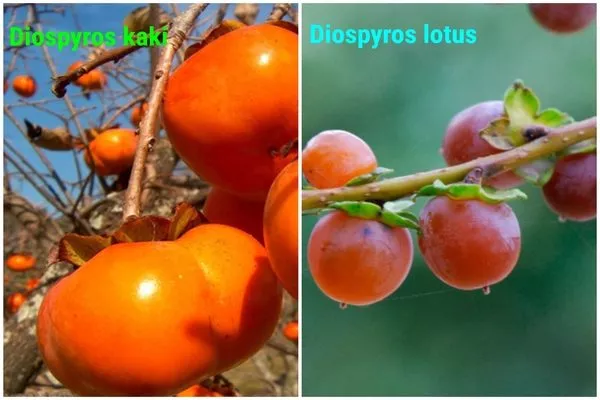
Interestingly, persimmons originally had a bitter, astringent taste due to the high tannin content. Only through centuries of selective breeding were humans able to develop the sweet varieties we're accustomed to.
Spread of persimmon
The persimmon is a unique fruit whose fame has long since spread beyond its native lands. It now grows everywhere: from East Asia to North America and the Mediterranean region. But before finding its rightful place in our markets, the persimmon underwent a long transformation.
Persimmon's journey around the world
Like many plants, the persimmon began its life as a wild shrub. It first appeared in ancient China, where locals noticed the fruit's pleasant taste and rich vitamin content. Centuries later, the Chinese learned to cultivate the finest specimens, selecting the largest and sweetest varieties.
Peculiarities:
- The first region to take up the persimmon cultivation baton was neighboring Japan. Here, planters developed special processing techniques, improving the fruit's flavor and appearance. Soon Japanese variety Hachiya gained international fame and began to be supplied to European countries.
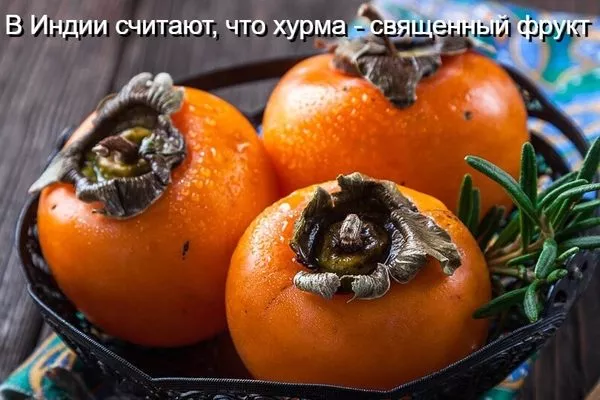
- From China and Japan, the persimmon traveled further, reaching Central Asia, India, and Iran. Residents of these regions loved the fruit for its refreshing taste and medicinal properties. Hindus consider the persimmon sacred, using it in folk medicine.
- Europe became acquainted with the persimmon only in the 17th and 18th centuries, when travelers and missionaries brought seeds from Eastern countries. Initially, it was grown as an ornamental tree, but then, recognizing its nutritional value, the Italians and Spaniards established the first commercial plantations.
- A real boom in interest in persimmons began in the 20th century, when Americans became interested in the possibility of developing industrial production of this fruit. Persimmons took root particularly well in California and Florida, where the warm climate proved ideal for growing large, sweet fruits.
Today, the world's largest persimmon suppliers are China, Japan, South Korea, Iran, Israel, and Chile. Each country has its own signature varieties, both popular domestically and exported internationally.
Features of cultivation in Asia, Europe, America
Despite the persimmon's versatility, different regions have developed their own approaches to its cultivation. Asia, Europe, America, and other countries:
- China. The main focus of Chinese production is on industrial scale. Vast areas are planted with traditional varieties such as Jiangxi and Taiho. The Chinese employ high-tech agricultural practices, increasing yields and marketability.
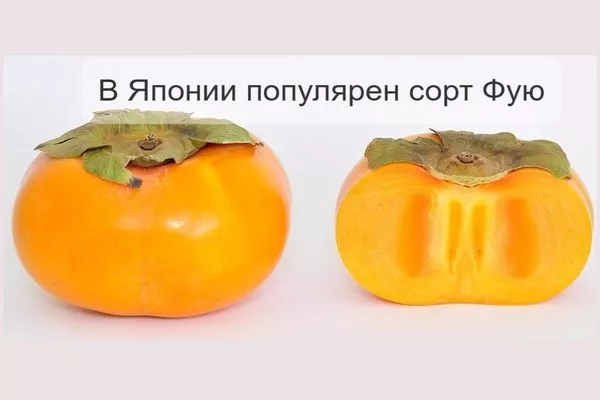
- Japan. The country is renowned for its high-quality persimmon varieties, such as Fuyu and Jiro. Unlike industrial China, the Japanese pay special attention to the quality of each individual fruit, employing manual labor and natural cultivation methods.
- South Korea. Koreans specialize in creating small, elite farms that produce exclusive varieties sold at international auctions. The most popular are the Korolkovye varieties, with their distinctive coloring and sweet flavor.
- Türkiye. Small family farms in Turkey produce high-quality fruit, primarily for the domestic market. Exports are small, but popular in the Arab region and the CIS countries.
- Spain. The Spanish market ranks second, with farmers favoring early varieties that facilitate rapid sales. The last decade has seen significant growth in Spanish persimmon exports to Central European markets.
- Italy. A leading producer on the European continent, specializing in Mediterranean persimmon varieties such as Romana and Yamatango. They practice traditional agricultural methods combined with modern automated harvesting technologies.
- USA. The American industry is focused on high productivity and automated production processes. Growers select disease-resistant varieties that can withstand long transportation and storage periods.
California leads the market in terms of supply volumes, offering standard varieties like Fuyu and Hachiya. Modern agricultural practices ensure consistent and high-quality production. - Chile. The South American country has become one of the world's largest persimmon suppliers relatively recently, but is rapidly gaining momentum. The warm climate of central Chile is ideal for growing Central Asian varieties, which can reach impressive sizes and boast excellent quality.
Most of the Chilean harvest is exported to Europe and North America. - Brazil. Brazil is in the process of developing its persimmon market. Small farms located along the Atlantic coast produce small batches of fresh persimmons for local consumption. Active work is underway to establish highly productive farms ready to offer a high-quality product to the market in the future.
- Mexico. Mexican farmers are actively developing the cultivation of exotic fruits, including persimmons. The favorable climate of the states of San Luis Potosi and Nuevo León provides excellent conditions for the rapid development of the industry. Mexico is now positioned as a promising player in the global persimmon market.
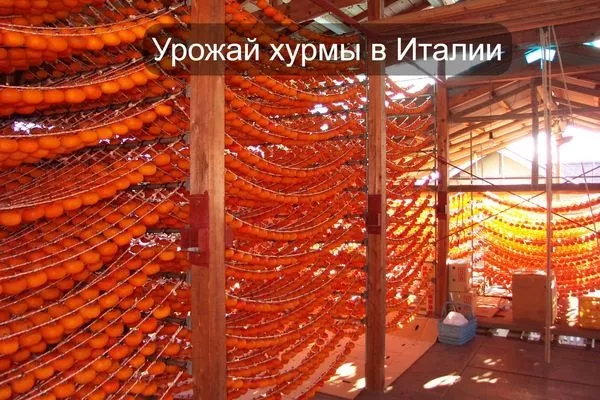
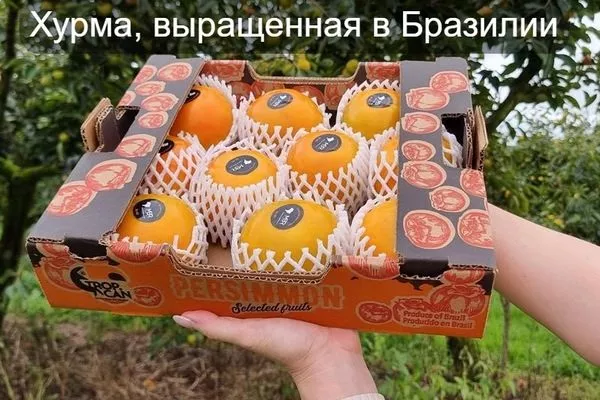
When chronicling the persimmon's journey around the world, it's impossible to underestimate the contribution of each region to the development of this popular fruit. From its ancient Chinese roots to its modern global success, the persimmon continues to explore new horizons and win the hearts of consumers on every continent.
Diversity of persimmon varieties
Persimmon is a fruit renowned for its sweetness and unique flavor. Today, there are many varieties of persimmon, each with its own characteristics and features. Let's take a closer look at the most common ones and learn the differences between Asian and European varieties.
The most famous types of persimmon
Among the many existing varieties, the following stand out:
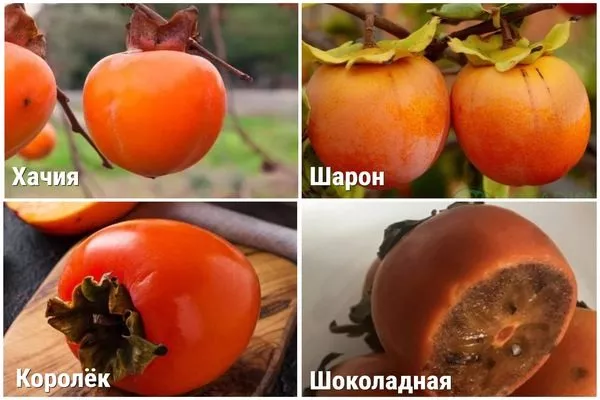
- Hachiya (Hachiyo) – A classic representative of Japanese varieties, it is distinguished by its oblong shape and bright red skin. Inside, it contains dense, fibrous flesh that becomes soft only after full ripening. It has a distinct viscosity, which many consider an unpleasant characteristic. The most popular variety of this persimmon in Russia is called Bull's heart.
- Fuyu (Fuyu) – Also a Japanese variety, it's shaped like a flattened apple and has a red-orange color. The flesh is sweet, crisp, and completely non-astringent, making it popular among those who don't tolerate astringency.
- Sharon Fruit (Sharon) – An Israeli variety bred on the basis of the Japanese Fuyu. Sharon It is distinguished by its seedlessness and minimal viscosity, which is why it has gained wide recognition among consumers.
- King (King) – A common Korean variety with bright red skin and yellow-pink, juicy flesh. The fruits are large, round, and have a mild, astringent-free flavor.
- Chocolate Pudding – An American variety with a dark bronze exterior and brownish-yellow flesh. The name reflects its soft, creamy flavor, reminiscent of chocolate pudding.
- Roman (Romano) – An Italian variety representing one of the few trends in European cultivation. Roman gardening masters succeeded in cultivating large, round fruits with thin skin and a slight sweetness.
Differences between Asian and European varieties
The main differences between the two groups are related to genetic heritage and growing conditions:
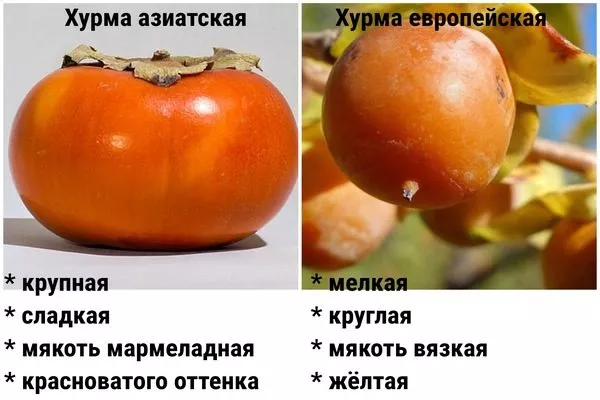
- Fruit shape. Most Asian varieties have an elongated oval, pear-shaped or flattened shape, while European varieties are more often represented by round shapes.
- Fruit size. Asian varieties are usually larger, with an average diameter of 8-10 cm, while European varieties are often smaller, with a diameter of 5-7 cm.
- Color and texture. Asian varieties are characterized by a reddish hue and often a marmalade-like consistency of the pulp, while European varieties are usually light orange in color and have a less pronounced viscosity.
- Climate preferences. Asian varieties require warm, humid conditions to thrive, while European species are better adapted to harsher winters and hot summer sun.
- Method of consumption. Asian persimmons are traditionally eaten as a standalone dessert, while European persimmons are more often used in baked goods, salads, and other dishes. Only ripe fruits are suitable for fresh consumption. To determine the ripeness of a fruit, read on. Here.
Now that you know the difference between Asian and European varieties, you can choose the one that best suits your preferences.
Cultural traditions and symbolism of persimmon
Persimmons are more than just a delicious fruit; they're also an important cultural element in many cultures, especially in East Asian countries. Their significance extends far beyond culinary pursuits, permeating art, literature, and folk customs. Let's explore the role persimmons play in the cultures of Japan, China, and Korea.
Japan
In Japan, persimmons have long been considered a symbol of health and beauty. The smooth, round fruits were associated with the sun, while the long branches with clusters of fruit symbolized wealth and good fortune.
- Traditional holiday. The Mitsuake Matsuri festival, held annually in October, celebrates the persimmon harvest. Festive events include tastings of fresh and processed persimmon products.
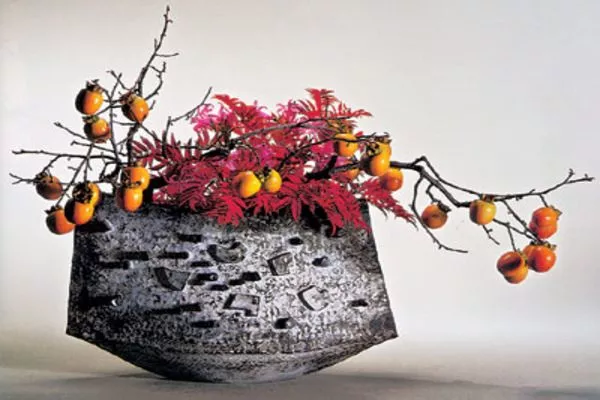
- The art of ikebana. The Japanese use persimmon branches in kaigen bunshin (arrangements of dried branches and flowers). The fruit-bearing branches create an atmosphere of tranquility and harmony.
- Medicine and cooking. The Japanese believe that dried persimmon slices cure colds and strengthen the heart. In Japanese cuisine, persimmons are often pickled in salt and vinegar, turning them into the traditional delicacy kamohaka.
China
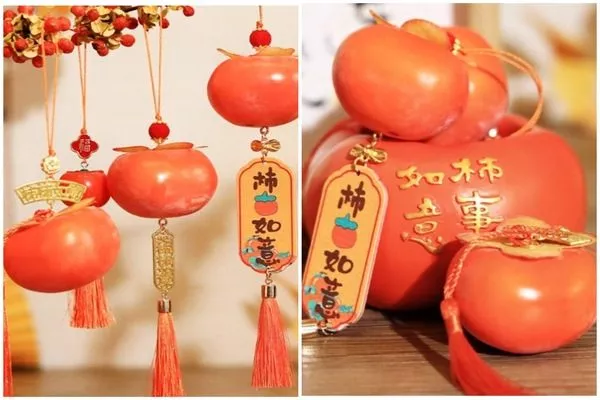
Chinese tradition associates persimmons with positive energy and good fortune. This symbolism is based on the sound of the fruit's name in Chinese (shi), which sounds similar to the word for "deed," giving it the meaning of "good deed" or "good luck in business":
- Folk beliefs. A persimmon tree planted near the house is believed to bring prosperity to the family. Many landowners try to plant this tree on their estate. Read on for information on how to properly plant a persimmon tree. Here.
- Painting and literature. Chinese artists depict persimmons in compositions symbolizing happiness and tranquility. Literature extols the beautiful sound of the fruit's name, noting that eating a persimmon signifies a good deed.
- Use in festive events. During New Year's celebrations, it's customary to give relatives red packets filled with dried persimmons, symbolizing financial well-being and good luck in the coming year. Homes are decorated with traditional persimmon pendants for the holiday.
Korea
In South Korea, persimmons are used in religious practices and folk customs. The most famous cultivation sites are the Jeju Islands and Gyeongsangnam-do Province.
- Sacred tree. The persimmon symbolizes wisdom and virtue. The tree is often planted near temples and monasteries, signifying enlightenment and spiritual rebirth.
- Pharmaceuticals and cosmetology. Koreans have long used persimmon extract in traditional medicine and cosmetics. The product is beneficial for skin, hair, and overall well-being.
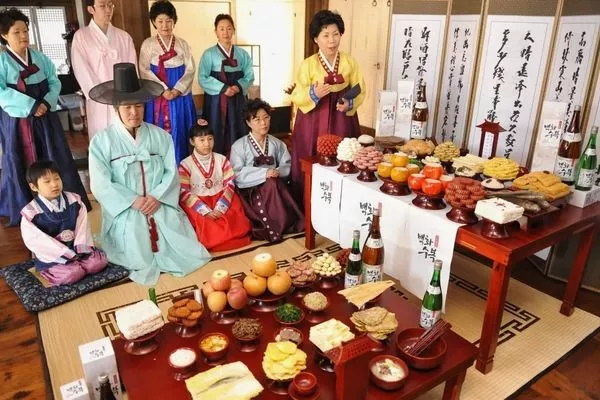
- National holidays. Thanksgiving Day, Chuseok, is celebrated with a variety of persimmon dishes, including pies filled with boiled persimmon and chestnut puree.
Traditional dishes and drinks using persimmon
In many regions, persimmon is used not only fresh, but also as part of a variety of national dishes and drinks:
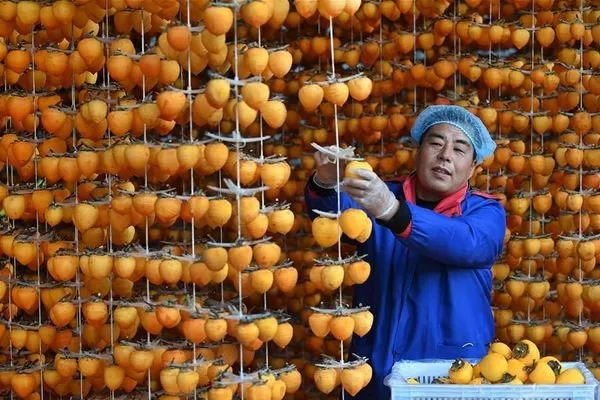
- Dried persimmon (Kamaki). The most popular method of processing persimmons in Japan and Korea. The fruits are hung in the sun to dry naturally. Kamaki is served as a separate dish or added to tea.
- Pickled persimmon (Nemaku). Fresh persimmons are soaked in a brine solution, which removes their astringency and imparts a piquant flavor. This persimmon pairs beautifully with fish and vegetables.
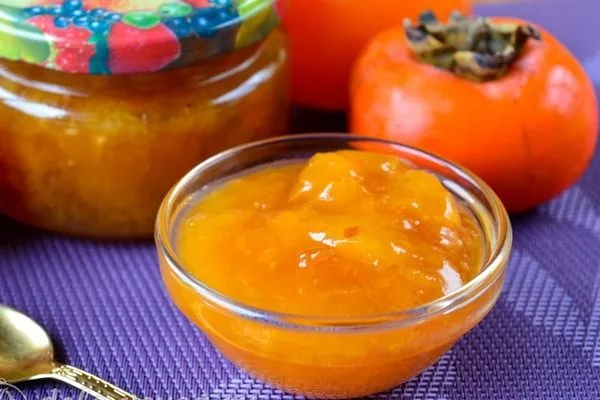
- Jam, compotes and juices. Persimmon preserves and jellies are common in the former Soviet Union and Eastern Bloc countries. Persimmon juice is also a staple in the diets of people in China and Vietnam.
- Alcoholic drinks. In Korea, a special drink called hongsu is made, a low-alcohol fermented persimmon drink. It is consumed warm, similar to mulled wine.
Modern production and consumption of persimmon
Persimmon is one of the most sought-after crops in the modern world, enjoying immense popularity not only in traditionally producing countries but also in Western Europe, the United States, and Russia. The growth in consumer demand is driven by its appealing taste, affordable price, and wide variety of formats available: from fresh berries to canned and prepared foods.
The world's largest persimmon producers
Persimmon production spans a wide range of countries, each specializing in specific varieties and technologies. Let's take a look at the leading players in the international market:
- China. It is the world's largest persimmon producer, accounting for approximately 70% of global production. It primarily cultivates classic varieties such as Shengzi and Hongshi, sold both raw and processed.
- Japan. Japan ranks second in production volume, offering the world the renowned Hachiya and Fuyu varieties. Japan is the leading exporter of premium persimmon varieties, such as King and Jiro.
- South Korea. Ranks third in production, primarily producing local varieties such as Danwong and Saesol. A key feature of Korean production is the use of environmentally friendly technologies and an emphasis on organic farming.
- Iran. Rounding out the top four, it is a major producer of inexpensive mass-produced varieties intended for mass consumption and industrial processing.
- Israel. The company stands out for its high-quality products and technologically advanced production processes. It specializes in innovative varieties developed specifically for the international market.
The popularity of persimmon in modern cooking
Modern healthy lifestyle trends have led to a growing interest in natural foods with a low glycemic index and high nutritional value. In this regard, persimmon meets all the requirements of nutritionists and nutrition experts.
The main areas of application of persimmon in cooking:
- Bakery and confectionery products. Both fresh and dried products are used to make cakes, cookies, bread and pies.
- Salads and appetizers. Persimmon harmoniously complements vegetables, herbs and cheeses, adding originality and a slight sweetness to dishes.
- Supplies for the winter. Canned, frozen, and dried persimmons retain most of their beneficial properties and vitamins, making them easier to include in your daily diet.
- Baby food. Persimmon is included in children's menus due to its low risk of allergic reactions and the large amount of microelements important for the child's body.
- Drinks and cocktails. Smoothies, lemonades, and alcoholic mixes take on unusual notes with the addition of persimmon juice or pieces.
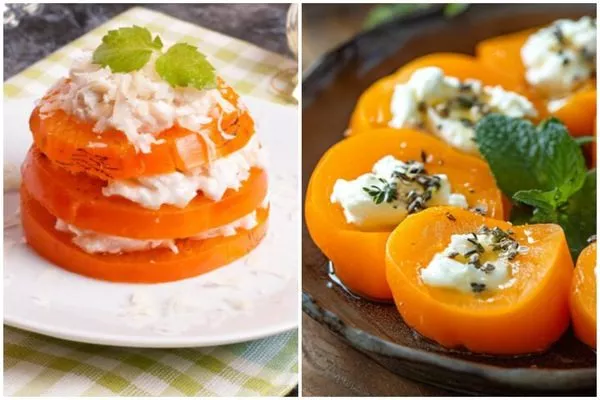
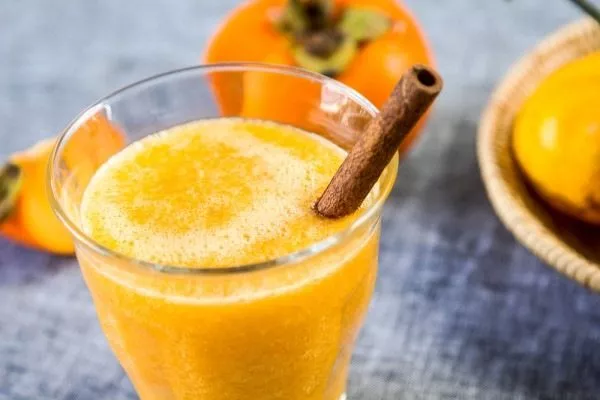
Modern persimmon production and consumption are showing impressive growth rates. Constantly expanding production capacities, innovative developments, and creative chefs are making persimmons more appealing and accessible to millions of consumers worldwide.
So, the persimmon has come to us from the depths of time, having traveled a long way from Chinese forests to European tables. Over a thousand years of history, it has transformed from an unknown forest tree into a popular fruit, beloved by millions of people around the globe. Its amazing evolution continues today, delighting us with new varieties and hybrids that continue to win the hearts of gourmets and scientists around the world.