
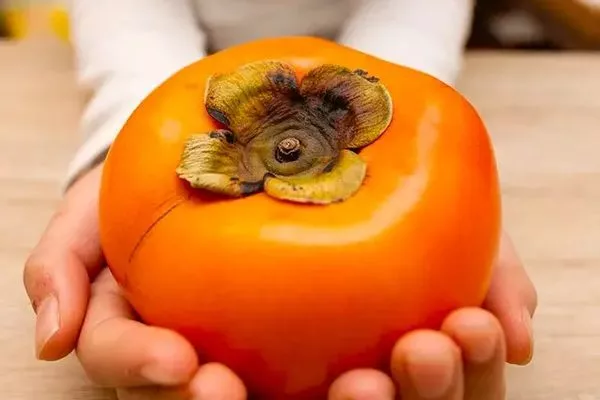
The Giant persimmon combines not only high ornamental qualities but also excellent fruit flavor. It impresses with its robust growth and frost resistance, able to withstand harsh winters. Its bright, tasty, medium-sized fruits and easy care make this variety popular among experienced gardeners and novices, even in colder climates.
Characteristics of the Giant persimmon
This fruit tree is distinguished by its large fruits and decorative appearance. The plant is native to temperate climates and is well adapted to harsh winter conditions.
Appearance and growth characteristics
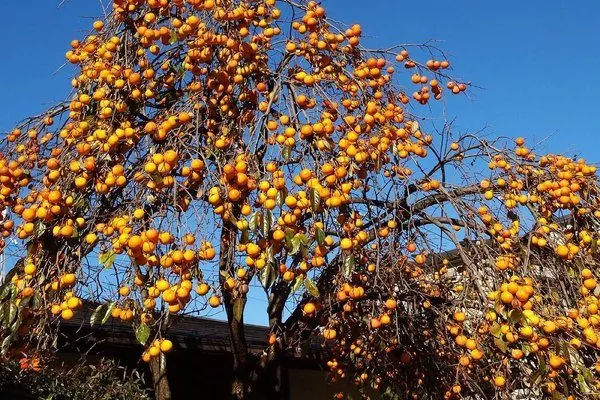
Giant is a variety of American (Virginia) persimmon, distinguished by its compact size and decorative foliage.
Distinguishing features:
- tree - grows up to 3-3.5 m in height;
- crown – thick;
- leaves - dark green;
- fruits – medium size, weighing 115-120 g;
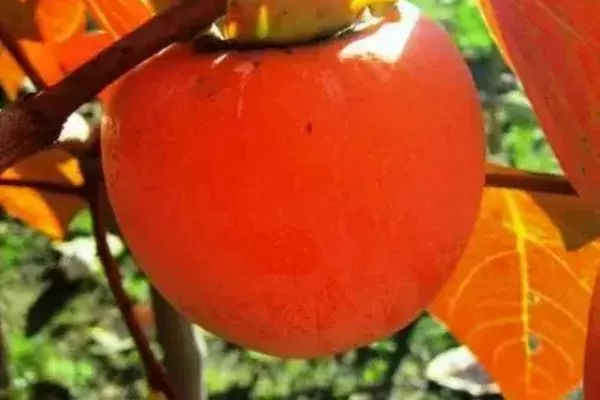
- main color – yellow, but depending on growing conditions, the peel can acquire shades from bright yellow to burgundy-orange.
Fruiting and use
This self-fertile tree begins bearing fruit as early as the third year after planting. The harvest ripens in mid-October, making it one of the earliest-ripening persimmon varieties.
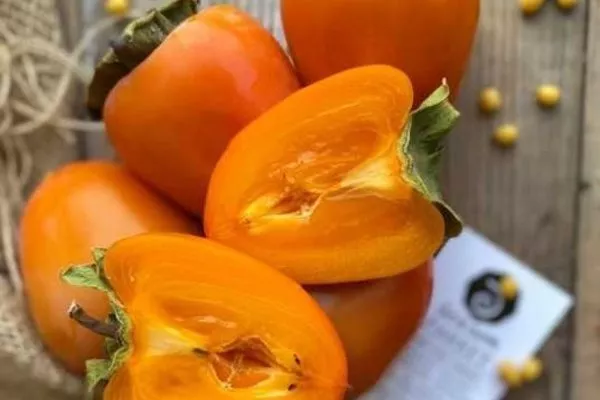
The fruits are eaten fresh, used for preservation, added to a variety of dishes, or used to prepare desserts.
Resistance to external factors
The giant is characterized by high frost resistance. It can withstand temperatures down to -37°C and belongs to winter hardiness zone 3 (from -40°C to -34°C).
Growing and care
Proper planting of the Giant persimmon is the key to successful growth and abundant fruiting. Caring for the plant involves a number of simple agricultural practices. Adhering to these guidelines helps the tree adapt quickly and produce bountiful harvests.
Selecting a location
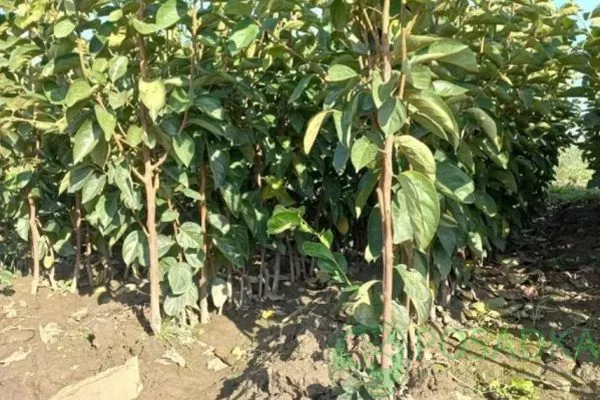
Persimmon, like most fruit trees, requires a sunny site protected from cold winds. The soil should be loose and well-drained—excess moisture at the roots is unacceptable.
Planting Giant persimmon
Growing the Giant persimmon variety requires several simple but important steps. Follow these recommendations:
- The best time for planting is spring, when the soil has warmed up but the tree has not yet begun to actively grow. In warmer regions, autumn planting is also possible.
- The soil in the area should be light, fertile, and well-drained. If the soil is heavy, add sand and compost.
| Parameter | Indicator | Note |
|---|---|---|
| Tree height | 3-3.5 m | Compact size for easy maintenance |
| Fruit weight | 115-120 g | Stable size even under adverse conditions |
| Ripening time | Mid-October | One of the earliest among Virginia varieties |
| Frost resistance | Up to -37°C | USDA Zone 3 (-40°C to -34°C) |
| The beginning of fruiting | 3rd year | Fast harvest after planting |
Step-by-step algorithm:
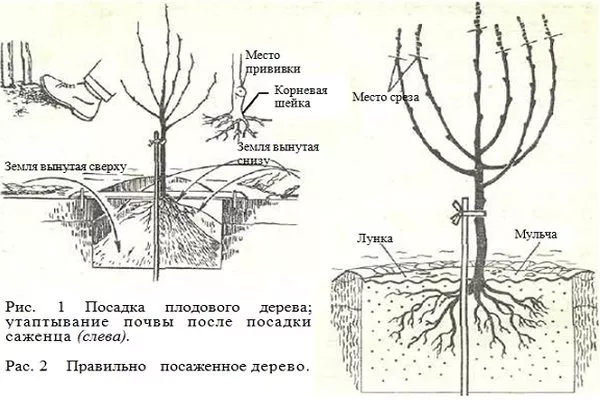
- Dig a planting hole about 50-60 cm deep and wide. Set the top fertile soil aside for backfilling.
- Add a small amount of humus mixed with soil to the bottom of the hole, and a handful of ash. Mineral fertilizers are not recommended for planting.
- Carefully spread the roots and place them in the hole so that the root collar is level with the ground surface. Fill the hole with the prepared soil, compacting it lightly.
- Water the seedling generously with warm, settled water. Mulch the area around the tree trunk with peat, compost, or dry grass—this will help retain moisture and protect against weeds.
- If the plant is fragile, tie it to a stake to protect it from the wind.
Watering
Irrigation plays a vital role in the development of a healthy tree and a good harvest. Follow these guidelines:
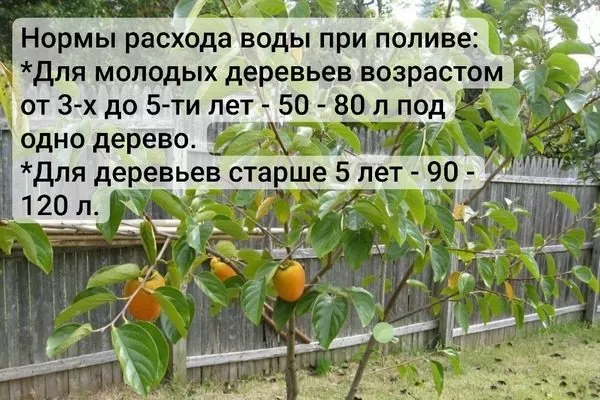
- Young seedlings especially need moisture. Water regularly, approximately 1-2 times a week, depending on the weather and soil type. The soil should be evenly moist, but not waterlogged.
- Mature trees are more drought-resistant, but during periods of active growth, flowering, and fruit formation, they require generous watering—at least once every 10-14 days. Water early in the morning or evening, using warm, settled water.
- After watering, loosen the soil around the tree trunk and mulch to retain moisture and prevent crusting. Ensure consistent moisture during hot, dry summers—this directly impacts the size and flavor of the fruit.
Fertilizer
Fertilizing the Giant persimmon variety is essential for vigorous growth, disease resistance, and abundant fruiting. Proper nutrition is especially important in the first few years after planting:
- In the spring, during the initial growth period. Feed your persimmon with nitrogen fertilizers to stimulate shoot and foliage development. Use urea, ammonium nitrate, or mullein infusion diluted 1:10.
- February-March: 1 watering (20 l) in the absence of precipitation
- April-May: 2 times a month (30-40 l)
- June-July: once every 10 days (50 l)
- August-September: once every 2 weeks (40 l)
- October: Moisture-recharging irrigation (60-80 l)
- In May-June, when the tree gains mass and ovaries are formed. Complex substances with nitrogen, phosphorus and potassium (for example, nitroammophoska), or organic matter - compost, humus are useful.
- During the period of fruit ripening (August-September). Avoid nitrogen to avoid promoting growth at the expense of the harvest. At this stage, the plant especially needs potassium and phosphorus – they improve the taste and quality of the fruit. Use ash infusions, superphosphate, potassium sulfate, or organic extracts.
- In the fall, after harvesting. Add humus or compost to the soil to replenish nutrients and strengthen the tree before winter.
Watering schedule by development phases
| Period | Fertilizer | Norm per 1 tree | Method of application |
|---|---|---|---|
| April | Urea | 30-40 g | Solution in irrigation water |
| May-June | Nitroammophoska | 50-60 g | Sealing in the tree trunk circle |
| July-August | Potassium sulfate | 25-30 g | Foliar spraying (0.1%) |
| September | Superphosphate | 40-50 g | Deep application (15-20 cm) |
| October | Humus | 5-7 kg | Surface mulching |
Reviews
The Giant Persimmon is an ideal choice for gardeners seeking an easy-to-grow yet productive tree for their own plot. This tree boasts abundant fruiting, beautiful appearance, and resistance to disease and frost. With proper care, it will delight you with high productivity and robust health for many years.